Product Description
DIN766 stainless steel welded short linkchain
| Product name | DIN766 Galvanized/stainless steel welded short linkchain |
| Place of origin | ZheJiang of china |
| Brand | LOADSTAR |
| Material | Stainless Steel Chain 304/316/316L |
| Size | 4-26MM |
| Ports | Port of HangZhou |
| Standard | Din766 |
| Sample |
The sample is free,the freight should on your account before your first order |
| Surface | Polished |
| Payment term | T/T, Western Union or L/C at sight |
| Delivery time | Usually with 15-30 days according to your required size&quantity |
| Using range |
1.Decoration;Protection;Lifting;Traction 2.Fishing&boat chain;Mine chain; Cement lifting round chain |
| Service | Your inquiry will be replied within 12 hours |
To meet requirment of various markets,the following mould illustrates you other stainlesssteel chain in terms of different standard,material,process,etc.Meanwhile,more items are not limited to these below.
DIN766 Galvanized/stainless steel welded short linkchain
Lisheng always lead the new development of technologies, new products and value-added services.Over the years,stainless steel chains have been created, applied,and enable real growth forcustomers into new market places.
DIN766 Galvanized/stainless steel welded short linkchain
Payment
Stainless Steel 304/316 Ordinary Short Link Chain Stainless Steel 304/316 Ordinary Short Link Chain Stainless 316 DIN766 Galvanized/stainless steel welded short linkchain
WELCOME YOUR INQUIRY!
Contact person:Anna Liu
| Usage: | Drag Chain, Dedicated Special Chain |
|---|---|
| Material: | Stainless steel |
| Surface Treatment: | Polishing |
| Feature: | Oil Resistant |
| Chain Size: | 4-23mm |
| Structure: | Welded Chain |
| Samples: |
US$ 80/Piece
1 Piece(Min.Order) | |
|---|

Can gripper chains be used in abrasive or harsh environments?
Gripper chains are designed to be durable and resistant to various operating conditions, including abrasive or harsh environments. While the specific suitability depends on the materials and coatings used in the gripper chain construction, there are several features that enable gripper chains to handle such conditions:
- Material Selection: Gripper chains can be manufactured using materials that offer high resistance to abrasion and corrosion. Common materials include stainless steel, hardened steel, or plastic compounds with excellent wear resistance.
- Coatings and Surface Treatments: Applying specialized coatings or surface treatments to the gripper chain can enhance its resistance to abrasion and corrosion. For example, coatings like zinc plating or nickel plating provide an additional layer of protection against harsh environments.
- Sealed Design: Gripper chains can incorporate sealed or self-lubricating mechanisms to prevent the ingress of abrasive particles or contaminants. This helps to maintain smooth operation and prolong the chain’s lifespan in harsh environments.
- Robust Construction: Gripper chains are typically designed with robust construction to withstand the rigors of abrasive environments. This includes reinforced links, sturdy attachments, and secure fastening methods to ensure reliable operation even under challenging conditions.
- Regular Maintenance: To ensure optimal performance and longevity in abrasive environments, regular maintenance is essential. This may involve periodic cleaning, lubrication, and inspection of the gripper chain system to remove accumulated debris and identify any signs of wear or damage.
While gripper chains can handle abrasive or harsh environments, it is crucial to select the appropriate materials, coatings, and maintenance practices based on the specific conditions of the application. Consulting with industry experts or manufacturers can provide further guidance in choosing the most suitable gripper chain for abrasive environments.

What are the maintenance requirements for gripper chains?
Maintaining gripper chains is essential to ensure their optimal performance and longevity. Here’s a detailed explanation of the maintenance requirements:
1. Regular Cleaning: Gripper chains should be cleaned regularly to remove any debris, dirt, or accumulated residues that can affect their operation. Use a mild detergent or cleaning solution and a brush to clean the chain links, gripper fingers, and jaws. Rinse thoroughly and dry before reinstallation.
2. Inspect for Wear and Damage: Regularly inspect the gripper chains for signs of wear, damage, or deformation. Check for any broken or worn gripper fingers, damaged chain links, or misalignment. Replace any worn or damaged components promptly to prevent further issues.
3. Lubrication: Proper lubrication is essential for smooth operation and reduced friction. Apply lubricant to the chain links and gripper fingers/jaws according to the manufacturer’s recommendations. Use a lubricant specifically designed for high-load and conveyor applications.
4. Tension Adjustment: Check the tension of the gripper chains regularly. Ensure that they are properly tensioned to prevent excessive slack or over-tightening, which can affect the gripping performance and lifespan of the chains. Adjust the tension as needed according to the manufacturer’s guidelines.
5. Replace Worn Components: As gripper chains are subjected to wear during operation, it’s important to monitor the condition of the gripper fingers, jaws, and chain links. Replace any worn or damaged components promptly to maintain the chain’s performance and grip strength.
6. Monitor Alignment: Check the alignment of the gripper chains to ensure they are properly aligned with the sprockets. Misalignment can cause premature wear and reduce the effectiveness of the gripping action. Adjust the alignment as necessary.
7. Operational Environment: Consider the operating environment and take appropriate measures to protect the gripper chains from excessive moisture, extreme temperatures, or exposure to corrosive substances. Implement proper guarding and regular inspections to prevent foreign objects from entering the chain assembly.
8. Follow Manufacturer’s Guidelines: Always refer to the manufacturer’s guidelines and recommendations for specific maintenance procedures, lubrication intervals, and any special considerations for the gripper chains in your particular application.
By following these maintenance requirements, you can ensure that your gripper chains remain in optimal condition, providing reliable gripping performance and prolonging their lifespan.

What are the common applications of gripper chains?
Gripper chains find application in various industries where precise control and secure gripping of items during transportation or assembly processes are required. Here’s a detailed answer:
- Automotive Industry: Gripper chains are used in automotive manufacturing processes for tasks such as transferring components along assembly lines, controlling the position of parts during painting or surface treatment, and guiding items through robotic workstations.
- Electronics Industry: Gripper chains are utilized in electronics manufacturing for handling delicate electronic components during assembly, PCB (Printed Circuit Board) testing and inspection, and guiding items through automated processes.
- Food and Beverage Industry: Gripper chains are employed in food processing and packaging systems to control the movement and positioning of products on conveyors, ensuring proper alignment, packaging, and labeling.
- Pharmaceutical Industry: Gripper chains are used in pharmaceutical manufacturing for precise handling and control of vials, bottles, blister packs, or other medication containers during filling, capping, labeling, and packaging processes.
- Logistics and Distribution: Gripper chains play a role in logistics and distribution centers, facilitating the sorting, routing, and handling of packages and parcels on conveyor systems.
- Textile Industry: Gripper chains are utilized in textile machinery to control the movement and tension of fabrics during weaving, knitting, or printing processes.
- Printing and Packaging Industry: Gripper chains find application in printing presses and packaging machines to hold and control the movement of paper, cardboard, or other materials during printing, cutting, folding, or packaging operations.
These are just a few examples of the common applications of gripper chains. The versatility and customizable nature of gripper chains make them suitable for various industries where precise item control, positioning, and secure gripping are essential for efficient and reliable processes.


editor by CX 2023-11-08
China Professional DIN766 304 316 Welded Short Stainless Steel Chains
Product Description
DIN766 stainless steel welded short linkchain
| Product name | DIN766 Galvanized/stainless steel welded short linkchain |
| Place of origin | ZheJiang of china |
| Brand | LOADSTAR |
| Material | Stainless Steel Chain 304/316/316L |
| Size | 4-26MM |
| Ports | Port of HangZhou |
| Standard | Din766 |
| Sample |
The sample is free,the freight should on your account before your first order |
| Surface | Polished |
| Payment term | T/T, Western Union or L/C at sight |
| Delivery time | Usually with 15-30 days according to your required size&quantity |
| Using range |
1.Decoration;Protection;Lifting;Traction 2.Fishing&boat chain;Mine chain; Cement lifting round chain |
| Service | Your inquiry will be replied within 12 hours |
To meet requirment of various markets,the following mould illustrates you other stainlesssteel chain in terms of different standard,material,process,etc.Meanwhile,more items are not limited to these below.
DIN766 Galvanized/stainless steel welded short linkchain
Lisheng always lead the new development of technologies, new products and value-added services.Over the years,stainless steel chains have been created, applied,and enable real growth forcustomers into new market places.
DIN766 Galvanized/stainless steel welded short linkchain
Payment
Stainless Steel 304/316 Ordinary Short Link Chain Stainless Steel 304/316 Ordinary Short Link Chain Stainless 316 DIN766 Galvanized/stainless steel welded short linkchain
WELCOME YOUR INQUIRY!
Contact person:Anna Liu
| Usage: | Drag Chain, Dedicated Special Chain |
|---|---|
| Material: | Stainless steel |
| Surface Treatment: | Polishing |
| Feature: | Oil Resistant |
| Chain Size: | 4-23mm |
| Structure: | Welded Chain |
| Samples: |
US$ 80/Piece
1 Piece(Min.Order) | |
|---|

What are the key components of a gripper chain system?
A gripper chain system consists of several key components that work together to facilitate the gripping and conveying of items. These components include:
- Gripper Chain: The gripper chain itself is the central component of the system. It is a continuous loop of interconnected links, typically made of metal or plastic. The chain features integrated grippers or attachments that securely hold and transport items during the conveying process.
- Gripper Attachments: Gripper attachments are the specialized components attached to the chain at regular intervals. They come in various shapes and designs, depending on the application requirements. Gripper attachments are responsible for gripping and releasing the items being conveyed.
- Drive System: The drive system consists of the motor, gearbox, and other power transmission components that provide the necessary driving force to move the gripper chain. It ensures smooth and controlled motion of the chain throughout the conveying process.
- Tensioning System: To maintain proper tension and prevent slack in the gripper chain, a tensioning system is used. It typically includes tensioning devices such as tensioners, idlers, or tensioning sprockets that help keep the chain taut and ensure reliable operation.
- Support Structure: The gripper chain system requires a support structure to hold and guide the chain along the desired conveying path. This structure may include guide rails, support brackets, and other components that provide stability and alignment for the chain.
- Control System: The control system includes sensors, actuators, and a programmable logic controller (PLC) or a computerized control unit. It regulates the speed, direction, and operation of the gripper chain system, allowing for precise control and coordination of the conveying process.
- Safety Features: Gripper chain systems often incorporate safety features to protect operators and prevent accidents. These features may include emergency stop buttons, safety interlocks, protective enclosures, and sensors to detect any abnormalities or hazards during operation.
By combining these key components, gripper chain systems provide efficient and reliable conveying of items in a wide range of industrial applications.

Can gripper chains be used in food processing or packaging industries?
Gripper chains can indeed be used in food processing and packaging industries, but there are specific considerations and requirements to ensure compliance with food safety standards. Here are some key points to consider:
1. Food-Grade Materials: Gripper chains used in food-related applications must be made of food-grade materials such as stainless steel or plastic that are resistant to corrosion and can withstand frequent cleaning and sanitization.
2. Hygienic Design: Gripper chains should have a hygienic design with smooth surfaces, minimal crevices, and easy-to-clean components. This helps prevent the accumulation of food particles, bacteria, and other contaminants.
3. Easy Disassembly and Cleaning: The design of the gripper chains should facilitate easy disassembly and reassembly for thorough cleaning and sanitization. Quick-release mechanisms and accessible parts make the cleaning process more efficient.
4. Sanitary Conveying: Gripper chains should be used in conjunction with conveyors designed for food processing and packaging. These conveyors should have features like washdown capabilities, food-grade belts, and appropriate sanitation protocols to ensure the overall cleanliness of the system.
5. Compliance with Regulations: It is crucial to comply with relevant food safety regulations, such as the Food Safety Modernization Act (FSMA) in the United States or equivalent regulations in other countries. This includes maintaining records of cleaning and sanitation procedures, implementing proper pest control measures, and conducting regular inspections.
6. Quality Control: Implement quality control measures to ensure the integrity and safety of the gripper chains and related equipment. This includes routine inspections, testing for contamination or foreign objects, and maintaining proper documentation.
7. Training and Awareness: Train employees on food safety practices, including proper handling of gripper chains, maintaining hygiene, and following established protocols. Regularly reinforce the importance of food safety and provide refresher training as needed.
It is essential to work closely with reputable suppliers and industry experts to select and maintain gripper chains that meet the specific requirements of the food processing and packaging industries. Adhering to stringent food safety standards helps ensure the production of safe and high-quality food products.
What are the different types of gripper chains available?
A gripper chain, also known as a grip chain or gripper conveyor chain, comes in various types and configurations to accommodate different application requirements. These types can vary based on the design of the gripper attachments or the specific functionality they offer. Here’s a detailed answer to the question:
1. Curved Finger Gripper Chain: This type of gripper chain features curved fingers or attachments that provide a secure grip on items with curved surfaces or irregular shapes. The curved shape helps conform to the contour of the items, ensuring reliable gripping and preventing slippage during transportation.
2. Flat Finger Gripper Chain: Flat finger gripper chains have flat gripper attachments that are suitable for gripping items with flat surfaces. These chains are commonly used in applications where items need to be held flat or at a specific angle during transport or assembly.
3. Hook Gripper Chain: Hook gripper chains have hook-shaped gripper attachments that are designed to engage with items that have a handle or a hanging point. The hooks securely hold the items, allowing for convenient and controlled transportation.
4. Specialized Gripper Chain: In addition to the above types, there are specialized gripper chains available for specific applications. These may include chains with custom-designed gripper attachments to accommodate unique shapes or sizes of items. They are tailored to meet the specific requirements of the application, providing optimal gripping and transportation capabilities.
When selecting a gripper chain, it’s essential to consider factors such as the shape and size of the items being handled, the weight and load capacity requirements, the speed and precision of transport, and the environmental conditions. Proper selection ensures that the gripper chain performs effectively and reliably in the intended application.
Regular maintenance, including lubrication, tension adjustment, and periodic inspection of the gripper chain, is necessary to ensure optimal performance and extend its lifespan.
editor by CX 2023-08-21
China factory Welded Link Chains Mild Steel Link Chain/Alloy Steel Link Chain/Proof Coil Chain/DIN766/DIN763/DIN5685/Animal Chain/Jack Chain/Decorator Chain drives roller chain
Product Description
HangZhou Dewell Metals International Co.,ltd is an international corporation ranking among the leaders on the market of rigging hardware and ornamental products. Our company’s credo is providing our partners and their clients with high quality products at reasonable prices.
Our products:
Rigging Hardware Series:Chain,Anchor,Steel wire rope and their accessory:Shackle,Turnbuckle,Wire rope clip,Thimble,Hook,Connecting Link,Master Link,Quick link,Eyebolt and Eye nut,Swivel,Load binder etc.
Ornamental products:Forging and casting spears,Bushes,Scrolls,Post tops,Leaves,Gate fittings,Balcony bar etc.
Building Hardware:Hinge,Wire Netting,Scaffold,Formwork,Connect Fitting etc.
Factors of Success:
-more than 20 years of market presence.
-Own factories in China.
-Developed sales network at all market segments.
-Design of innovative product groups.
-Excellent conditions for mutually beneficial partnership.
-Introduction of innovative technologies in sales, logistics and stock count.
Business FAQ:
1.Could you supply free samples before we place firm order
Yes,we’re glad to sent samples for your inspection.After getting your approval for our samples quality,you place firm order with us.
2.What’s your MOQ?
It depends on different products.If it is our regular product,we don’t have MOQ.If it is new design products,we have the different MOQ as per different sizes and items
3.What’s the delivery time?
About 30days after receiving your firm order or deposit.
4.What’s the payment term?
-30% TT deposit,the balance before shipment for the first cooperation.
-Irrevocable L/C at sight.
-D/P at sight available for old customers
5.What’s the packing method?
We have variety packing methods,you can make a choice before you place order with us.
We also can follow your requirements about packing,supply your personal package.
| Usage: | Transmission Chain, Drag Chain, Dedicated Special Chain |
|---|---|
| Material: | Alloy |
| Surface Treatment: | Electroplating |
| Feature: | Heat Resistant |
| Chain Size: | 3mm to 32mm |
| Structure: | Welded Chain |
| Samples: |
US$ 6/Piece
1 Piece(Min.Order) | |
|---|
| Customization: |
Available
| Customized Request |
|---|
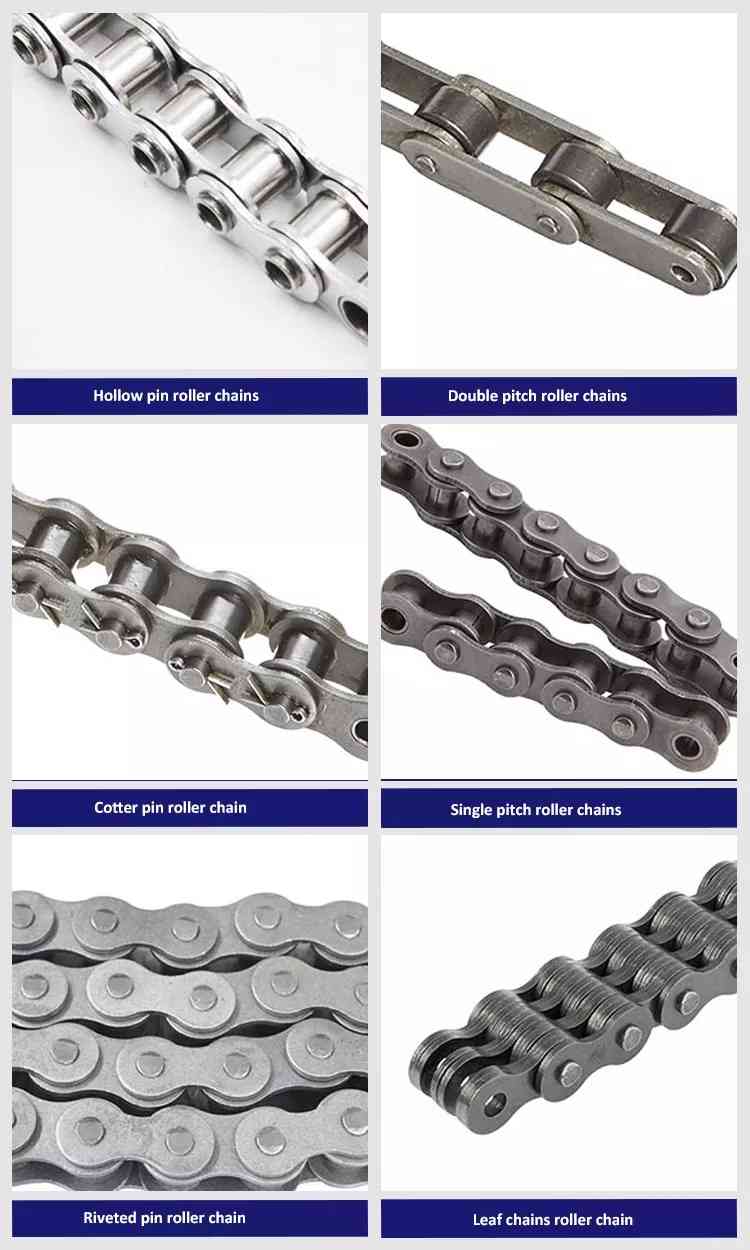
drive chain type
Drive chains are used in a variety of industrial applications. Unlike roller chains, which are more efficient in terms of weight and size, drive chains slide on steel guides. Drive chains are often used for dirty work. Here’s what you need to know about the various types of drive chains. In this article, we’ll look at pin chains, engineered steel chains, bushing roller chains, and timing chains. These types are the most common and the most commonly used.
time chain
There are several factors to consider when deciding which drive chain to buy. What matters is how long the chain will last, as the timing chain will stretch over time. However, they are pre-stretched during manufacture to reduce the risk of stretching. Timing chains can also be noisy compared to toothed belt drives, but rails and chain tensioners can alleviate this problem. Timing chains also wear slower than belts, reducing repair costs.
Timing chains require little maintenance compared to belt drives. When well lubricated, timing chains require little maintenance. The only maintenance really required is checking the engine oil level and following the manufacturer’s recommended service intervals. Timing chains of drive chains are also safer than belt drives and can be dangerous if the toothed belt tears. Also, the timing chain only needs minor repairs and replacements. Garages can purchase complete timing chain kits that contain all the parts needed for repairs.
Drive chains can be equipped with roller chains or timing chains, depending on the load on the engine. The style of the timing chain depends on the type of motor used. However, the roller chain is the most common choice due to its high strength and NVH properties. The roller chain has two tabs pressed into the eyes, and two rollers above them. These components work together to improve engine performance.
Many modern vehicles use timing chains. Timing gears synchronize the camshaft and crankshaft so that the valves open and close at the appropriate times. This is critical to the running quality, power output, and fuel consumption of the engine. The timing chain also reduces the amount of pollution emitted by the vehicle. Over the past two decades, many OEMs have turned to time chains for OHC/DOHC engines.
pin chain
Steel pivot chains feature open barrels to reduce blocking and material buildup. These chains are designed for power transmission and transportation applications, often used in agricultural applications. They can be custom welded using specialized accessories. These chains can be used in agricultural, industrial and municipal applications. Here’s a closer look at each. Read on to learn about the benefits of steel pivot chains.
The Long Pitch Class 700 Pivot Chain is a versatile chain for conveying and lifting products. Its T-head pins fit snugly so dust doesn’t get into the pin holes. It is also constructed with a closed bearing structure to prevent elongation due to wear. Steel pivot chains are designed for high fatigue applications and are versatile.
Engineering Steel Chain
Engineered steel drive chain provides maximum power transfer while minimizing weight. Engineering chains are often used for tough oil drilling operations. Designed for durability and tight tolerances, these chains can be used in a variety of industrial equipment. Whether you need to lift heavy objects or store a lot of items, engineered steel chains will do the job. Read on to learn more about the benefits of engineering chains.
Engineered steel chains consist of links or pin joints with large gaps between the components. The material of these chains is designed to handle abrasives. While many of these chains are used as conveyors, some are designed for drives. You can find these chains on conveyors, forklifts, bucket elevators, oil rigs and more. To get the most out of them, they should be able to withstand the power produced by the prime mover.
The chain can withstand high tensile stresses and is ductile enough to withstand fatigue. The center-to-center distance between the chain and sprockets is between 30% and 50% of the pitch. On smaller sprockets, the arc of contact between the teeth and chain must be at least 120 degrees. The resistance of the chain drive depends on the use environment, including vibration, noise, fatigue strength and other factors.
There are many types of engineering steel drive chains, each with a different function. The most commonly used type is the elevator. Its lift mechanism raises and lowers the carriage. Most cranes are attached to the load with hooks. Another type of chain is the oval link. Its links are welded and the sprocket has receivers for each link. It is used in low speed applications for elevators, chain hoists and anchors in offshore operations.
Bushing Roller Chain
Typically, a bushing roller chain as a drive chain consists of two link assemblies. The inner link consists of two plates held together by two sleeves, while the outer link consists of two plates connected by pins that pass through the inner link. However, there are some differences between bushing roller chains. The main difference is the type of link and the amount of lubrication required. If you want to learn more about bushing roller chains, keep reading.
While roller chains are generally stronger and more durable than bushing chains, they are not immune to wear. During the driving cycle, they lengthen and undergo a process called articulation. The rate at which they elongate depends on the lubrication and load applied to them. The frequency of pin and bushing articulation is also critical. Like other wear parts, the manufacture of critical wear parts requires close attention to detail to ensure optimum performance. Correct raw material selection, part fabrication, and assembly are key factors in achieving optimum performance. Improperly prepared parts can affect wear life and performance.
Consider your application and load distribution when selecting a bushing roller chain as your drive chain. The length of the chain must be between 30 and 50 times its pitch. The arc of contact between the small sprocket teeth must be at least 120 degrees. The resistance of the drive chain depends on the usage environment, which will determine its fatigue strength and vibration level. It’s a good idea to check the chain length before deciding to replace it.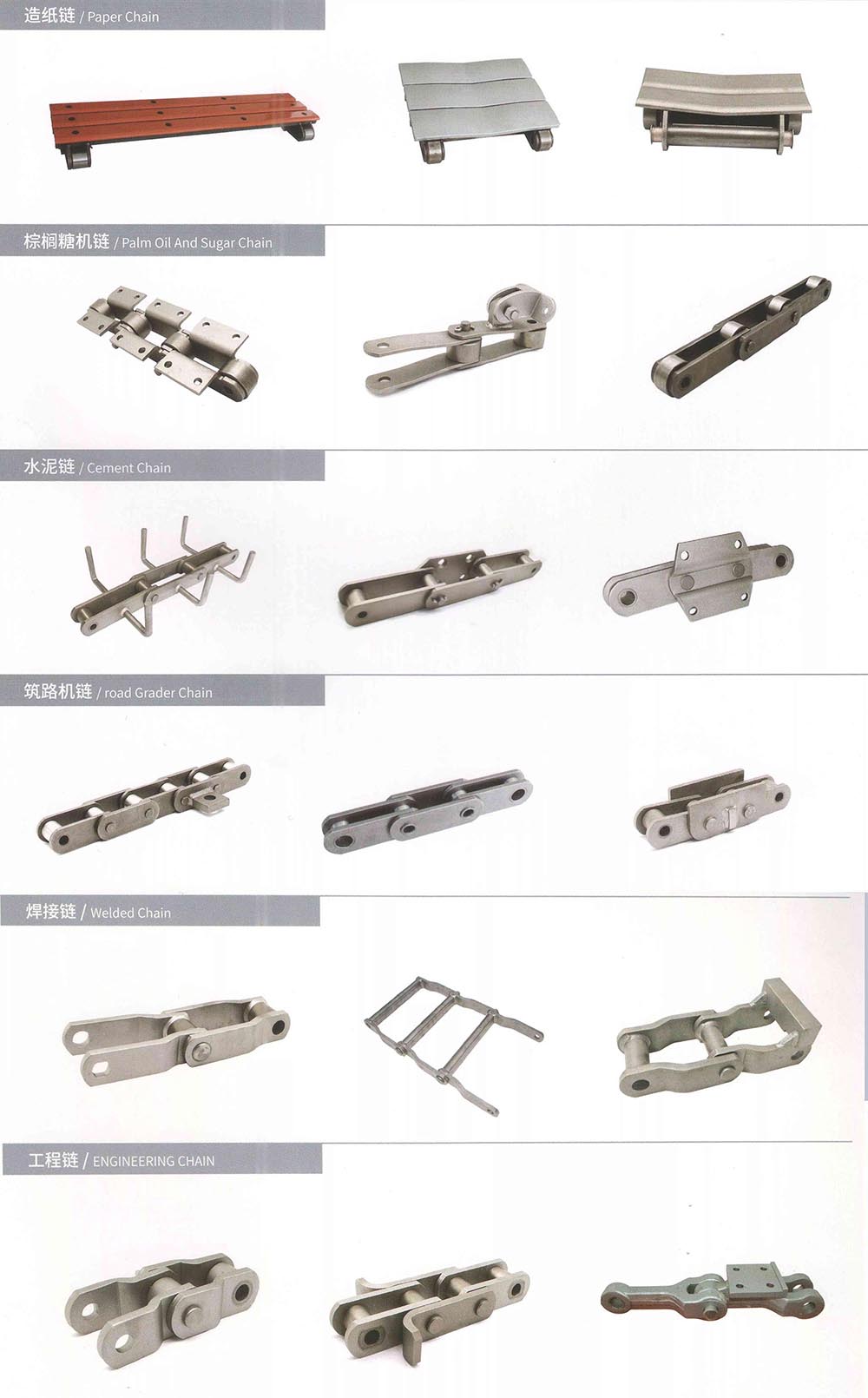
flat top chain
The TSplus flat top drive chain is the most flexible conveying medium on the market today. They can be connected end-to-end to create extended conveyor lines. The side bend design allows it to be used with a variety of conveyor types including inline, snake, and carousel conveyors. These chains are available in a variety of sizes, ranging in width from 3 feet to 20 feet.
A variety of materials are available for flat-top chains, including steel and plastic. Steel chains are ideal for applications requiring wear resistance. They are sturdy and well made. Plastic chains are particularly durable, but not suitable for harsh environments. Stainless steel flat top chains are suitable for a variety of applications, and some manufacturers make them from stainless steel or even aluminum. If your application requires a durable flat top chain, choose a chain made from iwis hardened stainless steel.
Another type of flat-top drive chain is the side bend chain. Suitable for flexible machinery requiring efficient conveying. It is equipped with a single hinge pin or double hinge pin. Either option will do, but each hinge pin has its advantages. Single hinge pin chains are suitable for smaller light-duty conveyors, while double hinge pins are more suitable for medium and heavy-duty applications.
CZPT is a modular flat top chain conveyor system. Its standardized components and modules can be easily integrated into any production process. And because it’s a single track, you can lengthen or shorten it as needed. Its versatile design makes it compatible with other conveyor systems such as belts and sprockets. This monorail modular design allows system lengths up to 40 meters and is compatible with other conveyor systems.
editor by CX 2023-04-20