Product Description
Link chain
Product Description
| Produce name | NACM90 stainless steel 304 welded link chain |
| Place of origin | HangZhou of China |
| Material | Q195, Q235, SS304/316, 20Mn2 |
| Size | 1.6-26mm |
| Load Port | HangZhou or ZheJiang |
| Standard | Ordinary mild short/ medium/ long, DIN763/764/766/5685/5686, ASTM80/NACM90/96, Australian standard, EN818-2 |
| Surface | self-color, electro galvanized, hot dip galvanized, black painted |
| Payment | T/T,Western Union,L/C at Sight |
| Delivery Time | Within 30 days |
| Using Rang | Decoration, Protecton, Lifting, Lashing, Fishing |
| Service | Your inquiry will be replied within 12 hours |
Packaging & Shipping
OUR COMPANY———————————————————————————————————————————————————————————————–
COMPANY ADVANTAGE:
A>. We feel confidence that we can make you satisfied based on our earnest attitude . Everyone of our company must have some professional technology,
then we can well control every step in the producing.
B>. We exported the STEEL WIRE ROPE/LINK CHAIN since 1995. Our products are welcomed in most country,for example,Russia,America,many countries
in Europe. We are well know many local market demand, we can supply defferent standards(US,Europe,JIS,etc) products to various countries.
C>.Our many advanced equipments and technicians are glad to do service for you. Our several professional technicians are with more than 30 years experience.
They can cotrol the excellent quality for you.
OUR CERTIFICATION———————————————————————————————————————————————————————————————–
Contact
- 24 hours on-line service
- Excellent service for pre-sale,on-sale and after-sale
- Expert at our products
- Competitive price with superior higher quality products
- Factory with its own workshop
- Strict test before its delivery
FAQ
Our Advantages
1. High quality & Competitive Price
2. 32 years manufacturing & exporting experience
3. JIS, ISO, BS, DIN ASTM Standards
4. Fast delivery & Fewer MOQ
5. Professional after-sale Stuff
We can transfer the sample to you freely according to your needs via (Fedex, DHL, EMS)
Shipment:
1. Generally we ship goods by sea in 20FT or 40HQ container.
2. Generally the delivery time is around 20days after your deposite.
Payment:
1. Usually we accept based on T/T, L/C: T/T 30% deposit, 70% balance against B/L copy; L/C at sight
2. T/T, L/C, D/P, D/A, West Union, Moneygram, Escrow, Other
3. Price term: FOB & CIF
/* May 10, 2571 16:49:51 */!function(){function d(e,r){var a,o={};try{e&&e.split(“,”).forEach(function(e,t){e&&(a=e.match(/(.*?):(.*)$/))&&1

Are there any alternatives to gripper chains for conveying and gripping applications?
In addition to gripper chains, there are several alternatives available for conveying and gripping applications. These alternatives offer different mechanisms and technologies to achieve similar results. Here are some common alternatives to gripper chains:
- Belt Conveyors: Belt conveyors use a continuous loop of flexible material, typically made of rubber or fabric, to transport products. They are commonly used for bulk material handling and can be equipped with gripping attachments or specialized belts for specific gripping applications.
- Vacuum Conveyors: Vacuum conveyors use suction to hold and transport products. They are suitable for handling lightweight or fragile items and offer precise control over product positioning. Vacuum grippers can be attached to the conveyor system to securely hold products.
- Pneumatic Grippers: Pneumatic grippers utilize compressed air to grip and manipulate products. They are often used in applications that require fast and precise gripping, such as pick-and-place operations. Pneumatic grippers can be integrated into conveyor systems for effective product handling.
- Magnetic Conveyors: Magnetic conveyors utilize magnetic fields to attract and move ferrous materials. They are commonly used in applications where precise control and orientation of magnetic objects are required. Magnetic grippers can be employed to grip and manipulate products along the conveyor.
- Robotic Arms: Robotic arms offer high flexibility and versatility in conveying and gripping applications. They are capable of complex movements and can be programmed to handle a wide range of products. Robotic arms are often used in automated manufacturing processes for precise and customizable gripping tasks.
The choice of alternative solutions depends on various factors such as the specific application requirements, product characteristics, desired level of automation, and available budget. Each alternative has its own advantages and considerations, and manufacturers need to evaluate the specific needs of their application to determine the most suitable solution.

Can gripper chains be used in food processing or packaging industries?
Gripper chains can indeed be used in food processing and packaging industries, but there are specific considerations and requirements to ensure compliance with food safety standards. Here are some key points to consider:
1. Food-Grade Materials: Gripper chains used in food-related applications must be made of food-grade materials such as stainless steel or plastic that are resistant to corrosion and can withstand frequent cleaning and sanitization.
2. Hygienic Design: Gripper chains should have a hygienic design with smooth surfaces, minimal crevices, and easy-to-clean components. This helps prevent the accumulation of food particles, bacteria, and other contaminants.
3. Easy Disassembly and Cleaning: The design of the gripper chains should facilitate easy disassembly and reassembly for thorough cleaning and sanitization. Quick-release mechanisms and accessible parts make the cleaning process more efficient.
4. Sanitary Conveying: Gripper chains should be used in conjunction with conveyors designed for food processing and packaging. These conveyors should have features like washdown capabilities, food-grade belts, and appropriate sanitation protocols to ensure the overall cleanliness of the system.
5. Compliance with Regulations: It is crucial to comply with relevant food safety regulations, such as the Food Safety Modernization Act (FSMA) in the United States or equivalent regulations in other countries. This includes maintaining records of cleaning and sanitation procedures, implementing proper pest control measures, and conducting regular inspections.
6. Quality Control: Implement quality control measures to ensure the integrity and safety of the gripper chains and related equipment. This includes routine inspections, testing for contamination or foreign objects, and maintaining proper documentation.
7. Training and Awareness: Train employees on food safety practices, including proper handling of gripper chains, maintaining hygiene, and following established protocols. Regularly reinforce the importance of food safety and provide refresher training as needed.
It is essential to work closely with reputable suppliers and industry experts to select and maintain gripper chains that meet the specific requirements of the food processing and packaging industries. Adhering to stringent food safety standards helps ensure the production of safe and high-quality food products.

How do you select the right gripper chain for a specific application?
Choosing the right gripper chain for a specific application involves considering several factors to ensure optimal performance and reliability. Here’s a detailed answer:
- Load Capacity: Evaluate the maximum weight and size of the items to be gripped and transported by the chain. Select a gripper chain that can safely handle the anticipated load without excessive strain.
- Gripping Method: Determine the preferred gripping method for your application, such as clamping, pinching, or suction. Ensure the gripper chain design aligns with the desired gripping mechanism.
- Speed and Precision: Consider the required speed and precision of item handling. Some gripper chains are designed for high-speed applications, while others offer more precise positioning capabilities.
- Environmental Conditions: Evaluate the operating environment for factors such as temperature, humidity, dust, or chemical exposure. Choose a gripper chain that is resistant to corrosion, abrasion, and other environmental challenges.
- Chain Material: Select a chain material that is suitable for the application’s requirements. Common materials include stainless steel for its corrosion resistance, carbon steel for general-purpose applications, and specialty plastics for lightweight and non-marring applications.
- Chain Size and Configuration: Determine the appropriate chain size based on the anticipated load and gripping requirements. Consider factors such as chain pitch, link width, and overall chain length. Additionally, select the appropriate gripper configuration, such as finger-style, jaw-style, or custom-designed grippers.
- Compatibility: Ensure compatibility between the gripper chain and the associated equipment, such as conveyor systems, robotic arms, or gripper mechanisms. Consider factors such as mounting options, attachment methods, and integration with existing equipment.
- Maintenance and Serviceability: Evaluate the ease of maintenance and serviceability of the gripper chain. Look for features such as removable or replaceable gripper fingers, accessible lubrication points, and ease of chain tension adjustment.
By considering these factors and consulting with gripper chain manufacturers or suppliers, you can select the right gripper chain that meets the specific requirements of your application, ensuring efficient and reliable item handling and gripping.
<img src="https://img.hzpt.com/img/chain/chain-l1.webp" alt="China wholesaler AISI 316L DIN5685 Stainless Steel Short Round Link Chain CZPT Welded Chain “><img src="https://img.hzpt.com/img/chain/chain-l2.webp" alt="China wholesaler AISI 316L DIN5685 Stainless Steel Short Round Link Chain CZPT Welded Chain “>
editor by lmc 2024-10-22
China supplier Wholesale Custom High Quality Us Type Welded Stainless Steel Link Chain
Product Description
Zinc Plated DIN764 Medium Link Chain/Welded Link Chain/Steel Chian
Quick Details
| e | inside length | inside width | outside width | length per11 links | Test Load | Breaking Load |
Weight per 100m |
| mm | mm | mm | mm | mm | kg | nk | kg |
| 4 | 16 | 5 | 14 | 176 | 400 | 7 | 31.3 |
| 5 | 18 | 7 | 18.2 | 198 | 680 | 11.8 | 51.4 |
| 6 | 21 | 8 | 21.5 | 231 | 850 | 16.5 | 74.0 |
| 8 | 28 | 11 | 29 | 308 | 1680 | 32 | 131.5 |
| 10 | 35 | 14 | 36 | 385 | 2630 | 50 | 200 |
| 12 | 42 | 16 | 41 | 462 | 3680 | 70 | 298 |
| 13 | 45 | 18 | 47 | 495 | 4200 | 80 | 350 |
| 14 | 49 | 20 | 48 | 539 | 4830 | 92 | 406 |
| 16 | 56 | 22 | 58 | 616 | 6700 | 125 | 520 |
| 18 | 63 | 24 | 65 | 693 | 8400 | 160 | 650 |
| 20 | 70 | 27 | 72 | 770 | 10000 | 200 | 820 |
| 23 | 80 | 31 | 83 | 880 | 13000 | 250 | 1100 |
| 26 | 91 | 35 | 94 | 1001 | 16000 | 320 | 1400 |
Electrically Galvanized Hot DIP Galvanized Chain
| Product name | Factory Sale DIN764 Welded Stainless Steel/Carbon Steel Medium Link Chain |
| Place of origin | ZheJiang of china |
| Brand | Wanda |
| Material | Stainless Steel Chain 304/316/316L/Carbon Steel |
| Size | 4-23MM |
| Ports | ZheJiang Port |
| Standard | Din763 |
| Sample | The sample is free,the freight should on your account before your first order |
| Surface | Polished |
| Payment term | T/T, Western Union or L/C at sight |
| Delivery time | Usually with 15-30 days according to your required size&quantity |
| Using range | 1.Decoration;Protection;Lifting;Traction 2.Fishing&boat chain;Mine chain; Cement lifting round chain |
| Service | Your inquiry will be replied within 12 hours |
Zinc Plated DIN764 Medium Link Chain/Welded Link Chain/Steel Chian
/* January 22, 2571 19:08:37 */!function(){function s(e,r){var a,o={};try{e&&e.split(“,”).forEach(function(e,t){e&&(a=e.match(/(.*?):(.*)$/))&&1
| Usage: | Dedicated Special Chain |
|---|---|
| Material: | Stainless steel |
| Surface Treatment: | Polishing |
| Feature: | Oil Resistant |
| Chain Size: | 1/2"*3/32" |
| Structure: | Welded Chain |
| Samples: |
US$ 50/Piece
1 Piece(Min.Order) | |
|---|
| Customization: |
Available
| Customized Request |
|---|

What are the factors to consider when designing a gripper chain system?
Designing a gripper chain system involves considering various factors to ensure optimal performance and functionality. Here are some key factors to consider:
- Application requirements: Understand the specific requirements of the application, including the type of product to be conveyed or gripped, the desired speed and throughput, the environmental conditions, and any regulatory or industry-specific standards that need to be met.
- Load capacity: Determine the maximum load the gripper chain system needs to handle. Consider the weight, size, and shape of the products to be conveyed or gripped, as well as any dynamic or impact loads that may be present.
- Gripping mechanism: Choose the appropriate gripper elements or attachments based on the product characteristics and the required grip strength. Consider factors such as grip surface area, material compatibility, and the ability to release the product smoothly and accurately.
- Chain configuration: Select the appropriate chain type, pitch, and width based on the load requirements, speed, and available space. Consider factors such as the desired conveying or gripping motion, the required flexibility, and the overall system layout.
- Material selection: Choose materials for the chain links, gripper elements, and other components that are compatible with the product being conveyed or gripped, as well as the operating environment. Consider factors such as corrosion resistance, wear resistance, and the ability to withstand any temperature or chemical exposures.
- System integration: Ensure proper integration of the gripper chain system with the overall conveyor or handling equipment. Consider factors such as the sprocket design, drive mechanism, tensioning system, and any automation or control requirements.
- Maintenance and durability: Consider the ease of maintenance, accessibility for cleaning, and the expected lifespan of the gripper chain system. Choose components that are durable and reliable to minimize downtime and maximize operational efficiency.
It is crucial to work closely with experienced engineers, conveyor system manufacturers, or suppliers specializing in gripper chain systems to ensure the design meets the specific requirements of the application and delivers optimal performance and reliability.

Are gripper chains suitable for vertical lifting applications?
Gripper chains are generally not recommended for vertical lifting applications due to their design and functionality. Gripper chains are primarily designed for conveying and gripping items in horizontal or slightly inclined orientations. Here are some factors to consider:
1. Gripper Attachment Orientation: Gripper chains are designed to grip items from the sides or top, relying on the force of gravity to maintain the grip. In a vertical lifting application, the force acting on the grippers would be in the opposite direction, potentially causing the items to slip or disengage from the grippers.
2. Gripper Holding Capacity: Gripper chains are typically designed to hold items against the force of gravity while being transported horizontally. The gripping mechanism may not be optimized for lifting heavy loads vertically. The weight of the lifted items can put excessive stress on the gripper attachments and compromise their gripping ability.
3. Control and Stability: Vertical lifting applications often require precise control and stability to ensure safe and accurate positioning of the lifted items. Gripper chains may not provide the necessary level of control and stability for vertical lifting, as their design primarily focuses on horizontal conveying rather than vertical lifting.
In applications that involve vertical lifting, alternative lifting mechanisms such as hoists, lifts, or specialized lifting chains are typically more suitable and designed specifically for vertical load handling. These systems offer enhanced lifting capabilities, control, and safety features required for vertical lifting operations.
Therefore, while gripper chains excel in horizontal conveying applications, they are not the optimal choice for vertical lifting. It is important to select the appropriate lifting mechanism based on the specific requirements and considerations of the vertical lifting application.
How do you select the right gripper chain for a specific application?
Choosing the right gripper chain for a specific application involves considering several factors to ensure optimal performance and reliability. Here’s a detailed answer:
- Load Capacity: Evaluate the maximum weight and size of the items to be gripped and transported by the chain. Select a gripper chain that can safely handle the anticipated load without excessive strain.
- Gripping Method: Determine the preferred gripping method for your application, such as clamping, pinching, or suction. Ensure the gripper chain design aligns with the desired gripping mechanism.
- Speed and Precision: Consider the required speed and precision of item handling. Some gripper chains are designed for high-speed applications, while others offer more precise positioning capabilities.
- Environmental Conditions: Evaluate the operating environment for factors such as temperature, humidity, dust, or chemical exposure. Choose a gripper chain that is resistant to corrosion, abrasion, and other environmental challenges.
- Chain Material: Select a chain material that is suitable for the application’s requirements. Common materials include stainless steel for its corrosion resistance, carbon steel for general-purpose applications, and specialty plastics for lightweight and non-marring applications.
- Chain Size and Configuration: Determine the appropriate chain size based on the anticipated load and gripping requirements. Consider factors such as chain pitch, link width, and overall chain length. Additionally, select the appropriate gripper configuration, such as finger-style, jaw-style, or custom-designed grippers.
- Compatibility: Ensure compatibility between the gripper chain and the associated equipment, such as conveyor systems, robotic arms, or gripper mechanisms. Consider factors such as mounting options, attachment methods, and integration with existing equipment.
- Maintenance and Serviceability: Evaluate the ease of maintenance and serviceability of the gripper chain. Look for features such as removable or replaceable gripper fingers, accessible lubrication points, and ease of chain tension adjustment.
By considering these factors and consulting with gripper chain manufacturers or suppliers, you can select the right gripper chain that meets the specific requirements of your application, ensuring efficient and reliable item handling and gripping.


editor by CX 2024-04-09
China factory Welded Stainless Steel Link Chain for Sale
Product Description
Product Parameters
MEDIUM LINK CHAIN
| LINK SPECIFICATION | TEST LOAD | BREAKING LOAD | NET WT PER 200F(KG) | ||||
| D | L | W | |||||
| IN | MM | MM | MM | KG | KG | B.F | H.D.G |
| 1/8 | 3.20 | 20 | 12 | 200 | 400 | 10.80 | 11.00 |
| 5/32 | 4.00 | 23 | 15 | 300 | 600 | 17.40 | 18.00 |
| 3/16 | 4.70 | 25 | 18 | 400 | 800 | 24.40 | 25.00 |
| 7/32 | 5.50 | 26 | 19 | 550 | 1100 | 34.00 | 35.00 |
| 1/4 | 6.35 | 26 | 23 | 750 | 1500 | 48.80 | 50.00 |
| 5/16 | 7.94 | 32 | 29 | 1200 | 2400 | 76.00 | 78.00 |
| 3/8 | 9.50 | 35 | 35 | 1700 | 3400 | 111.00 | 114.00 |
| 7/16 | 11.11 | 38 | 38 | 2300 | 4600 | 154.00 | 158.00 |
| 1/2 | 12.70 | 50 | 45.5 | 3000 | 6000 | 194.00 | 200.00 |
| 5/8 | 15.80 | 60 | 56.7 | 4700 | 9400 | 303.00 | 312.00 |
| 3/4 | 19.00 | 76 | 69 | 6800 | 13600 | 432.00 | 445.00 |
| 7/8 | 22.20 | 90 | 80 | 9250 | 18500 | 586.00 | 603.00 |
| 1 | 25.40 | 105 | 95 | 12150 | 24300 | 770.00 | 792.0 |
Product Description
Link Chain
DIN763, DIN766, Norwegian standard link chain,Korean standard link chain, us type standard double loop chain,
DIN5686 knotted chain,Japanese standard, Korean standard link chain, ASTM80 standard link chain, and so on.
We have in this line for many years. We sincerely hope to establish long and stable business cooperations
with your company.We confirm you good quality, best price, best service and punctual delivery time.
If you have any inquirys in our line, please feel free to contact us.We will try all our best to support you.
Product category
We can offer u all kinds of link chain:
1)DIN5685A/C,DIN764,DIN763,DIN766,DIN5686 Link Chain
2)Ordinary Short,Medium Link Chain
3)Korean Standard Link Chain
4)ASTM80 Standard Link Chain
5)Norwegian Standard Link Chain
6)Australian Standard Link Chain
7)NACM1990 Standard Link Chain
8)NACM1996/2003 Standard Link Chain
9)Animal Link Chain
10)Stainless Steel Link Chain
11)Weldless Link Chain
12)G80 Link Chain
13)G43 Link Chain
FAQ
BUSINESS FAQ:
1) What is the MIN order quantity ?
usually 1 ton.
2)What is the delivery time?
15 -20 days since received the deposit.
3)What is the Payment term?
A. 20% in advance ,80% in bill of lading
B. Irrevocable L/C at sight.
C. Other payment can be negotiated.
4)Could I get free samples before first cooperation?
Yes, of course! But the buyer need to afford express fee, which is returnable once we build cooperation.
5)What’s the packing method?
5/50 kg 1 Gunny bag, several bags on 1
Pallet(500kg 1 iron drum, 2drums on a iron
Pallet; Plastic drum+pallet; Plastic/wooden
Roll+pallet.Special packages are available CHINAMFG customers’need. You can contact us for special or more detailed packages.
OEM is acceptable, we can make the sizes as your request!
/* January 22, 2571 19:08:37 */!function(){function s(e,r){var a,o={};try{e&&e.split(“,”).forEach(function(e,t){e&&(a=e.match(/(.*?):(.*)$/))&&1
| Usage: | Transmission Chain, Drag Chain, Conveyor Chain, Dedicated Special Chain, Link Chain, Dragging, Safety, General Use |
|---|---|
| Material: | Iron |
| Surface Treatment: | Electroplating |
| Samples: |
US$ 0/Meter
1 Meter(Min.Order) | Order Sample |
|---|
.shipping-cost-tm .tm-status-off{background: none;padding:0;color: #1470cc}
|
Shipping Cost:
Estimated freight per unit. |
about shipping cost and estimated delivery time. |
|---|
| Payment Method: |
|
|---|---|
|
Initial Payment Full Payment |
| Currency: | US$ |
|---|
| Return&refunds: | You can apply for a refund up to 30 days after receipt of the products. |
|---|
What are the key components of a gripper chain system?
A gripper chain system consists of several key components that work together to facilitate the gripping and conveying of items. These components include:
- Gripper Chain: The gripper chain itself is the central component of the system. It is a continuous loop of interconnected links, typically made of metal or plastic. The chain features integrated grippers or attachments that securely hold and transport items during the conveying process.
- Gripper Attachments: Gripper attachments are the specialized components attached to the chain at regular intervals. They come in various shapes and designs, depending on the application requirements. Gripper attachments are responsible for gripping and releasing the items being conveyed.
- Drive System: The drive system consists of the motor, gearbox, and other power transmission components that provide the necessary driving force to move the gripper chain. It ensures smooth and controlled motion of the chain throughout the conveying process.
- Tensioning System: To maintain proper tension and prevent slack in the gripper chain, a tensioning system is used. It typically includes tensioning devices such as tensioners, idlers, or tensioning sprockets that help keep the chain taut and ensure reliable operation.
- Support Structure: The gripper chain system requires a support structure to hold and guide the chain along the desired conveying path. This structure may include guide rails, support brackets, and other components that provide stability and alignment for the chain.
- Control System: The control system includes sensors, actuators, and a programmable logic controller (PLC) or a computerized control unit. It regulates the speed, direction, and operation of the gripper chain system, allowing for precise control and coordination of the conveying process.
- Safety Features: Gripper chain systems often incorporate safety features to protect operators and prevent accidents. These features may include emergency stop buttons, safety interlocks, protective enclosures, and sensors to detect any abnormalities or hazards during operation.
By combining these key components, gripper chain systems provide efficient and reliable conveying of items in a wide range of industrial applications.
Are there any safety considerations when working with gripper chains?
Working with gripper chains requires adherence to safety protocols to prevent accidents and ensure the well-being of personnel. Here are some important safety considerations:
1. Training and Education: Ensure that operators and maintenance personnel receive proper training on the safe use, handling, and maintenance of gripper chains. They should be familiar with the equipment’s operation, safety procedures, and emergency protocols.
2. Protective Equipment: Personnel working with gripper chains should wear appropriate personal protective equipment (PPE) such as safety glasses, gloves, and protective clothing. This safeguards against potential hazards like sharp edges, pinch points, or flying debris.
3. Lockout/Tagout Procedures: Implement lockout/tagout procedures when performing maintenance or repair tasks on equipment involving gripper chains. This ensures that machinery is de-energized and cannot be accidentally started, reducing the risk of injury.
4. Machine Guarding: Install proper machine guarding to prevent accidental contact with moving parts, including gripper chains. Use barriers, shields, or enclosures to minimize the risk of injury caused by inadvertent contact.
5. Proper Lifting Techniques: When handling heavy gripper chains or related components, employ proper lifting techniques to avoid strains or injuries. Use lifting equipment, such as cranes or hoists, if necessary.
6. Regular Inspections: Conduct routine inspections of gripper chains to identify any signs of wear, damage, or misalignment. Address any issues promptly to prevent accidents or equipment failure.
7. Safe Work Practices: Follow safe work practices, such as keeping hands and clothing clear of moving parts, avoiding reaching into the machinery during operation, and using tools or equipment only for their intended purposes.
8. Emergency Preparedness: Have clear emergency procedures in place, including evacuation plans and access to first aid kits. Train personnel on emergency response protocols and ensure that they are aware of emergency stop buttons or switches.
9. Read and Follow Manuals: Familiarize yourself with the manufacturer’s instructions, safety guidelines, and warnings provided in the equipment manuals. Adhere to their recommendations and limitations.
It is essential to prioritize safety when working with gripper chains to mitigate potential risks and create a safe working environment for all personnel involved.
What are the common applications of gripper chains?
Gripper chains find application in various industries where precise control and secure gripping of items during transportation or assembly processes are required. Here’s a detailed answer:
- Automotive Industry: Gripper chains are used in automotive manufacturing processes for tasks such as transferring components along assembly lines, controlling the position of parts during painting or surface treatment, and guiding items through robotic workstations.
- Electronics Industry: Gripper chains are utilized in electronics manufacturing for handling delicate electronic components during assembly, PCB (Printed Circuit Board) testing and inspection, and guiding items through automated processes.
- Food and Beverage Industry: Gripper chains are employed in food processing and packaging systems to control the movement and positioning of products on conveyors, ensuring proper alignment, packaging, and labeling.
- Pharmaceutical Industry: Gripper chains are used in pharmaceutical manufacturing for precise handling and control of vials, bottles, blister packs, or other medication containers during filling, capping, labeling, and packaging processes.
- Logistics and Distribution: Gripper chains play a role in logistics and distribution centers, facilitating the sorting, routing, and handling of packages and parcels on conveyor systems.
- Textile Industry: Gripper chains are utilized in textile machinery to control the movement and tension of fabrics during weaving, knitting, or printing processes.
- Printing and Packaging Industry: Gripper chains find application in printing presses and packaging machines to hold and control the movement of paper, cardboard, or other materials during printing, cutting, folding, or packaging operations.
These are just a few examples of the common applications of gripper chains. The versatility and customizable nature of gripper chains make them suitable for various industries where precise item control, positioning, and secure gripping are essential for efficient and reliable processes.
editor by CX 2024-04-08
China Good quality Wholesale Custom High Quality Us Type Welded Stainless Steel Link Chain
Product Description
Zinc Plated DIN764 Medium Link Chain/Welded Link Chain/Steel Chian
Quick Details
| e | inside length | inside width | outside width | length per11 links | Test Load | Breaking Load |
Weight per 100m |
| mm | mm | mm | mm | mm | kg | nk | kg |
| 4 | 16 | 5 | 14 | 176 | 400 | 7 | 31.3 |
| 5 | 18 | 7 | 18.2 | 198 | 680 | 11.8 | 51.4 |
| 6 | 21 | 8 | 21.5 | 231 | 850 | 16.5 | 74.0 |
| 8 | 28 | 11 | 29 | 308 | 1680 | 32 | 131.5 |
| 10 | 35 | 14 | 36 | 385 | 2630 | 50 | 200 |
| 12 | 42 | 16 | 41 | 462 | 3680 | 70 | 298 |
| 13 | 45 | 18 | 47 | 495 | 4200 | 80 | 350 |
| 14 | 49 | 20 | 48 | 539 | 4830 | 92 | 406 |
| 16 | 56 | 22 | 58 | 616 | 6700 | 125 | 520 |
| 18 | 63 | 24 | 65 | 693 | 8400 | 160 | 650 |
| 20 | 70 | 27 | 72 | 770 | 10000 | 200 | 820 |
| 23 | 80 | 31 | 83 | 880 | 13000 | 250 | 1100 |
| 26 | 91 | 35 | 94 | 1001 | 16000 | 320 | 1400 |
Electrically Galvanized Hot DIP Galvanized Chain
| Product name | Factory Sale DIN764 Welded Stainless Steel/Carbon Steel Medium Link Chain |
| Place of origin | ZheJiang of china |
| Brand | Wanda |
| Material | Stainless Steel Chain 304/316/316L/Carbon Steel |
| Size | 4-23MM |
| Ports | ZheJiang Port |
| Standard | Din763 |
| Sample | The sample is free,the freight should on your account before your first order |
| Surface | Polished |
| Payment term | T/T, Western Union or L/C at sight |
| Delivery time | Usually with 15-30 days according to your required size&quantity |
| Using range | 1.Decoration;Protection;Lifting;Traction 2.Fishing&boat chain;Mine chain; Cement lifting round chain |
| Service | Your inquiry will be replied within 12 hours |
Zinc Plated DIN764 Medium Link Chain/Welded Link Chain/Steel Chian
| Usage: | Dedicated Special Chain |
|---|---|
| Material: | Stainless steel |
| Surface Treatment: | Polishing |
| Feature: | Oil Resistant |
| Chain Size: | 1/2"*3/32" |
| Structure: | Welded Chain |
| Samples: |
US$ 50/Piece
1 Piece(Min.Order) | |
|---|
| Customization: |
Available
| Customized Request |
|---|
Are there any alternatives to gripper chains for conveying and gripping applications?
In addition to gripper chains, there are several alternatives available for conveying and gripping applications. These alternatives offer different mechanisms and technologies to achieve similar results. Here are some common alternatives to gripper chains:
- Belt Conveyors: Belt conveyors use a continuous loop of flexible material, typically made of rubber or fabric, to transport products. They are commonly used for bulk material handling and can be equipped with gripping attachments or specialized belts for specific gripping applications.
- Vacuum Conveyors: Vacuum conveyors use suction to hold and transport products. They are suitable for handling lightweight or fragile items and offer precise control over product positioning. Vacuum grippers can be attached to the conveyor system to securely hold products.
- Pneumatic Grippers: Pneumatic grippers utilize compressed air to grip and manipulate products. They are often used in applications that require fast and precise gripping, such as pick-and-place operations. Pneumatic grippers can be integrated into conveyor systems for effective product handling.
- Magnetic Conveyors: Magnetic conveyors utilize magnetic fields to attract and move ferrous materials. They are commonly used in applications where precise control and orientation of magnetic objects are required. Magnetic grippers can be employed to grip and manipulate products along the conveyor.
- Robotic Arms: Robotic arms offer high flexibility and versatility in conveying and gripping applications. They are capable of complex movements and can be programmed to handle a wide range of products. Robotic arms are often used in automated manufacturing processes for precise and customizable gripping tasks.
The choice of alternative solutions depends on various factors such as the specific application requirements, product characteristics, desired level of automation, and available budget. Each alternative has its own advantages and considerations, and manufacturers need to evaluate the specific needs of their application to determine the most suitable solution.

What are the maintenance requirements for gripper chains?
Maintaining gripper chains is essential to ensure their optimal performance and longevity. Here’s a detailed explanation of the maintenance requirements:
1. Regular Cleaning: Gripper chains should be cleaned regularly to remove any debris, dirt, or accumulated residues that can affect their operation. Use a mild detergent or cleaning solution and a brush to clean the chain links, gripper fingers, and jaws. Rinse thoroughly and dry before reinstallation.
2. Inspect for Wear and Damage: Regularly inspect the gripper chains for signs of wear, damage, or deformation. Check for any broken or worn gripper fingers, damaged chain links, or misalignment. Replace any worn or damaged components promptly to prevent further issues.
3. Lubrication: Proper lubrication is essential for smooth operation and reduced friction. Apply lubricant to the chain links and gripper fingers/jaws according to the manufacturer’s recommendations. Use a lubricant specifically designed for high-load and conveyor applications.
4. Tension Adjustment: Check the tension of the gripper chains regularly. Ensure that they are properly tensioned to prevent excessive slack or over-tightening, which can affect the gripping performance and lifespan of the chains. Adjust the tension as needed according to the manufacturer’s guidelines.
5. Replace Worn Components: As gripper chains are subjected to wear during operation, it’s important to monitor the condition of the gripper fingers, jaws, and chain links. Replace any worn or damaged components promptly to maintain the chain’s performance and grip strength.
6. Monitor Alignment: Check the alignment of the gripper chains to ensure they are properly aligned with the sprockets. Misalignment can cause premature wear and reduce the effectiveness of the gripping action. Adjust the alignment as necessary.
7. Operational Environment: Consider the operating environment and take appropriate measures to protect the gripper chains from excessive moisture, extreme temperatures, or exposure to corrosive substances. Implement proper guarding and regular inspections to prevent foreign objects from entering the chain assembly.
8. Follow Manufacturer’s Guidelines: Always refer to the manufacturer’s guidelines and recommendations for specific maintenance procedures, lubrication intervals, and any special considerations for the gripper chains in your particular application.
By following these maintenance requirements, you can ensure that your gripper chains remain in optimal condition, providing reliable gripping performance and prolonging their lifespan.

What are the advantages of using a gripper chain in conveyor systems?
Using a gripper chain in conveyor systems offers several advantages that enhance the efficiency and effectiveness of material handling processes. Here are the detailed benefits:
- Improved Grip: Gripper chains are specifically designed to provide a secure grip on items being transported. They utilize gripper fingers or jaws that can securely hold various shapes, sizes, and weights of objects, minimizing the risk of slippage or product damage during transportation.
- Versatile Handling: Gripper chains offer versatility in handling different types of items. They can effectively handle products with irregular shapes, delicate surfaces, or varying dimensions, ensuring reliable and stable transport throughout the conveyor system.
- Flexible Application: Gripper chains can be utilized in various industries and applications, including packaging, assembly lines, automotive, pharmaceuticals, and food processing. Their adaptability makes them suitable for a wide range of product types and conveyor configurations.
- Accurate Positioning: Gripper chains enable precise positioning of items along the conveyor system. The gripper fingers or jaws can be designed to open and close at specific points, allowing for accurate placement or transfer of products onto subsequent conveyors or workstations.
- High Throughput: Gripper chains can facilitate high-speed conveying operations, ensuring efficient material flow and increased productivity. Their reliable grip and quick release mechanisms enable rapid item transfer, reducing cycle times and maximizing throughput.
- Reduced Product Damage: The secure grip provided by gripper chains minimizes the risk of product damage during transportation. The gripper fingers or jaws can be designed with materials or coatings that prevent marring or scratching delicate surfaces, ensuring the integrity and quality of the transported items.
- Enhanced Safety: Gripper chains enhance safety in conveyor systems by reducing the likelihood of items falling or becoming dislodged during transportation. This helps prevent accidents, product losses, and disruptions in the production process.
- Easy Integration: Gripper chains can be easily integrated into existing conveyor systems or customized to meet specific application requirements. They can be designed to fit various conveyor widths, pitches, and attachment methods, allowing for seamless integration and compatibility.
- Durable and Reliable: Gripper chains are built to withstand the rigors of industrial environments. They are constructed from high-quality materials such as stainless steel or hardened carbon steel, ensuring durability, longevity, and reliable performance even in demanding operating conditions.
By utilizing gripper chains in conveyor systems, businesses can achieve efficient, precise, and reliable material handling, leading to improved productivity, reduced product damage, and enhanced overall operational efficiency.
editor by CX 2023-08-08
China high quality G100 CZPT Blue / Black / Red Alloy Steel Welded Lifting Chain En818-8 En818-2 roller chain breaking tool
Product Description
HangZhou Well Done Imp.&Exp. Co., Ltd —Chinese Manufacturer, Supplier, Factory.
An ISO 9001 certified firm, Lloyd’s register, specializes in the field of lifting and hoisting equipment, webbing and round sling, ratchet tie down, lashing equipment and cargo control series,
chain and chain sling, wire rope and wire rope sling, material handling, rigging hardware,etc.
Specification:
Application:
Factory/Pakage/Products picture
Customer praise and trade documents
Certifications
FAQ:
1.Can I be your agent?
Yes, welcome to deep cooperation. We have big promotion of WELLDONE brand in the market now. For the details please contact with our overseas manager.
2.Is OEM available?
Yes, OEM is available. We have professional designer to help your brand promotion.
3.Is the sample available?
Yes, samples are available for you to test the quality.
4.Are the products tested before shipping?
Yes, all of our products was qualified before shipping.
5.What’s your quality guarantee?
We have different kinds of products which can meet different quality standard.
WELLDONE QC department will test products before shipping. We have 100% quality guarantee to customers.
We will be responsible for any quality problem.
6.What’s benefit will you bring?
Your client satisfied on the quality.
Your client continued orders.
You can get good reputation from your market and obtain more orders.
|
Shipping Cost:
Estimated freight per unit. |
To be negotiated|
|
|---|
| Usage: | Lifting & Lashing Chain |
|---|---|
| Material: | Alloy |
| Surface Treatment: | Black Painted, Hot DIP Galvanized |
| Samples: |
US$ 0/Piece
1 Piece(Min.Order) | Order Sample |
|---|
| Customization: |
Available
| Customized Request |
|---|
Roller Chain Maintenance Tips
There are many things to keep in mind when maintaining a roller chain. The main reasons include friction and external influences. Without proper lubrication and adjustment, such chains will wear prematurely. Here are some tips for keeping your roller chain in top shape. continue reading! This will make your process easier. We will also discuss the cost of the new roller chain. As always, remember to check for loose ends and adjust the chain regularly.
Preloading
Roller chains are designed to accommodate many different types of loads. Sprockets are the main cause of chain wear. Axial and angular misalignment occurs when the sprocket faces are not properly aligned. Both types of misalignment increase stress and wear on the roller chain. They can also negatively affect the drive. Therefore, choosing the right chain is an important consideration.
Preloading helps to eliminate initial elongation and extend service life. The benefits of preloading can be seen in the preloading chart. Significant elongation occurs during drive startup with no or minimal preload. This is due to the surface hardness of the worn parts. On the other hand, a properly preloaded chain shows little elongation during the initial start. Therefore, proper preload can prolong wear life.
Although elongation is a natural phenomenon in any drive, it can be minimized or eliminated with proper maintenance. In addition to regular inspections, you should do a full inspection of your chain after the first hundred hours. This inspection should focus on key life factors such as 3% elongation, how the chain is lubricated, and any other issues that may affect life. A good quality chain should have the longest life and no problems.
There are many different roller chain specifications. A good rule of thumb is to choose chains with at least five links. Then, tighten the chain until a break occurs, and it will tell you what kind of break occurred. Alternatively, you can use a roller chain with the maximum allowable load. As long as the MAL doesn’t exceed that number, it’s still perfectly safe to use it for any application.
lubricating
When it comes to lubrication, there are several different techniques. For example, spray lubrication is a popular method for high-horsepower drives and high-load and fast-moving machines. This method is very effective, but it is expensive, and spraying the chain too far out of the guard can cause leaks. Another common method is brush lubrication. Brush lubrication involves applying a continuous flow of oil to the chain, pushing it into the chain. This lubrication technique reduces the application temperature of the chain. Also, it can extend the life of the chain, depending on the manufacturer’s specifications.
While the lubrication of roller chain couplings varies by application, sprocket hubs should be lubricated monthly to ensure proper sealing. The amount of oil used depends on the rotational speed and the type of roller chain coupling. In general, lubricants used in roller chain couplings should have excellent adhesion, oxidation, and mechanical stability.
Wear-resistant lubricants are recommended. They prevent the rollers from sticking to each other and prevent rusting. These lubricants have low surface tension and are not harmful to metal or O-ring chains. The optimum lubrication method depends on ambient temperature, horsepower, and chain speed. Properly lubricating a roller chain increases the life of the chain and reduces the risk of wear.
Proper lubrication of the roller chain is essential to prevent corrosion and prolong its service life. The oil forms a smooth film on the chain components, reducing metal-to-metal contact and minimizing friction and wear. Additionally, the oil provides a smooth running surface and reduces noise. However, the running-in process of roller chain lubrication cannot be underestimated. When using heavy-duty oils, ensure that the lubricant is compatible with operating and ambient temperatures.
Maintain
To extend the life of your roller chain, you need to carry out regular inspections. First, you should check the T-pin on the link plate at the joint. If they are not connected properly, it can cause the chain to stretch and not maintain proper spacing and timing. Next, you should look for unusual noise, corrosion, and dirt that may indicate wear. If you notice any of these problems, it’s time to replace the chain.
In order to properly maintain a roller chain, both areas of the roller chain must be lubricated with the correct lubricant. Lubricants used should be SAE non-degreased oils. There are several types of lubricants available, but the best one is a petroleum-based oil with a high viscosity. You can also check for signs of wear, such as red or brown discoloration. This means that there is not enough lubrication.
While the life expectancy of a roller chain is unknown, it is important to know how to extend its life and maximize its effectiveness. Improper tension and alignment can shorten its life and place undue stress on the drive system and the chain itself. Incorrect tension can also lead to slippage and increased energy output. Therefore, you should calculate the tension and alignment of the chain during the initial installation. Check and adjust regularly.
Another way to extend the life of your rollers is to thoroughly clean the inside and outside of the rollers. You should also lubricate it frequently to prevent excessive heat buildup. Designed to prevent overheating by limiting the amount of work during break-ins. Additionally, regular inspections will help you catch anomalies early enough to stop operations. Last but not least, regular lubrication will prolong the life of the roller chain.
Cost
Buying a roller chain is a big decision, but initial cost shouldn’t be the only consideration. The cost of the roller chain itself, as well as the running costs, should be considered. Even the lowest-priced chains can be more expensive in the long run. Additionally, maintenance and energy costs may increase. The best roller chain for your business will be the one that best suits your needs. Listed below are some considerations to consider when purchasing a roller chain.
First, what material should you use? Roller chains come in many different materials. Stainless steel is a commonly used material in construction. Materials are selected based on the cost and design of chain horsepower transmission. Various manufacturing processes will determine which material is suitable for your application. Also, the weight of the chain will vary depending on its pitch and the construction technique used. A large part of the cost of a roller chain is on the drive sprocket.
Another consideration is installation cost. Roller chains are commonly used in agricultural and transportation applications, especially for agronomic products. If lubrication is your concern, maintenance-free chains are the best choice. Corrosion-resistant chains are ideal for wet environments. They are sold in boxed lengths, so replacing a longer length requires adding a shorter length. To avoid trouble, use the skateboard to help connect the links.
Another consideration is the overall width. The overall width of an open #40 roller chain may vary but should be at least 10 feet wide. Although it is not the most expensive type of roller chain, it will last longer. Using it correctly will increase its overall longevity, so it’s a good idea to choose it wisely. If your business uses roller chains regularly, the cost reduction is well worth it.
Application
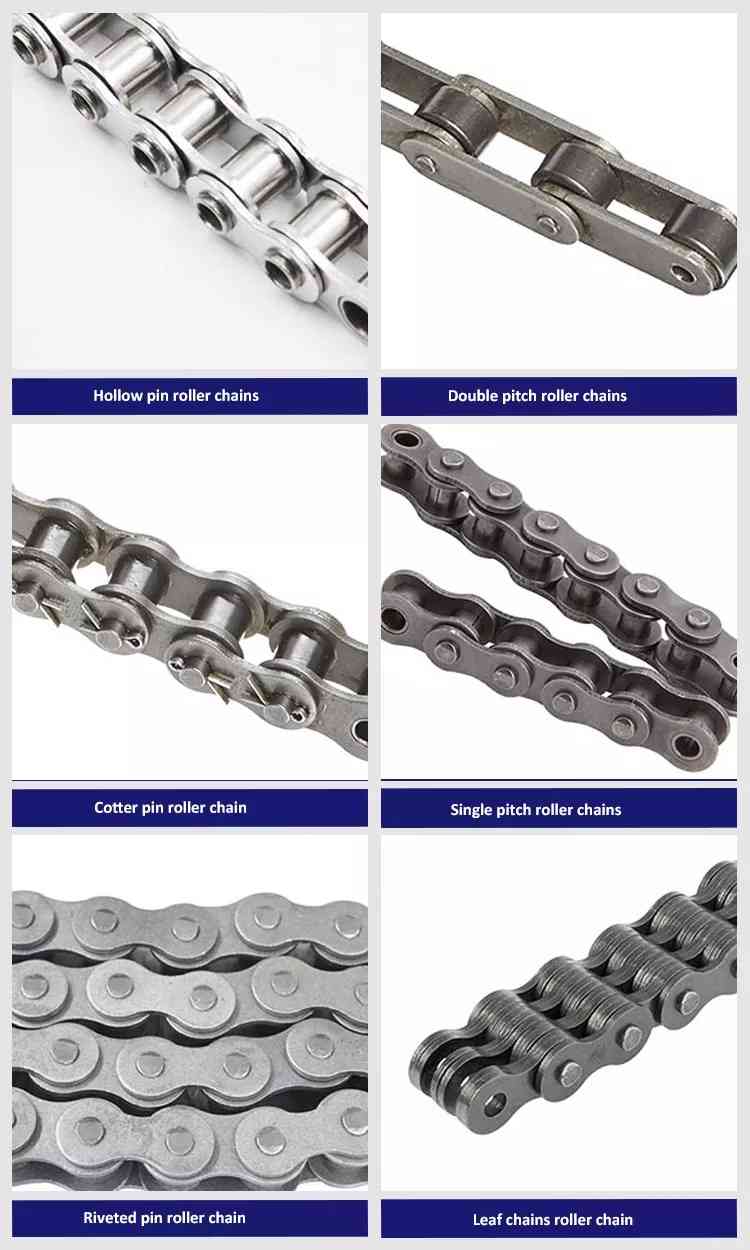
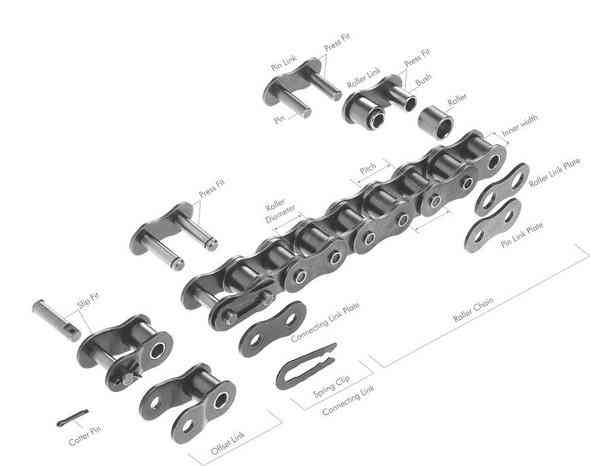
A roller chain consists of a pair of alternating pins and roller links. The pins are pressed into the side panels and hinged to the rollers. Roller chains can be single or multi-strand, connected by a common pin. The multi-strand design provides higher shear strength for demanding power transmission applications. Typical applications for roller chains include conveyors, hoists, and other mechanical equipment.
The horsepower capability of a roller chain is limited by several factors, including pin shock and friction. While research into these factors has placed some limits on the maximum operating speed of the roller chain, practical experience has shown that these systems can be used at higher speeds. Proper lubrication and cooling can increase the durability of these chains. In addition, roller chain applications include:
Drive and conveyor systems are the two main uses of roller chains. During driving operations, wear and elongation are a natural part of the operation. However, lubrication plays a vital role in minimizing wear and shock loads. Therefore, wear is inevitable and special care must be taken to ensure proper lubrication. Additionally, lubrication reduces heat dissipation in the chain.
The materials used to make roller chains vary from one type to another. Stainless steel is common, but nylon or brass are sometimes used. These materials are less expensive and more durable than steel or stainless steel. The best material for the job depends on a variety of factors, including cost, environmental conditions, and design horsepower transmission. For example, the pin bushing contact area is a critical area requiring lubrication. Additionally, some coatings are designed to retard the corrosive effects of water or oil.
editor by CX 2023-04-22
China factory Welded Link Chains Mild Steel Link Chain/Alloy Steel Link Chain/Proof Coil Chain/DIN766/DIN763/DIN5685/Animal Chain/Jack Chain/Decorator Chain drives roller chain
Product Description
HangZhou Dewell Metals International Co.,ltd is an international corporation ranking among the leaders on the market of rigging hardware and ornamental products. Our company’s credo is providing our partners and their clients with high quality products at reasonable prices.
Our products:
Rigging Hardware Series:Chain,Anchor,Steel wire rope and their accessory:Shackle,Turnbuckle,Wire rope clip,Thimble,Hook,Connecting Link,Master Link,Quick link,Eyebolt and Eye nut,Swivel,Load binder etc.
Ornamental products:Forging and casting spears,Bushes,Scrolls,Post tops,Leaves,Gate fittings,Balcony bar etc.
Building Hardware:Hinge,Wire Netting,Scaffold,Formwork,Connect Fitting etc.
Factors of Success:
-more than 20 years of market presence.
-Own factories in China.
-Developed sales network at all market segments.
-Design of innovative product groups.
-Excellent conditions for mutually beneficial partnership.
-Introduction of innovative technologies in sales, logistics and stock count.
Business FAQ:
1.Could you supply free samples before we place firm order
Yes,we’re glad to sent samples for your inspection.After getting your approval for our samples quality,you place firm order with us.
2.What’s your MOQ?
It depends on different products.If it is our regular product,we don’t have MOQ.If it is new design products,we have the different MOQ as per different sizes and items
3.What’s the delivery time?
About 30days after receiving your firm order or deposit.
4.What’s the payment term?
-30% TT deposit,the balance before shipment for the first cooperation.
-Irrevocable L/C at sight.
-D/P at sight available for old customers
5.What’s the packing method?
We have variety packing methods,you can make a choice before you place order with us.
We also can follow your requirements about packing,supply your personal package.
| Usage: | Transmission Chain, Drag Chain, Dedicated Special Chain |
|---|---|
| Material: | Alloy |
| Surface Treatment: | Electroplating |
| Feature: | Heat Resistant |
| Chain Size: | 3mm to 32mm |
| Structure: | Welded Chain |
| Samples: |
US$ 6/Piece
1 Piece(Min.Order) | |
|---|
| Customization: |
Available
| Customized Request |
|---|
drive chain type
Drive chains are used in a variety of industrial applications. Unlike roller chains, which are more efficient in terms of weight and size, drive chains slide on steel guides. Drive chains are often used for dirty work. Here’s what you need to know about the various types of drive chains. In this article, we’ll look at pin chains, engineered steel chains, bushing roller chains, and timing chains. These types are the most common and the most commonly used.
time chain
There are several factors to consider when deciding which drive chain to buy. What matters is how long the chain will last, as the timing chain will stretch over time. However, they are pre-stretched during manufacture to reduce the risk of stretching. Timing chains can also be noisy compared to toothed belt drives, but rails and chain tensioners can alleviate this problem. Timing chains also wear slower than belts, reducing repair costs.
Timing chains require little maintenance compared to belt drives. When well lubricated, timing chains require little maintenance. The only maintenance really required is checking the engine oil level and following the manufacturer’s recommended service intervals. Timing chains of drive chains are also safer than belt drives and can be dangerous if the toothed belt tears. Also, the timing chain only needs minor repairs and replacements. Garages can purchase complete timing chain kits that contain all the parts needed for repairs.
Drive chains can be equipped with roller chains or timing chains, depending on the load on the engine. The style of the timing chain depends on the type of motor used. However, the roller chain is the most common choice due to its high strength and NVH properties. The roller chain has two tabs pressed into the eyes, and two rollers above them. These components work together to improve engine performance.
Many modern vehicles use timing chains. Timing gears synchronize the camshaft and crankshaft so that the valves open and close at the appropriate times. This is critical to the running quality, power output, and fuel consumption of the engine. The timing chain also reduces the amount of pollution emitted by the vehicle. Over the past two decades, many OEMs have turned to time chains for OHC/DOHC engines.
pin chain
Steel pivot chains feature open barrels to reduce blocking and material buildup. These chains are designed for power transmission and transportation applications, often used in agricultural applications. They can be custom welded using specialized accessories. These chains can be used in agricultural, industrial and municipal applications. Here’s a closer look at each. Read on to learn about the benefits of steel pivot chains.
The Long Pitch Class 700 Pivot Chain is a versatile chain for conveying and lifting products. Its T-head pins fit snugly so dust doesn’t get into the pin holes. It is also constructed with a closed bearing structure to prevent elongation due to wear. Steel pivot chains are designed for high fatigue applications and are versatile.
Engineering Steel Chain
Engineered steel drive chain provides maximum power transfer while minimizing weight. Engineering chains are often used for tough oil drilling operations. Designed for durability and tight tolerances, these chains can be used in a variety of industrial equipment. Whether you need to lift heavy objects or store a lot of items, engineered steel chains will do the job. Read on to learn more about the benefits of engineering chains.
Engineered steel chains consist of links or pin joints with large gaps between the components. The material of these chains is designed to handle abrasives. While many of these chains are used as conveyors, some are designed for drives. You can find these chains on conveyors, forklifts, bucket elevators, oil rigs and more. To get the most out of them, they should be able to withstand the power produced by the prime mover.
The chain can withstand high tensile stresses and is ductile enough to withstand fatigue. The center-to-center distance between the chain and sprockets is between 30% and 50% of the pitch. On smaller sprockets, the arc of contact between the teeth and chain must be at least 120 degrees. The resistance of the chain drive depends on the use environment, including vibration, noise, fatigue strength and other factors.
There are many types of engineering steel drive chains, each with a different function. The most commonly used type is the elevator. Its lift mechanism raises and lowers the carriage. Most cranes are attached to the load with hooks. Another type of chain is the oval link. Its links are welded and the sprocket has receivers for each link. It is used in low speed applications for elevators, chain hoists and anchors in offshore operations.
Bushing Roller Chain
Typically, a bushing roller chain as a drive chain consists of two link assemblies. The inner link consists of two plates held together by two sleeves, while the outer link consists of two plates connected by pins that pass through the inner link. However, there are some differences between bushing roller chains. The main difference is the type of link and the amount of lubrication required. If you want to learn more about bushing roller chains, keep reading.
While roller chains are generally stronger and more durable than bushing chains, they are not immune to wear. During the driving cycle, they lengthen and undergo a process called articulation. The rate at which they elongate depends on the lubrication and load applied to them. The frequency of pin and bushing articulation is also critical. Like other wear parts, the manufacture of critical wear parts requires close attention to detail to ensure optimum performance. Correct raw material selection, part fabrication, and assembly are key factors in achieving optimum performance. Improperly prepared parts can affect wear life and performance.
Consider your application and load distribution when selecting a bushing roller chain as your drive chain. The length of the chain must be between 30 and 50 times its pitch. The arc of contact between the small sprocket teeth must be at least 120 degrees. The resistance of the drive chain depends on the usage environment, which will determine its fatigue strength and vibration level. It’s a good idea to check the chain length before deciding to replace it.
flat top chain
The TSplus flat top drive chain is the most flexible conveying medium on the market today. They can be connected end-to-end to create extended conveyor lines. The side bend design allows it to be used with a variety of conveyor types including inline, snake, and carousel conveyors. These chains are available in a variety of sizes, ranging in width from 3 feet to 20 feet.
A variety of materials are available for flat-top chains, including steel and plastic. Steel chains are ideal for applications requiring wear resistance. They are sturdy and well made. Plastic chains are particularly durable, but not suitable for harsh environments. Stainless steel flat top chains are suitable for a variety of applications, and some manufacturers make them from stainless steel or even aluminum. If your application requires a durable flat top chain, choose a chain made from iwis hardened stainless steel.
Another type of flat-top drive chain is the side bend chain. Suitable for flexible machinery requiring efficient conveying. It is equipped with a single hinge pin or double hinge pin. Either option will do, but each hinge pin has its advantages. Single hinge pin chains are suitable for smaller light-duty conveyors, while double hinge pins are more suitable for medium and heavy-duty applications.
CZPT is a modular flat top chain conveyor system. Its standardized components and modules can be easily integrated into any production process. And because it’s a single track, you can lengthen or shorten it as needed. Its versatile design makes it compatible with other conveyor systems such as belts and sprockets. This monorail modular design allows system lengths up to 40 meters and is compatible with other conveyor systems.
editor by CX 2023-04-20
China best DIN766 DIN764 DIN763 DIN5685A DIN5685c Galvanized Hot DIP Welded Steel Short Link Chain roller chain attachment links
Product Description
DIN766 Galvanized Hot Dip Welded Steel Short Link Chain
Product Description
1. Surface treatment is electric galvanized.
2. usage is for security, showing,traffice chain.
3. Certificate: ISO9000, SGS etc.
4. type: Grade 30 not overhead lifting product.
Detailed Photos
Process
Packaging & Shipping
Certifications
Exhibition
Company Profile
FAQ
Q 1, How to contact us ?
please send us your purchase order by Emali or Fax
Q 2, Our main products ?
Our main products are chain, hoist, the chain making machine, Lever load binder and so on.
Q 3,what advantage we have?
We have been engaged in this industry for 8 years.We have the strength of the machines and workers, the quality of the product!We treat every client is very serious.The quality of each product we have CE, TUV and SGS certification.And we welcome each customer’s on-the-spot investigation, on the spot inspection of our products.
Q 4, We oriented the country and market ?
The European and American countries, such as the United States, Britain, Germany, Poland, Russia, Brazil and so on, well, these are all the world’s great powers, so they are more strict with the quality of the product.But we are long-term partners.
Q 5, We accept the way of trade terms and payment?
FOB CIF AND T/T L/C.
| Usage: | Transmission Chain, Drag Chain, Conveyor Chain, Dedicated Special Chain |
|---|---|
| Material: | Iron |
| Surface Treatment: | Electroplating |
| Feature: | Heat Resistant |
| Chain Size: | 2mm-32mm |
| Structure: | Welded Chain |
| Samples: |
US$ 0/Meter
1 Meter(Min.Order) | |
|---|
| Customization: |
Available
| Customized Request |
|---|
What to look for in a roller chain
There are many different factors to consider when purchasing a roller chain. One of the most important factors is tensile strength, which represents the force required to break the chain. Roller chains are available in three different tensile strengths: minimum, average and ultimate. Each strength reflects a different limit to the load the chain can handle. However, these limits are not always equal and you should be aware of the differences between roller chains.
Canonical chain
Most roller chains have standard sizes printed on the side panels. This is usually “40” or “C2080H”, but can also be the letter “B”. If the chain is old, it will need to be cleaned to see its size. You can find the size on the standard roller chain size chart, but not everyone is marked. To determine the size, measure the diameter and pitch of the chain, then compare the results to the chart to see what size you need.
Heavy-duty roller chains are available with heat-treated pins, side plates, and rollers. In addition to being heat treated, they are also factory pre-stretched, which reduces wear on these parts. If properly maintained, they can last for years, reducing the risk of failure or corrosion. Depending on the application, standard roller chains are available in different sizes. It can be purchased separately. There are several options to choose from, depending on the size and strength of the application.
PEER roller chains contain solid rollers to reduce shock loads on the sprocket teeth. Heat treating and preloading all components of the PEER chain helps minimize initial elongation. Hot-dip lubrication ensures complete lubrication of all chain components, extending their life and reducing maintenance costs. For heavy-duty applications, ASME/ANSI-B29.1 chain is a good choice.
Standard roller chains are made of steel or alloy steel. However, it can be made of other materials such as stainless steel. In addition to steel, stainless steel is often used in food processing machinery where chain lubrication is an issue. Brass and nylon are also sometimes used. However, they are not that popular. Therefore, you should always check with your supplier before purchasing. By comparing the tensile strength of two different chains and making an informed decision, you can get the best price and service.
Chain without bushing
Bushless roller chains have advantages over conventional roller chains. Unlike conventional chains, bushless chains have extensive lateral flexibility, which increases the chain’s lubrication flow. The inner plates of bushless chains have protruding shoulders so the oil can flow through them more easily and efficiently. This is an important characteristic of a smooth-running chain. Additionally, bushless chains may have improved shifting performance.
The strength of a bushingless roller chain is measured in terms of tensile strength and fatigue strength. The former measures the load a chain can withstand before breaking. Fatigue strength is equally important, and factors that affect fatigue strength include the steel used to make the chain components, the pitch hole fabrication, the type of shot peening on the chain, and the design and thickness of the chain. For example, if the chain is too thin, it may not be enough for heavy-duty applications.
Like traditional roller chains, bushingless roller chains have two different types of links. The inner link has two inner plates connected by pins, while the outer chain has two outer plates held together by bushings. A bushingless roller chain is similar to a traditional chain, except it eliminates a step in the assembly process by stamping the tube into the inner plate. So if you want a smoother ride, a bushingless roller chain is a better choice.
There are two different sizes of bushingless roller chains. One size is designed for use with standard single-strand chains, while the other size is designed for use with double-strand or triple-strand chains. Bushless chains are generally shorter than conventional chains, so they can fit in tighter spaces. Bushless chains are made of the highest quality materials. These chain attachments are case hardened for optimum strength and durability.
Mute chain
The silent roller chain has a smooth, low-noise drive. They are made of stacked rows of flat chainplates with a gear-like profile that meshes with the sprocket teeth. Each chainplate is attached to a corresponding sprocket, which also allows the chain to bend. While these basic components are the same for every silent roller chain, there are many variations that allow them to be used in a variety of applications.
The most popular high-speed transmission, silent chains feature gear-like sprockets. They can be made from single or multiple strands of material. Single-strand chains are less expensive than multi-strand chains, but they tend to wear out faster if not lubricated. Single-strand roller chains can be used for years without lubrication, but for your application, wide silent chains are still worth considering.
The design and construction of silent chains make them ideal for conveying a wide variety of products. They have flat, heat-resistant surfaces. They are also durable and non-slip. They are available in a variety of pitch sizes, widths, and mounting styles. Whether you need chains for general purpose conveyors or glass bottle transport applications, we have you covered. Ask about the benefits of silent roller chain conveyors.
Inverted tooth chains are another option for quieter chains. These chains are designed to reduce noise from engine-related friction. Silent chains are more common, and manufacturers have fallen in love with them. A silent chain consists of several links connected to the sprocket teeth. Teeth rotate to reduce noise, vibration, and chord action. These are the main reasons why silent chains are so popular.
ANSI chain pitch
To measure your bike’s chain pitch, you can use a caliper. This measurement is taken from the center of the rolling pin to the center of the next rolling pin. Chains come in many sizes, but ANSI is the most common chain standard in the United States. A caliper is handy if you’re not sure which size to buy, as it allows you to check for worn sprockets.
Chains that meet ANSI standards will be characterized by a certain pitch. This measurement is based on the width and spacing of the roll. The spacing is usually greater than the width. The standard number will be the right number for the width of the chain or the left number for the rollers. The number on the left indicates whether the chain is lightweight or heavyweight. Heavyweight chains are designated by the suffix “H”.
Common chain sizes are based on ANSI chain pitch. Pitch is the minimum distance between bushing and sprocket. The smaller the chain pitch, the greater the total distance between the two points. This means the chain will last longer. However, if you are buying a chain for a specific application, you should check the pitch carefully as it can affect the performance of the chain.
Roller chain wear measurement
The purpose of roller chain wear measurement is to prevent breakage by monitoring the strain on the chain. There are several ways to measure roller chain wear. The first is to remove the chain from its working position and measure the distance from the sprocket to its measuring end. Another way is to measure the pitch of the chain or the distance between two pins. This method is superior to other methods because it is convenient and accurate.
When measuring the wear of a roller chain, it is important to note that the elements of the chain will gradually deform. About 3.75% of the total wear will be on the pins and the rest will be on the internal links. These wear measurements will vary based on the nominal pitch of the chain and the amount of friction the chain is experiencing. Proper lubrication between pins and bushings, load and frequency of articulation all affect wear rates.
It is important to measure the amount of wear on the roller chain to avoid excessive machine failures. The longer the chain runs, the more wear it will wear. Although the length of the chain should be less than the center distance, the excessive load will cause premature wear. Therefore, lubrication is essential. Additionally, the sag of the chain should not exceed 2% to 4% of its center-to-center distance. Finally, check for unusual noise or visible defects. A common cause of excessive roller chain wear is the size of the load. Every chain manufacturer sets a maximum workload for its product.
There are several ways to measure roller chain wear. If using a high-speed drive, it should have at least 11 teeth, and a medium-speed drive should have at least 25 teeth. Also, be sure to check the length of the chain, even if you should. The same goes for the pin diameter, which should be the same or different pitch as the roller chain.
editor by CX
2023-04-17
China Hardware Electric Galvanzied Welded Steel Long Link Chain Q235 Metal Chain roller chain attachment links
Solution Description
Product Parameters
one. Content: Q235. Q195
two. Area: Self coloration, painted, galvanized, electorphoric
3. Hardware Galvanzied Welded Steel Long Hyperlink Chain
four. Produced by computerized machine
five. Common: DIN EN 818-two
| 1. Commodity description | Hardware Galvanzied Welded Metal Prolonged Website link Chain |
| 2. Classification | Chain |
| three. Common | G80 lifting chain, DIN EN 818-2 |
| 4. Materials | Alloy metal |
| five. Keywords | Chain |
| 6. Surface area treatment method | Self coloured, black oxide finish, yellow painted, pink painted |
| seven. Engineering | Welded, manufactured by total- automated device |
| 8. Measurement | 6mm-25mm |
| 9. MOQ | 100meter |
| 10. Offer capability | 100Ton for each month |
| 11. Packing | one. Nude packed: Packed in bundles |
| 2. Packed in iron drums then on pallets | |
| three. Packed in woodencase | |
| 4. Requied by the cllent | |
| twelve. Delivery time | As the quantity in buy, fifteen-30days |
| 13. Payment time period | thirty% deposit prepaid following confirmed PI, the stability towards duplicate of BL before cargo arrival. Or negotiated with clientele |
| 14. Main items | Anchor chains, NACM standard chains, G80 lifting chains, G100 lifting chains, DIN5685 /DIN766/DIN763 chains decoretive chains. Shackles, turnbuckles, wire rope clips, pulley blocks, load binders, bolts and nuts, fast hyperlinks, snap hooks, swivels, wire rope thimbles, ferrules and sleeves |
| fifteen. Firm identify | HangZhou SANJAYRO IMPORT &EXPORT Co., Ltd |
| 16. Encounter | 3years expertise in the spot of chains and rigging components |
| 17. Primary industry | The United States, Europe, MID East, Southeast Asia |
| 18. Our benefit | 1)more than fifteen a long time encounter in the region of chains and rigging hardware |
| two)quick react to your inquiry and e-mail at the initial time | |
| three)supply very best value, good good quality and my crew will offer very best seivice |
In depth Photographs
The manufacturing approach
Packaging & Transport
Galvanzied Welded Steel Extended Link Chain
PACKING:
one. Nude packed: Packed in bundles
two. Packed in iron drums then on pallets
three. Packed in woodencase
4. Requied by the cllent
Delivery: thirty-40days in accordance to the quantity of order.
After Income Services
HangZhou Sanjayro Import & Export Co. Ltd Services:
one. We assure to deliver the provide inside 24 hrs.
2.one hundred% certified merchandise can be guranteed.
three. Products will be completed inside of the shortest guide time.
four. We gurantee to supply the greatest following-revenue solutions.
five. Clients’ requirements will be met as much as possible.
6. Free chain samples can be offered.
7. Aggressive manufacturing unit bottom charges will be quoted.
8. Clients’ go to to our manufacturing facility is welcome anytime.
9. Test report will be offered with the true check datas.
10. Our trading organization has a good supply of rigging, chains, tools, and so forth. Factories.
Business Profile
Organization Information
HangZhou Sanjayro Import & Export Co. Ltd was established in 2004. It currently has considerably experience in steel wire rope, chain, hardware rigging manufacturing. Factory has a total area of 35000m2, with 400 skilled employees, over one hundred fifty production apparatus and ISO9001 certification.
Sanjayro specializes in producing spring metal wire, galvanized steel wire, elevator metal wire rope, stainless metal wire rope, galvanized and ungalvanized metal wire rope, plane wire rope, chain, components rigging. The once-a-year yeild is almost 20000 tons, made by requirements of GB, DIN, ANSI, JIS, ASTM, ISO, and so on.
Sanjayro metal wire rope has exported to several locations like North The us, South The united states, Europe, Africa, Southeast Asia, Middle East, etc.
Our Advantages
How to give an acuurate provide?
1. Chain name
2. Surface
3. Diameter, such as 2mm, 10mm, 20mm, 50mm, and so on.
four. Quantity, these kinds of as 3000m, 5000m or 20ton, 25ton, and so on.
5. Packge, such as picket reel, plastic reel, comfortable coil, picket situation, carton, and many others.
|
US $830-1,200 / Ton | |
1 Ton (Min. Order) |
###
| Usage: | Transmission Chain |
|---|---|
| Material: | Q235/Q195 |
| Surface Treatment: | Electroplating |
| Feature: | Oil Resistant |
| Chain Size: | 3/8*60*37 |
| Structure: | Welded Chain |
###
| Samples: |
US$ 2/Meter
1 Meter(Min.Order) |
|---|
###
| Customization: |
Available
|
|---|
###
| 1. Commodity description | Hardware Galvanzied Welded Steel Long Link Chain |
| 2. Category | Chain |
| 3. Standard | G80 lifting chain, DIN EN 818-2 |
| 4. Material | Alloy steel |
| 5. Keywords | Chain |
| 6. Surface treatment | Self colored, black oxide finish, yellow painted, red painted |
| 7. Technology | Welded, made by full- automatic machine |
| 8. Size | 6mm-25mm |
| 9. MOQ | 100meter |
| 10. Supply ability | 100Ton per month |
| 11. Packing | 1. Nude packed: Packed in bundles |
| 2. Packed in iron drums then on pallets | |
| 3. Packed in woodencase | |
| 4. Requied by the cllent | |
| 12. Delivery time | As the quantity in order, 15-30days |
| 13. Payment term | 30% deposit prepaid after confirmed PI, the balance against copy of BL before cargo arrival. Or negotiated with clients |
| 14. Main products | Anchor chains, NACM standard chains, G80 lifting chains, G100 lifting chains, DIN5685 /DIN766/DIN763 chains decoretive chains. Shackles, turnbuckles, wire rope clips, pulley blocks, load binders, bolts and nuts, quick links, snap hooks, swivels, wire rope thimbles, ferrules and sleeves |
| 15. Company name | NANTONG SANJAYRO IMPORT &EXPORT Co., Ltd |
| 16. Experience | 3years experience in the area of chains and rigging hardware |
| 17. Main market | The United States, Europe, MID East, Southeast Asia |
| 18. Our advantage | 1)more than 15 years experience in the area of chains and rigging hardware |
| 2)quick react to your inquiry and email at the first time | |
| 3)provide best price, good quality and my team will supply best seivice |
|
US $830-1,200 / Ton | |
1 Ton (Min. Order) |
###
| Usage: | Transmission Chain |
|---|---|
| Material: | Q235/Q195 |
| Surface Treatment: | Electroplating |
| Feature: | Oil Resistant |
| Chain Size: | 3/8*60*37 |
| Structure: | Welded Chain |
###
| Samples: |
US$ 2/Meter
1 Meter(Min.Order) |
|---|
###
| Customization: |
Available
|
|---|
###
| 1. Commodity description | Hardware Galvanzied Welded Steel Long Link Chain |
| 2. Category | Chain |
| 3. Standard | G80 lifting chain, DIN EN 818-2 |
| 4. Material | Alloy steel |
| 5. Keywords | Chain |
| 6. Surface treatment | Self colored, black oxide finish, yellow painted, red painted |
| 7. Technology | Welded, made by full- automatic machine |
| 8. Size | 6mm-25mm |
| 9. MOQ | 100meter |
| 10. Supply ability | 100Ton per month |
| 11. Packing | 1. Nude packed: Packed in bundles |
| 2. Packed in iron drums then on pallets | |
| 3. Packed in woodencase | |
| 4. Requied by the cllent | |
| 12. Delivery time | As the quantity in order, 15-30days |
| 13. Payment term | 30% deposit prepaid after confirmed PI, the balance against copy of BL before cargo arrival. Or negotiated with clients |
| 14. Main products | Anchor chains, NACM standard chains, G80 lifting chains, G100 lifting chains, DIN5685 /DIN766/DIN763 chains decoretive chains. Shackles, turnbuckles, wire rope clips, pulley blocks, load binders, bolts and nuts, quick links, snap hooks, swivels, wire rope thimbles, ferrules and sleeves |
| 15. Company name | NANTONG SANJAYRO IMPORT &EXPORT Co., Ltd |
| 16. Experience | 3years experience in the area of chains and rigging hardware |
| 17. Main market | The United States, Europe, MID East, Southeast Asia |
| 18. Our advantage | 1)more than 15 years experience in the area of chains and rigging hardware |
| 2)quick react to your inquiry and email at the first time | |
| 3)provide best price, good quality and my team will supply best seivice |
What is a drive chain?
A drive chain is a wheeled device that transmits power from one gear to another. The drive chain is usually an oval ring around a corner or worm gear. On the other hand, idler pulleys do not transmit power and are not used to move the chain. In some cases, drive chains can be used with idler pulleys to transport objects. This allows the drive chain to recover some power from the second gear.
conveyor chain
There are many types of conveyor chains to choose from. One type is a closed joint chain. It consists of the barrel and connecting rod, made from a single casting and heat-treated for high strength and durability. Conveyor chains typically have low running speeds and are typically made of malleable iron. Another type of chain is the power transmission chain, which is used to transmit mechanical power. They feature efficient lubrication and are stronger than conventional conveyor chains.
Roller chain pitches can range from half an inch to a third of an inch. They are available in steel and nickel-plated steel. They can be used with inline or staggered rollers and can be designed with different pitch levels. They can also have bushings between the chainplates or gaps between the teeth to increase their maximum spacing. When choosing a conveyor chain, remember to properly lubricate bearing surfaces to minimize power absorption, wear, and corrosion. Mineral oils of medium viscosity are suitable for normal operating temperatures. SAE 20W50 is suitable. Manufacturers also offer self-lubricating chains.
Conveyor chains are used in many industries. The automotive industry has traditionally used these chains for bulk transport. Their reliability and low cost make them an excellent choice for a variety of applications. CZPT Chains offers stainless steel and CZPT conveyor chains to meet your unique requirements. If you’re in the market for a new conveyor, don’t forget to shop around. CZPT Chain can help you find the perfect one.
The regular drive version consists of an ASME/ANSI roller chain wrapped around a driven sprocket. It can also be configured for variable rpm. The gear ratio between the two parts determines the reduction or increase in speed. In some cases, solution chains can be used. Roller chains are more efficient. Then, there are solutions for both cases. There are many types of conveyor chains to choose from.
Conveyor chain pitch also plays an important role in performance. The smaller the pitch of the chain, the faster it spins. On the other hand, a smaller pitch will require more teeth on the sprocket, which means more links will be engaged during the movement. This smaller articulation angle also produces smoother motion. It also reduces vibration. Therefore, CZPT Chains can be trusted for a long time.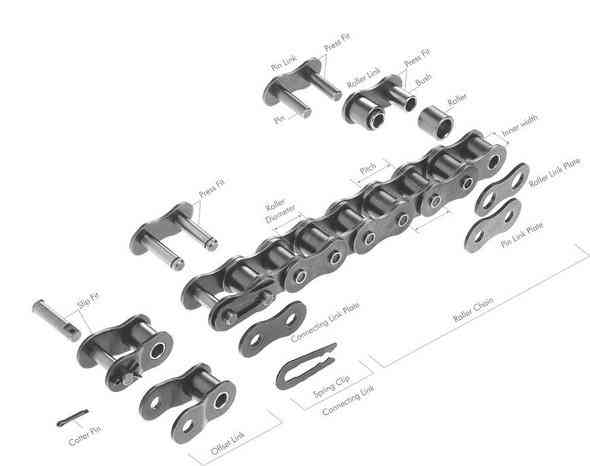
roller chain
The performance of a drive chain depends on how well it is maintained and lubricated. Careful attention to detail is required when selecting a roller chain, which is one of the most important components in a drive chain. Its proper lubrication and assembly will significantly affect its wear life. Here are some important tips to follow when buying a roller chain:
The size of the drive chain should be selected according to the sprockets used. The large sprocket should have at least 25 teeth, and the small sprocket should have fewer teeth. The pitch of a drive chain is the contact angle between the chain and the sprocket. The smaller the sprocket, the smaller the contact angle of the two parts. Larger sprockets are better, but smaller sprockets must never have fewer teeth.
When purchasing a roller chain, be sure to consider the maximum speed of the small sprocket. This will determine how much lubrication you need. Different lubrication systems have different requirements. Manual lubrication limits how many feet per minute the drive chain can run, while oil bath lubrication can get you up to 1100 ft/min. The only way to maximize drive chain speed is to purchase a pump lubrication system.
Once you have the right length, you can determine if you need a new one. To do this you have to move the axis to measure the length. Once the length is determined, the drive chain should be removed from the sprocket and measured using the ANSI specified measuring load. You should also follow safety guidelines when measuring your chain. If you want to maximize the life of your drive chain, be sure to follow these tips.
Another important consideration is the type of environment you operate in. For applications that need to avoid rubbing steel rails, it is best to use a roller chain that can withstand a clean indoor environment. Although roller chains are generally more durable, they must be stored properly to avoid corrosion. If you care about the environment, consider opting for double chain. Its durability and low maintenance costs will make it a valuable investment in your business.
closed pivot
Closed-end pivot drive chains are used in a variety of applications. They are known for their durability, high strength, and long life. They are available in a variety of grades, including grade 400, grade 600, and grade 800 pivots, which can withstand the high forces required for certain applications. Enclosed pivot chains can be used to lift, pull, convey and transfer heavy loads.
Class 400 closed-end pivot chain features one-piece cast offset link construction. Steel pins connect each link and are prevented from rotating by head stops. This design allows the pin to connect inside the barrel without breaking. This type of chain is the most commonly used and has the highest durability. In addition to being extremely durable, it offers long-lasting performance and smooth operation.
Another closed-end pivot conveyor chain drive is called a power drive chain. These chains consist of barrels and links used to transmit rotation from one shaft to another. The barrels of the closed-end pivot chains are made of steel, which allows them to run easily on the sprockets. Block drive chains are used for low-speed applications, but they can be noisy when the chain is in contact with the sprockets.
The enclosed pivot drive chain has rollers on both ends to minimize wear. These chains are usually made of steel and can be used in areas where high-speed power transmission is required. They are also available in heavy-duty versions. Unlike other types of chains, steel pivot chains are designed for a variety of applications. They are suitable for heavy-duty applications and their open barrel design allows for minimal contact with the pins in the barrel and the root of the sprocket.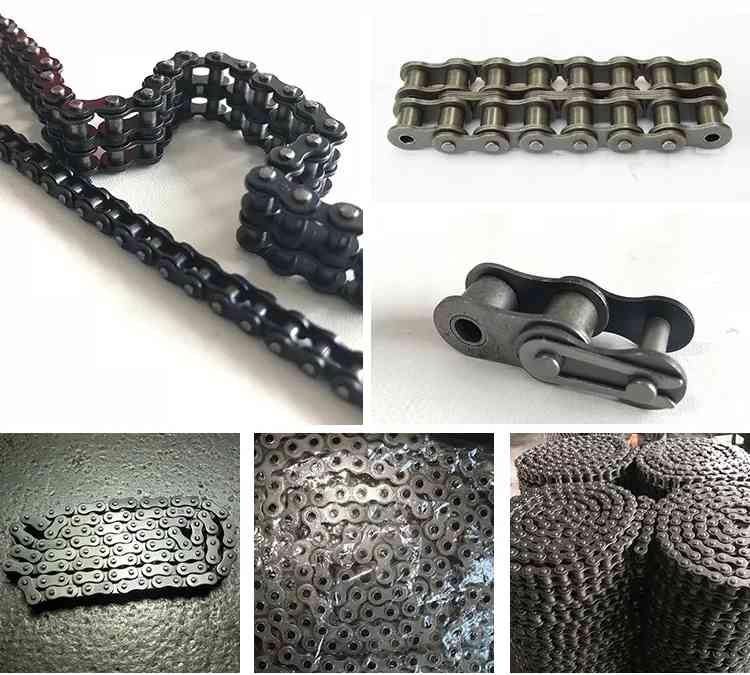
Linear chain
CZPT is an important part of linear drive technology. This type of chain is capable of delivering real power in tight spaces. Typically, loads are moved by pulling or pushing. CZPT can perform both types of movements. They can push and pull additional loads. This type of chain can also be wound and stored in the magazine. It is a popular choice for small machine tools and many other uses.
Unlike traditional mechanical chains, CZPT uses a push-pull strategy to move heavy objects. It is a rigid locking design that prevents kinking and allows the chain to transmit force without bending. The CZPT is an excellent choice for moving large loads and is particularly versatile in power transmission. However, CZPT is more expensive than traditional drive chain options.
The service life of a linear chain depends on its design, material type and size. You may want to buy a good quality chain, but it’s not necessary in all cases. While superior quality can extend the life of the chain, it may not be necessary for low-speed drives or very light shock loads. If you’re not dealing with high-velocity shock loads, you probably don’t need features like oil reservoirs or bushing grooves.
The size of the drive sprocket can have a major impact on the overall life of the linear chain. It determines how fast the chain can go and how much horsepower it can produce. An 11-tooth chain will hit about half its rated speed, but only about 30 percent of its rated horsepower. You can extend the life of your linear chain by choosing a drive sprocket with a higher number of teeth. It is best to choose a drive sprocket with a high number of teeth, but make sure the number of teeth is even. This will ensure that your chain wear is evenly distributed.
editor by czh 2022-11-25
China Best Sales DIN763 Welded Long Link Chain Black Polishing Chain with high quality
Product Description
Specification:
DIN763 Website link Chain
| SIZE | INSIDE LENGHT | OUTSIDE WIDTH | WORKING LOAD | TEST LOAD | BREAKING LOAD | WEIGHT PER M | |||
| MM | ±MM | MM | ±MM | MM | ±MM | KG | N | N | KG |
| 2 | .five | 22 | one. | eight | .4 | twenty five | 800 | 1250 | .06 |
| 2.five | 24 | one.1 | ten | .five | 40 | 800 | 2000 | .ten | |
| 3 | 26 | one.two | 12 | .6 | fifty five | 1050 | 3200 | .15 | |
| three.five | 28 | one.3 | 14 | .7 | eighty | 1540 | 3850 | .20 | |
| four | 32 | one.5 | 16 | .8 | 100 | 2500 | 6000 | .27 | |
| four.5 | 34 | 1.7 | 18 | .nine | 128 | 3000 | 6300 | .35 | |
| 5 | 35 | one.8 | 20 | one | one hundred sixty | 4000 | 10000 | .forty three | |
| five.5 | 38.five | one.8 | 22 | 1.one | 195 | 4200 | 9500 | .52 | |
| 6 | forty two | 2 | 24 | one.two | 224 | 5000 | 14000 | .63 | |
| seven | 49 | 2.5 | 28 | 1.four | three hundred | 7500 | 18000 | .86 | |
| 8 | 52 | 2.5 | 32 | 1.six | 400 | ten thousand | 25000 | 1.one | |
| 8.five | fifty six | 2.8 | 34 | one.7 | 460 | 15710 | 22500 | one.twenty five | |
| nine | fifty nine | three. | 36 | 1.8 | 530 | 10500 | 32000 | one.forty one | |
| ten | 1 | 65 | 3.2 | 40 | 2. | 630 | 16000 | 40000 | 1.seventy five |
| 11 | 72 | 3.four | 44 | two. | 790 | 15800 | 47500 | 2.11 | |
| 12 | seventy eight | three.six | 48 | two.3 | 940 | 18800 | 56500 | 2.fifty five | |
| thirteen | 82 | 4 | fifty two | two.five | a thousand | 25000 | 63000 | 2.95 | |
| sixteen | a hundred | five | 64 | 3.2 | 1600 | 40000 | one hundred thousand | four.45 | |
| 18 | 113 | 5.2 | 70 | 3.2 | 2120 | 42300 | 127000 | 5.65 | |
| 19 | 119 | five.6 | 72 | 3.4 | 2370 | 47300 | 142000 | 6.25 | |
| twenty | 120 | six | seventy five | 3.eight | 2500 | 50000 | 160000 | seven. | |
| 22 | 127 | six | 82 | four. | 3170 | 63300 | 190000 | eight.55 | |
| twenty five | a hundred and forty | six.six | 88 | 4.2 | 4090 | 81700 | 245000 | 10.90 | |
Business INTRODUCTION
LinYi YuanTong Components Locks Co.,Ltd. was founded in Situated in TaiPing Road,HeXihu (West Lake) Dis. District,LinYi City,ZheJiang Province.It covers an location of 10,000 square meters,there are a lot more than 200 workers,the main prouducts of enterprises are common chains,large stength chains,stainless steel chains,knit chains,animal chains,ect,there are much more than 300 versions of specs.
Our organization has passed the international top quality administration technique certification, and has a rigorous high quality managementsystem.With very first- class gear,reputable high quality assurance,items have been exported to the United States,Canada,Europe and far more than thirty
countries and locations,have a higher reputation
If you need to have far more particulars or have any inquiries, make sure you come to feel free to get in touch with us, we are much more than delighted to do any help. Thanks! Glad to be of service. Please truly feel free to make contact with us at any time !!!
We 24 several hours services for you!
We can supply u all sorts of hyperlink chain:
one)DIN5685A/C,DIN764,DIN763,DIN766,DIN5686 Website link Chain
2)Ordinary Short,Medium Website link Chain
three)Korean Regular Link Chain
4)ASTM80 Normal Hyperlink Chain
five)Norwegian Standard Hyperlink Chain
6)Australian Standard Hyperlink Chain
7)NACM1990 Normal Url Chain
eight)NACM1996/2003 Common Link Chain
nine)Animal Url Chain
10)Stainless Metal Link Chain
11)Weldless Link Chain
12)G80 Website link Chain
thirteen)G43 Link Chain
real manufacturing unit , own our galvanizing manufacturing unit , the cost and top quality could be a hundred% guaranted .
Take us, consider the planet!
Ideas for Buying Roller Chains
There are a number of things to contemplate when acquiring a new roller chain. Chains can be large-obligation roller chains or self-lubricating chains. These elements all influence the use of the roller chain. Correct lubrication and adjustment are critical to extend the life of the chain. Below are suggestions for acquiring a new roller chain. Some common types of roller chains are listed beneath. The kind you select relies upon on its purpose.
Bushingless Roller Chains
The tensile power of a bushingless roller chain is often the main measure of its longevity. It signifies the greatest load a chain can stand up to just before breaking, but tiredness toughness is just as crucial. Elements that have an effect on fatigue strength contain the metal utilized to manufacture the chain, the high quality of the pitch holes, the variety of shot peening utilised, and the thickness and design and style of the chainplates. Listed here are some guidelines on how to test the fatigue toughness of bushless roller chains.
The internal website link plate 130 is thicker than the outer hyperlink plate a hundred and twenty. This feature assists the connecting pins and rollers continue to be steady. This characteristic decreases put on and sounds. It also improves the all round longevity of the chain. Unlike traditional chains, bushingless roller chains are simpler to keep than similar chains. They also reduce the threat of sprocket dress in. Bushingless roller chains are ideal for demanding apps where sound is a worry.
Unlined roller chains are generally much less high-priced than lined roller chains. Bushings are integrated into the inner plate, although individuals in typical chains are inserted into the outer plate. The result is reduce cost and far more adaptable lateral movement – a necessity for present day derailleur gearing. But with all these benefits, deciding on a linerless chain is even now crucial. You should study reviews about the sturdiness of bushingless roller chains just before acquiring.
In its easiest sort, the connecting pin 140 is pressed into the pinhole 126 in the direction of chain vacation. Connecting pins a hundred and forty prolong by way of these holes to hook up the internal website link plate and the rollers. The connecting pins can also be welded to the outer url plates. For the duration of assembly, chain C can be effectively assembled from one particular aspect in the motor width path. If you have an more mature car, you can try the bushless version and see how it goes.
Yet another variation of bushless roller chains involves sprockets and connecting pins. The outer link plate has connecting pins extending by means of holes in the inner hyperlink plate. The rollers are able to rotate on the connecting pins, thus lubricating them. There are two varieties of bushingless roller chains: connecting pin chains and sprocket chains. These two types of bushingless roller chains are typically interchangeable.
Linerless roller chains can include chain guides. In the course of the riveting method, the outer and internal url plates compress in opposition to each and every other, lowering friction and electricity loss. ANSI Normal B29.1-2011 is developed to make it less complicated for you to decide on the correct chain for your motor vehicle. This version is also quieter, lowering noise. In addition to enhanced effectiveness, bushingless roller chains provide much better toughness. It is less difficult to set up and considerably less pricey to maintain.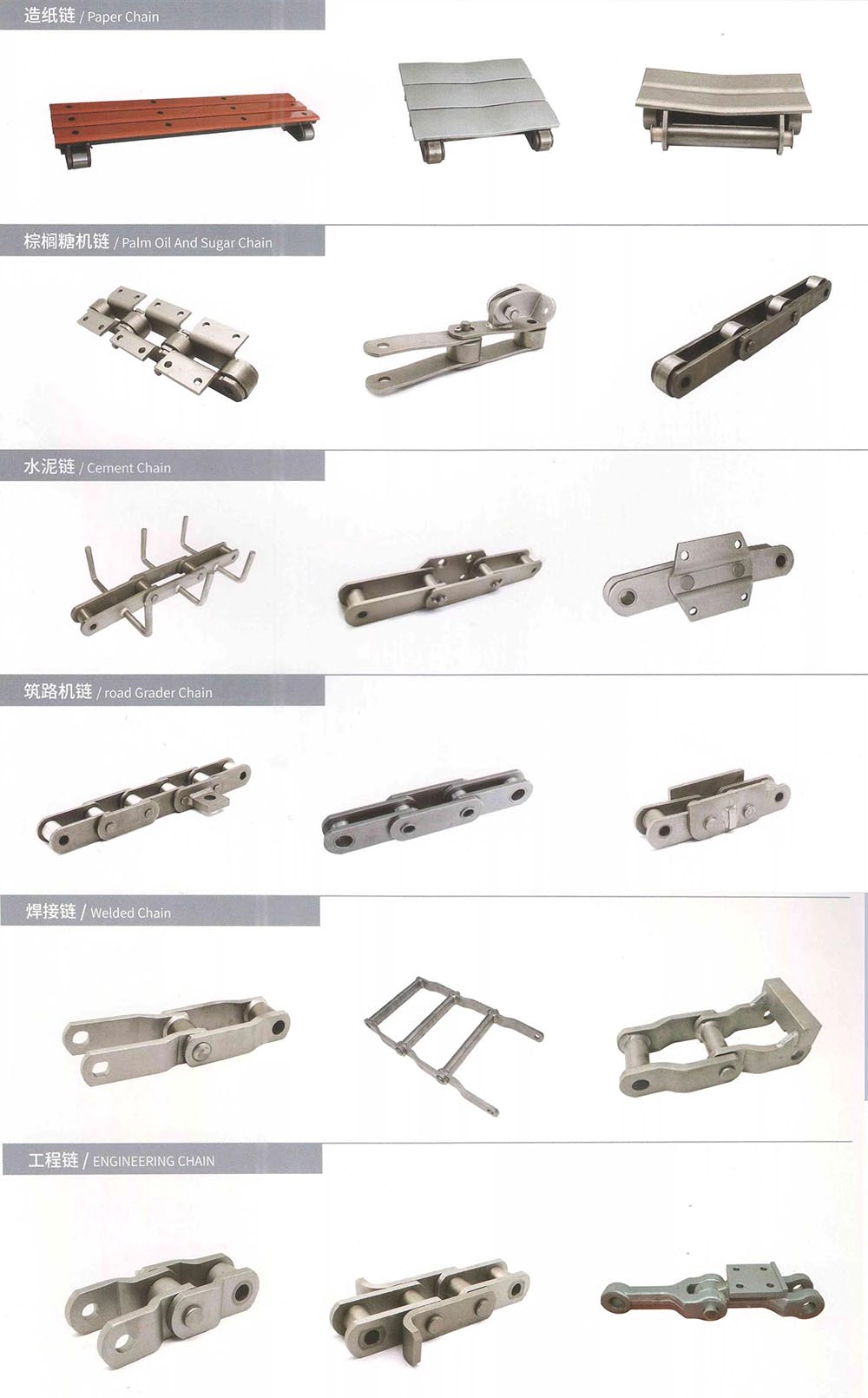
Single Strand Large Obligation Roller Chain
One Strand Hefty Duty Roller Chains, also acknowledged as One Strand Hefty Responsibility Roller Chains, are available in a assortment of dimensions. These chains run on standard roller sprockets and have thicker facet plates. These enhance their tensile energy, exhaustion rating and overall working daily life. Monostrand chains are accessible in 3 good quality amounts: riveted, open up and closed.
If your chain wants to be replaced, your ideal bet is to buy replacement components. Solitary strand roller chains are usually ten ft extended. For larger sizes, take into account buying a one-strand heavy-obligation roller chain that is a few times for a longer time. This way, you never have to fear about detrimental your equipment. Oregon roller chains are produced to OEM expectations.
CZPT Furthermore Hefty Responsibility Roller Chains function solid rollers for light-weight to medium obligation apps. It meets ANSI B29.1 sturdiness standards and is perfect for light-weight to medium duty purposes. CZPT Furthermore Large Responsibility Roller Chains have reliable bushings in picked sizes to ANSI B29.1. CZPT Plus weighty responsibility roller chains are provided with enough lubricant. If your software requires weighty responsibility roller chains, you can find them at CZPT Chain and Sprockets.
In addition to solitary-strand weighty-obligation roller chains, there are three-strand weighty-duty roller chains. These chains can face up to huge strain and are excellent for apps in agriculture, sewage treatment method, machinery, and more. They are created to last for a long time with out breaking. So no matter whether you happen to be looking for a large obligation roller chain for your farm equipment or building, American Roller Chain has you coated.
In buy to decide on the correct dimension for your needs, you need to 1st figure out the diameter and total width of the roller chain. You also have to evaluate the width of the drum alone. This data will figure out how several chains you require to purchase. The measurement and selection of dimensions will establish the price of your new roller chain. Acquiring the proper roller chain is basic and practical if you realize all of these factors. So use a caliper and make confident the roller chain is measured appropriately.
The dimensions of a solitary strand heavy duty roller chain is vital to the balance of your organization. You can preserve a great deal of income by getting a high-top quality roller chain. Just make confident to store it properly. Its shelf existence is practically limitless. When appropriately stored, a solitary-strand large obligation roller chain can enhance the stability of your enterprise for several years to occur. A solitary-strand chain is an inexpensive investment that will spend dividends for your enterprise.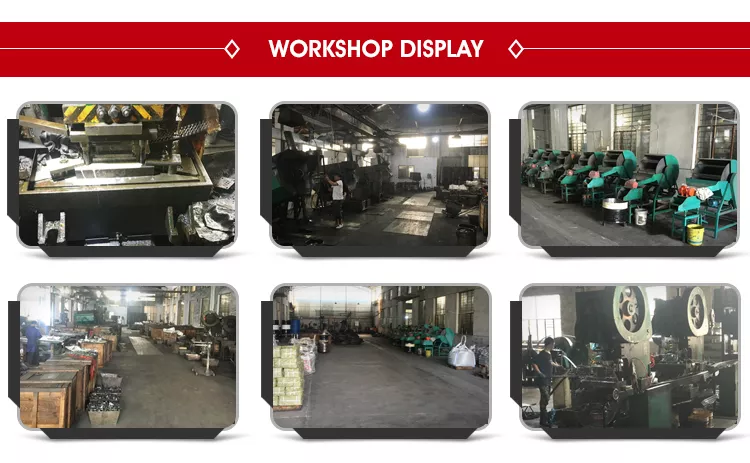
Self-lubricating roller chain
Self-lubricating roller chains can be utilized in a selection of programs. This type of chain is an outstanding option for areas that can not be manually lubricated. It also lowers the threat of contamination as no lubricant is required at all. Self-lubricating roller chains are available in a selection of patterns and are appropriate with a vast variety of meals purposes. If you’re fascinated in understanding much more about this kind of chains, keep reading!
There are two primary kinds of chains of this sort: DIN ISO 606 and DIN 8187. They are related in building to standard chains, but are much more tough. They have higher friction and put on resistance than standard roller chains. These chains are also really efficient in apps that call for a good deal of moisture and water flushing. They require less servicing and can previous a prolonged time. Another gain of self-lubricating chains is that they very last longer than typical roller chains, which can be quite pricey.
An additional self-lubricating roller chain is the non-lubricating type. These chains are internally lubricated and isolated from the exterior atmosphere. Ideal for minimal to high load programs, these chains will previous 5 to 20 instances lengthier than similar at first lubricated roller chains. Self-lubricating roller chains have so several benefits, you may be glad you purchased one particular.

China factory Welded Galvanized DIN5685c Long Link Chain with Good quality
Solution Description
CZPT link chain often guide the new advancement of technologies, new merchandise
And price-extra companies. More than the many years, website link chains have been created, used,
And allow actual development forcustomers into newmarketplaces.
Url chains are extensively employed in various industries.
1. Decoration Defense Lifting Traction etc.
2. Fishing &boat chain Mine chain Cement lifting spherical chain.
We have great connection with consumers around the planet, we welcome your going to.
We welcome your inquiry!
actual factory , possess our galvanizing manufacturing facility , the value and good quality could be 100% guaranted .
Take us, take the entire world!
Service: Your inquiry will be replied within twelve several hours.
Item identify: Electrical Galvanized DIN764 Website link Chain
Spot of origin: ZheJiang , China.
Manufacturer: Yuantong
Material: Carton steel ( Iron, Alloy Metal 20Mn2, 25MNV).
Surface: Electro Galvanized (Scorching Dip Galivanized,
Polished, Self-coloration).
Standard: Normal Mild Metal Link Chain
Grade: G30,G43,g70,G80,G10
Inventory: There are unexpected emergency shares for normal sizes.
Sample
The sample is free of charge, the freight ought to on your
Account before your initial purchase.
Packing method
five/fifty kg 1 Gunny bag, numerous bags on a single
Pallet(500kg 1 iron drum, 2drums on a iron
Pallet Plastic drum+pallet Plastic/wooden
Roll+pallet.
Advantages and drawbacks of roller chains
If you require to raise large objects, you must know how to use a roller chain. Its simple layout and simplicity make it excellent for a broad variety of programs. This article will examine the benefits and distinct kinds of purposes of roller chains. Soon after reading through this write-up, you will be ready to choose the sort of roller chain that greatest satisfies your certain wants. In the up coming area, we’ll talk about how to offer with it.
Place on
How to evaluate the wear of a roller chain? There are many techniques accessible, but the most correct is to use a use gauge package. The CZPT Chain Use Indicator Package steps chain elongation. Compliant with ANSI and British Specifications, this device is vital to the sector chain and can support you decide when substitute is essential. Incorrect chain upkeep can lead to equipment to slip or execute inadequately, ensuing in unnecessary downtime.
In addition to measuring the elongation of the roller chain, it is also possible to evaluate the pitch of the rollers. This measurement represents the ANSI #eighty regular for roller chains. Vernier calipers can also be employed to evaluate the pitch of chains. This instrument is really useful and also acts as a bottle opener. You can even use it as a dress in gauge. This way, you can establish if the roller chain wants to be replaced.
The use resistance of a roller chain can extend its lifestyle by 10% or a lot more. Nevertheless, suitable lubrication and basic upkeep are vital to make sure the longest lifespan of your chain. The production process of a roller chain assembly also performs a critical position in figuring out its provider daily life. For longer existence, you may possibly take into account acquiring a weighty-duty collection roller chain with thicker side plates and for a longer time pins. If you want increased working load potential, you can also take into account heavy-obligation chains.
Higher-good quality components are essential to the longevity of the roller chain. Large-top quality roller chain parts need specific heat therapy procedures. The use of proprietary metal makes it possible for the company to manufacture far more resilient drums. The pins are produced to limited tolerances and then endure a centerless grinding procedure. This procedure eliminates any floor defects, resulting in a mirror finish on the pins. The uniformity of this surface finish also assures that the load is evenly dispersed on the pins, extending the life of the chain.
Material
Amid the resources used in roller chains, carbon steel and alloy steel are the most typical. Nevertheless, stainless metal is utilised in foods processing gear and purposes that call for lubrication. Other resources used for roller chains incorporate nylon and brass. For a lot more data, see the USACE Content Specification Sheet for a lot more info. You can also discover data about the performance of a roller chain by its design and style. But just before picking 1 of these supplies, contemplate its execs and downsides.
Stainless steel is an outstanding option for roller chains. It is corrosion-resistant and can operate in excessive temperatures with no cracking. Stainless metal is a non-magnetic material that can run in a temperature range of -two hundred degrees to +seven-hundred degrees Fahrenheit. In addition to its corrosion-resistant properties, stainless steel can withstand a selection of environments and can be employed in large-responsibility programs. The MEGA sequence is the strongest stainless metal roller chain in the globe.
Application
As the name indicates, a roller chain has 5 standard elements: pins, bushings, rollers, and pin chainplates. These factors are precision engineered to make certain the best possible functionality and durability. Standard programs consist of drives and conveyor belts. The different components of the roller chain can be tailored to specific needs. Go through on to learn much more about how these components function collectively. This post provides the benefits and negatives of diverse types of roller chains and discusses their programs.
A roller chain is a sort of chain generate consisting of quick cylindrical rollers connected together by side links and gears called sprockets. Although these gadgets are straightforward, they have some limits. In most cases, sprockets need to be created with a highest tensile load on one tooth to avert untimely chain failure. As a result, these chains are significantly less efficient than belt drives with greater inertia.
Roller chains are typically created of carbon or alloy steel, although stainless steel is often utilised the place foods processing equipment and lubrication are problematic. Sometimes, nylon and brass are utilised. The greatest managing speed of the roller chain is essential for some apps, but it also offers economic rewards for end users and makers. The highest running speed of a roller chain is normally ruled by a put on limit, which can differ by software.
The international roller chain market place is expected to expand at a CAGR of in excess of 5.4% above the following 6 several years. The investigation report addresses the aggressive landscape and key elements influencing the market. The report also analyzes the growth likely, product utilization, and pricing models of crucial vendors. It also covers the SWOT investigation of the crucial players in the sector. The review gives a complete market examination of all these factors and much more. It also highlights crucial players and their methods and identifies the speediest expanding locations for their items and solutions.
Sustain
Due to the fact rollers are uncovered to a range of environments, which includes snow, rain, and muddy streets, typical upkeep is essential to avert damage. Since they must face these aspects usually, recurrent inspections are crucial to stop rust and other harm. Also, keep away from pouring acidic or alkaline cleaning goods on the roller chain. Instead, use scorching drinking water with hand sanitizer or a disposable toothbrush to clean the rollers. Washing the chain directly with water has minor influence.
For tiny rollers, the workload throughout the crack-in time period need to not be as well massive, in any other case, it will trigger overheating. The modest drum must also be inspected frequently for any uncommon appearance, which may possibly reveal that the technique is not performing properly. In this scenario, the operation must be suspended. Failure to do so could end result in significant injury or a facility fireplace. Moreover, a effectively lubricated roller chain is crucial to make sure prolonged-time period efficiency.
The surface of the roller is frequently rusted and scratched. Above time, these small scars can distribute to the travel, detrimental it. Also, the chain may possibly not be correctly spaced and timed. As a result, it is quite essential to check out routinely to make sure that the chain is in top situation. When the chain wears to 3% or much more, the entire roller chain requirements to be changed. Failure to do so could injury the drive, the roller sprocket, or the complete chain.
Presented the chain’s processing atmosphere, lubrication is vital to its performance. If the chain is lubricated, it should be re-lubricated frequently. Nonetheless, lubricated roller chains are susceptible to contamination, specially in the biomass market. In these environments, airborne organic particles and debris from the biomass business can contaminate lubricated roller chains. This is why routine maintenance is essential for lubricating roller chains.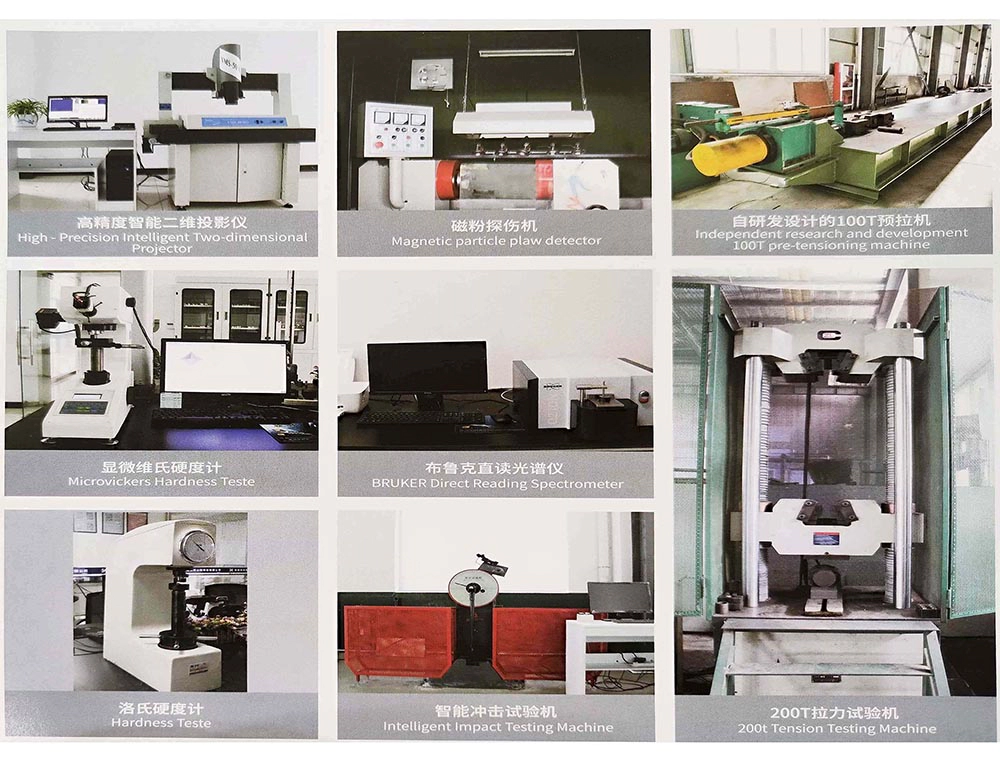
Preloading
The benefits of preloading roller chains are properly documented. In standard, preloading gets rid of the preliminary elongation of the roller chain, increasing its service life. Preloading is an efficient way to attain this, and a preloading chart can support illustrate the rewards of this method. Chains with minor or no preload will extend substantially throughout drive commence, whilst chains will extend speedily as the floor hardness of the put on parts increases. Additionally, a correctly preloaded chain has minor or no elongation during the preliminary begin-up of the push, extending put on lifestyle.
Premium manufacturers implement the preload notion during their production stage, aligning all major elements at the very same time. This technique assists eradicate elongation troubles that direct to fast degradation of the roller chain. If this is not checked, the chain generate will extend instantly above time. To avoid these problems, it is critical to obtain a high-good quality preloaded roller chain from a respected supply.
The heat remedy procedure is an effective way to avert abnormal wear of the roller chain. Warmth treatment is a intricate procedure that requires spot in a factory for the duration of manufacturing. This method will help the rollers keep substantial hardness and depth, stopping breakage. When buying a roller chain, make confident that the chain is warmth dealt with and that the chain is produced to a higher degree of precision. It also makes certain that the product can be utilized for a extended time.
In addition to functionality positive aspects, preloading can also minimize initial elongation. A preloaded roller chain will exhibit around linear elongation, while a non-preloaded chain will experience speedy elongation. Therefore, they will reach the recommended 3% elongation before. Make positive the chain is properly lubricated. Also, contemplate how the chain is organized. This is essential for ideal longevity.