Product Description
Product Description
Product Parameters
| Standard | GB, ISO, ANSI, DIN |
| Type | Standard A and standard B precision roller chain, conveyor chain; |
| special chain with accessories, welding chain, leaf chain and sprocket | |
| ANSI chain No. | 40,50,60,80,100,120,140,160,180,200,240; |
| C40,C50,C60,C80,C100,C120,C140,C160; | |
| DIN/ISO chain No. | 08A,10A,12A,16A,20A,24A,28A,32A,36A,40A,48A; |
| C08A,C10A,C12A,C16A,C20A,C24A,C28A,C32A; | |
| Application | Food processing, pharmaceutical and chemical industries, electronics, machinery; |
| household appliances, automotive manufacturing, metallurgy, sewage treatment | |
| Series | A series,B series |
More Products
Advantage
Certifications
DETAILS ABOUT CZPT CHAIN
Exhibition
Workshop
Application
Packaging Details
Shipping
FAQ
1. Are you a manufacturer or trade Company?
We are a factory founded in 1997 with a trade team for international service.
2. What terms of payment do you usually use?
T/T 30% deposit and 70% against document, Western Union, L/C at sight
3. What is your lead time for your goods?
Normally 35 days after confirmed order. 30 days could be available in the low season for some items (during May to July), and 45 days during the new year and hot season ( Jan to March).
4. Samples
For customers who need sample confirmation before ordering, please bear in mind that the following policy will be adopted:
1) All samples are free of charge with a maximum value not exceeding USD 100.
2) The courier cost for the first-time sample sending will be charged by the consignee. We will send the samples with freight to be collected. So please inform your account with FedEx, UPS, DHL, or TNT so that we can proceed promptly.
3) The first-time courier cost will be totally deducted from the contract value of the trial cooperation.
| Standard or Nonstandard: | Nonstandard |
|---|---|
| Application: | Textile Machinery, Garment Machinery, Conveyer Equipment, Packaging Machinery, Electric Cars, Motorcycle, Food Machinery, Marine, Mining Equipment, Agricultural Machinery, Car |
| Surface Treatment: | Polishing |
| Structure: | Roller Chain |
| Material: | Stainless Steel |
| Type: | Short Pitch Chain |
| Samples: |
US$ 0/Foot
1 Foot(Min.Order) | |
|---|
| Customization: |
Available
| Customized Request |
|---|

Can gripper chains be used in high-temperature environments?
Gripper chains are generally not recommended for use in high-temperature environments due to the limitations of their materials and construction. Gripper chains typically consist of metal links or plates with gripping elements, and these components may experience mechanical stress and degradation at elevated temperatures.
High temperatures can cause the materials of the gripper chain to weaken, leading to reduced strength, increased wear, and potential failure. Additionally, the lubricants used on the chains may break down or evaporate at high temperatures, further compromising their performance.
For high-temperature applications, alternative solutions such as heat-resistant conveyor belts, ceramic gripper systems, or specialized high-temperature conveying technologies are more suitable. These alternatives are specifically designed to withstand and operate effectively in extreme temperature conditions.
It is important to consider the specific temperature requirements and limitations of the gripper chain system. Manufacturers should consult with experts or suppliers who specialize in high-temperature conveying and gripping solutions to ensure the selection of an appropriate system that can withstand the intended operating conditions.

How do gripper chains handle heavy loads?
Gripper chains are specifically designed to handle heavy loads in various material handling applications. Here’s a more detailed explanation:
Gripper chains consist of sturdy chain links that are capable of supporting and carrying heavy items along a conveyor system. The gripper fingers or jaws, attached to the chain links, provide a secure grip on the products, ensuring they remain firmly held during transport.
When it comes to handling heavy loads, gripper chains offer several features and mechanisms to ensure reliable performance:
- Robust Construction: Gripper chains are constructed using high-strength materials such as alloy steel or stainless steel. These materials provide excellent durability and load-bearing capacity, enabling the chains to withstand heavy loads without deformation or failure.
- Enhanced Grip Strength: Gripper chains are equipped with gripper fingers or jaws that are designed to provide a strong and secure grip on heavy items. The gripping surfaces are often made of materials with high friction coefficients, ensuring optimal grip even under heavy load conditions.
- Adjustable Grip Force: Gripper chains allow for adjustable grip force, allowing the operator to set the appropriate level of gripping strength based on the weight and nature of the load. This flexibility ensures that heavy items are securely held without excessive pressure that could damage the products.
- Load Distribution: Gripper chains distribute the load evenly across multiple chain links, minimizing stress concentration on individual components. This design feature enhances the chain’s ability to handle heavy loads by spreading the weight over a larger surface area, reducing the risk of chain failure or damage.
- Anti-slip Mechanisms: Gripper chains often incorporate anti-slip features such as serrated or textured gripping surfaces on the fingers or jaws. These features enhance the chain’s grip on heavy items and prevent slippage, ensuring safe and secure transport.
By incorporating these design elements and features, gripper chains are able to effectively handle heavy loads in material handling applications. They provide reliable and secure gripping, ensuring the safe transportation of heavy items throughout the conveyor system.

What are the advantages of using a gripper chain in conveyor systems?
Using a gripper chain in conveyor systems offers several advantages that enhance the efficiency and effectiveness of material handling processes. Here are the detailed benefits:
- Improved Grip: Gripper chains are specifically designed to provide a secure grip on items being transported. They utilize gripper fingers or jaws that can securely hold various shapes, sizes, and weights of objects, minimizing the risk of slippage or product damage during transportation.
- Versatile Handling: Gripper chains offer versatility in handling different types of items. They can effectively handle products with irregular shapes, delicate surfaces, or varying dimensions, ensuring reliable and stable transport throughout the conveyor system.
- Flexible Application: Gripper chains can be utilized in various industries and applications, including packaging, assembly lines, automotive, pharmaceuticals, and food processing. Their adaptability makes them suitable for a wide range of product types and conveyor configurations.
- Accurate Positioning: Gripper chains enable precise positioning of items along the conveyor system. The gripper fingers or jaws can be designed to open and close at specific points, allowing for accurate placement or transfer of products onto subsequent conveyors or workstations.
- High Throughput: Gripper chains can facilitate high-speed conveying operations, ensuring efficient material flow and increased productivity. Their reliable grip and quick release mechanisms enable rapid item transfer, reducing cycle times and maximizing throughput.
- Reduced Product Damage: The secure grip provided by gripper chains minimizes the risk of product damage during transportation. The gripper fingers or jaws can be designed with materials or coatings that prevent marring or scratching delicate surfaces, ensuring the integrity and quality of the transported items.
- Enhanced Safety: Gripper chains enhance safety in conveyor systems by reducing the likelihood of items falling or becoming dislodged during transportation. This helps prevent accidents, product losses, and disruptions in the production process.
- Easy Integration: Gripper chains can be easily integrated into existing conveyor systems or customized to meet specific application requirements. They can be designed to fit various conveyor widths, pitches, and attachment methods, allowing for seamless integration and compatibility.
- Durable and Reliable: Gripper chains are built to withstand the rigors of industrial environments. They are constructed from high-quality materials such as stainless steel or hardened carbon steel, ensuring durability, longevity, and reliable performance even in demanding operating conditions.
By utilizing gripper chains in conveyor systems, businesses can achieve efficient, precise, and reliable material handling, leading to improved productivity, reduced product damage, and enhanced overall operational efficiency.


editor by CX 2023-08-17
China Hot selling Chains Supplier Customized Stainless Steel Short Pitch Precision (A series) Single Roller Chain
Product Description
Product Description
Product Parameters
| Standard | GB, ISO, ANSI, DIN |
| Type | Standard A and standard B precision roller chain, conveyor chain; |
| special chain with accessories, welding chain, leaf chain and sprocket | |
| ANSI chain No. | 40,50,60,80,100,120,140,160,180,200,240; |
| C40,C50,C60,C80,C100,C120,C140,C160; | |
| DIN/ISO chain No. | 08A,10A,12A,16A,20A,24A,28A,32A,36A,40A,48A; |
| C08A,C10A,C12A,C16A,C20A,C24A,C28A,C32A; | |
| Application | Food processing, pharmaceutical and chemical industries, electronics, machinery; |
| household appliances, automotive manufacturing, metallurgy, sewage treatment | |
| Series | A series, B series |
More Products
Advantage
Certifications
DETAILS ABOUT CZPT CHAIN
Exhibition
Workshop
Application
Packaging Details
Shipping
FAQ
1. Are you a manufacturer or trade Company?
We are a factory founded in 1997 with a trade team for international service.
2. What terms of payment do you usually use?
T/T 30% deposit and 70% against document, Western Union, L/C at sight
3. What is your lead time for your goods?
Normally 35 days after confirmed order. 30 days could be available in the low season for some items (during May to July), and 45 days during the new year and hot season ( Jan to March).
4. Samples
For customers who need sample confirmation before ordering, please bear in mind that the following policy will be adopted:
1) All samples are free of charge with a maximum value not exceeding USD 100.
2) The courier cost for the first-time sample sending will be charged by the consignee. We will send the samples with freight to be collected. So please inform your account with FedEx, UPS, DHL, or TNT so that we can proceed promptly.
3) The first-time courier cost will be totally deducted from the contract value of the trial cooperation.
4) OEM/ODM are both available.
| Usage: | Transmission Chain, Conveyor Chain, Dedicated Special Chain |
|---|---|
| Material: | Stainless steel |
| Surface Treatment: | Polishing |
| Feature: | Heat Resistant |
| Chain Size: | 1/2"*3/32" |
| Structure: | Roller Chain |
| Samples: |
US$ 0/Foot
1 Foot(Min.Order) | |
|---|
| Customization: |
Available
| Customized Request |
|---|

How do gripper chains handle product accumulation and spacing?
Gripper chains are designed to handle product accumulation and spacing in conveyor systems efficiently. Here’s a detailed explanation of how gripper chains accomplish this:
Gripper chains use specialized gripper elements or attachments that securely hold and move products along the conveyor. These gripper elements are strategically placed on the chain at specific intervals to create gaps or spacing between the products.
Product accumulation:
Gripper chains allow for controlled product accumulation when there is a temporary interruption in the downstream processing or when the downstream equipment operates at a slower speed. The gripper elements are designed to hold the products securely in place while allowing them to accumulate without causing any damage or jamming. The spacing between the gripper elements determines the capacity for product accumulation.
When the downstream process resumes or the equipment speeds up, the gripper chain system releases the accumulated products in a controlled manner, ensuring smooth and continuous movement along the conveyor.
Product spacing:
Gripper chains also play a crucial role in maintaining consistent spacing between products on the conveyor. The gripper elements are designed to position and hold the products at a predetermined distance from each other. This controlled spacing is important in applications where product orientation, inspection, labeling, or other processing steps require a specific gap between the products.
The design of the gripper elements, including their shape, size, and grip strength, is optimized to securely hold the products while allowing for precise spacing. The spacing between the gripper elements can be adjusted to meet the requirements of the application.
Overall, gripper chains provide a reliable and efficient method for product accumulation and spacing in conveyor systems. They ensure proper product flow, prevent jamming, and enable smooth and controlled movement, ultimately enhancing the productivity and efficiency of the handling or processing operation.
What are the maintenance requirements for gripper chains?
Maintaining gripper chains is essential to ensure their optimal performance and longevity. Here’s a detailed explanation of the maintenance requirements:
1. Regular Cleaning: Gripper chains should be cleaned regularly to remove any debris, dirt, or accumulated residues that can affect their operation. Use a mild detergent or cleaning solution and a brush to clean the chain links, gripper fingers, and jaws. Rinse thoroughly and dry before reinstallation.
2. Inspect for Wear and Damage: Regularly inspect the gripper chains for signs of wear, damage, or deformation. Check for any broken or worn gripper fingers, damaged chain links, or misalignment. Replace any worn or damaged components promptly to prevent further issues.
3. Lubrication: Proper lubrication is essential for smooth operation and reduced friction. Apply lubricant to the chain links and gripper fingers/jaws according to the manufacturer’s recommendations. Use a lubricant specifically designed for high-load and conveyor applications.
4. Tension Adjustment: Check the tension of the gripper chains regularly. Ensure that they are properly tensioned to prevent excessive slack or over-tightening, which can affect the gripping performance and lifespan of the chains. Adjust the tension as needed according to the manufacturer’s guidelines.
5. Replace Worn Components: As gripper chains are subjected to wear during operation, it’s important to monitor the condition of the gripper fingers, jaws, and chain links. Replace any worn or damaged components promptly to maintain the chain’s performance and grip strength.
6. Monitor Alignment: Check the alignment of the gripper chains to ensure they are properly aligned with the sprockets. Misalignment can cause premature wear and reduce the effectiveness of the gripping action. Adjust the alignment as necessary.
7. Operational Environment: Consider the operating environment and take appropriate measures to protect the gripper chains from excessive moisture, extreme temperatures, or exposure to corrosive substances. Implement proper guarding and regular inspections to prevent foreign objects from entering the chain assembly.
8. Follow Manufacturer’s Guidelines: Always refer to the manufacturer’s guidelines and recommendations for specific maintenance procedures, lubrication intervals, and any special considerations for the gripper chains in your particular application.
By following these maintenance requirements, you can ensure that your gripper chains remain in optimal condition, providing reliable gripping performance and prolonging their lifespan.

What are the common applications of gripper chains?
Gripper chains find application in various industries where precise control and secure gripping of items during transportation or assembly processes are required. Here’s a detailed answer:
- Automotive Industry: Gripper chains are used in automotive manufacturing processes for tasks such as transferring components along assembly lines, controlling the position of parts during painting or surface treatment, and guiding items through robotic workstations.
- Electronics Industry: Gripper chains are utilized in electronics manufacturing for handling delicate electronic components during assembly, PCB (Printed Circuit Board) testing and inspection, and guiding items through automated processes.
- Food and Beverage Industry: Gripper chains are employed in food processing and packaging systems to control the movement and positioning of products on conveyors, ensuring proper alignment, packaging, and labeling.
- Pharmaceutical Industry: Gripper chains are used in pharmaceutical manufacturing for precise handling and control of vials, bottles, blister packs, or other medication containers during filling, capping, labeling, and packaging processes.
- Logistics and Distribution: Gripper chains play a role in logistics and distribution centers, facilitating the sorting, routing, and handling of packages and parcels on conveyor systems.
- Textile Industry: Gripper chains are utilized in textile machinery to control the movement and tension of fabrics during weaving, knitting, or printing processes.
- Printing and Packaging Industry: Gripper chains find application in printing presses and packaging machines to hold and control the movement of paper, cardboard, or other materials during printing, cutting, folding, or packaging operations.
These are just a few examples of the common applications of gripper chains. The versatility and customizable nature of gripper chains make them suitable for various industries where precise item control, positioning, and secure gripping are essential for efficient and reliable processes.
editor by CX 2023-08-16
China supplier DIY Metal Stainless Steel Fancy Link Chains Tb21087
Product Description
We adhere steady and long-term operation development, at the same time, by virtue of strong talent resources, strict production management and business philosophy, Through the accumulation of experience and tireless pursuit of the future and consummate, constantly self innovation, technology innovation, management innovation, and business ideas innovative, adapt to today’ S product development the trend, to provide you with good quality, competitive price, more stylish products(Stainless steel fashion chain,Copper fashion chain,Alloy fashion chain,Iron fashion chain,Aluminum fashion chain,Metal Accessories).
Advantage:
1/ Different size, color and material can be available.
2/ OEM/Customers’ design are welcome!
3/ Available standard: Lead free, nickel free & environment friendly
4/ Order quantity as showed on the above choose.
5/ As We have our own factory and company. We also can produce large orders.
6/We can print the customers’ logo as per the customer’s request;
7/ Good quality with competitive price, and timely delivery.
8/ With many years experience in foreign trade will help provide you good & warm service.
Package:
Normally each packed in a PP bag.
We have right to export the goods by ourself. Our products are selling well in the oversea
Market, because of our newly popular design, excellent quality, reasonable price, best
Service, prompt delivery;
Welcome customers to place orders from us. We believe that you will be our regular customer
After you cooperate with us.
| Color | Nickel , gold , light gold ,rose gold, gunmetal , black , antique brass , brushed antique brass , antique silver, brushed antique silver …etc. Can custom the color as your requirements |
| Surface treatment | Electroplating |
| Length | Can custom the length as your requirements |
| MOQ | 300 yards |
| Price Term | EXW , FOB , CIF , DDP (Delivery to your office) |
| Delivery Time | 10-15 days |
| Payment Term | T/T , WESTERN UNION , PAYPAL |
| Eco-friendly | Nickel free , lead free … |
| Corrosion resistance test | ≥24hours ; ≥48 hours ; as your requests |
| Sample | If we have stock , we can offer free samples.but you should pay the freight charge |
| Support OEM / ODM | |
| Material: | Stainless Steel |
|---|---|
| Plating: | Silver, Rhodium, Gold, Anti-Silver, Copper, Platinum |
| Pendant Shape: | Bead |
| Suitable for: | Female, Male, Children, Elderly |
| Style: | Fashion |
| Usage: | Decoration, Religious |
| Samples: |
US$ 50.00/Piece
1 Piece(Min.Order) | |
|---|
| Customization: |
Available
| Customized Request |
|---|

What are the key components of a gripper chain system?
A gripper chain system consists of several key components that work together to facilitate the gripping and conveying of items. These components include:
- Gripper Chain: The gripper chain itself is the central component of the system. It is a continuous loop of interconnected links, typically made of metal or plastic. The chain features integrated grippers or attachments that securely hold and transport items during the conveying process.
- Gripper Attachments: Gripper attachments are the specialized components attached to the chain at regular intervals. They come in various shapes and designs, depending on the application requirements. Gripper attachments are responsible for gripping and releasing the items being conveyed.
- Drive System: The drive system consists of the motor, gearbox, and other power transmission components that provide the necessary driving force to move the gripper chain. It ensures smooth and controlled motion of the chain throughout the conveying process.
- Tensioning System: To maintain proper tension and prevent slack in the gripper chain, a tensioning system is used. It typically includes tensioning devices such as tensioners, idlers, or tensioning sprockets that help keep the chain taut and ensure reliable operation.
- Support Structure: The gripper chain system requires a support structure to hold and guide the chain along the desired conveying path. This structure may include guide rails, support brackets, and other components that provide stability and alignment for the chain.
- Control System: The control system includes sensors, actuators, and a programmable logic controller (PLC) or a computerized control unit. It regulates the speed, direction, and operation of the gripper chain system, allowing for precise control and coordination of the conveying process.
- Safety Features: Gripper chain systems often incorporate safety features to protect operators and prevent accidents. These features may include emergency stop buttons, safety interlocks, protective enclosures, and sensors to detect any abnormalities or hazards during operation.
By combining these key components, gripper chain systems provide efficient and reliable conveying of items in a wide range of industrial applications.

Are there any safety considerations when working with gripper chains?
Working with gripper chains requires adherence to safety protocols to prevent accidents and ensure the well-being of personnel. Here are some important safety considerations:
1. Training and Education: Ensure that operators and maintenance personnel receive proper training on the safe use, handling, and maintenance of gripper chains. They should be familiar with the equipment’s operation, safety procedures, and emergency protocols.
2. Protective Equipment: Personnel working with gripper chains should wear appropriate personal protective equipment (PPE) such as safety glasses, gloves, and protective clothing. This safeguards against potential hazards like sharp edges, pinch points, or flying debris.
3. Lockout/Tagout Procedures: Implement lockout/tagout procedures when performing maintenance or repair tasks on equipment involving gripper chains. This ensures that machinery is de-energized and cannot be accidentally started, reducing the risk of injury.
4. Machine Guarding: Install proper machine guarding to prevent accidental contact with moving parts, including gripper chains. Use barriers, shields, or enclosures to minimize the risk of injury caused by inadvertent contact.
5. Proper Lifting Techniques: When handling heavy gripper chains or related components, employ proper lifting techniques to avoid strains or injuries. Use lifting equipment, such as cranes or hoists, if necessary.
6. Regular Inspections: Conduct routine inspections of gripper chains to identify any signs of wear, damage, or misalignment. Address any issues promptly to prevent accidents or equipment failure.
7. Safe Work Practices: Follow safe work practices, such as keeping hands and clothing clear of moving parts, avoiding reaching into the machinery during operation, and using tools or equipment only for their intended purposes.
8. Emergency Preparedness: Have clear emergency procedures in place, including evacuation plans and access to first aid kits. Train personnel on emergency response protocols and ensure that they are aware of emergency stop buttons or switches.
9. Read and Follow Manuals: Familiarize yourself with the manufacturer’s instructions, safety guidelines, and warnings provided in the equipment manuals. Adhere to their recommendations and limitations.
It is essential to prioritize safety when working with gripper chains to mitigate potential risks and create a safe working environment for all personnel involved.
What are the advantages of using a gripper chain in conveyor systems?
Using a gripper chain in conveyor systems offers several advantages that enhance the efficiency and effectiveness of material handling processes. Here are the detailed benefits:
- Improved Grip: Gripper chains are specifically designed to provide a secure grip on items being transported. They utilize gripper fingers or jaws that can securely hold various shapes, sizes, and weights of objects, minimizing the risk of slippage or product damage during transportation.
- Versatile Handling: Gripper chains offer versatility in handling different types of items. They can effectively handle products with irregular shapes, delicate surfaces, or varying dimensions, ensuring reliable and stable transport throughout the conveyor system.
- Flexible Application: Gripper chains can be utilized in various industries and applications, including packaging, assembly lines, automotive, pharmaceuticals, and food processing. Their adaptability makes them suitable for a wide range of product types and conveyor configurations.
- Accurate Positioning: Gripper chains enable precise positioning of items along the conveyor system. The gripper fingers or jaws can be designed to open and close at specific points, allowing for accurate placement or transfer of products onto subsequent conveyors or workstations.
- High Throughput: Gripper chains can facilitate high-speed conveying operations, ensuring efficient material flow and increased productivity. Their reliable grip and quick release mechanisms enable rapid item transfer, reducing cycle times and maximizing throughput.
- Reduced Product Damage: The secure grip provided by gripper chains minimizes the risk of product damage during transportation. The gripper fingers or jaws can be designed with materials or coatings that prevent marring or scratching delicate surfaces, ensuring the integrity and quality of the transported items.
- Enhanced Safety: Gripper chains enhance safety in conveyor systems by reducing the likelihood of items falling or becoming dislodged during transportation. This helps prevent accidents, product losses, and disruptions in the production process.
- Easy Integration: Gripper chains can be easily integrated into existing conveyor systems or customized to meet specific application requirements. They can be designed to fit various conveyor widths, pitches, and attachment methods, allowing for seamless integration and compatibility.
- Durable and Reliable: Gripper chains are built to withstand the rigors of industrial environments. They are constructed from high-quality materials such as stainless steel or hardened carbon steel, ensuring durability, longevity, and reliable performance even in demanding operating conditions.
By utilizing gripper chains in conveyor systems, businesses can achieve efficient, precise, and reliable material handling, leading to improved productivity, reduced product damage, and enhanced overall operational efficiency.
editor by CX 2023-08-14
China Professional Women Fashion Stainless Steel Chains Waterproof Tb21105
Product Description
We adhere steady and long-term operation development, at the same time, by virtue of strong talent resources, strict production management and business philosophy, Through the accumulation of experience and tireless pursuit of the future and consummate, constantly self innovation, technology innovation, management innovation, and business ideas innovative, adapt to today’ S product development the trend, to provide you with good quality, competitive price, more stylish products(Stainless steel fashion chain,Copper fashion chain,Alloy fashion chain,Iron fashion chain,Aluminum fashion chain,Metal Accessories).
Advantage:
1/ Different size, color and material can be available.
2/ OEM/Customers’ design are welcome!
3/ Available standard: Lead free, nickel free & environment friendly
4/ Order quantity as showed on the above choose.
5/ As We have our own factory and company. We also can produce large orders.
6/We can print the customers’ logo as per the customer’s request;
7/ Good quality with competitive price, and timely delivery.
8/ With many years experience in foreign trade will help provide you good & warm service.
Package:
Normally each packed in a PP bag.
We have right to export the goods by ourself. Our products are selling well in the oversea
Market, because of our newly popular design, excellent quality, reasonable price, best
Service, prompt delivery;
Welcome customers to place orders from us. We believe that you will be our regular customer
After you cooperate with us.
| Color | Nickel , gold , light gold ,rose gold, gunmetal , black , antique brass , brushed antique brass , antique silver, brushed antique silver …etc. Can custom the color as your requirements |
| Surface treatment | Electroplating |
| Length | Can custom the length as your requirements |
| MOQ | 300 yards |
| Price Term | EXW , FOB , CIF , DDP (Delivery to your office) |
| Delivery Time | 10-15 days |
| Payment Term | T/T , WESTERN UNION , PAYPAL |
| Eco-friendly | Nickel free , lead free … |
| Corrosion resistance test | ≥24hours ; ≥48 hours ; as your requests |
| Sample | If we have stock , we can offer free samples.but you should pay the freight charge |
| Support OEM / ODM | |
| Material: | Stainless Steel |
|---|---|
| Plating: | Silver, Rhodium, Gold, Anti-Silver, Copper, Platinum |
| Pendant Shape: | Bead |
| Suitable for: | Female, Male, Children, Elderly |
| Style: | Fashion |
| Usage: | Decoration, Religious |
| Samples: |
US$ 50.00/Piece
1 Piece(Min.Order) | |
|---|
| Customization: |
Available
| Customized Request |
|---|
What are the factors to consider when designing a gripper chain system?
Designing a gripper chain system involves considering various factors to ensure optimal performance and functionality. Here are some key factors to consider:
- Application requirements: Understand the specific requirements of the application, including the type of product to be conveyed or gripped, the desired speed and throughput, the environmental conditions, and any regulatory or industry-specific standards that need to be met.
- Load capacity: Determine the maximum load the gripper chain system needs to handle. Consider the weight, size, and shape of the products to be conveyed or gripped, as well as any dynamic or impact loads that may be present.
- Gripping mechanism: Choose the appropriate gripper elements or attachments based on the product characteristics and the required grip strength. Consider factors such as grip surface area, material compatibility, and the ability to release the product smoothly and accurately.
- Chain configuration: Select the appropriate chain type, pitch, and width based on the load requirements, speed, and available space. Consider factors such as the desired conveying or gripping motion, the required flexibility, and the overall system layout.
- Material selection: Choose materials for the chain links, gripper elements, and other components that are compatible with the product being conveyed or gripped, as well as the operating environment. Consider factors such as corrosion resistance, wear resistance, and the ability to withstand any temperature or chemical exposures.
- System integration: Ensure proper integration of the gripper chain system with the overall conveyor or handling equipment. Consider factors such as the sprocket design, drive mechanism, tensioning system, and any automation or control requirements.
- Maintenance and durability: Consider the ease of maintenance, accessibility for cleaning, and the expected lifespan of the gripper chain system. Choose components that are durable and reliable to minimize downtime and maximize operational efficiency.
It is crucial to work closely with experienced engineers, conveyor system manufacturers, or suppliers specializing in gripper chain systems to ensure the design meets the specific requirements of the application and delivers optimal performance and reliability.
Are there any safety considerations when working with gripper chains?
Working with gripper chains requires adherence to safety protocols to prevent accidents and ensure the well-being of personnel. Here are some important safety considerations:
1. Training and Education: Ensure that operators and maintenance personnel receive proper training on the safe use, handling, and maintenance of gripper chains. They should be familiar with the equipment’s operation, safety procedures, and emergency protocols.
2. Protective Equipment: Personnel working with gripper chains should wear appropriate personal protective equipment (PPE) such as safety glasses, gloves, and protective clothing. This safeguards against potential hazards like sharp edges, pinch points, or flying debris.
3. Lockout/Tagout Procedures: Implement lockout/tagout procedures when performing maintenance or repair tasks on equipment involving gripper chains. This ensures that machinery is de-energized and cannot be accidentally started, reducing the risk of injury.
4. Machine Guarding: Install proper machine guarding to prevent accidental contact with moving parts, including gripper chains. Use barriers, shields, or enclosures to minimize the risk of injury caused by inadvertent contact.
5. Proper Lifting Techniques: When handling heavy gripper chains or related components, employ proper lifting techniques to avoid strains or injuries. Use lifting equipment, such as cranes or hoists, if necessary.
6. Regular Inspections: Conduct routine inspections of gripper chains to identify any signs of wear, damage, or misalignment. Address any issues promptly to prevent accidents or equipment failure.
7. Safe Work Practices: Follow safe work practices, such as keeping hands and clothing clear of moving parts, avoiding reaching into the machinery during operation, and using tools or equipment only for their intended purposes.
8. Emergency Preparedness: Have clear emergency procedures in place, including evacuation plans and access to first aid kits. Train personnel on emergency response protocols and ensure that they are aware of emergency stop buttons or switches.
9. Read and Follow Manuals: Familiarize yourself with the manufacturer’s instructions, safety guidelines, and warnings provided in the equipment manuals. Adhere to their recommendations and limitations.
It is essential to prioritize safety when working with gripper chains to mitigate potential risks and create a safe working environment for all personnel involved.
What are the different types of gripper chains available?
A gripper chain, also known as a grip chain or gripper conveyor chain, comes in various types and configurations to accommodate different application requirements. These types can vary based on the design of the gripper attachments or the specific functionality they offer. Here’s a detailed answer to the question:
1. Curved Finger Gripper Chain: This type of gripper chain features curved fingers or attachments that provide a secure grip on items with curved surfaces or irregular shapes. The curved shape helps conform to the contour of the items, ensuring reliable gripping and preventing slippage during transportation.
2. Flat Finger Gripper Chain: Flat finger gripper chains have flat gripper attachments that are suitable for gripping items with flat surfaces. These chains are commonly used in applications where items need to be held flat or at a specific angle during transport or assembly.
3. Hook Gripper Chain: Hook gripper chains have hook-shaped gripper attachments that are designed to engage with items that have a handle or a hanging point. The hooks securely hold the items, allowing for convenient and controlled transportation.
4. Specialized Gripper Chain: In addition to the above types, there are specialized gripper chains available for specific applications. These may include chains with custom-designed gripper attachments to accommodate unique shapes or sizes of items. They are tailored to meet the specific requirements of the application, providing optimal gripping and transportation capabilities.
When selecting a gripper chain, it’s essential to consider factors such as the shape and size of the items being handled, the weight and load capacity requirements, the speed and precision of transport, and the environmental conditions. Proper selection ensures that the gripper chain performs effectively and reliably in the intended application.
Regular maintenance, including lubrication, tension adjustment, and periodic inspection of the gripper chain, is necessary to ensure optimal performance and extend its lifespan.
editor by CX 2023-08-10
China Standard High Quality Polished Stainless Steel Chains Without Plating
Product Description
We adhere steady and long-term operation development, at the same time, by virtue of strong talent resources, strict production management and business philosophy, Through the accumulation of experience and tireless pursuit of the future and consummate, constantly self innovation, technology innovation, management innovation, and business ideas innovative, adapt to today’ S product development the trend, to provide you with good quality, competitive price, more stylish products(Stainless steel fashion chain,Copper fashion chain,Alloy fashion chain,Iron fashion chain,Aluminum fashion chain,Metal Accessories).
Advantage:
1/ Different size, color and material can be available.
2/ OEM/Customers’ design are welcome!
3/ Available standard: Lead free, nickel free & environment friendly
4/ Order quantity as showed on the above choose.
5/ As We have our own factory and company. We also can produce large orders.
6/We can print the customers’ logo as per the customer’s request;
7/ Good quality with competitive price, and timely delivery.
8/ With many years experience in foreign trade will help provide you good & warm service.
Package:
Normally each packed in a PP bag.
We have right to export the goods by ourself. Our products are selling well in the oversea
Market, because of our newly popular design, excellent quality, reasonable price, best
Service, prompt delivery;
Welcome customers to place orders from us. We believe that you will be our regular customer
After you cooperate with us.
| Color | Nickel , gold , light gold ,rose gold, gunmetal , black , antique brass , brushed antique brass , antique silver, brushed antique silver …etc. Can custom the color as your requirements |
| Surface treatment | Electroplating |
| Length | Can custom the length as your requirements |
| MOQ | 300 yards |
| Price Term | EXW , FOB , CIF , DDP (Delivery to your office) |
| Delivery Time | 10-15 days |
| Payment Term | T/T , WESTERN UNION , PAYPAL |
| Eco-friendly | Nickel free , lead free … |
| Corrosion resistance test | ≥24hours ; ≥48 hours ; as your requests |
| Sample | If we have stock , we can offer free samples.but you should pay the freight charge |
| Support OEM / ODM | |
| Usage: | Shirts, Coats, Bra, Pants/Trousers |
|---|---|
| Gender: | Unisex |
| Age Group: | Adults |
| Transport Package: | Carton |
| Specification: | 7*15 mm |
| Samples: |
US$ 50/Piece
1 Piece(Min.Order) | |
|---|
| Customization: |
Available
| Customized Request |
|---|
Can gripper chains be used in abrasive or harsh environments?
Gripper chains are designed to be durable and resistant to various operating conditions, including abrasive or harsh environments. While the specific suitability depends on the materials and coatings used in the gripper chain construction, there are several features that enable gripper chains to handle such conditions:
- Material Selection: Gripper chains can be manufactured using materials that offer high resistance to abrasion and corrosion. Common materials include stainless steel, hardened steel, or plastic compounds with excellent wear resistance.
- Coatings and Surface Treatments: Applying specialized coatings or surface treatments to the gripper chain can enhance its resistance to abrasion and corrosion. For example, coatings like zinc plating or nickel plating provide an additional layer of protection against harsh environments.
- Sealed Design: Gripper chains can incorporate sealed or self-lubricating mechanisms to prevent the ingress of abrasive particles or contaminants. This helps to maintain smooth operation and prolong the chain’s lifespan in harsh environments.
- Robust Construction: Gripper chains are typically designed with robust construction to withstand the rigors of abrasive environments. This includes reinforced links, sturdy attachments, and secure fastening methods to ensure reliable operation even under challenging conditions.
- Regular Maintenance: To ensure optimal performance and longevity in abrasive environments, regular maintenance is essential. This may involve periodic cleaning, lubrication, and inspection of the gripper chain system to remove accumulated debris and identify any signs of wear or damage.
While gripper chains can handle abrasive or harsh environments, it is crucial to select the appropriate materials, coatings, and maintenance practices based on the specific conditions of the application. Consulting with industry experts or manufacturers can provide further guidance in choosing the most suitable gripper chain for abrasive environments.

Can gripper chains be used in high-speed applications?
Gripper chains are well-suited for use in high-speed applications that require rapid and precise handling of items. Here’s a more detailed explanation:
Gripper chains are designed to securely hold and transport items along a conveyor system. They utilize gripper fingers or jaws that can firmly grip products, preventing slippage or movement during transportation. The gripper fingers or jaws can be opened and closed at specific points along the chain, allowing for accurate positioning and release of items.
When it comes to high-speed applications, gripper chains offer several advantages:
- Quick and Reliable Operation: Gripper chains are designed to enable fast and efficient gripping and releasing of items. The gripper fingers or jaws can open and close rapidly, ensuring swift item transfer and reducing cycle times. This facilitates high-speed material handling operations, increasing overall system throughput.
- Secure Grip: Gripper chains provide a secure grip on items, even at high speeds. The design of the gripper fingers or jaws ensures that products remain firmly held throughout the conveying process, minimizing the risk of slippage or product damage.
- Precise Positioning: Gripper chains allow for precise positioning of items at high speeds. The opening and closing of the gripper fingers or jaws can be accurately timed to ensure accurate placement of products onto subsequent conveyors or workstations, maintaining product integrity and reducing the need for manual adjustments or corrections.
- Smooth Operation: Gripper chains are engineered to minimize vibration and noise, contributing to smooth operation even at high speeds. This is essential for maintaining system stability and ensuring consistent product flow.
- Customizable Design: Gripper chains can be customized to meet the specific requirements of high-speed applications. The design, materials, and construction of the gripper fingers or jaws can be optimized for high-speed operation, considering factors such as acceleration, deceleration, and impact forces.
Overall, gripper chains offer reliable and efficient performance in high-speed applications, providing secure gripping, precise positioning, and fast item transfer. By using gripper chains, businesses can achieve increased productivity, reduced cycle times, and enhanced operational efficiency in their high-speed material handling processes.
What are the common applications of gripper chains?
Gripper chains find application in various industries where precise control and secure gripping of items during transportation or assembly processes are required. Here’s a detailed answer:
- Automotive Industry: Gripper chains are used in automotive manufacturing processes for tasks such as transferring components along assembly lines, controlling the position of parts during painting or surface treatment, and guiding items through robotic workstations.
- Electronics Industry: Gripper chains are utilized in electronics manufacturing for handling delicate electronic components during assembly, PCB (Printed Circuit Board) testing and inspection, and guiding items through automated processes.
- Food and Beverage Industry: Gripper chains are employed in food processing and packaging systems to control the movement and positioning of products on conveyors, ensuring proper alignment, packaging, and labeling.
- Pharmaceutical Industry: Gripper chains are used in pharmaceutical manufacturing for precise handling and control of vials, bottles, blister packs, or other medication containers during filling, capping, labeling, and packaging processes.
- Logistics and Distribution: Gripper chains play a role in logistics and distribution centers, facilitating the sorting, routing, and handling of packages and parcels on conveyor systems.
- Textile Industry: Gripper chains are utilized in textile machinery to control the movement and tension of fabrics during weaving, knitting, or printing processes.
- Printing and Packaging Industry: Gripper chains find application in printing presses and packaging machines to hold and control the movement of paper, cardboard, or other materials during printing, cutting, folding, or packaging operations.
These are just a few examples of the common applications of gripper chains. The versatility and customizable nature of gripper chains make them suitable for various industries where precise item control, positioning, and secure gripping are essential for efficient and reliable processes.
editor by CX 2023-07-25
China wholesaler Chains Supplier Customized Stainless Steel Short Pitch Precision (A series) Single Roller Chain
Product Description
Product Description
Product Parameters
| Standard | GB, ISO, ANSI, DIN |
| Type | Standard A and standard B precision roller chain, conveyor chain; |
| special chain with accessories, welding chain, leaf chain and sprocket | |
| ANSI chain No. | 40,50,60,80,100,120,140,160,180,200,240; |
| C40,C50,C60,C80,C100,C120,C140,C160; | |
| DIN/ISO chain No. | 08A,10A,12A,16A,20A,24A,28A,32A,36A,40A,48A; |
| C08A,C10A,C12A,C16A,C20A,C24A,C28A,C32A; | |
| Application | Food processing, pharmaceutical and chemical industries, electronics, machinery; |
| household appliances, automotive manufacturing, metallurgy, sewage treatment | |
| Series | A series, B series |
More Products
Advantage
Certifications
DETAILS ABOUT CZPT CHAIN
Exhibition
Workshop
Application
Packaging Details
Shipping
FAQ
1. Are you a manufacturer or trade Company?
We are a factory founded in 1997 with a trade team for international service.
2. What terms of payment do you usually use?
T/T 30% deposit and 70% against document, Western Union, L/C at sight
3. What is your lead time for your goods?
Normally 35 days after confirmed order. 30 days could be available in the low season for some items (during May to July), and 45 days during the new year and hot season ( Jan to March).
4. Samples
For customers who need sample confirmation before ordering, please bear in mind that the following policy will be adopted:
1) All samples are free of charge with a maximum value not exceeding USD 100.
2) The courier cost for the first-time sample sending will be charged by the consignee. We will send the samples with freight to be collected. So please inform your account with FedEx, UPS, DHL, or TNT so that we can proceed promptly.
3) The first-time courier cost will be totally deducted from the contract value of the trial cooperation.
4) OEM/ODM are both available.
| Usage: | Transmission Chain, Conveyor Chain, Dedicated Special Chain |
|---|---|
| Material: | Stainless steel |
| Surface Treatment: | Polishing |
| Feature: | Heat Resistant |
| Chain Size: | 1/2"*3/32" |
| Structure: | Roller Chain |
| Samples: |
US$ 0/Foot
1 Foot(Min.Order) | |
|---|
| Customization: |
Available
| Customized Request |
|---|
How do gripper chains handle product orientation and positioning?
Gripper chains are specifically designed to handle product orientation and positioning tasks in various industrial applications. These chains utilize specialized gripper attachments that securely hold and manipulate the products as they move along the conveying system. Here’s a detailed explanation of how gripper chains handle product orientation and positioning:
- Gripper Attachment Design: Gripper chains feature specially designed attachments or gripper fingers that are strategically positioned along the chain. These grippers are engineered to securely hold and manipulate the products during the conveying process.
- Flexible Gripper Configurations: Gripper chains can be configured in different arrangements to accommodate various product shapes and sizes. The gripper attachments can be customized to match the specific requirements of the application, allowing for effective product orientation and positioning.
- Precision and Control: Gripper chains offer precise control over the product positioning. The gripper attachments can be designed to exert the required amount of force to hold and manipulate the products without causing damage or misalignment.
- Adjustability: Some gripper chain systems feature adjustable gripper attachments that allow for quick and easy adaptation to different product sizes or orientations. This flexibility enables efficient handling of a wide range of products within the same conveying system.
- Smooth and Consistent Movement: Gripper chains are designed to ensure smooth and consistent movement of the products. This helps in maintaining the desired product orientation and positioning throughout the conveying process, minimizing the risk of misalignment or errors.
- Integration with Control Systems: Gripper chains can be integrated with control systems that provide precise coordination between the chain movement and the product manipulation. This allows for seamless product orientation and positioning based on the desired workflow or operational requirements.
Overall, gripper chains offer reliable and efficient handling of products, ensuring accurate orientation and positioning during the conveying process. By selecting the appropriate gripper chain design, gripper attachments, and control system integration, manufacturers can achieve precise control and consistency in product handling tasks.
How do gripper chains handle heavy loads?
Gripper chains are specifically designed to handle heavy loads in various material handling applications. Here’s a more detailed explanation:
Gripper chains consist of sturdy chain links that are capable of supporting and carrying heavy items along a conveyor system. The gripper fingers or jaws, attached to the chain links, provide a secure grip on the products, ensuring they remain firmly held during transport.
When it comes to handling heavy loads, gripper chains offer several features and mechanisms to ensure reliable performance:
- Robust Construction: Gripper chains are constructed using high-strength materials such as alloy steel or stainless steel. These materials provide excellent durability and load-bearing capacity, enabling the chains to withstand heavy loads without deformation or failure.
- Enhanced Grip Strength: Gripper chains are equipped with gripper fingers or jaws that are designed to provide a strong and secure grip on heavy items. The gripping surfaces are often made of materials with high friction coefficients, ensuring optimal grip even under heavy load conditions.
- Adjustable Grip Force: Gripper chains allow for adjustable grip force, allowing the operator to set the appropriate level of gripping strength based on the weight and nature of the load. This flexibility ensures that heavy items are securely held without excessive pressure that could damage the products.
- Load Distribution: Gripper chains distribute the load evenly across multiple chain links, minimizing stress concentration on individual components. This design feature enhances the chain’s ability to handle heavy loads by spreading the weight over a larger surface area, reducing the risk of chain failure or damage.
- Anti-slip Mechanisms: Gripper chains often incorporate anti-slip features such as serrated or textured gripping surfaces on the fingers or jaws. These features enhance the chain’s grip on heavy items and prevent slippage, ensuring safe and secure transport.
By incorporating these design elements and features, gripper chains are able to effectively handle heavy loads in material handling applications. They provide reliable and secure gripping, ensuring the safe transportation of heavy items throughout the conveyor system.

How do gripper chains compare to roller chains in terms of functionality?
Gripper chains and roller chains are two different types of chains designed for distinct purposes and applications. Here’s a detailed answer to the question:
Gripper Chains:
Gripper chains are specifically designed to provide a secure grip on items during transportation or assembly processes. They feature gripper attachments, such as fingers, hooks, or specialized designs, that engage with the items and hold them firmly in place. Gripper chains are commonly used in conveyor systems where items need to be held or controlled during movement.
The functionality of gripper chains includes:
- Secure grip: Gripper chains offer a reliable grip on items, preventing slippage or movement during transport.
- Accommodation of various shapes: Gripper chains can handle items with different shapes, including flat, curved, or items with handles or hanging points.
- Precision handling: Gripper chains allow for precise control over the position and orientation of the items, ensuring accurate assembly or processing.
Roller Chains:
Roller chains, on the other hand, are primarily used for power transmission applications. They consist of interconnected rollers that engage with sprockets to transmit rotational motion and power. Roller chains are commonly found in machinery, automotive systems, industrial equipment, and many other applications.
The functionality of roller chains includes:
- Power transmission: Roller chains efficiently transfer power from one rotating shaft to another, enabling the movement and operation of various mechanical components.
- Smooth operation: The rollers and links in roller chains facilitate smooth and reliable movement, reducing friction and ensuring efficient power transfer.
- Load-bearing capacity: Roller chains are designed to withstand high loads and provide reliable performance even under heavy-duty conditions.
While both gripper chains and roller chains serve specific purposes, they have different functionalities and applications. Gripper chains focus on securely gripping and controlling items during transportation or assembly, while roller chains excel in power transmission applications. The choice between the two depends on the specific requirements of the application, such as the need for gripping, power transmission, or a combination of both.
It’s important to consult with experts or manufacturers to determine the most suitable chain type for a particular application to ensure optimal functionality and performance.
editor by CX 2023-07-20
China 10pcslot Wholesale DIY Chains Necklace Jewelry 1.5mm Womens Gold Plated Stainless Steel Chain Choker custom roller chain
Model Number: kfx221117001
Jewelry Main Material: Stainless steel
Material Type: Other
Diamond shape: Other
Pearl Type: Other
Gender: Unisex, Women’s, Men’s, Children’s
Main Stone: none
Jewelry Type: NECKLACES
Necklaces Type: Pendant Necklaces
Occasion: Anniversary, Engagement, Gift, Party, TS8-25-66 Encode Coupling Hight Quality Factory Price polyester resin with glass fibars precision coupling setscrew type Wedding, Other
Certificate Type: None
Chain Type: Link Chain
Plating: Gold Plated, Gold Plated
Shape\pattern: chain
Style: CLASSIC, 1.5mm Chain Necklace
Religious Type: None
Inlay technology: Endless insert
Keyword: DIY Jewelry Accessories
Material: Stainless Steel
Color: Gold
Chain Size: 45cm,50cm
Weight: about 2- 3g/pc
Product name: Stainless Steel Chain Necklace
Usage: Women Assecciores
Packaging Details: With opp bag or as requirement
| Item | Stainless Steel Necklace |
| Key Word | Dainty Chain Necklace for Women |
| Material | Stainless Steel |
| Color | Gold,Silver |
| Style | Cute |
| Place of Origin | China |
| ZHangZhoug | |
| Brand Name | Summer Love |
| Occasion | Anniversary, Engagement, 100L 3HP 10BAR145PSI HOT SELL BELT DRIVE AIR COMPRESSOR Gift, Party, Wedding |
| Gender | Women’s,Men’s,Unisex’ Wholesale Injection Molding Machine Spare Parts Cnc Turning Drive Shaft Parts s |
| No. | kfx221117001 |
| Shapepattern | circle |
| Chain Size | 40cm,45m.50cm. |
| Pendant Size | none |
| Weight | about 2-3g/pc |
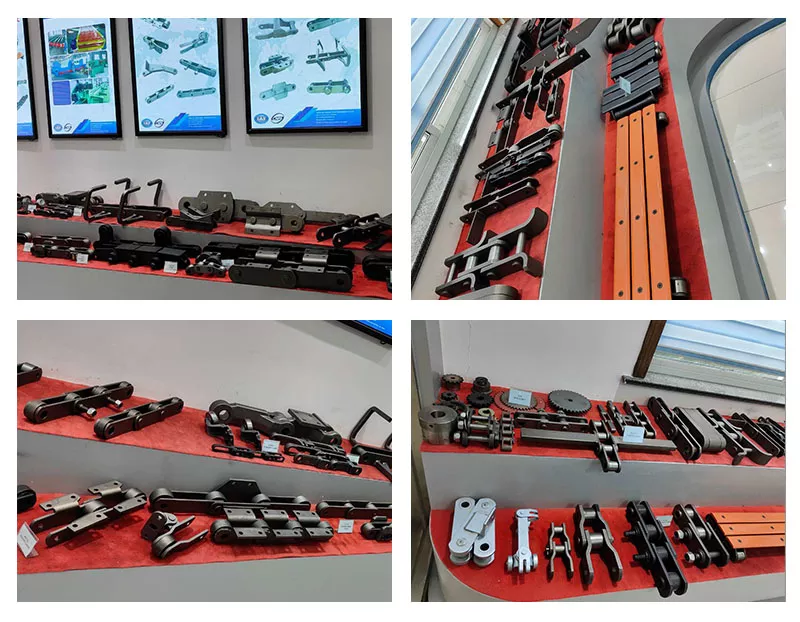
Roller Chain Maintenance Tips
There are many things to keep in mind when maintaining a roller chain. The main reasons include friction and external influences. Without proper lubrication and adjustment, such chains will wear prematurely. Here are some tips for keeping your roller chain in top shape. continue reading! This will make your process easier. We will also discuss the cost of the new roller chain. As always, remember to check for loose ends and adjust the chain regularly.
Preloading
Roller chains are designed to accommodate many different types of loads. Sprockets are the main cause of chain wear. Axial and angular misalignment occurs when the sprocket faces are not properly aligned. Both types of misalignment increase stress and wear on the roller chain. They can also negatively affect the drive. Therefore, choosing the right chain is an important consideration.
Preloading helps to eliminate initial elongation and extend service life. The benefits of preloading can be seen in the preloading chart. Significant elongation occurs during drive startup with no or minimal preload. This is due to the surface hardness of the worn parts. On the other hand, a properly preloaded chain shows little elongation during the initial start. Therefore, proper preload can prolong wear life.
Although elongation is a natural phenomenon in any drive, it can be minimized or eliminated with proper maintenance. In addition to regular inspections, you should do a full inspection of your chain after the first hundred hours. This inspection should focus on key life factors such as 3% elongation, how the chain is lubricated, and any other issues that may affect life. A good quality chain should have the longest life and no problems.
There are many different roller chain specifications. A good rule of thumb is to choose chains with at least five links. Then, tighten the chain until a break occurs, and it will tell you what kind of break occurred. Alternatively, you can use a roller chain with the maximum allowable load. As long as the MAL doesn’t exceed that number, it’s still perfectly safe to use it for any application.
lubricating
When it comes to lubrication, there are several different techniques. For example, spray lubrication is a popular method for high-horsepower drives and high-load and fast-moving machines. This method is very effective, but it is expensive, and spraying the chain too far out of the guard can cause leaks. Another common method is brush lubrication. Brush lubrication involves applying a continuous flow of oil to the chain, pushing it into the chain. This lubrication technique reduces the application temperature of the chain. Also, it can extend the life of the chain, depending on the manufacturer’s specifications.
While the lubrication of roller chain couplings varies by application, sprocket hubs should be lubricated monthly to ensure proper sealing. The amount of oil used depends on the rotational speed and the type of roller chain coupling. In general, lubricants used in roller chain couplings should have excellent adhesion, oxidation, and mechanical stability.
Wear-resistant lubricants are recommended. They prevent the rollers from sticking to each other and prevent rusting. These lubricants have low surface tension and are not harmful to metal or O-ring chains. The optimum lubrication method depends on ambient temperature, horsepower, and chain speed. Properly lubricating a roller chain increases the life of the chain and reduces the risk of wear.
Proper lubrication of the roller chain is essential to prevent corrosion and prolong its service life. The oil forms a smooth film on the chain components, reducing metal-to-metal contact and minimizing friction and wear. Additionally, the oil provides a smooth running surface and reduces noise. However, the running-in process of roller chain lubrication cannot be underestimated. When using heavy-duty oils, ensure that the lubricant is compatible with operating and ambient temperatures.
Maintain
To extend the life of your roller chain, you need to carry out regular inspections. First, you should check the T-pin on the link plate at the joint. If they are not connected properly, it can cause the chain to stretch and not maintain proper spacing and timing. Next, you should look for unusual noise, corrosion, and dirt that may indicate wear. If you notice any of these problems, it’s time to replace the chain.
In order to properly maintain a roller chain, both areas of the roller chain must be lubricated with the correct lubricant. Lubricants used should be SAE non-degreased oils. There are several types of lubricants available, but the best one is a petroleum-based oil with a high viscosity. You can also check for signs of wear, such as red or brown discoloration. This means that there is not enough lubrication.
While the life expectancy of a roller chain is unknown, it is important to know how to extend its life and maximize its effectiveness. Improper tension and alignment can shorten its life and place undue stress on the drive system and the chain itself. Incorrect tension can also lead to slippage and increased energy output. Therefore, you should calculate the tension and alignment of the chain during the initial installation. Check and adjust regularly.
Another way to extend the life of your rollers is to thoroughly clean the inside and outside of the rollers. You should also lubricate it frequently to prevent excessive heat buildup. Designed to prevent overheating by limiting the amount of work during break-ins. Additionally, regular inspections will help you catch anomalies early enough to stop operations. Last but not least, regular lubrication will prolong the life of the roller chain.
Cost
Buying a roller chain is a big decision, but initial cost shouldn’t be the only consideration. The cost of the roller chain itself, as well as the running costs, should be considered. Even the lowest-priced chains can be more expensive in the long run. Additionally, maintenance and energy costs may increase. The best roller chain for your business will be the one that best suits your needs. Listed below are some considerations to consider when purchasing a roller chain.
First, what material should you use? Roller chains come in many different materials. Stainless steel is a commonly used material in construction. Materials are selected based on the cost and design of chain horsepower transmission. Various manufacturing processes will determine which material is suitable for your application. Also, the weight of the chain will vary depending on its pitch and the construction technique used. A large part of the cost of a roller chain is on the drive sprocket.
Another consideration is installation cost. Roller chains are commonly used in agricultural and transportation applications, especially for agronomic products. If lubrication is your concern, maintenance-free chains are the best choice. Corrosion-resistant chains are ideal for wet environments. They are sold in boxed lengths, so replacing a longer length requires adding a shorter length. To avoid trouble, use the skateboard to help connect the links.
Another consideration is the overall width. The overall width of an open #40 roller chain may vary but should be at least 10 feet wide. Although it is not the most expensive type of roller chain, it will last longer. Using it correctly will increase its overall longevity, so it’s a good idea to choose it wisely. If your business uses roller chains regularly, the cost reduction is well worth it.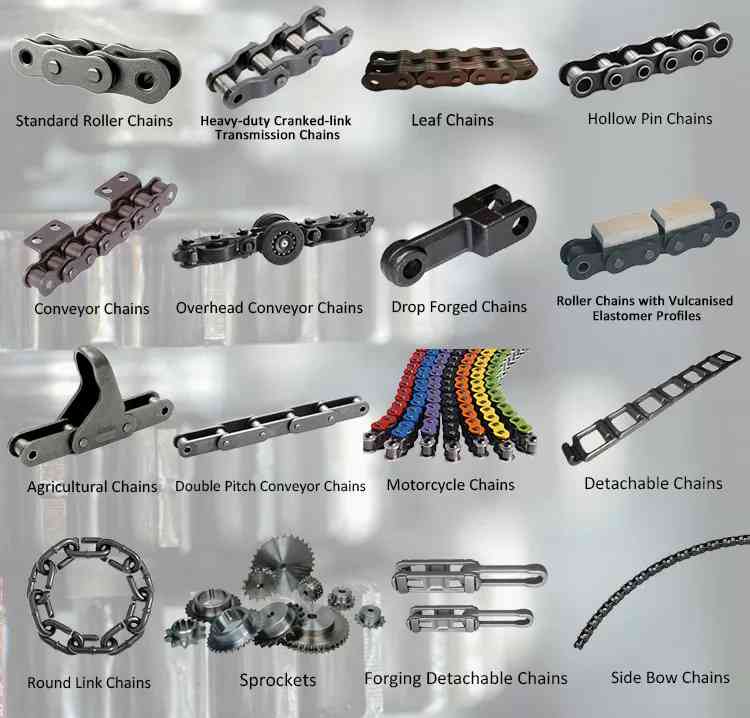
Application
A roller chain consists of a pair of alternating pins and roller links. The pins are pressed into the side panels and hinged to the rollers. Roller chains can be single or multi-strand, connected by a common pin. The multi-strand design provides higher shear strength for demanding power transmission applications. Typical applications for roller chains include conveyors, hoists, and other mechanical equipment.
The horsepower capability of a roller chain is limited by several factors, including pin shock and friction. While research into these factors has placed some limits on the maximum operating speed of the roller chain, practical experience has shown that these systems can be used at higher speeds. Proper lubrication and cooling can increase the durability of these chains. In addition, roller chain applications include:
Drive and conveyor systems are the two main uses of roller chains. During driving operations, wear and elongation are a natural part of the operation. However, lubrication plays a vital role in minimizing wear and shock loads. Therefore, wear is inevitable and special care must be taken to ensure proper lubrication. Additionally, lubrication reduces heat dissipation in the chain.
The materials used to make roller chains vary from one type to another. Stainless steel is common, but nylon or brass are sometimes used. These materials are less expensive and more durable than steel or stainless steel. The best material for the job depends on a variety of factors, including cost, environmental conditions, and design horsepower transmission. For example, the pin bushing contact area is a critical area requiring lubrication. Additionally, some coatings are designed to retard the corrosive effects of water or oil.
editor by Cx 2023-07-13
China 100% tarnish free and waterproof cuban link 18k gold plated PVD Miami stainless steel chains necklace roller chain clamp
Jewellery Main Material: Platinum, stainless metal
Gender: Children’s, Men’s, YXIHU (WEST LAKE) DIS. AM41 Vehicle Tire Inflator Air Compressor DC AC Pump with Deflation and Inflation Modes Digital automatic electric 12V device Unisex, Women’s
Jewelry Type: NECKLACES
Necklaces Sort: Chains
Situation: Anniversary, Engagement, CCL Producer Very good High quality Japanese Automobile Elements 50 percent Axis Cv Axle Drive Shaft For CZPT Outlander Ii V6 4 wheel drive Ex 3815A140 Present, Get together, Wedding
Chain Kind: Link Chain
Plating: Gold Plated, Coupling Producer Element axletree prolonged flex double flange sort universal joint coupling cardan shaft connector normal Silver Plated
Design: Hiphop, hip pop jewellery
Inlay technologies: Claw Placing
Material: stainless steel
Coloration: Photograph
Sort: cuban link necklace
Key word: cuban url necklace
Dimension: Adjustable Dimension
Product Identify: cuban hyperlink necklace
Item title: cuban website link necklace
OEM/ODM: Warmly Welcomed
Packaging Specifics: 1PC For every OPP BAG ,3PCS For each Massive OPP BAG OR IN Reward BOX
Merchandise Particulars cuban website link 18k gold plated PVD Miami stainless steel chains necklace
| Product Name | cuban website link 18k gold plated PVD Miami stainless metal chains necklace |
| Model NO | ED18182 |
| Material | Zinc Alloy/Brass/ Copper Alloy /Acrylic/Resin/ Other folks. |
| Color | Custom Colour |
| MOQ | Sample buy: Personalized or dependent on the inventory.Testing get:60 pcs/ style. |
| Packing | 1PC for every opp bag , S Collection S67 Worm Equipment Box Helical Electric powered Motor Speed Reducer Reduction Motors for Robotic Castion Iron Parallel Axis 1 A long time 26 10PCS per large opp bag. |
| Departure Port | HangZhou Port |
| Payment | T/T |
| Sample Lead Time | 3-10days. |
| Order Guide Time | 7-30days. |
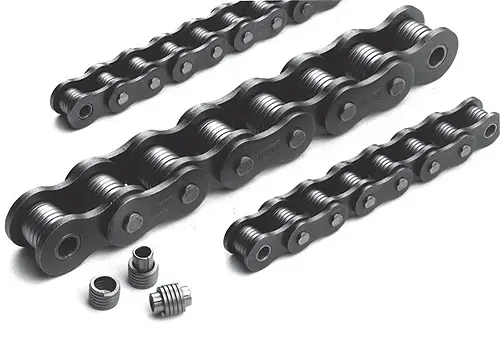
CZPT silent roller chain
The development of roller chains benefited from the concept of automated manufacturing introduced by Henry Ford. Conveyor belts and chains have been around for centuries, and as Ford expanded the concept of automobile manufacturing, roller chains became popular. Today, they are used in factories and lumber mills to move items quickly, sort, and move items vertically or horizontally. There are conveyors for other purposes, including sorting and placing items into truck beds.
CZPT roller chain
Founded in 1890, the company is the world’s leading manufacturer of high-performance roller chain systems. The company focuses on power transmission, industrial production, and the aftermarket. The company uses the highest quality materials for its chains and carefully designs, manufactures, and assembles each component. With more than a century of experience, the company continues to exceed customer expectations and industry standards. This is evident in the chain’s name and logo.
The company also offers manufacturers a full range of service options. These include on-site maintenance and application engineering. Headquartered in Indianapolis, Indiana, the company provides chain drive repair and maintenance services. In addition to providing best-in-class products, CZPT also provides customized service solutions for any industry. For more information, visit the CZPT website. Below are some of the benefits of choosing a CZPT roller chain.
CZPT roller chains reflect many advancements in chain technology. Its components are shot-peened with a high-speed iron shot to maximize toughness and longevity. The chain is also factory preloaded, no need to stretch and adjust prematurely to tighten the chain. Ultimately, a high-quality CZPT roller chain will save you time and money. It is the most durable roller chain on the market. Although more expensive to produce, it will last longer.
There are many types of materials used to construct roller chains. Common materials include steel, stainless steel, and brass. The material used to make the chain also plays a vital role in durability. In addition to steel, chain manufacturers use different heat treatments for their components. The quality of the pitch hole fabrication, heat treatment, and shot peening of the steel affects the fatigue strength of the chain. The design and thickness of the link plates are also important in determining fatigue strength.
CZPT silent chain
The CZPT silent chain is an inverted gear that eliminates friction during articulation. It is also a non-slip durable chain. Its design can be customized to suit various industrial applications. It features a patented wear protection system including connecting links and stainless steel components. Here are some of its benefits. There are some pros and cons here.
The “CZPT” silent chain is driven by a motor through the PS-1 capsule. The chain runs quietly, won’t slip or seize anything, and needs regular lubrication to maintain peak performance. Heavy engine oil or cup grease is an ideal lubricant. The arrows marked on each link point in the direction the chain should move. Avoid using non-solids greases.
The company’s other products include a range of worm gear reducers. CZPT is committed to providing high-quality products at affordable prices. They also manufacture miter gear reducers, plastic belts, and conveyor chains. You can contact Dalton Bearing for more information on CZPT products. We will help you determine the right solution for your specific application. You can also contact us for more information about our product line.
The CZPT Quiet Chain range features unique “M” gauge pins with high surface hardness. It also features advanced chain assembly technology. The company manufactures CZPT timing chains for motorcycle applications in Japan. Its benefits include smooth and noise-free transmission. Also, it reduces the size. Therefore, it is an excellent choice for motorcycle engines. But be sure to consult an expert before buying.
Rexnord Roller Chains
If you are looking for reliable heavy-duty roller chains, you have come to the right place. Regal Rexnord has a complete line of prestressed roller chains in all sizes and types, from single to multi-strand, as well as a wide range of accessories. Specialty chains are also available, including HV and SC chains.
Rexnord’s roller chains are available in a variety of sizes and styles, including double pitch drive chains for the long center, low-speed applications. They are made of stainless steel for corrosion resistance and are factory lubricated for easy maintenance. Rexnord’s roller chains also feature armor pins and wide waist sidebars for added safety and durability. It comes in different styles and configurations for a variety of applications including conveyors, elevators, and commercial sprinkler systems.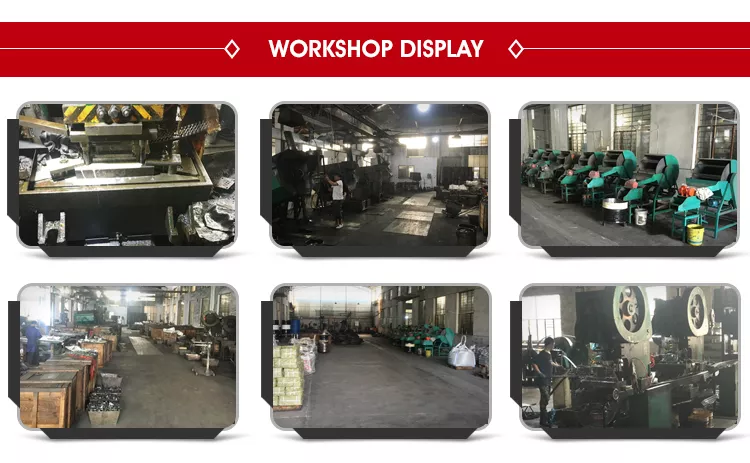
Competitor roller chain
Oil Field Roller Chains Market research report provides a comprehensive analysis of the market including macro and micro trends, pricing analysis, and strategic analysis of key competitors. It also includes an in-depth review of market trend innovations and key segment identification. It also provides insights into competitive scenarios and drivers driving the market growth. It also covers the latest trends and strategies for the future of the industry.
To understand the competitive landscape of the Oil Field Roller Chains market, the strengths and weaknesses of each leading manufacturer must be analyzed. One of the key measurements of a roller chain is tensile strength, which determines the ability to withstand a one-time load before breaking. Fatigue strength, on the other hand, represents the maximum load that a chain can withstand over a long period of time. By comparing these two performance metrics, you can determine the best brand and type for your specific requirements.
Application of roller chain
A roller chain is a simple mechanical power transmission system consisting of a series of short cylindrical rollers connected together by side links and driven by gears called sprockets. This simple, reliable, and efficient system is commonly used to convey materials and is ideal for many different applications. This type of chain is widely used in conveyors and bucket elevators and is available in a variety of power ratings and designs.
The most common drive chains are the single-strand standard series with power ratings ranging from 0.5 to 100 kW. Alternatively, the multi-strand model is a higher performance alternative that offers higher power capacity without increasing chain pitch or line speed. The other is the silent chain, also known as the inverted tooth chain. It is designed to be noiseless and to eliminate the negative effects of stretching. It rides on the teeth of the sprocket and its radius increases as it moves. It automatically corrects slight pitch changes. It also provides smooth, long-lasting service that runs smoothly.
A roller chain consists of 5 basic components: bushings, rollers, and pins. Each individual link is held together with a pin or bushing. The pin goes through a bushing in the inner link to prevent rotation. The advantages of roller chains make them one of the most efficient power transmission and conveying options. CZPT prides itself on its knowledge and experience in roller chain applications. Below are some common uses of roller chains.
Certain applications require less than ideal roller chain performance. To meet these challenges, manufacturers offer a variety of options. A self-lubricating chain can be used to keep the chain clean and reduce dust. Oil-contaminated chains can also be used for special applications. Other materials, such as stainless steel, can help retard corrosion and improve the wear resistance of the chain. Additionally, they can be used in a variety of environments, such as food processing machinery.
editor by Cx 2023-07-06
China manufacturer Stainless Steel Chains Maintenance Free Agricultural Machnery High Quality Durable Transmission Roller Chain roller chain and sprockets
Product Description
Company Profile
-HangZhou CHOHO Industrial Co., Ltd. was founded in 1999. Has become the leader of chain system technology, the first batch of natioal recognized enterprise technology center,national technology innovation demonstration enterprise,and the first A-share listed company in China’s chain drive industry.The securities code is 003033.
-CHOHO has 4 subsidiaries, including testing technology and international trading companies. has 4 factories in HangZhou, Thailand factory, ZheJiang R&D Center and Tokyo R&D Center. In addition, CHOHO ZHangZhoug Industrial zone is expected to be completed & put into operation next year.
-We specialized in producing all kinds of standard chains and special chains, such as Agricultural Chain, Sprocket, Chain Harrow, Tillage Parts,Rice Harvester Chain, GS38 Chain, Roller Chain, Automobile Chain, Motorcycle Chain Industrial Chain and so on.Our partners among world top enterprises, such as LOVOL,JOHN DEERE,NEW HOLLAND, CLASS,AGCO,DEUTZFAHR,HONDA, KUBOTA etc.
Production Capacity Equipment
By 2571,CHOHO has more than 2,700 sets of main production equipment and more than 600 sets of high-precision equipment,With the domestic advanced product laboratory and chain production assembly line, CHOHO has strong research and development and testing capabilities for high-end chain products.
Our Advantages
1. Any inquiry you make will be answered professionally within 6~8 hours.
2. Attaches great importance to product quality and approved by many global quality system certification,such as France, Norway, Germany.
3. Focused on Chain since 1999, have rich experience in Production.
4. High-quality workers,First-class advanced equipment,good quality control,advanced technology.
5. Be Good at Custom-Made Products, provide customized services for customers.
6. Participated in the drafting of 24 national and industrial standards such as chains.As of 2571-Mar, CHOHO has 180 authorized patents.
7. With the responsibility of “Providing high quality chain system with the same service life for the global locomotive industry”, have established a strong R&D team.
CHOHO has a natural brand awareness. As of January 2571, CHOHO has registered the “CHOHO” trademark in more than 60 countries, including the United States, Japan, the United Kingdom, France, Germany, Russia, Spain, Austria, Belgium, Bulgaria, Croatia, Czech Republic, Denmark, Finland, Greece , Hungary, Ireland, Italy, Netherlands, Poland, Portugal, Romania, Ukraine, Sweden, Australia, Algeria, Egypt, Kenya, Morocco, South Korea, Kazakhstan, Mongolia, Syria, Thailand, Pakistan, India, Brazil, Mexico, Colombia, etc.
Product Advantages
Certifications
CHOHO attaches great importance to product quality and approved by many global quality system certification, such as France, Norway, and Germany. Through the establishment of a sophisticated production management process and quality control system, the entire product process control is achieved. With the introduction of advanced production, processing, and testing equipment, CHOHO has internationally leading full-process quality control capabilities to provide customers with high-quality products.
Choho Provide Chain System Solutions for The Global Top 500 and The Enterprises in Various Fields Top 10!
Broad Customer Channels Market Continues to Develop!
CHOHO has been invited to participate in domestic & international agricultural machinery exhibitions, such as Hannover Messe, Bologna Fair, Canton Fair ,VIV ASIA and so on!
Packaging & Shipping
| Packaging Details: | Chain+Plastic Bag+Neutral Box+Wooden case+Big Carton+Steel Pallets or Customization |
FAQ
1. Are you manufacturer or trade Company?
We are a factory focused on producing and exporting Chain over 23 years,have a professional international trade team.
2. What terms of payment you usually use?
T/T 30% deposit and 70% against document, L/C at sight
3. What is your lead time for your goods?
Normally 30~45 days.Stock can be shipped immediately.
4. Do you attend any Show?
We attend Hannover show in Germany, EIMA in Italy, CZPT in France, CIAME in China and many other Agricultural machinery shows.
5.Do you offer free samples?
Yes,we can.or you just bear the shipping cost.
6.Is OEM available?
Yes, OEM is available. We have professional designers to help you design.
| Usage: | Transmission Chain, Conveyor Chain, Dedicated Special Chain, Maintenance Free Chain |
|---|---|
| Material: | Stainless steel |
| Surface Treatment: | Polishing |
| Feature: | Sintered Bushing |
| Chain Size: | 1/2"*3/32" |
| Structure: | Roller Chain |
| Samples: |
US$ 1/Meter
1 Meter(Min.Order) | |
|---|
| Customization: |
Available
| Customized Request |
|---|
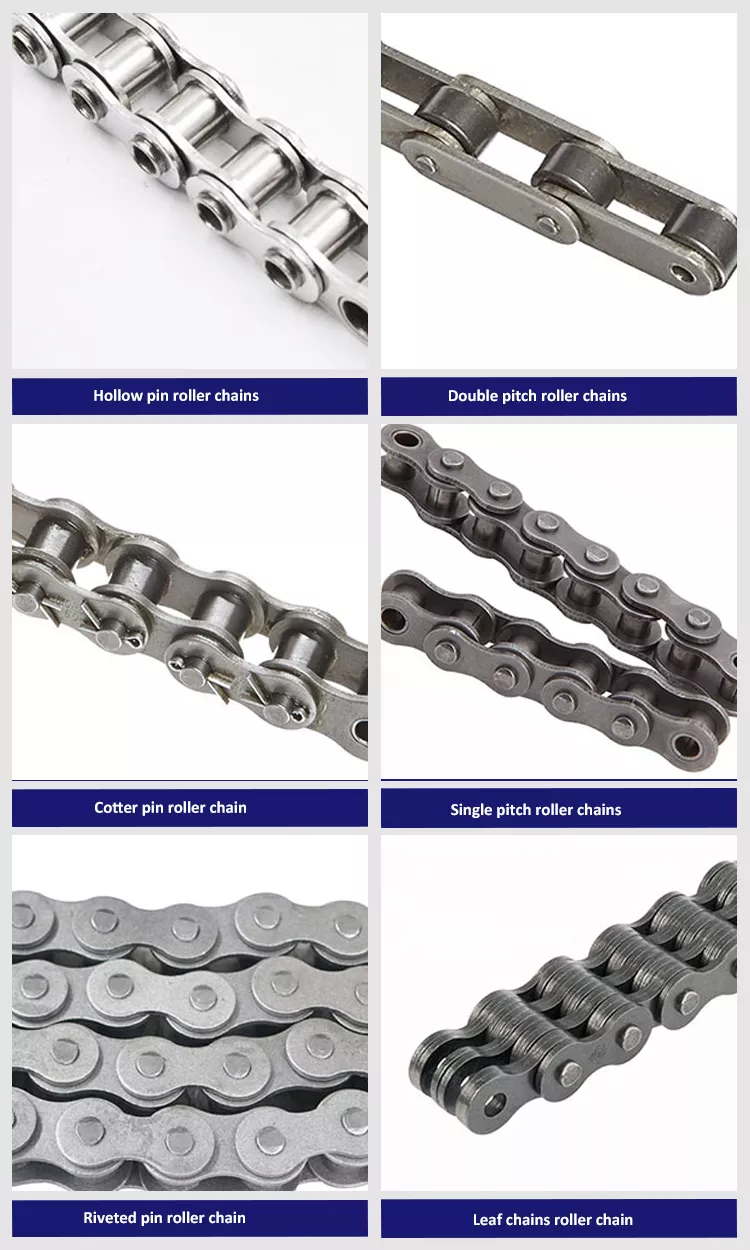
What is a roller chain?
What is a roller chain? A roller chain is a transmission system that transmits power from one shaft to another. Internal lubricant helps chains last longer and are interchangeable. Chains are usually made of carbon or alloy steel. Stainless steel is sometimes used in food processing machinery or in environments where lubrication is problematic. Brass and nylon are also sometimes used. If you need to slow down the machine, nylon chains can be used.
Roller chains are used to transmit power from one shaft to another
Generally speaking, the life of a roller chain is limited by three main factors: wear, corrosion, and fatigue. These can be minimized by following some simple guidelines. For optimum performance, the roller chain must be lubricated. Proper lubrication reduces friction and extends product life. Remember that corrosion and wind resistance can adversely affect lubrication, so protect the product properly.
A chain is a mechanical device used to transmit power from one shaft to another. The chain consists of a series of steel plates called bushings. Bushings are attached to the roller chain by pins or bushings. The block and bushing are held together by pins or bushings C riveted to the outer link D. The chain is also attached to the sprocket and bucket by pins or hooks. Chain pitch is measured between hinge centers, usually denoted p.
There are three types of chains: single-strand standard series, multi-strand standard series, and silent chain. Single strand chains are the most common type and cover a wide range of drive loads. Multi-strand chains provide greater power capacity without increasing chain pitch or line speed. An inverted tooth chain is a variant of a single-strand chain that eliminates the noise caused by pitch-related friction.
The inner and outer plates of the roller chain drive are made of steel. The rollers are positioned evenly between the chain links and are fastened to the sprockets. In addition, the rollers can rotate freely within the bushing. The chain links are arc-shaped and mesh with the sprocket teeth to transmit power through the chain.
Chain drives are another common way of transmitting mechanical power. These are the simplest forms of power transmission and are used on conveyor belts and other low-speed applications. The chain wraps around the sprocket and passes through the sprocket whose teeth mesh with the links. This mechanism transfers mechanical power from one shaft to another, increasing speed.
They are interchangeable
There are many different types of roller chains, but most are made of steel. Although they have their own advantages and features, they are generally interchangeable. You can buy different kinds of roller chains from domestic and foreign manufacturers, and you can choose the one that best suits your needs. Bearing Services can help you choose the right bearing for your application needs and budget. Here are some important things to consider before buying a roller chain. Here are some tips to make it easier for you to buy the right type of chain.
When choosing the right roller chain, be sure to consult the available size charts. Depends on how much chain you need to move the load you need to move. Remember that roller chains can be manufactured to fit a variety of machines and must meet your specific needs. Also, the chain should be long enough for the machine you are using. Make sure to buy a chain made of high-quality materials.
Double pitch roller chains have a flat top surface and are used in many different conveying applications. Double-pitch load-carrying roller chains, also known as oversized roller double-pitch chains, have rollers that extend beyond the sidebars to carry products. Double pitch drive series roller chains are used in elevators, long conveyor drives, agricultural machinery, and commercial sprinkler systems.
The tensile strength of a roller chain is a key factor to consider before purchasing a chain. The tensile strength of a chain is a function of the maximum force the chain can withstand before breaking. The three different types of tensile strength represent the force a chain can withstand without breaking. Each chain also has different strengths that can determine the type of chain you need.
The outer and inner links of the roller chain are designed for bearings. This allows the chain to be paired or unpaired with its internal links. The outer link has a pin, and the inner and outer pins are press-fit into the connecting plate. These links are usually made of steel and have a tensile strength of about 20 times their weight. The fatigue strength of two-pitch offset links is the same as that of the base chain.
They reduce wear with internal lubricants
In a roller chain, the pins and bushings rotate inside the chain without lubricant on the outside. They are in contact with the teeth of the sprocket and can easily wear out if not lubricated. The plates that connect the links and pivot about the pins can also rub against each other and cause wear. This is where lubricants come in handy. Without lubricant, the bare metal of the plate and bushing would rub against each other.
The lubricant should have the appropriate viscosity to penetrate critical internal surfaces and form an effective oil film. Recommended viscosities are listed in Table 1. Lubricants must be clean and non-corrosive. For roller chains, a good quality non-clean petroleum base oil is sufficient. While defoamers are not required, other additives such as antioxidants and extreme pressure inhibitors may be useful. However, impure oils should be avoided due to the risk of damage.
The shape of the spray head 10 overlaps with a conventional drive chain 12. The drive chain includes a plurality of rollers 24 and roller link plates 26. Each roller includes a roller pin 29 and is connected to a pair of pin link plates 28. Most drive chains have critical wear points on the sides of the roller pins 29. The shape of the spray head 10 prevents overspray onto the central portion of the roller.
In addition to preventing wear, these chains have unique specifications. Manufacturer CZPT requires raw material suppliers to certify that their products meet standards set by the American Society of Mechanical Engineers (ASME). CZPTs do not accept uncertified raw materials. For safety, the machine must be turned off before attempting to measure the chain. After the system is shut down, the measurement process should be completed in accordance with safety procedures.
General spray oil has lubricating properties, but is not as good as other types of chain lubricants. These are typically used for rust protection and include antioxidant chemicals. Generally, they are inexpensive and widely available in retail stores. However, they have the disadvantage of being very penetrating and difficult to apply evenly. Oil cannot stay on the chain as it spins, which can accelerate wear and corrosion.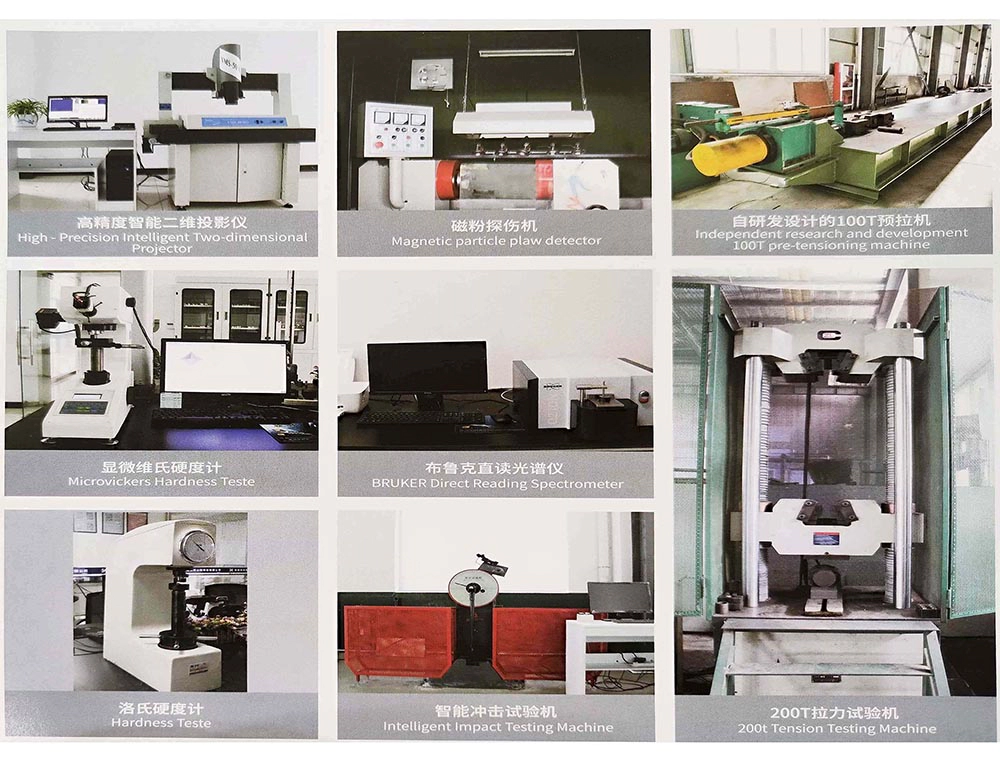
They can be used to speed up or slow down machines
Typically, roller chains are chains used to move mechanical system components. Unlike belts, roller chains can be used to speed up or slow down a machine. The main difference between belts and roller chains is the lubrication process. Belts use lubrication to help them move at a constant speed, but should not exceed the critical speed of the roller chain. This critical speed is not easy to determine and lubrication is critical to its life.
A roller chain is a chain consisting of a steel bushing that holds the inner plate A and pins C together. Pin C is riveted to outer link D, while roller R surrounds each bushing B. The teeth of the sprocket are supported on the rollers. They spin freely on pins and bushings, reducing friction.
The chains can be single-stranded, double-stranded, or multi-stranded. The rated power capacity of the single strand chain can meet various drive load requirements. Multi-strand chains provide higher power capacity without increasing chain pitch or line speed. The silent chain, also known as the inverted tooth chain, consists of a series of toothed chainplates. The pins of the chain are pressed into the wide ends of the sidebars and outer links.
Although roller chains are a common mechanical component, they can fail under certain conditions. The most common cause of excessive wear is wrong to load sizing. Each manufacturer sets a maximum workload for its product. A chain that is too small for the load carried will not run smoothly and may cause premature failure. Chains can also fail due to rust or improper maintenance.
There are many ways to choose the correct size roller chain. The easiest way to choose the right one is to use a horsepower chart to determine the speed of the motor. RPM will determine the size of the chain and the number of teeth on the drive sprocket. Conveyor chains offer a variety of options to move products horizontally or vertically, even around bend radii.
editor by CX 2023-06-01
China 1.01.52.0mm High Quality PVD Gold Plating Titanium Stainless Steel Shiny Thin Cable Chains Necklaces 40cm45cm50cm55cm60cm roller chain breaking tool
Product Amount: LT001
Jewelry Principal Materials: Stainless steel
Substance Kind: stainless steel
Diamond condition: Other
Pearl Kind: Other
Gender: Unisex, Women’s
Primary Stone: None
Jewelry Kind: NECKLACES
Necklaces Kind: Chains
Certificate Sort: None
Chain Kind: Website link Chain
Shapepattern: none
Style: Vintage
Spiritual Kind: Orthodox
Inlay technology: NONE
Packaging Particulars: 1pc in a opp bag,and 12pcs in a massive bag
| Product | High Top quality PVD Gold Plating Titanium Stainless Steel Shiny Thin Cable Chains Necklaces |
| Material | Stainless steel |
| Length | Length can be personalized |
| MOQ | Small quantity is accepted |
| Customized | Customer’s Brand |
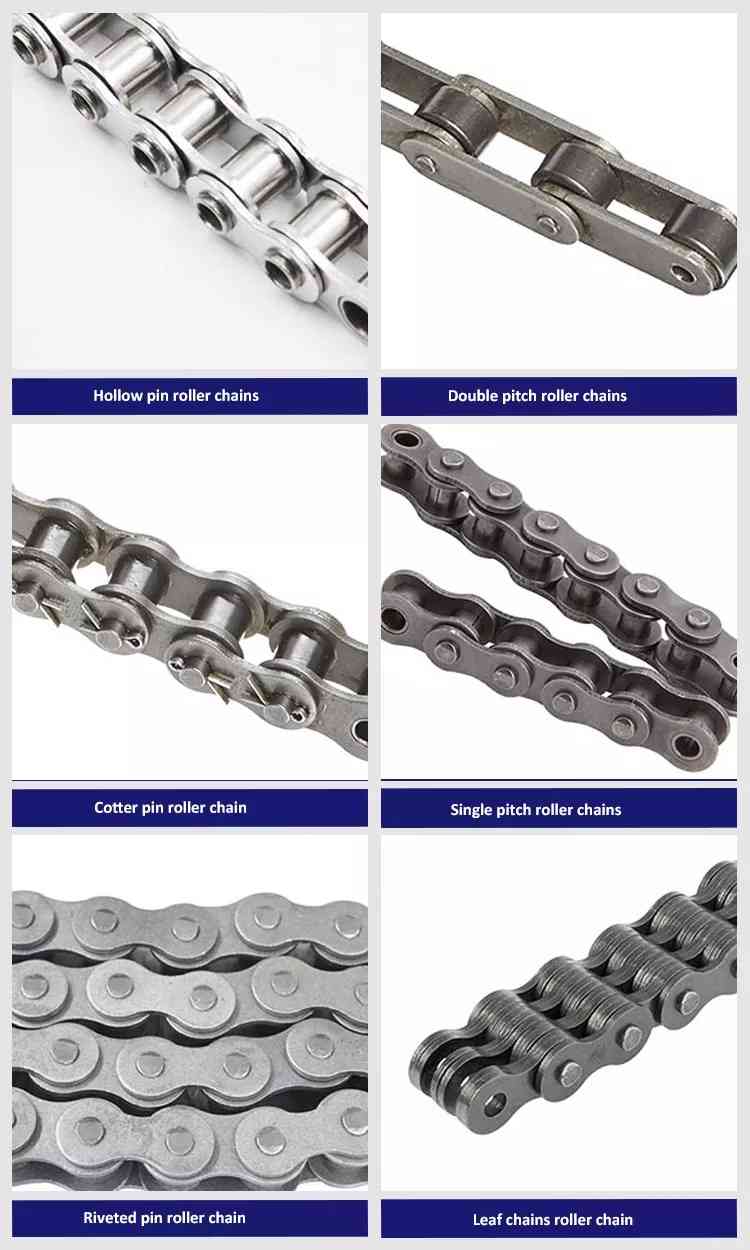
drive chain type
Drive chains are used in a variety of industrial applications. Unlike roller chains, which are more efficient in terms of weight and size, drive chains slide on steel guides. Drive chains are often used for dirty work. Here’s what you need to know about the various types of drive chains. In this article, we’ll look at pin chains, engineered steel chains, bushing roller chains, and timing chains. These types are the most common and the most commonly used.
time chain
There are several factors to consider when deciding which drive chain to buy. What matters is how long the chain will last, as the timing chain will stretch over time. However, they are pre-stretched during manufacture to reduce the risk of stretching. Timing chains can also be noisy compared to toothed belt drives, but rails and chain tensioners can alleviate this problem. Timing chains also wear slower than belts, reducing repair costs.
Timing chains require little maintenance compared to belt drives. When well lubricated, timing chains require little maintenance. The only maintenance really required is checking the engine oil level and following the manufacturer’s recommended service intervals. Timing chains of drive chains are also safer than belt drives and can be dangerous if the toothed belt tears. Also, the timing chain only needs minor repairs and replacements. Garages can purchase complete timing chain kits that contain all the parts needed for repairs.
Drive chains can be equipped with roller chains or timing chains, depending on the load on the engine. The style of the timing chain depends on the type of motor used. However, the roller chain is the most common choice due to its high strength and NVH properties. The roller chain has two tabs pressed into the eyes, and two rollers above them. These components work together to improve engine performance.
Many modern vehicles use timing chains. Timing gears synchronize the camshaft and crankshaft so that the valves open and close at the appropriate times. This is critical to the running quality, power output, and fuel consumption of the engine. The timing chain also reduces the amount of pollution emitted by the vehicle. Over the past two decades, many OEMs have turned to time chains for OHC/DOHC engines.
pin chain
Steel pivot chains feature open barrels to reduce blocking and material buildup. These chains are designed for power transmission and transportation applications, often used in agricultural applications. They can be custom welded using specialized accessories. These chains can be used in agricultural, industrial and municipal applications. Here’s a closer look at each. Read on to learn about the benefits of steel pivot chains.
The Long Pitch Class 700 Pivot Chain is a versatile chain for conveying and lifting products. Its T-head pins fit snugly so dust doesn’t get into the pin holes. It is also constructed with a closed bearing structure to prevent elongation due to wear. Steel pivot chains are designed for high fatigue applications and are versatile.
Engineering Steel Chain
Engineered steel drive chain provides maximum power transfer while minimizing weight. Engineering chains are often used for tough oil drilling operations. Designed for durability and tight tolerances, these chains can be used in a variety of industrial equipment. Whether you need to lift heavy objects or store a lot of items, engineered steel chains will do the job. Read on to learn more about the benefits of engineering chains.
Engineered steel chains consist of links or pin joints with large gaps between the components. The material of these chains is designed to handle abrasives. While many of these chains are used as conveyors, some are designed for drives. You can find these chains on conveyors, forklifts, bucket elevators, oil rigs and more. To get the most out of them, they should be able to withstand the power produced by the prime mover.
The chain can withstand high tensile stresses and is ductile enough to withstand fatigue. The center-to-center distance between the chain and sprockets is between 30% and 50% of the pitch. On smaller sprockets, the arc of contact between the teeth and chain must be at least 120 degrees. The resistance of the chain drive depends on the use environment, including vibration, noise, fatigue strength and other factors.
There are many types of engineering steel drive chains, each with a different function. The most commonly used type is the elevator. Its lift mechanism raises and lowers the carriage. Most cranes are attached to the load with hooks. Another type of chain is the oval link. Its links are welded and the sprocket has receivers for each link. It is used in low speed applications for elevators, chain hoists and anchors in offshore operations.
Bushing Roller Chain
Typically, a bushing roller chain as a drive chain consists of two link assemblies. The inner link consists of two plates held together by two sleeves, while the outer link consists of two plates connected by pins that pass through the inner link. However, there are some differences between bushing roller chains. The main difference is the type of link and the amount of lubrication required. If you want to learn more about bushing roller chains, keep reading.
While roller chains are generally stronger and more durable than bushing chains, they are not immune to wear. During the driving cycle, they lengthen and undergo a process called articulation. The rate at which they elongate depends on the lubrication and load applied to them. The frequency of pin and bushing articulation is also critical. Like other wear parts, the manufacture of critical wear parts requires close attention to detail to ensure optimum performance. Correct raw material selection, part fabrication, and assembly are key factors in achieving optimum performance. Improperly prepared parts can affect wear life and performance.
Consider your application and load distribution when selecting a bushing roller chain as your drive chain. The length of the chain must be between 30 and 50 times its pitch. The arc of contact between the small sprocket teeth must be at least 120 degrees. The resistance of the drive chain depends on the usage environment, which will determine its fatigue strength and vibration level. It’s a good idea to check the chain length before deciding to replace it.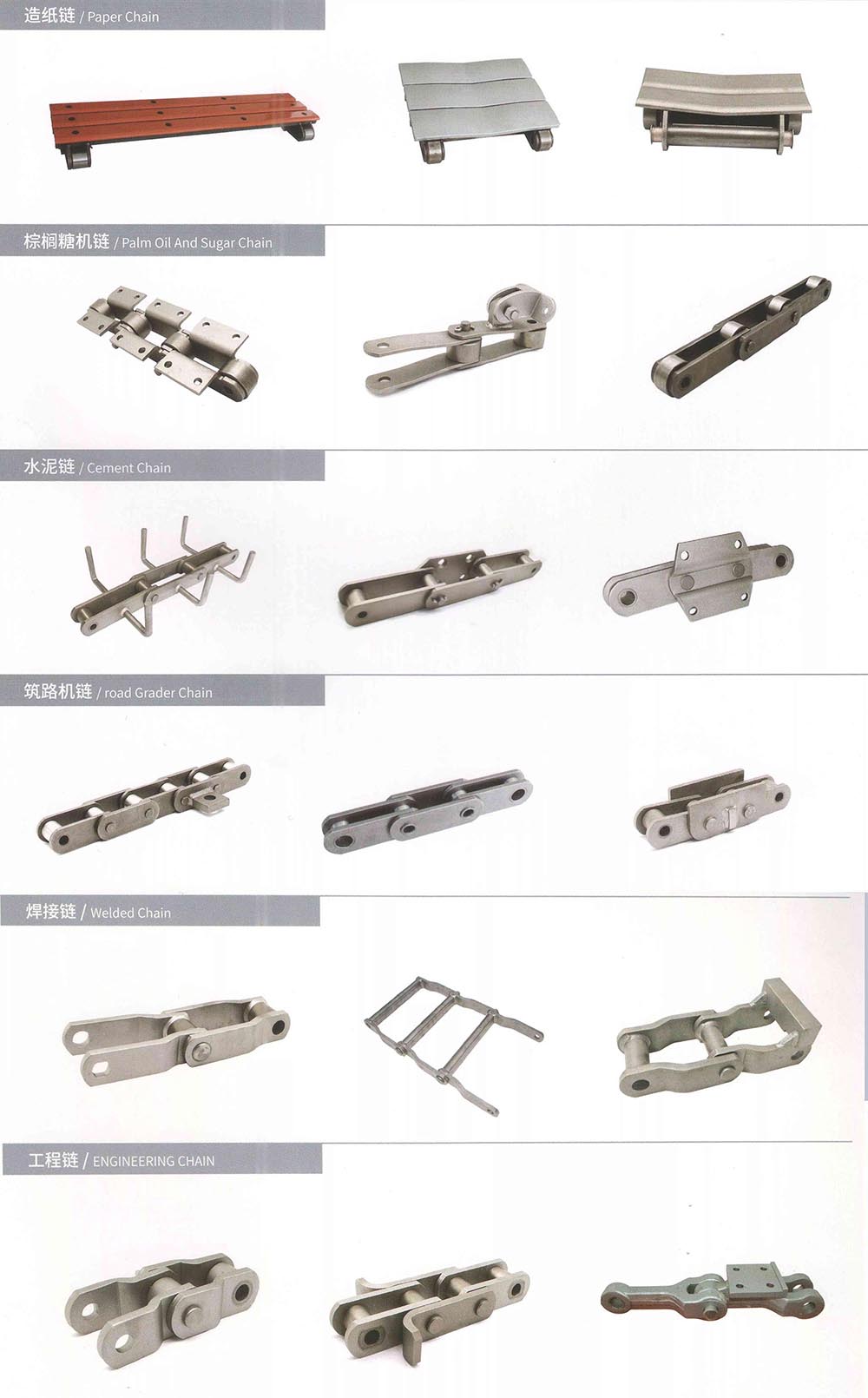
flat top chain
The TSplus flat top drive chain is the most flexible conveying medium on the market today. They can be connected end-to-end to create extended conveyor lines. The side bend design allows it to be used with a variety of conveyor types including inline, snake, and carousel conveyors. These chains are available in a variety of sizes, ranging in width from 3 feet to 20 feet.
A variety of materials are available for flat-top chains, including steel and plastic. Steel chains are ideal for applications requiring wear resistance. They are sturdy and well made. Plastic chains are particularly durable, but not suitable for harsh environments. Stainless steel flat top chains are suitable for a variety of applications, and some manufacturers make them from stainless steel or even aluminum. If your application requires a durable flat top chain, choose a chain made from iwis hardened stainless steel.
Another type of flat-top drive chain is the side bend chain. Suitable for flexible machinery requiring efficient conveying. It is equipped with a single hinge pin or double hinge pin. Either option will do, but each hinge pin has its advantages. Single hinge pin chains are suitable for smaller light-duty conveyors, while double hinge pins are more suitable for medium and heavy-duty applications.
CZPT is a modular flat top chain conveyor system. Its standardized components and modules can be easily integrated into any production process. And because it’s a single track, you can lengthen or shorten it as needed. Its versatile design makes it compatible with other conveyor systems such as belts and sprockets. This monorail modular design allows system lengths up to 40 meters and is compatible with other conveyor systems.
editor by Cx 2023-05-04