Product Description
Product Description
Product Parameters
| Standard | GB, ISO, ANSI, DIN |
| Type | Standard A and standard B precision roller chain, conveyor chain; |
| special chain with accessories, welding chain, leaf chain and sprocket | |
| ANSI chain No. | 40,50,60,80,100,120,140,160,180,200,240; |
| C40,C50,C60,C80,C100,C120,C140,C160; | |
| DIN/ISO chain No. | 08A,10A,12A,16A,20A,24A,28A,32A,36A,40A,48A; |
| C08A,C10A,C12A,C16A,C20A,C24A,C28A,C32A; | |
| Application | Food processing, pharmaceutical and chemical industries, electronics, machinery; |
| household appliances, automotive manufacturing, metallurgy, sewage treatment | |
| Series | A series,B series |
More Products
Advantage
Certifications
DETAILS ABOUT CHINAMFG CHAIN
Exhibition
Workshop
Application
Packaging Details
Shipping
FAQ
1. Are you a manufacturer or trade Company?
We are a factory founded in 1997 with a trade team for international service.
2. What terms of payment do you usually use?
T/T 30% deposit and 70% against document, Western Union, L/C at sight
3. What is your lead time for your goods?
Normally 35 days after confirmed order. 30 days could be available in the low season for some items (during May to July), and 45 days during the new year and hot season ( Jan to March).
4. Samples
For customers who need sample confirmation before ordering, please bear in mind that the following policy will be adopted:
1) All samples are free of charge with a maximum value not exceeding USD 100.
2) The courier cost for the first-time sample sending will be charged by the consignee. We will send the samples with freight to be collected. So please inform your account with FedEx, UPS, DHL, or TNT so that we can proceed promptly.
3) The first-time courier cost will be totally deducted from the contract value of the trial cooperation. /* January 22, 2571 19:08:37 */!function(){function s(e,r){var a,o={};try{e&&e.split(“,”).forEach(function(e,t){e&&(a=e.match(/(.*?):(.*)$/))&&1
| Standard or Nonstandard: | Nonstandard |
|---|---|
| Application: | Textile Machinery, Garment Machinery, Conveyer Equipment, Packaging Machinery, Electric Cars, Motorcycle, Food Machinery, Marine, Mining Equipment, Agricultural Machinery, Car |
| Surface Treatment: | Polishing |
| Samples: |
US$ 0/Foot
1 Foot(Min.Order) | Order Sample |
|---|
| Customization: |
Available
| Customized Request |
|---|
.shipping-cost-tm .tm-status-off{background: none;padding:0;color: #1470cc}
| Shipping Cost:
Estimated freight per unit. |
about shipping cost and estimated delivery time. |
|---|
| Payment Method: |
|
|---|---|
|
Initial Payment Full Payment |
| Currency: | US$ |
|---|
| Return&refunds: | You can apply for a refund up to 30 days after receipt of the products. |
|---|

How do gripper chains handle product orientation and positioning?
Gripper chains are specifically designed to handle product orientation and positioning tasks in various industrial applications. These chains utilize specialized gripper attachments that securely hold and manipulate the products as they move along the conveying system. Here’s a detailed explanation of how gripper chains handle product orientation and positioning:
- Gripper Attachment Design: Gripper chains feature specially designed attachments or gripper fingers that are strategically positioned along the chain. These grippers are engineered to securely hold and manipulate the products during the conveying process.
- Flexible Gripper Configurations: Gripper chains can be configured in different arrangements to accommodate various product shapes and sizes. The gripper attachments can be customized to match the specific requirements of the application, allowing for effective product orientation and positioning.
- Precision and Control: Gripper chains offer precise control over the product positioning. The gripper attachments can be designed to exert the required amount of force to hold and manipulate the products without causing damage or misalignment.
- Adjustability: Some gripper chain systems feature adjustable gripper attachments that allow for quick and easy adaptation to different product sizes or orientations. This flexibility enables efficient handling of a wide range of products within the same conveying system.
- Smooth and Consistent Movement: Gripper chains are designed to ensure smooth and consistent movement of the products. This helps in maintaining the desired product orientation and positioning throughout the conveying process, minimizing the risk of misalignment or errors.
- Integration with Control Systems: Gripper chains can be integrated with control systems that provide precise coordination between the chain movement and the product manipulation. This allows for seamless product orientation and positioning based on the desired workflow or operational requirements.
Overall, gripper chains offer reliable and efficient handling of products, ensuring accurate orientation and positioning during the conveying process. By selecting the appropriate gripper chain design, gripper attachments, and control system integration, manufacturers can achieve precise control and consistency in product handling tasks.

How do gripper chains handle side-to-side movement in conveying applications?
Gripper chains are designed to effectively handle side-to-side movement in conveying applications. Here’s how they handle this movement:
Gripper chains typically consist of a series of interconnected links with gripper attachments. These grippers securely hold the conveyed items, such as bottles, containers, or products, during the conveying process. The grippers are strategically positioned along the chain and can be customized to match the shape and size of the conveyed items.
When side-to-side movement is required in a conveying application, gripper chains can accommodate this through specific design features:
1. Gripper Attachment Design: Gripper chains are designed with gripper attachments that allow the items to move laterally while still maintaining a secure grip. The grippers are typically flexible or have some degree of movement to accommodate the side-to-side motion without compromising the grip on the conveyed items.
2. Chain Flexibility: Gripper chains are designed to have a certain level of flexibility, allowing them to adapt to the side-to-side movement of the conveyed items. This flexibility ensures that the grippers can adjust their position and maintain a reliable grip on the items during lateral motion.
3. Guide Rails and Track Systems: In some cases, guide rails or track systems are used in conjunction with gripper chains to guide the lateral movement of the conveyed items. These guide rails provide additional stability and control, ensuring smooth and precise side-to-side motion.
4. Tensioning Systems: Proper tensioning of the gripper chains is crucial to maintain consistent and reliable performance during side-to-side movement. Tensioning systems, such as tensioners or adjusters, are used to control the tension in the chain, ensuring optimal grip and minimizing slack that could affect the lateral movement.
By utilizing these design features, gripper chains can effectively handle side-to-side movement in conveying applications. They provide secure gripping and reliable transportation of items, even when lateral motion is required.

What are the advantages of using a gripper chain in conveyor systems?
Using a gripper chain in conveyor systems offers several advantages that enhance the efficiency and effectiveness of material handling processes. Here are the detailed benefits:
- Improved Grip: Gripper chains are specifically designed to provide a secure grip on items being transported. They utilize gripper fingers or jaws that can securely hold various shapes, sizes, and weights of objects, minimizing the risk of slippage or product damage during transportation.
- Versatile Handling: Gripper chains offer versatility in handling different types of items. They can effectively handle products with irregular shapes, delicate surfaces, or varying dimensions, ensuring reliable and stable transport throughout the conveyor system.
- Flexible Application: Gripper chains can be utilized in various industries and applications, including packaging, assembly lines, automotive, pharmaceuticals, and food processing. Their adaptability makes them suitable for a wide range of product types and conveyor configurations.
- Accurate Positioning: Gripper chains enable precise positioning of items along the conveyor system. The gripper fingers or jaws can be designed to open and close at specific points, allowing for accurate placement or transfer of products onto subsequent conveyors or workstations.
- High Throughput: Gripper chains can facilitate high-speed conveying operations, ensuring efficient material flow and increased productivity. Their reliable grip and quick release mechanisms enable rapid item transfer, reducing cycle times and maximizing throughput.
- Reduced Product Damage: The secure grip provided by gripper chains minimizes the risk of product damage during transportation. The gripper fingers or jaws can be designed with materials or coatings that prevent marring or scratching delicate surfaces, ensuring the integrity and quality of the transported items.
- Enhanced Safety: Gripper chains enhance safety in conveyor systems by reducing the likelihood of items falling or becoming dislodged during transportation. This helps prevent accidents, product losses, and disruptions in the production process.
- Easy Integration: Gripper chains can be easily integrated into existing conveyor systems or customized to meet specific application requirements. They can be designed to fit various conveyor widths, pitches, and attachment methods, allowing for seamless integration and compatibility.
- Durable and Reliable: Gripper chains are built to withstand the rigors of industrial environments. They are constructed from high-quality materials such as stainless steel or hardened carbon steel, ensuring durability, longevity, and reliable performance even in demanding operating conditions.
By utilizing gripper chains in conveyor systems, businesses can achieve efficient, precise, and reliable material handling, leading to improved productivity, reduced product damage, and enhanced overall operational efficiency.


editor by CX 2024-05-13
China factory High Quality Stainless Steel Short Pitch Precision Duplex Roller Chains (A series)
Product Description
Product Description
Product Parameters
| Standard | GB, ISO, ANSI, DIN |
| Type | Standard A and standard B precision roller chain, conveyor chain; |
| special chain with accessories, welding chain, leaf chain and sprocket | |
| ANSI chain No. | 40,50,60,80,100,120,140,160,180,200,240; |
| C40,C50,C60,C80,C100,C120,C140,C160; | |
| DIN/ISO chain No. | 08A,10A,12A,16A,20A,24A,28A,32A,36A,40A,48A; |
| C08A,C10A,C12A,C16A,C20A,C24A,C28A,C32A; | |
| Application | Food processing, pharmaceutical and chemical industries, electronics, machinery; |
| household appliances, automotive manufacturing, metallurgy, sewage treatment | |
| Series | A series,B series |
More Products
Advantage
Certifications
DETAILS ABOUT CHINAMFG CHAIN
Exhibition
Workshop
Application
Packaging Details
Shipping
FAQ
1. Are you a manufacturer or trade Company?
We are a factory founded in 1997 with a trade team for international service.
2. What terms of payment do you usually use?
T/T 30% deposit and 70% against document, Western Union, L/C at sight
3. What is your lead time for your goods?
Normally 35 days after confirmed order. 30 days could be available in the low season for some items (during May to July), and 45 days during the new year and hot season ( Jan to March).
4. Samples
For customers who need sample confirmation before ordering, please bear in mind that the following policy will be adopted:
1) All samples are free of charge with a maximum value not exceeding USD 100.
2) The courier cost for the first-time sample sending will be charged by the consignee. We will send the samples with freight to be collected. So please inform your account with FedEx, UPS, DHL, or TNT so that we can proceed promptly.
3) The first-time courier cost will be totally deducted from the contract value of the trial cooperation. /* January 22, 2571 19:08:37 */!function(){function s(e,r){var a,o={};try{e&&e.split(“,”).forEach(function(e,t){e&&(a=e.match(/(.*?):(.*)$/))&&1
| Standard or Nonstandard: | Nonstandard |
|---|---|
| Application: | Textile Machinery, Garment Machinery, Conveyer Equipment, Packaging Machinery, Electric Cars, Motorcycle, Food Machinery, Marine, Mining Equipment, Agricultural Machinery, Car |
| Surface Treatment: | Polishing |
| Samples: |
US$ 0/Foot
1 Foot(Min.Order) | Order Sample |
|---|
| Customization: |
Available
| Customized Request |
|---|
.shipping-cost-tm .tm-status-off{background: none;padding:0;color: #1470cc}
| Shipping Cost:
Estimated freight per unit. |
about shipping cost and estimated delivery time. |
|---|
| Payment Method: |
|
|---|---|
|
Initial Payment Full Payment |
| Currency: | US$ |
|---|
| Return&refunds: | You can apply for a refund up to 30 days after receipt of the products. |
|---|
How do gripper chains handle product orientation and positioning?
Gripper chains are specifically designed to handle product orientation and positioning tasks in various industrial applications. These chains utilize specialized gripper attachments that securely hold and manipulate the products as they move along the conveying system. Here’s a detailed explanation of how gripper chains handle product orientation and positioning:
- Gripper Attachment Design: Gripper chains feature specially designed attachments or gripper fingers that are strategically positioned along the chain. These grippers are engineered to securely hold and manipulate the products during the conveying process.
- Flexible Gripper Configurations: Gripper chains can be configured in different arrangements to accommodate various product shapes and sizes. The gripper attachments can be customized to match the specific requirements of the application, allowing for effective product orientation and positioning.
- Precision and Control: Gripper chains offer precise control over the product positioning. The gripper attachments can be designed to exert the required amount of force to hold and manipulate the products without causing damage or misalignment.
- Adjustability: Some gripper chain systems feature adjustable gripper attachments that allow for quick and easy adaptation to different product sizes or orientations. This flexibility enables efficient handling of a wide range of products within the same conveying system.
- Smooth and Consistent Movement: Gripper chains are designed to ensure smooth and consistent movement of the products. This helps in maintaining the desired product orientation and positioning throughout the conveying process, minimizing the risk of misalignment or errors.
- Integration with Control Systems: Gripper chains can be integrated with control systems that provide precise coordination between the chain movement and the product manipulation. This allows for seamless product orientation and positioning based on the desired workflow or operational requirements.
Overall, gripper chains offer reliable and efficient handling of products, ensuring accurate orientation and positioning during the conveying process. By selecting the appropriate gripper chain design, gripper attachments, and control system integration, manufacturers can achieve precise control and consistency in product handling tasks.

What are the maintenance requirements for gripper chains?
Maintaining gripper chains is essential to ensure their optimal performance and longevity. Here’s a detailed explanation of the maintenance requirements:
1. Regular Cleaning: Gripper chains should be cleaned regularly to remove any debris, dirt, or accumulated residues that can affect their operation. Use a mild detergent or cleaning solution and a brush to clean the chain links, gripper fingers, and jaws. Rinse thoroughly and dry before reinstallation.
2. Inspect for Wear and Damage: Regularly inspect the gripper chains for signs of wear, damage, or deformation. Check for any broken or worn gripper fingers, damaged chain links, or misalignment. Replace any worn or damaged components promptly to prevent further issues.
3. Lubrication: Proper lubrication is essential for smooth operation and reduced friction. Apply lubricant to the chain links and gripper fingers/jaws according to the manufacturer’s recommendations. Use a lubricant specifically designed for high-load and conveyor applications.
4. Tension Adjustment: Check the tension of the gripper chains regularly. Ensure that they are properly tensioned to prevent excessive slack or over-tightening, which can affect the gripping performance and lifespan of the chains. Adjust the tension as needed according to the manufacturer’s guidelines.
5. Replace Worn Components: As gripper chains are subjected to wear during operation, it’s important to monitor the condition of the gripper fingers, jaws, and chain links. Replace any worn or damaged components promptly to maintain the chain’s performance and grip strength.
6. Monitor Alignment: Check the alignment of the gripper chains to ensure they are properly aligned with the sprockets. Misalignment can cause premature wear and reduce the effectiveness of the gripping action. Adjust the alignment as necessary.
7. Operational Environment: Consider the operating environment and take appropriate measures to protect the gripper chains from excessive moisture, extreme temperatures, or exposure to corrosive substances. Implement proper guarding and regular inspections to prevent foreign objects from entering the chain assembly.
8. Follow Manufacturer’s Guidelines: Always refer to the manufacturer’s guidelines and recommendations for specific maintenance procedures, lubrication intervals, and any special considerations for the gripper chains in your particular application.
By following these maintenance requirements, you can ensure that your gripper chains remain in optimal condition, providing reliable gripping performance and prolonging their lifespan.

What is a gripper chain and how is it used?
A gripper chain, also known as a grip chain or gripper conveyor chain, is a type of roller chain designed specifically for gripping and transporting items in a controlled manner. It is commonly used in various material handling and conveyor systems. Here’s a detailed answer to the question:
A gripper chain consists of a series of interconnected links, typically made of steel, that have special gripper attachments or fingers. These gripper attachments are strategically positioned along the chain and are designed to securely hold items during transportation.
The gripper attachments on the chain can take different forms depending on the application requirements. They may have curved or flat surfaces, hooks, or other specialized shapes to accommodate the specific shape and size of the items being handled. The gripper attachments are typically made of durable materials such as plastic or metal to ensure reliable gripping and longevity.
Gripper chains are used in various industries and applications where precise control and secure transportation of items are necessary. Some common uses include:
- Material Handling: Gripper chains are utilized in material handling systems to transport items such as bags, boxes, trays, or components between different stages of production or processing. The gripper attachments securely grip the items, preventing slippage or damage during movement.
- Packaging: Gripper chains are often employed in packaging machinery to control the movement of products through the packaging process. They ensure precise positioning and orientation of items, allowing for accurate packaging and labeling.
- Assembly Lines: Gripper chains facilitate the assembly process by carrying and positioning components or parts at various workstations. They enable the controlled transfer of items, ensuring the smooth flow of production and minimizing the risk of errors.
- Conveyor Systems: Gripper chains are used in conveyor systems where items need to be conveyed at specific intervals or in a synchronized manner. The gripper attachments engage with the items, holding them securely as they are transported along the conveyor.
Gripper chains offer several advantages in these applications. They provide a reliable and efficient method for gripping and transporting items, ensuring precise control and minimizing the risk of slippage or mishandling. The design of gripper chains allows for customization to suit specific application requirements, including the size, shape, and weight of the items being transported.
It’s important to select the appropriate gripper chain based on factors such as load capacity, speed requirements, and environmental conditions. Regular inspection and maintenance, including lubrication and tension adjustment, help ensure optimal performance and extend the lifespan of the gripper chain in the intended application.
editor by CX 2024-04-19
China factory High Quality Stainless Steel Short Pitch Precision Duplex Roller Chains (A series)
Product Description
Product Description
Product Parameters
| Standard | GB, ISO, ANSI, DIN |
| Type | Standard A and standard B precision roller chain, conveyor chain; |
| special chain with accessories, welding chain, leaf chain and sprocket | |
| ANSI chain No. | 40,50,60,80,100,120,140,160,180,200,240; |
| C40,C50,C60,C80,C100,C120,C140,C160; | |
| DIN/ISO chain No. | 08A,10A,12A,16A,20A,24A,28A,32A,36A,40A,48A; |
| C08A,C10A,C12A,C16A,C20A,C24A,C28A,C32A; | |
| Application | Food processing, pharmaceutical and chemical industries, electronics, machinery; |
| household appliances, automotive manufacturing, metallurgy, sewage treatment | |
| Series | A series,B series |
More Products
Advantage
Certifications
DETAILS ABOUT CHINAMFG CHAIN
Exhibition
Workshop
Application
Packaging Details
Shipping
FAQ
1. Are you a manufacturer or trade Company?
We are a factory founded in 1997 with a trade team for international service.
2. What terms of payment do you usually use?
T/T 30% deposit and 70% against document, Western Union, L/C at sight
3. What is your lead time for your goods?
Normally 35 days after confirmed order. 30 days could be available in the low season for some items (during May to July), and 45 days during the new year and hot season ( Jan to March).
4. Samples
For customers who need sample confirmation before ordering, please bear in mind that the following policy will be adopted:
1) All samples are free of charge with a maximum value not exceeding USD 100.
2) The courier cost for the first-time sample sending will be charged by the consignee. We will send the samples with freight to be collected. So please inform your account with FedEx, UPS, DHL, or TNT so that we can proceed promptly.
3) The first-time courier cost will be totally deducted from the contract value of the trial cooperation. /* March 10, 2571 17:59:20 */!function(){function s(e,r){var a,o={};try{e&&e.split(“,”).forEach(function(e,t){e&&(a=e.match(/(.*?):(.*)$/))&&1
| Standard or Nonstandard: | Nonstandard |
|---|---|
| Application: | Textile Machinery, Garment Machinery, Conveyer Equipment, Packaging Machinery, Electric Cars, Motorcycle, Food Machinery, Marine, Mining Equipment, Agricultural Machinery, Car |
| Surface Treatment: | Polishing |
| Structure: | Roller Chain |
| Material: | Stainless Steel |
| Type: | Short Pitch Chain |
| Samples: |
US$ 0/Foot
1 Foot(Min.Order) | |
|---|
| Customization: |
Available
| Customized Request |
|---|

What are the key components of a gripper chain system?
A gripper chain system consists of several key components that work together to facilitate the gripping and conveying of items. These components include:
- Gripper Chain: The gripper chain itself is the central component of the system. It is a continuous loop of interconnected links, typically made of metal or plastic. The chain features integrated grippers or attachments that securely hold and transport items during the conveying process.
- Gripper Attachments: Gripper attachments are the specialized components attached to the chain at regular intervals. They come in various shapes and designs, depending on the application requirements. Gripper attachments are responsible for gripping and releasing the items being conveyed.
- Drive System: The drive system consists of the motor, gearbox, and other power transmission components that provide the necessary driving force to move the gripper chain. It ensures smooth and controlled motion of the chain throughout the conveying process.
- Tensioning System: To maintain proper tension and prevent slack in the gripper chain, a tensioning system is used. It typically includes tensioning devices such as tensioners, idlers, or tensioning sprockets that help keep the chain taut and ensure reliable operation.
- Support Structure: The gripper chain system requires a support structure to hold and guide the chain along the desired conveying path. This structure may include guide rails, support brackets, and other components that provide stability and alignment for the chain.
- Control System: The control system includes sensors, actuators, and a programmable logic controller (PLC) or a computerized control unit. It regulates the speed, direction, and operation of the gripper chain system, allowing for precise control and coordination of the conveying process.
- Safety Features: Gripper chain systems often incorporate safety features to protect operators and prevent accidents. These features may include emergency stop buttons, safety interlocks, protective enclosures, and sensors to detect any abnormalities or hazards during operation.
By combining these key components, gripper chain systems provide efficient and reliable conveying of items in a wide range of industrial applications.

How do gripper chains handle heavy loads?
Gripper chains are specifically designed to handle heavy loads in various material handling applications. Here’s a more detailed explanation:
Gripper chains consist of sturdy chain links that are capable of supporting and carrying heavy items along a conveyor system. The gripper fingers or jaws, attached to the chain links, provide a secure grip on the products, ensuring they remain firmly held during transport.
When it comes to handling heavy loads, gripper chains offer several features and mechanisms to ensure reliable performance:
- Robust Construction: Gripper chains are constructed using high-strength materials such as alloy steel or stainless steel. These materials provide excellent durability and load-bearing capacity, enabling the chains to withstand heavy loads without deformation or failure.
- Enhanced Grip Strength: Gripper chains are equipped with gripper fingers or jaws that are designed to provide a strong and secure grip on heavy items. The gripping surfaces are often made of materials with high friction coefficients, ensuring optimal grip even under heavy load conditions.
- Adjustable Grip Force: Gripper chains allow for adjustable grip force, allowing the operator to set the appropriate level of gripping strength based on the weight and nature of the load. This flexibility ensures that heavy items are securely held without excessive pressure that could damage the products.
- Load Distribution: Gripper chains distribute the load evenly across multiple chain links, minimizing stress concentration on individual components. This design feature enhances the chain’s ability to handle heavy loads by spreading the weight over a larger surface area, reducing the risk of chain failure or damage.
- Anti-slip Mechanisms: Gripper chains often incorporate anti-slip features such as serrated or textured gripping surfaces on the fingers or jaws. These features enhance the chain’s grip on heavy items and prevent slippage, ensuring safe and secure transport.
By incorporating these design elements and features, gripper chains are able to effectively handle heavy loads in material handling applications. They provide reliable and secure gripping, ensuring the safe transportation of heavy items throughout the conveyor system.
How do gripper chains compare to roller chains in terms of functionality?
Gripper chains and roller chains are two different types of chains designed for distinct purposes and applications. Here’s a detailed answer to the question:
Gripper Chains:
Gripper chains are specifically designed to provide a secure grip on items during transportation or assembly processes. They feature gripper attachments, such as fingers, hooks, or specialized designs, that engage with the items and hold them firmly in place. Gripper chains are commonly used in conveyor systems where items need to be held or controlled during movement.
The functionality of gripper chains includes:
- Secure grip: Gripper chains offer a reliable grip on items, preventing slippage or movement during transport.
- Accommodation of various shapes: Gripper chains can handle items with different shapes, including flat, curved, or items with handles or hanging points.
- Precision handling: Gripper chains allow for precise control over the position and orientation of the items, ensuring accurate assembly or processing.
Roller Chains:
Roller chains, on the other hand, are primarily used for power transmission applications. They consist of interconnected rollers that engage with sprockets to transmit rotational motion and power. Roller chains are commonly found in machinery, automotive systems, industrial equipment, and many other applications.
The functionality of roller chains includes:
- Power transmission: Roller chains efficiently transfer power from one rotating shaft to another, enabling the movement and operation of various mechanical components.
- Smooth operation: The rollers and links in roller chains facilitate smooth and reliable movement, reducing friction and ensuring efficient power transfer.
- Load-bearing capacity: Roller chains are designed to withstand high loads and provide reliable performance even under heavy-duty conditions.
While both gripper chains and roller chains serve specific purposes, they have different functionalities and applications. Gripper chains focus on securely gripping and controlling items during transportation or assembly, while roller chains excel in power transmission applications. The choice between the two depends on the specific requirements of the application, such as the need for gripping, power transmission, or a combination of both.
It’s important to consult with experts or manufacturers to determine the most suitable chain type for a particular application to ensure optimal functionality and performance.
editor by CX 2024-02-08
China best High Quality Stainless Steel Short Pitch Precision Duplex Roller Chains (A series)
Product Description
Product Description
Product Parameters
| Standard | GB, ISO, ANSI, DIN |
| Type | Standard A and standard B precision roller chain, conveyor chain; |
| special chain with accessories, welding chain, leaf chain and sprocket | |
| ANSI chain No. | 40,50,60,80,100,120,140,160,180,200,240; |
| C40,C50,C60,C80,C100,C120,C140,C160; | |
| DIN/ISO chain No. | 08A,10A,12A,16A,20A,24A,28A,32A,36A,40A,48A; |
| C08A,C10A,C12A,C16A,C20A,C24A,C28A,C32A; | |
| Application | Food processing, pharmaceutical and chemical industries, electronics, machinery; |
| household appliances, automotive manufacturing, metallurgy, sewage treatment | |
| Series | A series,B series |
More Products
Advantage
Certifications
DETAILS ABOUT CHINAMFG CHAIN
Exhibition
Workshop
Application
Packaging Details
Shipping
FAQ
1. Are you a manufacturer or trade Company?
We are a factory founded in 1997 with a trade team for international service.
2. What terms of payment do you usually use?
T/T 30% deposit and 70% against document, Western Union, L/C at sight
3. What is your lead time for your goods?
Normally 35 days after confirmed order. 30 days could be available in the low season for some items (during May to July), and 45 days during the new year and hot season ( Jan to March).
4. Samples
For customers who need sample confirmation before ordering, please bear in mind that the following policy will be adopted:
1) All samples are free of charge with a maximum value not exceeding USD 100.
2) The courier cost for the first-time sample sending will be charged by the consignee. We will send the samples with freight to be collected. So please inform your account with FedEx, UPS, DHL, or TNT so that we can proceed promptly.
3) The first-time courier cost will be totally deducted from the contract value of the trial cooperation. /* March 10, 2571 17:59:20 */!function(){function s(e,r){var a,o={};try{e&&e.split(“,”).forEach(function(e,t){e&&(a=e.match(/(.*?):(.*)$/))&&1
| Standard or Nonstandard: | Nonstandard |
|---|---|
| Application: | Textile Machinery, Garment Machinery, Conveyer Equipment, Packaging Machinery, Electric Cars, Motorcycle, Food Machinery, Marine, Mining Equipment, Agricultural Machinery, Car |
| Surface Treatment: | Polishing |
| Structure: | Roller Chain |
| Material: | Stainless Steel |
| Type: | Short Pitch Chain |
| Samples: |
US$ 0/Foot
1 Foot(Min.Order) | |
|---|
| Customization: |
Available
| Customized Request |
|---|
What are the key components of a gripper chain system?
A gripper chain system consists of several key components that work together to facilitate the gripping and conveying of items. These components include:
- Gripper Chain: The gripper chain itself is the central component of the system. It is a continuous loop of interconnected links, typically made of metal or plastic. The chain features integrated grippers or attachments that securely hold and transport items during the conveying process.
- Gripper Attachments: Gripper attachments are the specialized components attached to the chain at regular intervals. They come in various shapes and designs, depending on the application requirements. Gripper attachments are responsible for gripping and releasing the items being conveyed.
- Drive System: The drive system consists of the motor, gearbox, and other power transmission components that provide the necessary driving force to move the gripper chain. It ensures smooth and controlled motion of the chain throughout the conveying process.
- Tensioning System: To maintain proper tension and prevent slack in the gripper chain, a tensioning system is used. It typically includes tensioning devices such as tensioners, idlers, or tensioning sprockets that help keep the chain taut and ensure reliable operation.
- Support Structure: The gripper chain system requires a support structure to hold and guide the chain along the desired conveying path. This structure may include guide rails, support brackets, and other components that provide stability and alignment for the chain.
- Control System: The control system includes sensors, actuators, and a programmable logic controller (PLC) or a computerized control unit. It regulates the speed, direction, and operation of the gripper chain system, allowing for precise control and coordination of the conveying process.
- Safety Features: Gripper chain systems often incorporate safety features to protect operators and prevent accidents. These features may include emergency stop buttons, safety interlocks, protective enclosures, and sensors to detect any abnormalities or hazards during operation.
By combining these key components, gripper chain systems provide efficient and reliable conveying of items in a wide range of industrial applications.
How do gripper chains handle heavy loads?
Gripper chains are specifically designed to handle heavy loads in various material handling applications. Here’s a more detailed explanation:
Gripper chains consist of sturdy chain links that are capable of supporting and carrying heavy items along a conveyor system. The gripper fingers or jaws, attached to the chain links, provide a secure grip on the products, ensuring they remain firmly held during transport.
When it comes to handling heavy loads, gripper chains offer several features and mechanisms to ensure reliable performance:
- Robust Construction: Gripper chains are constructed using high-strength materials such as alloy steel or stainless steel. These materials provide excellent durability and load-bearing capacity, enabling the chains to withstand heavy loads without deformation or failure.
- Enhanced Grip Strength: Gripper chains are equipped with gripper fingers or jaws that are designed to provide a strong and secure grip on heavy items. The gripping surfaces are often made of materials with high friction coefficients, ensuring optimal grip even under heavy load conditions.
- Adjustable Grip Force: Gripper chains allow for adjustable grip force, allowing the operator to set the appropriate level of gripping strength based on the weight and nature of the load. This flexibility ensures that heavy items are securely held without excessive pressure that could damage the products.
- Load Distribution: Gripper chains distribute the load evenly across multiple chain links, minimizing stress concentration on individual components. This design feature enhances the chain’s ability to handle heavy loads by spreading the weight over a larger surface area, reducing the risk of chain failure or damage.
- Anti-slip Mechanisms: Gripper chains often incorporate anti-slip features such as serrated or textured gripping surfaces on the fingers or jaws. These features enhance the chain’s grip on heavy items and prevent slippage, ensuring safe and secure transport.
By incorporating these design elements and features, gripper chains are able to effectively handle heavy loads in material handling applications. They provide reliable and secure gripping, ensuring the safe transportation of heavy items throughout the conveyor system.
What are the advantages of using a gripper chain in conveyor systems?
Using a gripper chain in conveyor systems offers several advantages that enhance the efficiency and effectiveness of material handling processes. Here are the detailed benefits:
- Improved Grip: Gripper chains are specifically designed to provide a secure grip on items being transported. They utilize gripper fingers or jaws that can securely hold various shapes, sizes, and weights of objects, minimizing the risk of slippage or product damage during transportation.
- Versatile Handling: Gripper chains offer versatility in handling different types of items. They can effectively handle products with irregular shapes, delicate surfaces, or varying dimensions, ensuring reliable and stable transport throughout the conveyor system.
- Flexible Application: Gripper chains can be utilized in various industries and applications, including packaging, assembly lines, automotive, pharmaceuticals, and food processing. Their adaptability makes them suitable for a wide range of product types and conveyor configurations.
- Accurate Positioning: Gripper chains enable precise positioning of items along the conveyor system. The gripper fingers or jaws can be designed to open and close at specific points, allowing for accurate placement or transfer of products onto subsequent conveyors or workstations.
- High Throughput: Gripper chains can facilitate high-speed conveying operations, ensuring efficient material flow and increased productivity. Their reliable grip and quick release mechanisms enable rapid item transfer, reducing cycle times and maximizing throughput.
- Reduced Product Damage: The secure grip provided by gripper chains minimizes the risk of product damage during transportation. The gripper fingers or jaws can be designed with materials or coatings that prevent marring or scratching delicate surfaces, ensuring the integrity and quality of the transported items.
- Enhanced Safety: Gripper chains enhance safety in conveyor systems by reducing the likelihood of items falling or becoming dislodged during transportation. This helps prevent accidents, product losses, and disruptions in the production process.
- Easy Integration: Gripper chains can be easily integrated into existing conveyor systems or customized to meet specific application requirements. They can be designed to fit various conveyor widths, pitches, and attachment methods, allowing for seamless integration and compatibility.
- Durable and Reliable: Gripper chains are built to withstand the rigors of industrial environments. They are constructed from high-quality materials such as stainless steel or hardened carbon steel, ensuring durability, longevity, and reliable performance even in demanding operating conditions.
By utilizing gripper chains in conveyor systems, businesses can achieve efficient, precise, and reliable material handling, leading to improved productivity, reduced product damage, and enhanced overall operational efficiency.
editor by CX 2024-01-11
China Professional High Quality Stainless Steel Short Pitch Precision Duplex Roller Chains (A series)
Product Description
Product Description
Product Parameters
| Standard | GB, ISO, ANSI, DIN |
| Type | Standard A and standard B precision roller chain, conveyor chain; |
| special chain with accessories, welding chain, leaf chain and sprocket | |
| ANSI chain No. | 40,50,60,80,100,120,140,160,180,200,240; |
| C40,C50,C60,C80,C100,C120,C140,C160; | |
| DIN/ISO chain No. | 08A,10A,12A,16A,20A,24A,28A,32A,36A,40A,48A; |
| C08A,C10A,C12A,C16A,C20A,C24A,C28A,C32A; | |
| Application | Food processing, pharmaceutical and chemical industries, electronics, machinery; |
| household appliances, automotive manufacturing, metallurgy, sewage treatment | |
| Series | A series,B series |
More Products
Advantage
Certifications
DETAILS ABOUT CZPT CHAIN
Exhibition
Workshop
Application
Packaging Details
Shipping
FAQ
1. Are you a manufacturer or trade Company?
We are a factory founded in 1997 with a trade team for international service.
2. What terms of payment do you usually use?
T/T 30% deposit and 70% against document, Western Union, L/C at sight
3. What is your lead time for your goods?
Normally 35 days after confirmed order. 30 days could be available in the low season for some items (during May to July), and 45 days during the new year and hot season ( Jan to March).
4. Samples
For customers who need sample confirmation before ordering, please bear in mind that the following policy will be adopted:
1) All samples are free of charge with a maximum value not exceeding USD 100.
2) The courier cost for the first-time sample sending will be charged by the consignee. We will send the samples with freight to be collected. So please inform your account with FedEx, UPS, DHL, or TNT so that we can proceed promptly.
3) The first-time courier cost will be totally deducted from the contract value of the trial cooperation.
| Standard or Nonstandard: | Nonstandard |
|---|---|
| Application: | Textile Machinery, Garment Machinery, Conveyer Equipment, Packaging Machinery, Electric Cars, Motorcycle, Food Machinery, Marine, Mining Equipment, Agricultural Machinery, Car |
| Surface Treatment: | Polishing |
| Structure: | Roller Chain |
| Material: | Stainless Steel |
| Type: | Short Pitch Chain |
| Samples: |
US$ 0/Foot
1 Foot(Min.Order) | |
|---|
| Customization: |
Available
| Customized Request |
|---|
Can gripper chains be used in high-temperature environments?
Gripper chains are generally not recommended for use in high-temperature environments due to the limitations of their materials and construction. Gripper chains typically consist of metal links or plates with gripping elements, and these components may experience mechanical stress and degradation at elevated temperatures.
High temperatures can cause the materials of the gripper chain to weaken, leading to reduced strength, increased wear, and potential failure. Additionally, the lubricants used on the chains may break down or evaporate at high temperatures, further compromising their performance.
For high-temperature applications, alternative solutions such as heat-resistant conveyor belts, ceramic gripper systems, or specialized high-temperature conveying technologies are more suitable. These alternatives are specifically designed to withstand and operate effectively in extreme temperature conditions.
It is important to consider the specific temperature requirements and limitations of the gripper chain system. Manufacturers should consult with experts or suppliers who specialize in high-temperature conveying and gripping solutions to ensure the selection of an appropriate system that can withstand the intended operating conditions.
How do gripper chains handle heavy loads?
Gripper chains are specifically designed to handle heavy loads in various material handling applications. Here’s a more detailed explanation:
Gripper chains consist of sturdy chain links that are capable of supporting and carrying heavy items along a conveyor system. The gripper fingers or jaws, attached to the chain links, provide a secure grip on the products, ensuring they remain firmly held during transport.
When it comes to handling heavy loads, gripper chains offer several features and mechanisms to ensure reliable performance:
- Robust Construction: Gripper chains are constructed using high-strength materials such as alloy steel or stainless steel. These materials provide excellent durability and load-bearing capacity, enabling the chains to withstand heavy loads without deformation or failure.
- Enhanced Grip Strength: Gripper chains are equipped with gripper fingers or jaws that are designed to provide a strong and secure grip on heavy items. The gripping surfaces are often made of materials with high friction coefficients, ensuring optimal grip even under heavy load conditions.
- Adjustable Grip Force: Gripper chains allow for adjustable grip force, allowing the operator to set the appropriate level of gripping strength based on the weight and nature of the load. This flexibility ensures that heavy items are securely held without excessive pressure that could damage the products.
- Load Distribution: Gripper chains distribute the load evenly across multiple chain links, minimizing stress concentration on individual components. This design feature enhances the chain’s ability to handle heavy loads by spreading the weight over a larger surface area, reducing the risk of chain failure or damage.
- Anti-slip Mechanisms: Gripper chains often incorporate anti-slip features such as serrated or textured gripping surfaces on the fingers or jaws. These features enhance the chain’s grip on heavy items and prevent slippage, ensuring safe and secure transport.
By incorporating these design elements and features, gripper chains are able to effectively handle heavy loads in material handling applications. They provide reliable and secure gripping, ensuring the safe transportation of heavy items throughout the conveyor system.
What are the advantages of using a gripper chain in conveyor systems?
Using a gripper chain in conveyor systems offers several advantages that enhance the efficiency and effectiveness of material handling processes. Here are the detailed benefits:
- Improved Grip: Gripper chains are specifically designed to provide a secure grip on items being transported. They utilize gripper fingers or jaws that can securely hold various shapes, sizes, and weights of objects, minimizing the risk of slippage or product damage during transportation.
- Versatile Handling: Gripper chains offer versatility in handling different types of items. They can effectively handle products with irregular shapes, delicate surfaces, or varying dimensions, ensuring reliable and stable transport throughout the conveyor system.
- Flexible Application: Gripper chains can be utilized in various industries and applications, including packaging, assembly lines, automotive, pharmaceuticals, and food processing. Their adaptability makes them suitable for a wide range of product types and conveyor configurations.
- Accurate Positioning: Gripper chains enable precise positioning of items along the conveyor system. The gripper fingers or jaws can be designed to open and close at specific points, allowing for accurate placement or transfer of products onto subsequent conveyors or workstations.
- High Throughput: Gripper chains can facilitate high-speed conveying operations, ensuring efficient material flow and increased productivity. Their reliable grip and quick release mechanisms enable rapid item transfer, reducing cycle times and maximizing throughput.
- Reduced Product Damage: The secure grip provided by gripper chains minimizes the risk of product damage during transportation. The gripper fingers or jaws can be designed with materials or coatings that prevent marring or scratching delicate surfaces, ensuring the integrity and quality of the transported items.
- Enhanced Safety: Gripper chains enhance safety in conveyor systems by reducing the likelihood of items falling or becoming dislodged during transportation. This helps prevent accidents, product losses, and disruptions in the production process.
- Easy Integration: Gripper chains can be easily integrated into existing conveyor systems or customized to meet specific application requirements. They can be designed to fit various conveyor widths, pitches, and attachment methods, allowing for seamless integration and compatibility.
- Durable and Reliable: Gripper chains are built to withstand the rigors of industrial environments. They are constructed from high-quality materials such as stainless steel or hardened carbon steel, ensuring durability, longevity, and reliable performance even in demanding operating conditions.
By utilizing gripper chains in conveyor systems, businesses can achieve efficient, precise, and reliable material handling, leading to improved productivity, reduced product damage, and enhanced overall operational efficiency.
editor by CX 2023-08-17
China manufacturer Stainless Steel Chains Maintenance Free Agricultural Machnery High Quality Durable Transmission Roller Chain roller chain and sprockets
Product Description
Company Profile
-HangZhou CHOHO Industrial Co., Ltd. was founded in 1999. Has become the leader of chain system technology, the first batch of natioal recognized enterprise technology center,national technology innovation demonstration enterprise,and the first A-share listed company in China’s chain drive industry.The securities code is 003033.
-CHOHO has 4 subsidiaries, including testing technology and international trading companies. has 4 factories in HangZhou, Thailand factory, ZheJiang R&D Center and Tokyo R&D Center. In addition, CHOHO ZHangZhoug Industrial zone is expected to be completed & put into operation next year.
-We specialized in producing all kinds of standard chains and special chains, such as Agricultural Chain, Sprocket, Chain Harrow, Tillage Parts,Rice Harvester Chain, GS38 Chain, Roller Chain, Automobile Chain, Motorcycle Chain Industrial Chain and so on.Our partners among world top enterprises, such as LOVOL,JOHN DEERE,NEW HOLLAND, CLASS,AGCO,DEUTZFAHR,HONDA, KUBOTA etc.
Production Capacity Equipment
By 2571,CHOHO has more than 2,700 sets of main production equipment and more than 600 sets of high-precision equipment,With the domestic advanced product laboratory and chain production assembly line, CHOHO has strong research and development and testing capabilities for high-end chain products.
Our Advantages
1. Any inquiry you make will be answered professionally within 6~8 hours.
2. Attaches great importance to product quality and approved by many global quality system certification,such as France, Norway, Germany.
3. Focused on Chain since 1999, have rich experience in Production.
4. High-quality workers,First-class advanced equipment,good quality control,advanced technology.
5. Be Good at Custom-Made Products, provide customized services for customers.
6. Participated in the drafting of 24 national and industrial standards such as chains.As of 2571-Mar, CHOHO has 180 authorized patents.
7. With the responsibility of “Providing high quality chain system with the same service life for the global locomotive industry”, have established a strong R&D team.
CHOHO has a natural brand awareness. As of January 2571, CHOHO has registered the “CHOHO” trademark in more than 60 countries, including the United States, Japan, the United Kingdom, France, Germany, Russia, Spain, Austria, Belgium, Bulgaria, Croatia, Czech Republic, Denmark, Finland, Greece , Hungary, Ireland, Italy, Netherlands, Poland, Portugal, Romania, Ukraine, Sweden, Australia, Algeria, Egypt, Kenya, Morocco, South Korea, Kazakhstan, Mongolia, Syria, Thailand, Pakistan, India, Brazil, Mexico, Colombia, etc.
Product Advantages
Certifications
CHOHO attaches great importance to product quality and approved by many global quality system certification, such as France, Norway, and Germany. Through the establishment of a sophisticated production management process and quality control system, the entire product process control is achieved. With the introduction of advanced production, processing, and testing equipment, CHOHO has internationally leading full-process quality control capabilities to provide customers with high-quality products.
Choho Provide Chain System Solutions for The Global Top 500 and The Enterprises in Various Fields Top 10!
Broad Customer Channels Market Continues to Develop!
CHOHO has been invited to participate in domestic & international agricultural machinery exhibitions, such as Hannover Messe, Bologna Fair, Canton Fair ,VIV ASIA and so on!
Packaging & Shipping
| Packaging Details: | Chain+Plastic Bag+Neutral Box+Wooden case+Big Carton+Steel Pallets or Customization |
FAQ
1. Are you manufacturer or trade Company?
We are a factory focused on producing and exporting Chain over 23 years,have a professional international trade team.
2. What terms of payment you usually use?
T/T 30% deposit and 70% against document, L/C at sight
3. What is your lead time for your goods?
Normally 30~45 days.Stock can be shipped immediately.
4. Do you attend any Show?
We attend Hannover show in Germany, EIMA in Italy, CZPT in France, CIAME in China and many other Agricultural machinery shows.
5.Do you offer free samples?
Yes,we can.or you just bear the shipping cost.
6.Is OEM available?
Yes, OEM is available. We have professional designers to help you design.
| Usage: | Transmission Chain, Conveyor Chain, Dedicated Special Chain, Maintenance Free Chain |
|---|---|
| Material: | Stainless steel |
| Surface Treatment: | Polishing |
| Feature: | Sintered Bushing |
| Chain Size: | 1/2"*3/32" |
| Structure: | Roller Chain |
| Samples: |
US$ 1/Meter
1 Meter(Min.Order) | |
|---|
| Customization: |
Available
| Customized Request |
|---|
What is a roller chain?
What is a roller chain? A roller chain is a transmission system that transmits power from one shaft to another. Internal lubricant helps chains last longer and are interchangeable. Chains are usually made of carbon or alloy steel. Stainless steel is sometimes used in food processing machinery or in environments where lubrication is problematic. Brass and nylon are also sometimes used. If you need to slow down the machine, nylon chains can be used.
Roller chains are used to transmit power from one shaft to another
Generally speaking, the life of a roller chain is limited by three main factors: wear, corrosion, and fatigue. These can be minimized by following some simple guidelines. For optimum performance, the roller chain must be lubricated. Proper lubrication reduces friction and extends product life. Remember that corrosion and wind resistance can adversely affect lubrication, so protect the product properly.
A chain is a mechanical device used to transmit power from one shaft to another. The chain consists of a series of steel plates called bushings. Bushings are attached to the roller chain by pins or bushings. The block and bushing are held together by pins or bushings C riveted to the outer link D. The chain is also attached to the sprocket and bucket by pins or hooks. Chain pitch is measured between hinge centers, usually denoted p.
There are three types of chains: single-strand standard series, multi-strand standard series, and silent chain. Single strand chains are the most common type and cover a wide range of drive loads. Multi-strand chains provide greater power capacity without increasing chain pitch or line speed. An inverted tooth chain is a variant of a single-strand chain that eliminates the noise caused by pitch-related friction.
The inner and outer plates of the roller chain drive are made of steel. The rollers are positioned evenly between the chain links and are fastened to the sprockets. In addition, the rollers can rotate freely within the bushing. The chain links are arc-shaped and mesh with the sprocket teeth to transmit power through the chain.
Chain drives are another common way of transmitting mechanical power. These are the simplest forms of power transmission and are used on conveyor belts and other low-speed applications. The chain wraps around the sprocket and passes through the sprocket whose teeth mesh with the links. This mechanism transfers mechanical power from one shaft to another, increasing speed.
They are interchangeable
There are many different types of roller chains, but most are made of steel. Although they have their own advantages and features, they are generally interchangeable. You can buy different kinds of roller chains from domestic and foreign manufacturers, and you can choose the one that best suits your needs. Bearing Services can help you choose the right bearing for your application needs and budget. Here are some important things to consider before buying a roller chain. Here are some tips to make it easier for you to buy the right type of chain.
When choosing the right roller chain, be sure to consult the available size charts. Depends on how much chain you need to move the load you need to move. Remember that roller chains can be manufactured to fit a variety of machines and must meet your specific needs. Also, the chain should be long enough for the machine you are using. Make sure to buy a chain made of high-quality materials.
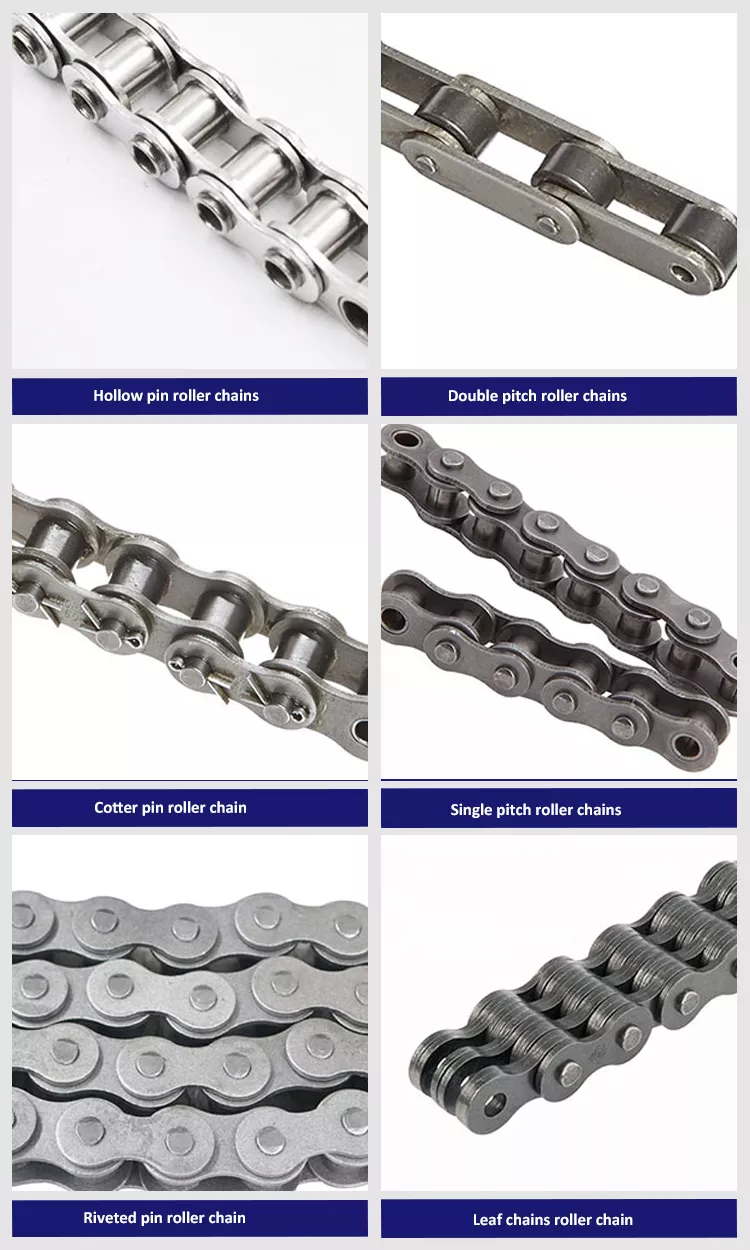
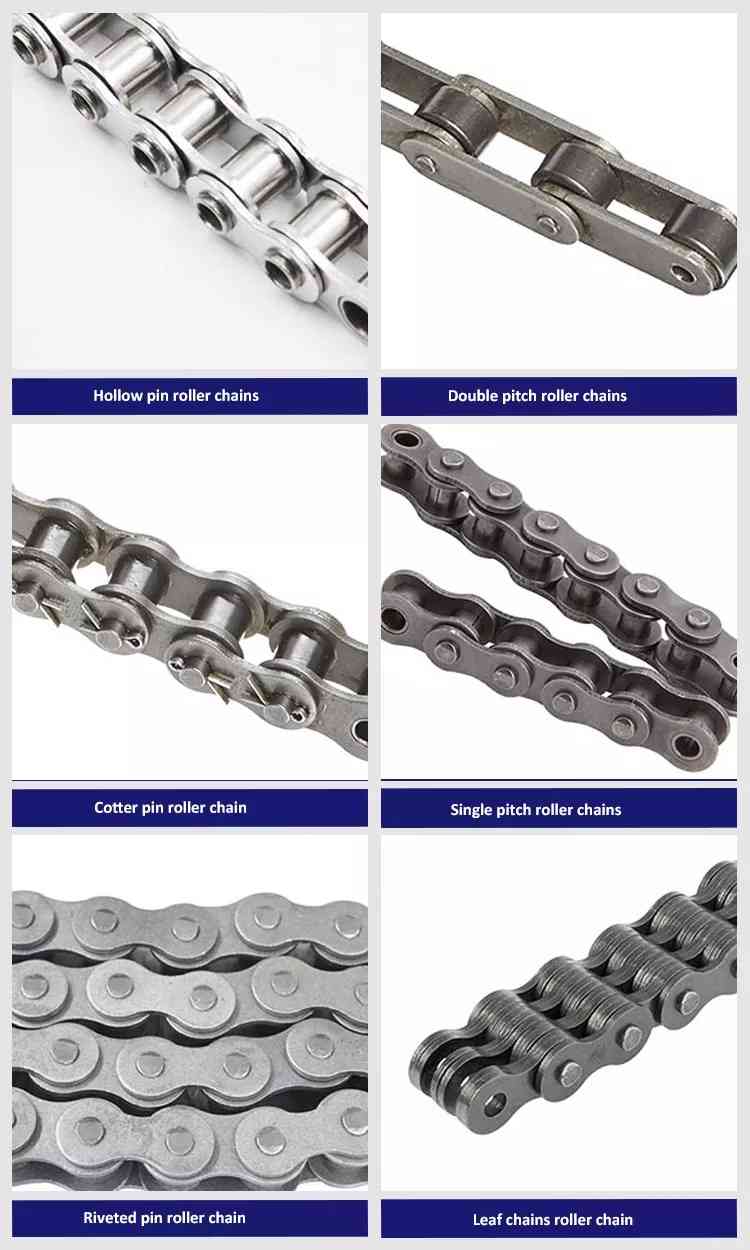
Double pitch roller chains have a flat top surface and are used in many different conveying applications. Double-pitch load-carrying roller chains, also known as oversized roller double-pitch chains, have rollers that extend beyond the sidebars to carry products. Double pitch drive series roller chains are used in elevators, long conveyor drives, agricultural machinery, and commercial sprinkler systems.
The tensile strength of a roller chain is a key factor to consider before purchasing a chain. The tensile strength of a chain is a function of the maximum force the chain can withstand before breaking. The three different types of tensile strength represent the force a chain can withstand without breaking. Each chain also has different strengths that can determine the type of chain you need.
The outer and inner links of the roller chain are designed for bearings. This allows the chain to be paired or unpaired with its internal links. The outer link has a pin, and the inner and outer pins are press-fit into the connecting plate. These links are usually made of steel and have a tensile strength of about 20 times their weight. The fatigue strength of two-pitch offset links is the same as that of the base chain.
They reduce wear with internal lubricants
In a roller chain, the pins and bushings rotate inside the chain without lubricant on the outside. They are in contact with the teeth of the sprocket and can easily wear out if not lubricated. The plates that connect the links and pivot about the pins can also rub against each other and cause wear. This is where lubricants come in handy. Without lubricant, the bare metal of the plate and bushing would rub against each other.
The lubricant should have the appropriate viscosity to penetrate critical internal surfaces and form an effective oil film. Recommended viscosities are listed in Table 1. Lubricants must be clean and non-corrosive. For roller chains, a good quality non-clean petroleum base oil is sufficient. While defoamers are not required, other additives such as antioxidants and extreme pressure inhibitors may be useful. However, impure oils should be avoided due to the risk of damage.
The shape of the spray head 10 overlaps with a conventional drive chain 12. The drive chain includes a plurality of rollers 24 and roller link plates 26. Each roller includes a roller pin 29 and is connected to a pair of pin link plates 28. Most drive chains have critical wear points on the sides of the roller pins 29. The shape of the spray head 10 prevents overspray onto the central portion of the roller.
In addition to preventing wear, these chains have unique specifications. Manufacturer CZPT requires raw material suppliers to certify that their products meet standards set by the American Society of Mechanical Engineers (ASME). CZPTs do not accept uncertified raw materials. For safety, the machine must be turned off before attempting to measure the chain. After the system is shut down, the measurement process should be completed in accordance with safety procedures.
General spray oil has lubricating properties, but is not as good as other types of chain lubricants. These are typically used for rust protection and include antioxidant chemicals. Generally, they are inexpensive and widely available in retail stores. However, they have the disadvantage of being very penetrating and difficult to apply evenly. Oil cannot stay on the chain as it spins, which can accelerate wear and corrosion.
They can be used to speed up or slow down machines
Typically, roller chains are chains used to move mechanical system components. Unlike belts, roller chains can be used to speed up or slow down a machine. The main difference between belts and roller chains is the lubrication process. Belts use lubrication to help them move at a constant speed, but should not exceed the critical speed of the roller chain. This critical speed is not easy to determine and lubrication is critical to its life.
A roller chain is a chain consisting of a steel bushing that holds the inner plate A and pins C together. Pin C is riveted to outer link D, while roller R surrounds each bushing B. The teeth of the sprocket are supported on the rollers. They spin freely on pins and bushings, reducing friction.
The chains can be single-stranded, double-stranded, or multi-stranded. The rated power capacity of the single strand chain can meet various drive load requirements. Multi-strand chains provide higher power capacity without increasing chain pitch or line speed. The silent chain, also known as the inverted tooth chain, consists of a series of toothed chainplates. The pins of the chain are pressed into the wide ends of the sidebars and outer links.
Although roller chains are a common mechanical component, they can fail under certain conditions. The most common cause of excessive wear is wrong to load sizing. Each manufacturer sets a maximum workload for its product. A chain that is too small for the load carried will not run smoothly and may cause premature failure. Chains can also fail due to rust or improper maintenance.
There are many ways to choose the correct size roller chain. The easiest way to choose the right one is to use a horsepower chart to determine the speed of the motor. RPM will determine the size of the chain and the number of teeth on the drive sprocket. Conveyor chains offer a variety of options to move products horizontally or vertically, even around bend radii.
editor by CX 2023-06-01
China 1.01.52.0mm High Quality PVD Gold Plating Titanium Stainless Steel Shiny Thin Cable Chains Necklaces 40cm45cm50cm55cm60cm roller chain breaking tool
Product Amount: LT001
Jewelry Principal Materials: Stainless steel
Substance Kind: stainless steel
Diamond condition: Other
Pearl Kind: Other
Gender: Unisex, Women’s
Primary Stone: None
Jewelry Kind: NECKLACES
Necklaces Kind: Chains
Certificate Sort: None
Chain Kind: Website link Chain
Shapepattern: none
Style: Vintage
Spiritual Kind: Orthodox
Inlay technology: NONE
Packaging Particulars: 1pc in a opp bag,and 12pcs in a massive bag
| Product | High Top quality PVD Gold Plating Titanium Stainless Steel Shiny Thin Cable Chains Necklaces |
| Material | Stainless steel |
| Length | Length can be personalized |
| MOQ | Small quantity is accepted |
| Customized | Customer’s Brand |
drive chain type
Drive chains are used in a variety of industrial applications. Unlike roller chains, which are more efficient in terms of weight and size, drive chains slide on steel guides. Drive chains are often used for dirty work. Here’s what you need to know about the various types of drive chains. In this article, we’ll look at pin chains, engineered steel chains, bushing roller chains, and timing chains. These types are the most common and the most commonly used.
time chain
There are several factors to consider when deciding which drive chain to buy. What matters is how long the chain will last, as the timing chain will stretch over time. However, they are pre-stretched during manufacture to reduce the risk of stretching. Timing chains can also be noisy compared to toothed belt drives, but rails and chain tensioners can alleviate this problem. Timing chains also wear slower than belts, reducing repair costs.
Timing chains require little maintenance compared to belt drives. When well lubricated, timing chains require little maintenance. The only maintenance really required is checking the engine oil level and following the manufacturer’s recommended service intervals. Timing chains of drive chains are also safer than belt drives and can be dangerous if the toothed belt tears. Also, the timing chain only needs minor repairs and replacements. Garages can purchase complete timing chain kits that contain all the parts needed for repairs.
Drive chains can be equipped with roller chains or timing chains, depending on the load on the engine. The style of the timing chain depends on the type of motor used. However, the roller chain is the most common choice due to its high strength and NVH properties. The roller chain has two tabs pressed into the eyes, and two rollers above them. These components work together to improve engine performance.
Many modern vehicles use timing chains. Timing gears synchronize the camshaft and crankshaft so that the valves open and close at the appropriate times. This is critical to the running quality, power output, and fuel consumption of the engine. The timing chain also reduces the amount of pollution emitted by the vehicle. Over the past two decades, many OEMs have turned to time chains for OHC/DOHC engines.
pin chain
Steel pivot chains feature open barrels to reduce blocking and material buildup. These chains are designed for power transmission and transportation applications, often used in agricultural applications. They can be custom welded using specialized accessories. These chains can be used in agricultural, industrial and municipal applications. Here’s a closer look at each. Read on to learn about the benefits of steel pivot chains.
The Long Pitch Class 700 Pivot Chain is a versatile chain for conveying and lifting products. Its T-head pins fit snugly so dust doesn’t get into the pin holes. It is also constructed with a closed bearing structure to prevent elongation due to wear. Steel pivot chains are designed for high fatigue applications and are versatile.
Engineering Steel Chain
Engineered steel drive chain provides maximum power transfer while minimizing weight. Engineering chains are often used for tough oil drilling operations. Designed for durability and tight tolerances, these chains can be used in a variety of industrial equipment. Whether you need to lift heavy objects or store a lot of items, engineered steel chains will do the job. Read on to learn more about the benefits of engineering chains.
Engineered steel chains consist of links or pin joints with large gaps between the components. The material of these chains is designed to handle abrasives. While many of these chains are used as conveyors, some are designed for drives. You can find these chains on conveyors, forklifts, bucket elevators, oil rigs and more. To get the most out of them, they should be able to withstand the power produced by the prime mover.
The chain can withstand high tensile stresses and is ductile enough to withstand fatigue. The center-to-center distance between the chain and sprockets is between 30% and 50% of the pitch. On smaller sprockets, the arc of contact between the teeth and chain must be at least 120 degrees. The resistance of the chain drive depends on the use environment, including vibration, noise, fatigue strength and other factors.
There are many types of engineering steel drive chains, each with a different function. The most commonly used type is the elevator. Its lift mechanism raises and lowers the carriage. Most cranes are attached to the load with hooks. Another type of chain is the oval link. Its links are welded and the sprocket has receivers for each link. It is used in low speed applications for elevators, chain hoists and anchors in offshore operations.
Bushing Roller Chain
Typically, a bushing roller chain as a drive chain consists of two link assemblies. The inner link consists of two plates held together by two sleeves, while the outer link consists of two plates connected by pins that pass through the inner link. However, there are some differences between bushing roller chains. The main difference is the type of link and the amount of lubrication required. If you want to learn more about bushing roller chains, keep reading.
While roller chains are generally stronger and more durable than bushing chains, they are not immune to wear. During the driving cycle, they lengthen and undergo a process called articulation. The rate at which they elongate depends on the lubrication and load applied to them. The frequency of pin and bushing articulation is also critical. Like other wear parts, the manufacture of critical wear parts requires close attention to detail to ensure optimum performance. Correct raw material selection, part fabrication, and assembly are key factors in achieving optimum performance. Improperly prepared parts can affect wear life and performance.
Consider your application and load distribution when selecting a bushing roller chain as your drive chain. The length of the chain must be between 30 and 50 times its pitch. The arc of contact between the small sprocket teeth must be at least 120 degrees. The resistance of the drive chain depends on the usage environment, which will determine its fatigue strength and vibration level. It’s a good idea to check the chain length before deciding to replace it.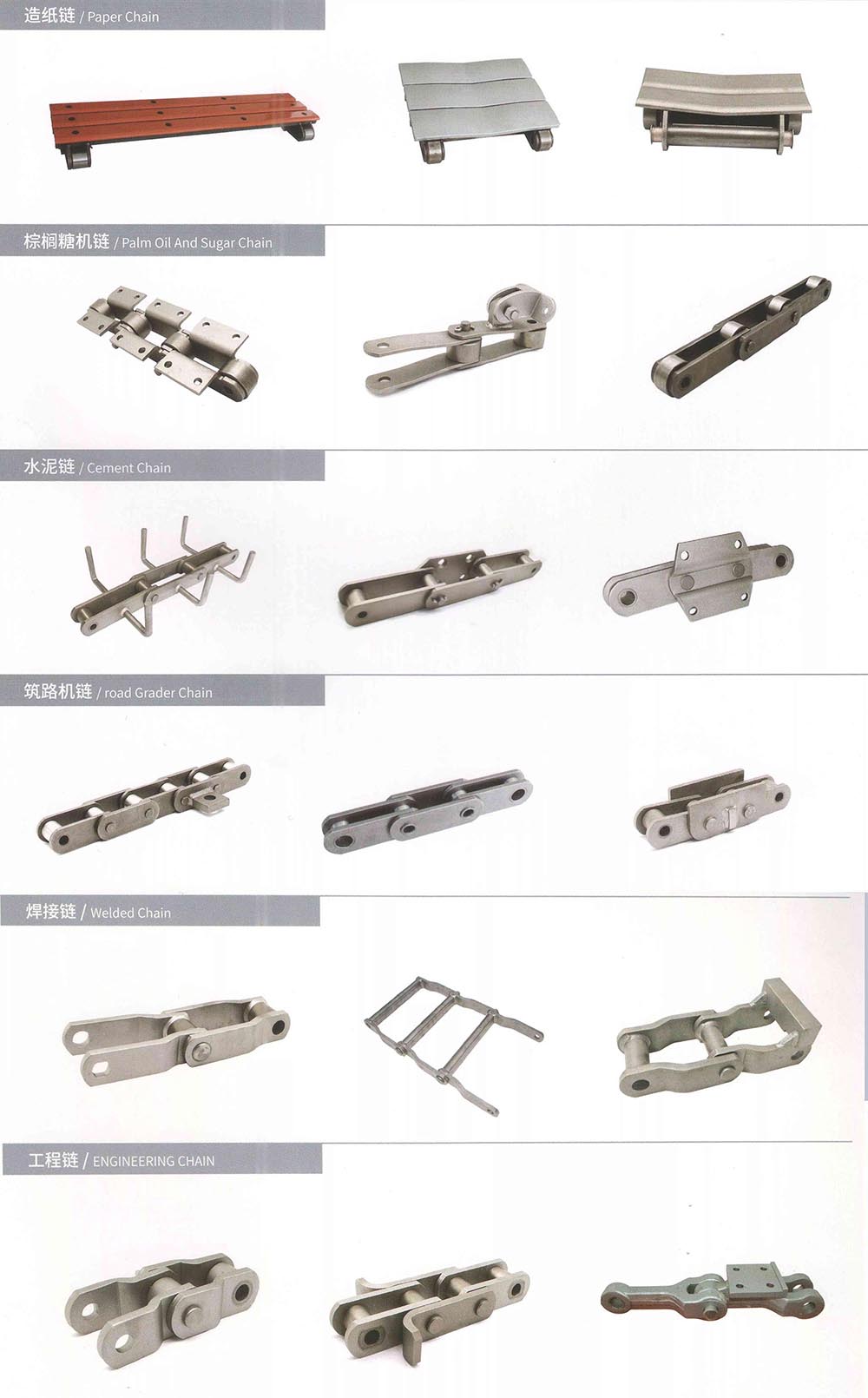
flat top chain
The TSplus flat top drive chain is the most flexible conveying medium on the market today. They can be connected end-to-end to create extended conveyor lines. The side bend design allows it to be used with a variety of conveyor types including inline, snake, and carousel conveyors. These chains are available in a variety of sizes, ranging in width from 3 feet to 20 feet.
A variety of materials are available for flat-top chains, including steel and plastic. Steel chains are ideal for applications requiring wear resistance. They are sturdy and well made. Plastic chains are particularly durable, but not suitable for harsh environments. Stainless steel flat top chains are suitable for a variety of applications, and some manufacturers make them from stainless steel or even aluminum. If your application requires a durable flat top chain, choose a chain made from iwis hardened stainless steel.
Another type of flat-top drive chain is the side bend chain. Suitable for flexible machinery requiring efficient conveying. It is equipped with a single hinge pin or double hinge pin. Either option will do, but each hinge pin has its advantages. Single hinge pin chains are suitable for smaller light-duty conveyors, while double hinge pins are more suitable for medium and heavy-duty applications.
CZPT is a modular flat top chain conveyor system. Its standardized components and modules can be easily integrated into any production process. And because it’s a single track, you can lengthen or shorten it as needed. Its versatile design makes it compatible with other conveyor systems such as belts and sprockets. This monorail modular design allows system lengths up to 40 meters and is compatible with other conveyor systems.
editor by Cx 2023-05-04
China Best Sales High Quality Factory Custom OEM Agricultural Transmission Roller Chain Harvester Chains of Carton Steel (415S) roller chain components
Product Description
Harvester Chains of Carton Steel (415S)
PRODUCT SHOW
PRODUCT DETAILS
Product Parameters
| Standard | GB, ISO, ANSI, DIN |
| Type | Standard A and standard B precision roller chain, conveyor chain; |
| special chain with accessories, welding chain, leaf chain and sprocket | |
| ANSI chain No. | 40,50,60,80,100,120,140,160,180,200,240; |
| C40,C50,C60,C80,C100,C120,C140,C160; | |
| DIN/ISO chain No. | 08A,10A,12A,16A,20A,24A,28A,32A,36A,40A,48A; |
| C08A,C10A,C12A,C16A,C20A,C24A,C28A,C32A; | |
| Application | Food processing, pharmaceutical and chemical industries, electronics, machinery; |
| household appliances, automotive manufacturing, metallurgy, sewage treatment | |
| Series | A series, B series |
More Products
Advantage
Certifications
DETAILS ABOUT CZPT CHAIN
Exhibition
Workshop
Application
Packaging Details
Shipping
FAQ
1. Are you a manufacturer or trade Company?
We are a factory founded in 1997 with a trade team for international service.
2. What terms of payment do you usually use?
T/T 30% deposit and 70% against document, Western Union, L/C at sight
3. What is your lead time for your goods?
Normally 35 days after confirmed order. 30 days could be available in the low season for some items (during May to July), and 45 days during the new year and hot season ( Jan to March).
4. Samples
For customers who need sample confirmation before ordering, please bear in mind that the following policy will be adopted:
1) All samples are free of charge with a maximum value not exceeding USD 100.
2) The courier cost for the first-time sample sending will be charged by the consignee. We will send the samples with freight to be collected. So please inform your account with FedEx, UPS, DHL, or TNT so that we can proceed promptly.
3) The first-time courier cost will be totally deducted from the contract value of the trial cooperation.
| Usage: | Transmission Chain, Conveyor Chain, Agricultural Machine |
|---|---|
| Material: | Alloy/Carbon Steel |
| Surface Treatment: | Polishing |
| Feature: | Heat Resistant |
| Chain Size: | All Sizes |
| Structure: | Agricultural Machine |
| Customization: |
Available
| Customized Request |
|---|
Different types of drive chains
Drive chains are an important part of many different types of machinery. In this article, we’ll cover a variety of different types, from square links to engineered steel. From there, we’ll discuss different types of chains, such as double and leaf chains. Let’s take a closer look at each one. Once you know what kind of chain you’re looking for, you can make a buying decision. If you’re not sure where to start, read on to learn more about these types of chains, what to look for when choosing, and how to choose the right chain for your specific application.
Engineering Steel Chain
Engineering steel chains are widely used in conveyors, bucket elevators, tensioning links, transmission chains, etc., and have the characteristics of high strength, low friction, and good shock resistance. Early models of these chains were developed for difficult-to-convey applications. They were originally made of all-steel components with flanged rollers made of cast iron. They then increase in size, strength, and spacing in response to the heavy-duty requirements of the industry.
Today, these chains are used in a wide variety of applications, including tough oil drilling operations and forklifts. They offer excellent durability and high power transfer and are available in a variety of materials. They are also ideal for harsh environments such as harsh oil drilling. Their high-strength steel construction means they can handle harsh operating conditions. Their durability is an essential feature of any chain, and CZPT Chains offers a full line of engineered steel chains to meet your exact specifications.
A drive chain made of engineered steel consists of several components: links, pin joints, and sprockets. This allows them to carry heavy loads with minimal stretch. Due to its internal mechanical advantage, the chain runs around the sprockets with almost 100% efficiency. Also, the chain is made of special steel that can withstand certain conditions. They are available in different alloys and grades. If you have any questions, please feel free to contact us.
Roller chain wear is a major problem for conveyor and drive chains. In these cases, the rollers of the chain are more prone to wear than the bushings, so lubrication is essential. Many chains are designed to work with little or no lubrication. Finally, material selection is an important factor in the design of engineered steel conveyor chains. These factors will help ensure that the chain stays in good shape.
Conveyor Chains with Square Links
There are two basic types of conveyor chains. The first is the square chain, commonly used in cranes and hoists. It’s cheap to manufacture but more prone to overload. The second is a chain that uses hook joints or detachable links. These are used for short-term power transmission and have a lubricating effect. Usually, they are made of malleable iron but can be more expensive.
Another type of chain is the removable steel chain. For moderate loads, this is an easy-to-install option. The closed end of the tab should face the sprocket. It is very important to maintain the alignment of the chain relative to the sprockets. The chain should be adjusted to suit the load before installation. It is important to keep the chain lubricated to prolong its life.
Steel chains offer a wider selection of materials and heat treatments. This chain is also more accurate than its counterpart. Steel bushing chains are less expensive but require more frequent lubrication. Steel roller chains are often used for long conveyor centers or high loads. However, lower friction requirements require lower strength chains. This means that chains with square links are a better choice for smaller conveyors. But this style has its drawbacks.
Bushing chains are made of steel and are an excellent alternative for small-scale applications. The pins are silent and prevent tooth damage. Bushed roller chains are also used to a certain extent as conveyor chains. However, the main advantage of the bushing roller chain is that it does not make any noise at all. Bushed roller chains are made of alloy steel and are suitable for very low-speed applications.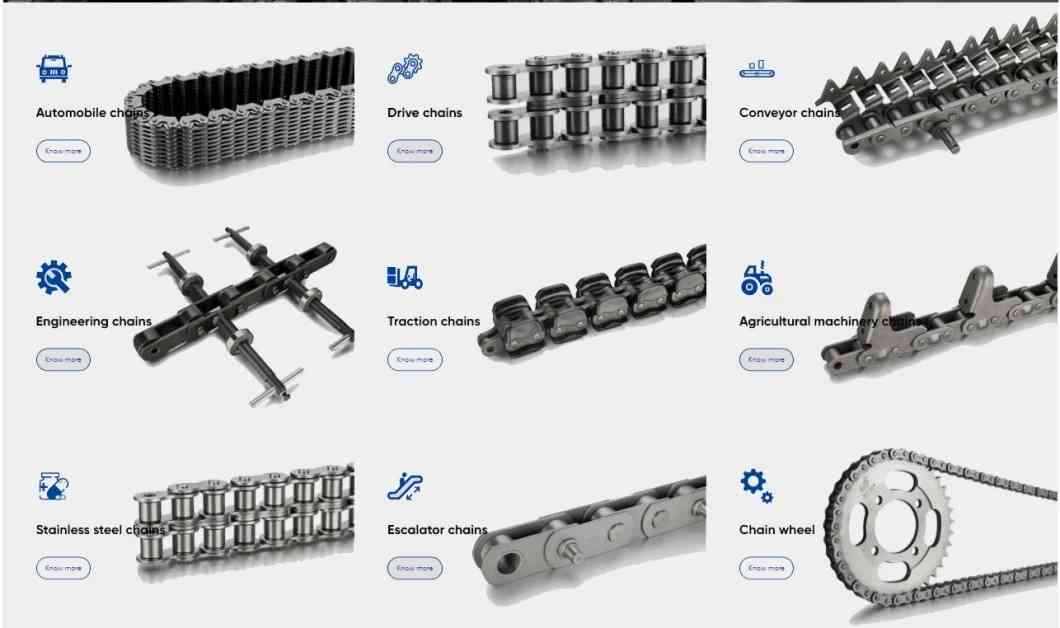
double chain
Double-strand roller chain, also known as a double-strand, consists of two rows of single-strand links. It has high impact strength, low weight, and a small form factor. Duplex roller chains are manufactured using CZPT technology, which uses solid rollers to improve sprocket tooth rotation and reduce shock loads. During the manufacturing process, the metal is heat-treated to increase strength and reduce corrosion.
A single chain is designed for a single sprocket, while a double chain consists of two identical chains connected side by side. Double chains are more durable than simple chains because double rollers contain roller bearings, pins, and other components. Simplex drive chains can handle high loads, while duplex drive chains are designed for medium-duty applications.
leaf chain
Blade chains are used in reciprocating devices such as forklifts. They are also used in machine tools for counterweight chains. Leaf chains come in a variety of lengths, usually with female or male ends. Leaf chains can be manufactured in even or odd pitches and are ideal for lifting and balancing. This article will introduce some key uses of leaf chains in drive chains. Additionally, we’ll discuss how they are made and how they behave in applications.
Most drive chains today are made from leaf chains. These chains are designed to increase the strength of the chain. However, they are less expensive than other types of chains. You can also purchase specialized leaf chains for certain applications. CZPT Chain also offers custom leaf chains for your unique needs. Leaf chains are commonly used in forklifts, material handling, and lifting applications. They are usually made from high-quality components. The BL1688 Leaf Chain has 8 x 8 laces and is sold in 10-foot boxes or 25- to 100-foot reels. The leaf chain can be cut as needed.
When selecting a leaf chain for a specific application, consider the minimum tensile strength of the chain. The minimum breaking strength must be high enough to protect the worker or machine, but must also be legal for the type of machine. Most manufacturers publish this minimum strength requirement. To make the most durable leaf chain, design engineers must consider the ISO4347 standard when choosing the right leaf chain. Leaf chain manufacturers tend to exceed international standards by about 20%.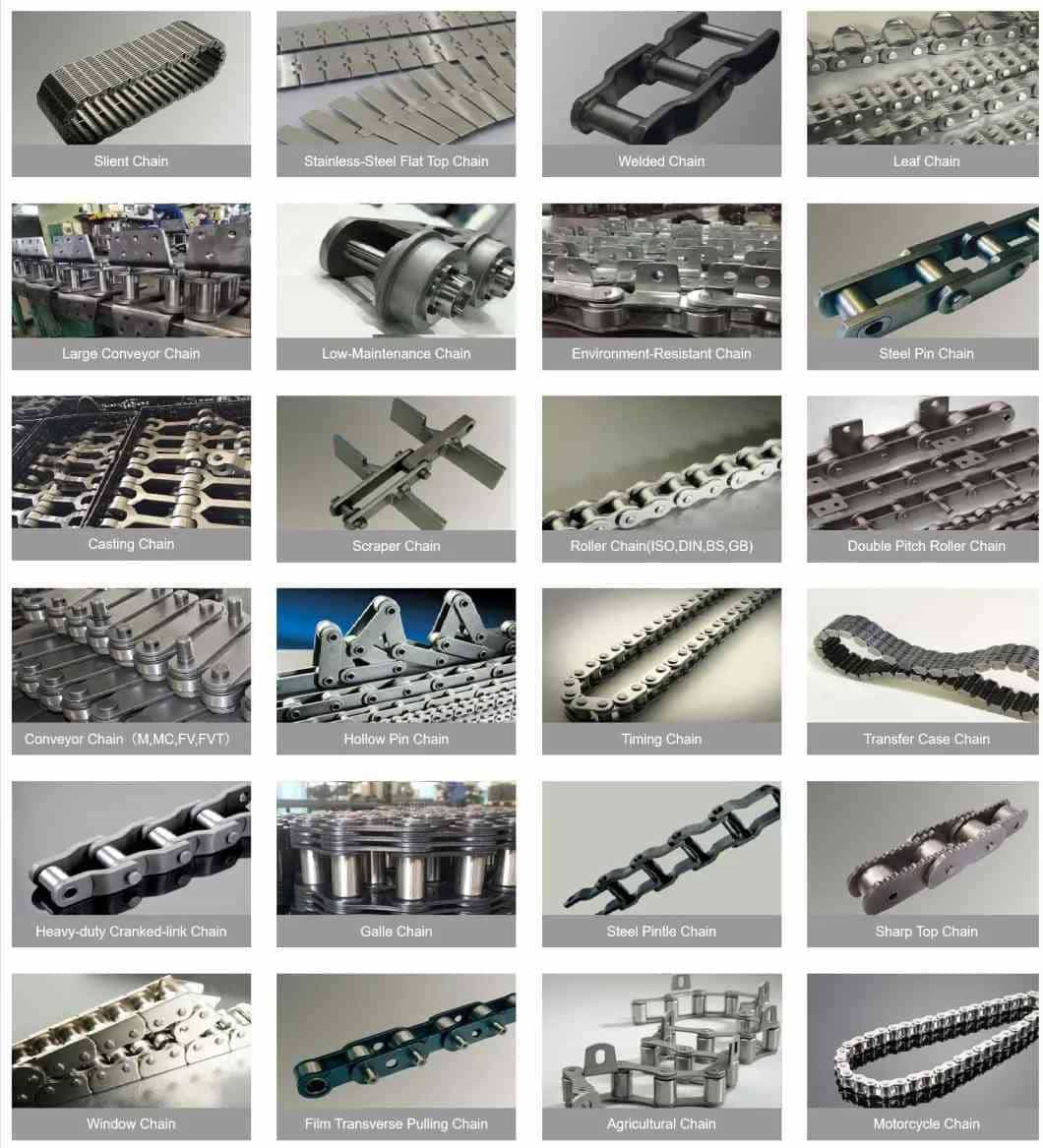
roller chain
Roller chains are made from a variety of materials. Some common materials include steel and stainless steel. The most suitable material depends on cost, environmental conditions, and horsepower transmission design. Chain manufacturers can optimize the material for the intended use. Depending on its size, spacing, and special construction techniques, it can be made lighter or heavier. This is an advantage for applications in noise-sensitive environments. Below are some examples of common uses for roller chains.
The wear of the components in a roller chain is an unavoidable part of its operation. The amount of elongation depends on factors such as lubrication, load, and the frequency of articulation between the pin and bushing. Manufacturing critical wear parts require careful attention to detail. Proper raw materials, manufacturing, and assembly are critical to product performance and longevity. If these components aren’t of high quality, they won’t last as long as the chain should.
The industry recommends measuring the wear elongation of the roller chain to determine when it needs to be replaced. Proper safety procedures must be used to measure chain tension. The tight span of the chain shall be measured by applying the measuring load specified by ANSI. A correctly measured roller chain is safe to use. For motorcycles, the chain is bigger and stronger. Often, toothed belts are replaced by shaft drives because they are less noisy and require less maintenance.
Tensile strength is the most commonly used measurement method for roller chains. This measurement represents the amount of load the chain can withstand before it breaks. Fatigue strength is another measure of durability. Fatigue strength measures how long a roller chain can withstand long-term use before failing. These two measurements are closely related and maybe the same or different. In addition to tensile strength, fatigue strength is a useful factor to consider when purchasing a chain.
editor by CX 2023-04-18
China wholesaler LV40 LV40K1 P41.3 38.4r Agricultural Roller Chains with Great quality
Solution Description
Solution Description
1, Our Chain varieties: Agricultural roller chain, agricultural conveyor chain, motorbike roller chain, roller chains, oil pump chains, weld metal drag chains and so on
two, Major resources: It is 40Mn. 40Cr, 45Mn alloy metal, SUS304, and POM Plastic for plates, ten#, 20#, 20CrMnMo, 30CrMnTi for pins and rollers
three, Warmth treatment method: Carburizing, Austemper Stressing, nitro-caburizing harden etc
4, Area: Shot peening, black, blue or first
In depth Pictures
For instance of roller chain LV40K, S32
Item Parameters
Packaging & Delivery
plastic bag+carton+ OSB Situation
Shipping way: these merchandise will be transported to your local port by sea, these also could be despatched to your distinct tackle by air.
Our Rewards
Our chains could be custom-made in accordance to your true purchase amount, true drawing and real necessity. We have own chain method workshop, heat treatment method workshop, method equipments and skilled designers.
(01)Assembled workshop
(02)Punching plate workshop
(03)Plate fabrication workshop
(04)Heat treatment workshop
(05)Shot peening workshop
(06) our warehouse
After Revenue Support
Our items can be fixed or replaced the new parts with totally free cost in 3 months.
Overview
A chain is a flexible segment consisting of adjacent similar or relatively similar sections. All equipment, mechanisms, and chains used on the machine are collectively referred to as the industrial chain. A closed chain and two sprockets type a mechanism to understand the transmission of the transmission chain. In comparison with equipment generate and belt push, this travel has the following characteristics:
(1) Multi-tooth bearing, secure and dependable
(2) Flexible transmission to take in shock and vibration
(3) The center distance selection is huge, and the manufacturing and set up accuracy specifications are lower
(4) When compared with the belt push, the transmission ratio is exact, the transmission efficiency is greater, and it is suited for harsh environments such as higher temperature, dust, and humidity.
The chain construction is fairly simple, labor-intense, and accompanied by sounds pollution. In modern a long time, the world’s significant industrial countries have progressively changed labor-intensive aOur agricultural machinery chains meet up with each conceivable need to have and are accessible in a assortment of measurements and technical specs. Even so, what all our chains have in widespread is our expert motivation to quality. Being aware of that you have access to a chain you can have faith in can make all the difference and give you peace of brain. We know you require reliable and good quality agricultural chains, not chains that extend and can trigger downtime, and operate challenging to make certain our clients often know our precision chains will work – guaranteed. Although no agricultural procedure can be expected to be free of downtime, our purpose is to reduce missing time by supplying farmers with the areas they want to keep all of their equipment in best condition. Every day dress in and tear is predicted and can be prepared, but we try to minimize the chance of unplanned downtime owing to not getting the correct chain accessible.
nd content-intense goods with technological innovation-intense goods, and most of them have shifted from domestic goods to imported goods. At the exact same time, compared with mainframes or complete sets of equipment, these products do not demand a lot of after-revenue providers, opening the doorway for my country’s export chain.
two. Production
The chain adopts a process route that combines mechanical and warmth treatment method procedures and is formed via content modification, stamping forming, warmth remedy strengthening, assembly (or welding), and other processes. At current, most domestic enterprises use special planes, automatic strains, or production lines for processing and producing, and some enterprises also add non-damaging tests in key procedures.

China Standard Hollow Pin Chains with Small Roller – C50HP with Good quality
Product Description
Hollow Pin Chains with Modest Roller – C50HP
A.Our Companies
1. Any of your type inquiry lumber conveyor chain would be replied inside 24 hrs.
2. Well-skilled and skilled revenue staffs will reply all your issues in fluent English.
3. OEM providers are obtainable with us, our specialist designer would make your non-public concept into getting.
4. Safety of your sales area, ideas of layout and all your personal info.
five. Supply by air mail or ship for your orders.
6. With several years of manufacture and promotion knowledge in worldwide market, brings you revenue and excellent accomplishment!
B.Complex parameters
C. Business show & Solution process
D. Packaging
| Packaging Information: | Chain+Plastic Bag+Neutral Box+Wood circumstance+Massive Carton+Metal Pallets |
| Supply Detail: | 6 weeks |
E. FAQ
one. Are you producer or trade Company?
We are a factory started in 1991 with trade group for global service.
two. What phrases of payment you usually use?
T/T 30% deposit and 70% from doc, Western Union, L/C at sight
3. what is your direct time for your products?
Usually forty five days soon after confirmed purchase. thirty times could be accessible in minimal season for some products (during May possibly to July), and 65 days for the duration of new 12 months and scorching season ( Jan to March).
four. Do you show up at any Present?
We attend Hannover display in Germany, NMW in Austrilia, Canton fair, PTC, in China and several other unique furnishings exhibits.
five. Do you have any quick chat ?
Lubrication and efficiency
The chain managing on the sprocket is because of to the relative movement of the hinge at the pin Dress in to backbone. For that reason, powerful lubrication would seem to be vital Importantly, it not only efficiently lowers dress in but also decreases functionality fee decline and noise.
When the surface area of the friction pair is discolored, it signifies that the lubrication fails.Relubrication must be carried out prior to this.The certain lubrication failure interval ought to be identified according to the distinct doing work circumstances Check conditions and functioning problems.
1. Handbook lubrication
Routinely thoroughly clean the hole among the interior and outer chain plates of the unfastened edge of the chain with a brush or oiler cheer up. This technique is not really reliable, so it is only suitable for Sometimes doing work chains or low-speed secondary derailleurs. At least Totally lubricate when a day (each and every 8 several hours if conditions allow)
Refueling as soon as), must try to keep away from shifting the lubricating oil.
colour phenomenon.
2. Location lubrication
Add utilizing a wick oiler, needle valve oiler cup, or drip cup Oil, this method is only suited for transmission with a reduced axial force ratio, which need to Lubricant discoloration can be avoided.
three. Oil pool lubrication (also knowLubrication and effectiveness
The chain managing on the sprocket is because of to the relative movement of the hinge at the pin Dress in to backbone. For that reason, efficient lubrication seems to be important Importantly, it not only efficiently reduces dress in but also decreases performance rate reduction and sound.
When the floor of the friction pair is discolored, it suggests that the lubrication fails.Relubrication ought to be carried out prior to this.The specific lubrication failure interval should be determined in accordance to the distinct working problems Take a look at situations and operating circumstances.
1. Guide lubrication
Often thoroughly clean the gap among the inner and outer chain plates of the unfastened edge of the chain with a brush or oiler cheer up. This strategy is not extremely reliable, so it is only suited for Sometimes functioning chains or minimal-speed secondary derailleurs. At the very least Totally lubricate as soon as a working day (each and every 8 several hours if conditions permit)
Refueling after), ought to try out to stay away from modifying the lubricating oil.
colour phenomenon.
2. Spot lubrication
Include employing a wick oiler, needle valve oiler cup, or drip cup Oil, this approach is only ideal for transmission with a low axial strain ratio, which must Lubricant discoloration can be averted.
three. Oil pool lubrication (also identified as oil bath lubrication)
in an correctly sized chaincase (use dress in The extended chain need to not hit the side of the box) and has ample lubrication Lubricating oil enables the edges of the chainplates to soak into the rollers or sleeves, but The entrance must not be way too shallow or too deep. If the immersion is also shallow, the lubrication is not reputable
Immersion is way too deep, the oil is vulnerable to thermal oxidation and deterioration, and the oil agitation reduction is large.
four. Oil ring lubrication (also acknowledged as splash lubrication)
The chain runs previously mentioned the oil amount. A single can be dipped in oil for approx.
12.7mm~25.4mm oil slinger uses centrifugal power to get rid of oil Splash up and use the oil catcher on the tank repeatedly transferred to the chain. The peripheral speed of the slinger must be higher than 3m/s, generally not far more than 12.5m/s the highest need to not exceed forty m/s. When the chain width exceeds 127mm, it must be There are oil slingers on each sides of the wheels.
five. Pressured lubrication (also acknowledged as force lubrication)
This lubrication strategy is suited for large-pace heavy-duty transmission. oil The pump and the fuel injection pipe are forced to offer oil for lubrication, which plays the role of a circulating cooling chain Influence. The fuel injection nozzle ought to be organized at the meshing of the chain and the sprocket And the quantity need to be a single far more than the number of chain rows to align every column of the chain the gap between the plates.
n as oil bathtub lubrication)
in an correctly sized chaincase (use dress in The prolonged chain ought to not hit the aspect of the box) and has ample lubrication Lubricating oil makes it possible for the edges of the chainplates to soak into the rollers or sleeves, but The entrance ought to not be way too shallow or way too deep. If the immersion is also shallow, the lubrication is not dependable
Immersion is too deep, the oil is susceptible to thermal oxidation and deterioration, and the oil agitation decline is huge.
4. Oil ring lubrication (also identified as splash lubrication)
The chain runs over the oil stage. A single can be dipped in oil for approx.
12.7mm~25.4mm oil slinger makes use of centrifugal power to get rid of oil Splash up and use the oil catcher on the tank repeatedly transferred to the chain. The peripheral speed of the slinger need to be better than 3m/s, usually not more than 12.5m/s the optimum ought to not exceed 40 m/s. When the chain width exceeds 127mm, it should be There are oil slingers on the two sides of the wheels.
five. Compelled lubrication (also recognized as force lubrication)
This lubrication approach is appropriate for high-velocity hefty-responsibility transmission. oil The pump and the gasoline injection pipe are pressured to offer oil for lubrication, which performs the role of a circulating cooling chain Impact. The fuel injection nozzle must be arranged at the meshing of the chain and the sprocket And the quantity should be one particular a lot more than the variety of chain rows to align every single column of the chain the gap between the plates.