Product Description
Simplex stainless 304 Roller Chain (08B-1, 24B-1)
The most commonly used chain is roller chain or as it is also known transmission chain. These are the simplest chain drives, Used mainly for transmitting power. Can be supplied from 3mm pitch up to 4″ pitch in either mild steel or stainless steel.
We own the sophisticated equipment and the advanced technology, such as:
1. CAD Designer
2. Wire Cutting Machine
3. Chain Running In Machine
4. Conveyor Furance
5. Ball Drift
6. Shot Peened Parts
7. Design Of Link Plate Waist
Pack Detail:
Company Detail:
TAI is 1 of a professional exporter with exporting POWER TRANSMISSION PARTS: Roller chains,conveyor chain,stainless steel chains, agricultural chains, steel detachable chains, special chains, sprockets, s. S. Sprockets, HRC couplings, pulleys, bushes etc. All these products have been supplied regularly to World Wide for over 15 years.
Welcome contact for more detail.
Ava Gao(Sales)
Tran-Auto Industries Co.,Limited
716 Gold River Center,NO.88 Shishan Rd.,
New District,HangZhou,P.R.China.P.C.:215011
Tel: -512-6583
tran-auto
| DIN/ISO Chain No. |
Pitch | Roller Diameter |
Width Between Inner Plates |
Pin Diameter |
Pin Length |
Inner Plate depth |
Plate thick ness |
Ultimate Tensile Strength |
Average Tensile Strength |
Weight Per Meter |
|
| Mm | mm | mm | mm | mm | mm | mm | mm | kN/LB | kN | Kg/m | |
| 04B-1 | 6.000 | 4.00 | 2.80 | 1.85 | 6.80 | 7.80 | 5.00 | 0.60 | 3.0/682 | 3.2 | 0.11 |
| 05B-1 | 8.000 | 5.00 | 3.00 | 2.31 | 8.20 | 8.90 | 7.10 | 0.80 | 5.0/1136 | 5.9 | 0.20 |
| *06B-1 | 9.525 | 6.35 | 5.72 | 3.28 | 13.15 | 14.10 | 8.20 | 1.30 | 9.0/2045 | 10.4 | 0.41 |
| 08B-1 | 12.700 | 8.51 | 7.75 | 4.45 | 16.70 | 18.20 | 11.80 | 1.60 | 18.0/4091 | 19.40 | 0.69 |
| 10B-1 | 15.875 | 10.16 | 9.65 | 5.09 | 19.50 | 20.90 | 14.70 | 1.70 | 22.4/5091 | 27.50 | 0.93 |
| 12B-1 | 19.050 | 12.07 | 11.68 | 5.72 | 22.50 | 24.2 | 16.00 | 1.85 | 29.0/6591 | 32.20 | 1.15 |
| 16B-1 | 25.400 | 15.88 | 17.02 | 8.28 | 36.10 | 37.4 | 21.00 | 4.15/3.1 | 60.0/13636 | 72.80 | 2.71 |
| 20B-1 | 31.750 | 19.05 | 19.56 | 10.19 | 41.30 | 45.0 | 26.40 | 4.5/3.5 | 95.0/21591 | 106.7 | 3.70 |
| 24B-1 | 38.100 | 25.40 | 25.40 | 14.63 | 53.40 | 57.80 | 33.20 | 6.0/4.8 | 160.0/36364 | 178.0 | 7.10 |
| 28B-1 | 44.450 | 27.94 | 30.99 | 15.90 | 65.10 | 69.50 | 36.70 | 7.5/6.0 | 200.0/45455 | 222.0 | 8.50 |
| 32B-1 | 50.800 | 29.21 | 30.99 | 17.81 | 66.00 | 71.0 | 42.00 | 7.0/6.0 | 250.0/56818 | 277.5 | 10.25 |
| 40B-1 | 63.50 | 39.37 | 38.10 | 22.89 | 82.20 | 89.2 | 52.96 | 8.5/8.0 | 355.0/80682 | 394.0 | 16.35 |
| 48B-1 | 76.20 | 48.26 | 45.72 | 29.24 | 99.10 | 107.0 | 63.80 | 12.0/10.0 | 560.0/127272 | 621.6 | 25.00 |
| 56B-1 | 88.90 | 53.98 | 53.34 | 34.32 | 114.60 | 123.0 | 77.80 | 13.5/12.0 | 850.0/193180 | 940.0 | 35.78 |
| *Bushing chain: d1 in the table indicate the external diameter of bushing |
|||||||||||
| Usage: | Transmission Chain |
|---|---|
| Material: | Stainless steel |
| Surface Treatment: | Polishing |
| Feature: | Heat Resistant |
| Chain Size: | 1/2"*3/32" |
| Structure: | Roller Chain |
| Customization: |
Available
| Customized Request |
|---|

How do gripper chains handle product orientation and positioning?
Gripper chains are specifically designed to handle product orientation and positioning tasks in various industrial applications. These chains utilize specialized gripper attachments that securely hold and manipulate the products as they move along the conveying system. Here’s a detailed explanation of how gripper chains handle product orientation and positioning:
- Gripper Attachment Design: Gripper chains feature specially designed attachments or gripper fingers that are strategically positioned along the chain. These grippers are engineered to securely hold and manipulate the products during the conveying process.
- Flexible Gripper Configurations: Gripper chains can be configured in different arrangements to accommodate various product shapes and sizes. The gripper attachments can be customized to match the specific requirements of the application, allowing for effective product orientation and positioning.
- Precision and Control: Gripper chains offer precise control over the product positioning. The gripper attachments can be designed to exert the required amount of force to hold and manipulate the products without causing damage or misalignment.
- Adjustability: Some gripper chain systems feature adjustable gripper attachments that allow for quick and easy adaptation to different product sizes or orientations. This flexibility enables efficient handling of a wide range of products within the same conveying system.
- Smooth and Consistent Movement: Gripper chains are designed to ensure smooth and consistent movement of the products. This helps in maintaining the desired product orientation and positioning throughout the conveying process, minimizing the risk of misalignment or errors.
- Integration with Control Systems: Gripper chains can be integrated with control systems that provide precise coordination between the chain movement and the product manipulation. This allows for seamless product orientation and positioning based on the desired workflow or operational requirements.
Overall, gripper chains offer reliable and efficient handling of products, ensuring accurate orientation and positioning during the conveying process. By selecting the appropriate gripper chain design, gripper attachments, and control system integration, manufacturers can achieve precise control and consistency in product handling tasks.

Can gripper chains be used in food processing or packaging industries?
Gripper chains can indeed be used in food processing and packaging industries, but there are specific considerations and requirements to ensure compliance with food safety standards. Here are some key points to consider:
1. Food-Grade Materials: Gripper chains used in food-related applications must be made of food-grade materials such as stainless steel or plastic that are resistant to corrosion and can withstand frequent cleaning and sanitization.
2. Hygienic Design: Gripper chains should have a hygienic design with smooth surfaces, minimal crevices, and easy-to-clean components. This helps prevent the accumulation of food particles, bacteria, and other contaminants.
3. Easy Disassembly and Cleaning: The design of the gripper chains should facilitate easy disassembly and reassembly for thorough cleaning and sanitization. Quick-release mechanisms and accessible parts make the cleaning process more efficient.
4. Sanitary Conveying: Gripper chains should be used in conjunction with conveyors designed for food processing and packaging. These conveyors should have features like washdown capabilities, food-grade belts, and appropriate sanitation protocols to ensure the overall cleanliness of the system.
5. Compliance with Regulations: It is crucial to comply with relevant food safety regulations, such as the Food Safety Modernization Act (FSMA) in the United States or equivalent regulations in other countries. This includes maintaining records of cleaning and sanitation procedures, implementing proper pest control measures, and conducting regular inspections.
6. Quality Control: Implement quality control measures to ensure the integrity and safety of the gripper chains and related equipment. This includes routine inspections, testing for contamination or foreign objects, and maintaining proper documentation.
7. Training and Awareness: Train employees on food safety practices, including proper handling of gripper chains, maintaining hygiene, and following established protocols. Regularly reinforce the importance of food safety and provide refresher training as needed.
It is essential to work closely with reputable suppliers and industry experts to select and maintain gripper chains that meet the specific requirements of the food processing and packaging industries. Adhering to stringent food safety standards helps ensure the production of safe and high-quality food products.
What are the different types of gripper chains available?
A gripper chain, also known as a grip chain or gripper conveyor chain, comes in various types and configurations to accommodate different application requirements. These types can vary based on the design of the gripper attachments or the specific functionality they offer. Here’s a detailed answer to the question:
1. Curved Finger Gripper Chain: This type of gripper chain features curved fingers or attachments that provide a secure grip on items with curved surfaces or irregular shapes. The curved shape helps conform to the contour of the items, ensuring reliable gripping and preventing slippage during transportation.
2. Flat Finger Gripper Chain: Flat finger gripper chains have flat gripper attachments that are suitable for gripping items with flat surfaces. These chains are commonly used in applications where items need to be held flat or at a specific angle during transport or assembly.
3. Hook Gripper Chain: Hook gripper chains have hook-shaped gripper attachments that are designed to engage with items that have a handle or a hanging point. The hooks securely hold the items, allowing for convenient and controlled transportation.
4. Specialized Gripper Chain: In addition to the above types, there are specialized gripper chains available for specific applications. These may include chains with custom-designed gripper attachments to accommodate unique shapes or sizes of items. They are tailored to meet the specific requirements of the application, providing optimal gripping and transportation capabilities.
When selecting a gripper chain, it’s essential to consider factors such as the shape and size of the items being handled, the weight and load capacity requirements, the speed and precision of transport, and the environmental conditions. Proper selection ensures that the gripper chain performs effectively and reliably in the intended application.
Regular maintenance, including lubrication, tension adjustment, and periodic inspection of the gripper chain, is necessary to ensure optimal performance and extend its lifespan.


editor by CX 2023-08-05
China Good quality Industrial Drive Roller Conveyor Leaf Chain Hoisting Hollow Pin Heavy Duty Stainless Steel Short Double Pitch (AL BL LL)
Product Description
Product Description
Product name: Roller Chain, chain, special chain
Material: 40Mn with heat-treated and with standard thickness for plates
We can supply all kinds indutrial roller chains for transmission, such as the DIN8187 or ANSI standard roller chains, and specialized in this line for more than 10years, with good quality and high reputation in our customers.
Product Attribute
|
Usage |
Leaf Chain ,Flyer chain |
|
Material |
Alloy/Carbon Steel |
| Application industry | Metallurgy, coal, electricity, food, chemical industry, tobacco, beverage, etc |
|
Surface Treatment |
Self-color Sand-blasted Shot-peening |
| Product Series |
AL,BL ,LL,FL,LH |
| Port |
Any sea port or airport in China |
| Brand | TV OEM |
| Payment |
L/C, T/T, D/P, Western Union |
| Package |
Chain, Plastic Bag, Color Box, Wooden Case. or OEM |
| AL Series |
AL322,AL344,AL422,AL444,AL466,AL522,AL534,AL544,AL566,AL622,AL644,AL666,AL688 AL822,AL844,AL866,AL888,AL1571,AL1044,AL1066,AL1088,AL1222,AL1244,AL1266,AL1288 AL1444,AL1466,AL1644,AL1666,AL1688 |
| BL Series | BL422,BL423,BL434,BL444,BL446,BL488,BL522,BL523,BL534,BL544,BL546,BL566,BL588
BL622,BL623,BL634,BL644,BL646,BL688,BL822,BL823,BL834,BL844,BL846,BL866,BL888 BL1571,BL1571,BL1034,BL1044,BL1046,BL1088,BL1222,BL1223,BL1234,BL1244,BL1246 BL1266,BL1288,BL1422,BL1423,BL1434,BL1444,BL1446,BL1488,BL1622,BL1623,BL1634 BL1644,BL1646,BL1666,BL1888,BL2571,BL2571,BL2034,BL2044,BL2046,BL2088 |
| LL Series | LL0622,LL0644,LL0666,LL0822,LL0844,LL0866,LL 0571 ,LL1571,LL1044,LL1066,LL1088,LL1222
LL1244,LL1266,LL1288,LL1622,LL1644,LL1666,LL1688,LL2571,LL2044,LL2066,LL2088,LL2422 LL2444,LL2466,LL2488,LL2822,LL2844,LL2866,LL2888,LL3222,LL3244,LL3266,LL3288,LL4571 LL4044,LL4066,LL4088,LL4822,LL4844,LL4866,LL4888 |
| LH Series | LH0822,LH0823,LH571,LH0844,LH0846,LH0866,LH 0571 ,LH1571,LH1571,LH1034,LH1044
LH1046,LH1066,LH1088,LH1222,LH1223,LH1234,LH1244,LH1246,LH1266,LH1288,LH1622 LH1623,LH1634,LH1644,LH1646,LH1666,LH1688,LH2571,LH2571,LH2034,LH2044,LH2046 LH2066,LH2088,LH2422,LH2423,LH2434,LH2444,LH2446,LH2466,LH2488,LH2822,LH2823 LH2834,LH2844,LH2846,LH2866,LH2888,LH3222,LH3223,LH3234,LH3244,LH3246,LH3266 LH3288,LH4571,LH4571,LH4034,LH4044,LH4046,LH4066,LH4088 |
| FL Series | FL644,FL666,FL688,FL523,FL844,FL922,FL944,FL945,FL956,FL966,FL988 |
| We also carry out OEM according to your requirements |
|
Detailed Photos
Product Parameters
Our Advantages
Company Advantages:
Own Import & Export License, The TV trade mark registered successfully in many countries, Sales network spread all over China, Products export to 65 countries in 5 continents.
Membership:
1. The member of China General Machine Components Industry Association.
2. The member of China Chain Transmission Association.
3. The member of China Chain Standardization Association.
4. The member of China Agricultural Association Machinery Manufacturers.
With our excellent trained staffs and workers, advanced and efficient equipments, completely sales network, strict QA systems. You are confidence that our premium qualified chain can meet all customers’ specification and strictest quality standards.
Please do not hesitate to contact us for more information on how TransVision products can meet your industries demands at highly competitive pricing.
Quality First, Clients Uppermost.
Product Categories
| WHY CHOOSE US |
Comprehensive Product Portfolio We produce and supply a wide range of power transmission
products including drive chains, leaf chains, conveyor chains, agricultural chains, sprockets, and
couplings. This one-store-for-all shopping experience will significantly reduce your searching costs while
guarantee youfind what you want at 1 click.
Value Choice Products Our products are the best combination of quality and price, and you get what
you want within your budgets
Seasoned Sales Associates and Engineers We have 15 seasoned sales associates and 5 engineers;
on our team at your disposal any time when you need a helping hand. They are well trained with industry
know-now and will always respond to your requests within 24 hours.
100% Customer Retention Rate Our regular customers from overseas come back not just for our
premium quality products, but for the superior services that we’ve provided over the years.
| FAQ |
| Q1: What’s your average lead time? A: It varies. Our regular end-to-end lead time is 1-2 months.. We also provide express shipments for rush orders. For details,please consult our sales associate. Q2: Is your price better than your competitors given the same quality? Q4: Can we inspect the goods before shipment? Q5: What kind of payment method is acceptable for your mill? Q6: What if I have any other questions? |
|
Shipping Cost:
Estimated freight per unit. |
To be negotiated |
|---|
| Usage: | Transmission Chain |
|---|---|
| Material: | Alloy/Carbon Steel |
| Surface Treatment: | Natural |
| Customization: |
Available
| Customized Request |
|---|

What are the factors to consider when designing a gripper chain system?
Designing a gripper chain system involves considering various factors to ensure optimal performance and functionality. Here are some key factors to consider:
- Application requirements: Understand the specific requirements of the application, including the type of product to be conveyed or gripped, the desired speed and throughput, the environmental conditions, and any regulatory or industry-specific standards that need to be met.
- Load capacity: Determine the maximum load the gripper chain system needs to handle. Consider the weight, size, and shape of the products to be conveyed or gripped, as well as any dynamic or impact loads that may be present.
- Gripping mechanism: Choose the appropriate gripper elements or attachments based on the product characteristics and the required grip strength. Consider factors such as grip surface area, material compatibility, and the ability to release the product smoothly and accurately.
- Chain configuration: Select the appropriate chain type, pitch, and width based on the load requirements, speed, and available space. Consider factors such as the desired conveying or gripping motion, the required flexibility, and the overall system layout.
- Material selection: Choose materials for the chain links, gripper elements, and other components that are compatible with the product being conveyed or gripped, as well as the operating environment. Consider factors such as corrosion resistance, wear resistance, and the ability to withstand any temperature or chemical exposures.
- System integration: Ensure proper integration of the gripper chain system with the overall conveyor or handling equipment. Consider factors such as the sprocket design, drive mechanism, tensioning system, and any automation or control requirements.
- Maintenance and durability: Consider the ease of maintenance, accessibility for cleaning, and the expected lifespan of the gripper chain system. Choose components that are durable and reliable to minimize downtime and maximize operational efficiency.
It is crucial to work closely with experienced engineers, conveyor system manufacturers, or suppliers specializing in gripper chain systems to ensure the design meets the specific requirements of the application and delivers optimal performance and reliability.

What are the maintenance requirements for gripper chains?
Maintaining gripper chains is essential to ensure their optimal performance and longevity. Here’s a detailed explanation of the maintenance requirements:
1. Regular Cleaning: Gripper chains should be cleaned regularly to remove any debris, dirt, or accumulated residues that can affect their operation. Use a mild detergent or cleaning solution and a brush to clean the chain links, gripper fingers, and jaws. Rinse thoroughly and dry before reinstallation.
2. Inspect for Wear and Damage: Regularly inspect the gripper chains for signs of wear, damage, or deformation. Check for any broken or worn gripper fingers, damaged chain links, or misalignment. Replace any worn or damaged components promptly to prevent further issues.
3. Lubrication: Proper lubrication is essential for smooth operation and reduced friction. Apply lubricant to the chain links and gripper fingers/jaws according to the manufacturer’s recommendations. Use a lubricant specifically designed for high-load and conveyor applications.
4. Tension Adjustment: Check the tension of the gripper chains regularly. Ensure that they are properly tensioned to prevent excessive slack or over-tightening, which can affect the gripping performance and lifespan of the chains. Adjust the tension as needed according to the manufacturer’s guidelines.
5. Replace Worn Components: As gripper chains are subjected to wear during operation, it’s important to monitor the condition of the gripper fingers, jaws, and chain links. Replace any worn or damaged components promptly to maintain the chain’s performance and grip strength.
6. Monitor Alignment: Check the alignment of the gripper chains to ensure they are properly aligned with the sprockets. Misalignment can cause premature wear and reduce the effectiveness of the gripping action. Adjust the alignment as necessary.
7. Operational Environment: Consider the operating environment and take appropriate measures to protect the gripper chains from excessive moisture, extreme temperatures, or exposure to corrosive substances. Implement proper guarding and regular inspections to prevent foreign objects from entering the chain assembly.
8. Follow Manufacturer’s Guidelines: Always refer to the manufacturer’s guidelines and recommendations for specific maintenance procedures, lubrication intervals, and any special considerations for the gripper chains in your particular application.
By following these maintenance requirements, you can ensure that your gripper chains remain in optimal condition, providing reliable gripping performance and prolonging their lifespan.

How do gripper chains compare to roller chains in terms of functionality?
Gripper chains and roller chains are two different types of chains designed for distinct purposes and applications. Here’s a detailed answer to the question:
Gripper Chains:
Gripper chains are specifically designed to provide a secure grip on items during transportation or assembly processes. They feature gripper attachments, such as fingers, hooks, or specialized designs, that engage with the items and hold them firmly in place. Gripper chains are commonly used in conveyor systems where items need to be held or controlled during movement.
The functionality of gripper chains includes:
- Secure grip: Gripper chains offer a reliable grip on items, preventing slippage or movement during transport.
- Accommodation of various shapes: Gripper chains can handle items with different shapes, including flat, curved, or items with handles or hanging points.
- Precision handling: Gripper chains allow for precise control over the position and orientation of the items, ensuring accurate assembly or processing.
Roller Chains:
Roller chains, on the other hand, are primarily used for power transmission applications. They consist of interconnected rollers that engage with sprockets to transmit rotational motion and power. Roller chains are commonly found in machinery, automotive systems, industrial equipment, and many other applications.
The functionality of roller chains includes:
- Power transmission: Roller chains efficiently transfer power from one rotating shaft to another, enabling the movement and operation of various mechanical components.
- Smooth operation: The rollers and links in roller chains facilitate smooth and reliable movement, reducing friction and ensuring efficient power transfer.
- Load-bearing capacity: Roller chains are designed to withstand high loads and provide reliable performance even under heavy-duty conditions.
While both gripper chains and roller chains serve specific purposes, they have different functionalities and applications. Gripper chains focus on securely gripping and controlling items during transportation or assembly, while roller chains excel in power transmission applications. The choice between the two depends on the specific requirements of the application, such as the need for gripping, power transmission, or a combination of both.
It’s important to consult with experts or manufacturers to determine the most suitable chain type for a particular application to ensure optimal functionality and performance.
editor by CX 2023-08-04
China factory High Quality Stainless Steel Roller Chain Agricultural Machinery with Accessories Chain
Product Description
Product advantages:
| — Ten CoreTechnologies — | |||
| 1 | Chain strengh preload technology | 2 | Pin CRV treatment technology |
| 3 | Plate smoothly punching technology | 4 | Bush oil hole technology |
| 5 | Vacuum Oiled Technology | 6 | Precision Punching Technology |
| 7 | Low frequency fatigue test technology for lange size chain | 8 | Chain length comparison technology |
| 9 | Variation of silence design technology | 10 | Chain dynamic testingtechnology technologies |
Our Advantages:
1. Any inquiry you make will be answered professionally within 6~8 hours.
2. Attaches great importance to product quality and approved by many global quality system certification,such as France, Norway, Germany.
3. Focused on Chain since 1999, have rich experience in Production.
4. High-quality workers,First-class advanced equipment,good quality control,advanced technology.
5. Be Good at Custom-Made Products, provide customized services for customers.
6. Participated in the drafting of 24 national and industrial standards such as chains.As of 2571-Mar, CHOHO has 180 authorized patents.
7. With the responsibility of “Providing high quality chain system with the same service life for the global locomotive industry”, have established a strong R&D team.
By 2571,CHOHO has more than 2,7.
-CHOHO has 4 subsidiaries, including testing technology and international trading companies. has 4 factories in HangZhou, Thailand factory, ZheJiang R&D Center and Tokyo R&D Center. In addition, CHOHO ZHangZhoug Industrial zone is expected to be completed & put into operation next year.
-We specialized in producing all kinds of standard chains and special chains, such as Agricultural Chain, Sprocket, Chain Harrow, Tillage Parts,Rice Harvester Chain, GS38 Chain, Roller Chain, Automobile Chain, Motorcycle Chain Industrial Chain and so on.Our partners among world top enterprises, such as LOVOL,JOHN DEERE,NEWHOLLAND, CLASS,AGCO,DEUTZFAHR,HONDA, KUBOTA etc.
FAQ:
1. Are you manufacturer or trade Company?
We are a factory focused on producing and exporting Chain over 23 years,have a professional international trade team.
2. What terms of payment you usually use?
T/T 30% deposit and 70% against document, L/C at sight
3. What is your lead time for your goods?
Normally 30~45 days.Stock can be shipped immediately.
4. Do you attend any Show?
We attend Hannover show in Germany, EIMA in Italy, CZPT in France, CIAME in China and many other Agricultural machinery shows.
5.Do you offer free samples?
Yes,we can.or you just bear the shipping cost.
6.Is OEM available?
Yes, OEM is available. We have professional designers to help you design.
|
Shipping Cost:
Estimated freight per unit. |
To be negotiated|
|
|---|
| Standard or Nonstandard: | Nonstandard |
|---|---|
| Application: | Conveyer Equipment, Agricultural Machinery |
| Surface Treatment: | Polishing |
| Samples: |
US$ 0/Meter
1 Meter(Min.Order) | Order Sample |
|---|
| Customization: |
Available
| Customized Request |
|---|
What are the factors to consider when designing a gripper chain system?
Designing a gripper chain system involves considering various factors to ensure optimal performance and functionality. Here are some key factors to consider:
- Application requirements: Understand the specific requirements of the application, including the type of product to be conveyed or gripped, the desired speed and throughput, the environmental conditions, and any regulatory or industry-specific standards that need to be met.
- Load capacity: Determine the maximum load the gripper chain system needs to handle. Consider the weight, size, and shape of the products to be conveyed or gripped, as well as any dynamic or impact loads that may be present.
- Gripping mechanism: Choose the appropriate gripper elements or attachments based on the product characteristics and the required grip strength. Consider factors such as grip surface area, material compatibility, and the ability to release the product smoothly and accurately.
- Chain configuration: Select the appropriate chain type, pitch, and width based on the load requirements, speed, and available space. Consider factors such as the desired conveying or gripping motion, the required flexibility, and the overall system layout.
- Material selection: Choose materials for the chain links, gripper elements, and other components that are compatible with the product being conveyed or gripped, as well as the operating environment. Consider factors such as corrosion resistance, wear resistance, and the ability to withstand any temperature or chemical exposures.
- System integration: Ensure proper integration of the gripper chain system with the overall conveyor or handling equipment. Consider factors such as the sprocket design, drive mechanism, tensioning system, and any automation or control requirements.
- Maintenance and durability: Consider the ease of maintenance, accessibility for cleaning, and the expected lifespan of the gripper chain system. Choose components that are durable and reliable to minimize downtime and maximize operational efficiency.
It is crucial to work closely with experienced engineers, conveyor system manufacturers, or suppliers specializing in gripper chain systems to ensure the design meets the specific requirements of the application and delivers optimal performance and reliability.

How do gripper chains handle heavy loads?
Gripper chains are specifically designed to handle heavy loads in various material handling applications. Here’s a more detailed explanation:
Gripper chains consist of sturdy chain links that are capable of supporting and carrying heavy items along a conveyor system. The gripper fingers or jaws, attached to the chain links, provide a secure grip on the products, ensuring they remain firmly held during transport.
When it comes to handling heavy loads, gripper chains offer several features and mechanisms to ensure reliable performance:
- Robust Construction: Gripper chains are constructed using high-strength materials such as alloy steel or stainless steel. These materials provide excellent durability and load-bearing capacity, enabling the chains to withstand heavy loads without deformation or failure.
- Enhanced Grip Strength: Gripper chains are equipped with gripper fingers or jaws that are designed to provide a strong and secure grip on heavy items. The gripping surfaces are often made of materials with high friction coefficients, ensuring optimal grip even under heavy load conditions.
- Adjustable Grip Force: Gripper chains allow for adjustable grip force, allowing the operator to set the appropriate level of gripping strength based on the weight and nature of the load. This flexibility ensures that heavy items are securely held without excessive pressure that could damage the products.
- Load Distribution: Gripper chains distribute the load evenly across multiple chain links, minimizing stress concentration on individual components. This design feature enhances the chain’s ability to handle heavy loads by spreading the weight over a larger surface area, reducing the risk of chain failure or damage.
- Anti-slip Mechanisms: Gripper chains often incorporate anti-slip features such as serrated or textured gripping surfaces on the fingers or jaws. These features enhance the chain’s grip on heavy items and prevent slippage, ensuring safe and secure transport.
By incorporating these design elements and features, gripper chains are able to effectively handle heavy loads in material handling applications. They provide reliable and secure gripping, ensuring the safe transportation of heavy items throughout the conveyor system.

How do you select the right gripper chain for a specific application?
Choosing the right gripper chain for a specific application involves considering several factors to ensure optimal performance and reliability. Here’s a detailed answer:
- Load Capacity: Evaluate the maximum weight and size of the items to be gripped and transported by the chain. Select a gripper chain that can safely handle the anticipated load without excessive strain.
- Gripping Method: Determine the preferred gripping method for your application, such as clamping, pinching, or suction. Ensure the gripper chain design aligns with the desired gripping mechanism.
- Speed and Precision: Consider the required speed and precision of item handling. Some gripper chains are designed for high-speed applications, while others offer more precise positioning capabilities.
- Environmental Conditions: Evaluate the operating environment for factors such as temperature, humidity, dust, or chemical exposure. Choose a gripper chain that is resistant to corrosion, abrasion, and other environmental challenges.
- Chain Material: Select a chain material that is suitable for the application’s requirements. Common materials include stainless steel for its corrosion resistance, carbon steel for general-purpose applications, and specialty plastics for lightweight and non-marring applications.
- Chain Size and Configuration: Determine the appropriate chain size based on the anticipated load and gripping requirements. Consider factors such as chain pitch, link width, and overall chain length. Additionally, select the appropriate gripper configuration, such as finger-style, jaw-style, or custom-designed grippers.
- Compatibility: Ensure compatibility between the gripper chain and the associated equipment, such as conveyor systems, robotic arms, or gripper mechanisms. Consider factors such as mounting options, attachment methods, and integration with existing equipment.
- Maintenance and Serviceability: Evaluate the ease of maintenance and serviceability of the gripper chain. Look for features such as removable or replaceable gripper fingers, accessible lubrication points, and ease of chain tension adjustment.
By considering these factors and consulting with gripper chain manufacturers or suppliers, you can select the right gripper chain that meets the specific requirements of your application, ensuring efficient and reliable item handling and gripping.
editor by CX 2023-08-02
China Professional High Quality Stainless Steel Roller Chain Agricultural Machinery with Accessories Chain
Product Description
Product advantages:
| — Ten CoreTechnologies — | |||
| 1 | Chain strengh preload technology | 2 | Pin CRV treatment technology |
| 3 | Plate smoothly punching technology | 4 | Bush oil hole technology |
| 5 | Vacuum Oiled Technology | 6 | Precision Punching Technology |
| 7 | Low frequency fatigue test technology for lange size chain | 8 | Chain length comparison technology |
| 9 | Variation of silence design technology | 10 | Chain dynamic testingtechnology technologies |
Our Advantages:
1. Any inquiry you make will be answered professionally within 6~8 hours.
2. Attaches great importance to product quality and approved by many global quality system certification,such as France, Norway, Germany.
3. Focused on Chain since 1999, have rich experience in Production.
4. High-quality workers,First-class advanced equipment,good quality control,advanced technology.
5. Be Good at Custom-Made Products, provide customized services for customers.
6. Participated in the drafting of 24 national and industrial standards such as chains.As of 2571-Mar, CHOHO has 180 authorized patents.
7. With the responsibility of “Providing high quality chain system with the same service life for the global locomotive industry”, have established a strong R&D team.
By 2571,CHOHO has more than 2,7.
-CHOHO has 4 subsidiaries, including testing technology and international trading companies. has 4 factories in HangZhou, Thailand factory, ZheJiang R&D Center and Tokyo R&D Center. In addition, CHOHO ZHangZhoug Industrial zone is expected to be completed & put into operation next year.
-We specialized in producing all kinds of standard chains and special chains, such as Agricultural Chain, Sprocket, Chain Harrow, Tillage Parts,Rice Harvester Chain, GS38 Chain, Roller Chain, Automobile Chain, Motorcycle Chain Industrial Chain and so on.Our partners among world top enterprises, such as LOVOL,JOHN DEERE,NEWHOLLAND, CLASS,AGCO,DEUTZFAHR,HONDA, KUBOTA etc.
FAQ:
1. Are you manufacturer or trade Company?
We are a factory focused on producing and exporting Chain over 23 years,have a professional international trade team.
2. What terms of payment you usually use?
T/T 30% deposit and 70% against document, L/C at sight
3. What is your lead time for your goods?
Normally 30~45 days.Stock can be shipped immediately.
4. Do you attend any Show?
We attend Hannover show in Germany, EIMA in Italy, CZPT in France, CIAME in China and many other Agricultural machinery shows.
5.Do you offer free samples?
Yes,we can.or you just bear the shipping cost.
6.Is OEM available?
Yes, OEM is available. We have professional designers to help you design.
|
Shipping Cost:
Estimated freight per unit. |
To be negotiated|
|
|---|
| Standard or Nonstandard: | Nonstandard |
|---|---|
| Application: | Conveyer Equipment, Agricultural Machinery |
| Surface Treatment: | Polishing |
| Samples: |
US$ 0/Meter
1 Meter(Min.Order) | Order Sample |
|---|
| Customization: |
Available
| Customized Request |
|---|
Are there any alternatives to gripper chains for conveying and gripping applications?
In addition to gripper chains, there are several alternatives available for conveying and gripping applications. These alternatives offer different mechanisms and technologies to achieve similar results. Here are some common alternatives to gripper chains:
- Belt Conveyors: Belt conveyors use a continuous loop of flexible material, typically made of rubber or fabric, to transport products. They are commonly used for bulk material handling and can be equipped with gripping attachments or specialized belts for specific gripping applications.
- Vacuum Conveyors: Vacuum conveyors use suction to hold and transport products. They are suitable for handling lightweight or fragile items and offer precise control over product positioning. Vacuum grippers can be attached to the conveyor system to securely hold products.
- Pneumatic Grippers: Pneumatic grippers utilize compressed air to grip and manipulate products. They are often used in applications that require fast and precise gripping, such as pick-and-place operations. Pneumatic grippers can be integrated into conveyor systems for effective product handling.
- Magnetic Conveyors: Magnetic conveyors utilize magnetic fields to attract and move ferrous materials. They are commonly used in applications where precise control and orientation of magnetic objects are required. Magnetic grippers can be employed to grip and manipulate products along the conveyor.
- Robotic Arms: Robotic arms offer high flexibility and versatility in conveying and gripping applications. They are capable of complex movements and can be programmed to handle a wide range of products. Robotic arms are often used in automated manufacturing processes for precise and customizable gripping tasks.
The choice of alternative solutions depends on various factors such as the specific application requirements, product characteristics, desired level of automation, and available budget. Each alternative has its own advantages and considerations, and manufacturers need to evaluate the specific needs of their application to determine the most suitable solution.
How do gripper chains handle side-to-side movement in conveying applications?
Gripper chains are designed to effectively handle side-to-side movement in conveying applications. Here’s how they handle this movement:
Gripper chains typically consist of a series of interconnected links with gripper attachments. These grippers securely hold the conveyed items, such as bottles, containers, or products, during the conveying process. The grippers are strategically positioned along the chain and can be customized to match the shape and size of the conveyed items.
When side-to-side movement is required in a conveying application, gripper chains can accommodate this through specific design features:
1. Gripper Attachment Design: Gripper chains are designed with gripper attachments that allow the items to move laterally while still maintaining a secure grip. The grippers are typically flexible or have some degree of movement to accommodate the side-to-side motion without compromising the grip on the conveyed items.
2. Chain Flexibility: Gripper chains are designed to have a certain level of flexibility, allowing them to adapt to the side-to-side movement of the conveyed items. This flexibility ensures that the grippers can adjust their position and maintain a reliable grip on the items during lateral motion.
3. Guide Rails and Track Systems: In some cases, guide rails or track systems are used in conjunction with gripper chains to guide the lateral movement of the conveyed items. These guide rails provide additional stability and control, ensuring smooth and precise side-to-side motion.
4. Tensioning Systems: Proper tensioning of the gripper chains is crucial to maintain consistent and reliable performance during side-to-side movement. Tensioning systems, such as tensioners or adjusters, are used to control the tension in the chain, ensuring optimal grip and minimizing slack that could affect the lateral movement.
By utilizing these design features, gripper chains can effectively handle side-to-side movement in conveying applications. They provide secure gripping and reliable transportation of items, even when lateral motion is required.

What are the common applications of gripper chains?
Gripper chains find application in various industries where precise control and secure gripping of items during transportation or assembly processes are required. Here’s a detailed answer:
- Automotive Industry: Gripper chains are used in automotive manufacturing processes for tasks such as transferring components along assembly lines, controlling the position of parts during painting or surface treatment, and guiding items through robotic workstations.
- Electronics Industry: Gripper chains are utilized in electronics manufacturing for handling delicate electronic components during assembly, PCB (Printed Circuit Board) testing and inspection, and guiding items through automated processes.
- Food and Beverage Industry: Gripper chains are employed in food processing and packaging systems to control the movement and positioning of products on conveyors, ensuring proper alignment, packaging, and labeling.
- Pharmaceutical Industry: Gripper chains are used in pharmaceutical manufacturing for precise handling and control of vials, bottles, blister packs, or other medication containers during filling, capping, labeling, and packaging processes.
- Logistics and Distribution: Gripper chains play a role in logistics and distribution centers, facilitating the sorting, routing, and handling of packages and parcels on conveyor systems.
- Textile Industry: Gripper chains are utilized in textile machinery to control the movement and tension of fabrics during weaving, knitting, or printing processes.
- Printing and Packaging Industry: Gripper chains find application in printing presses and packaging machines to hold and control the movement of paper, cardboard, or other materials during printing, cutting, folding, or packaging operations.
These are just a few examples of the common applications of gripper chains. The versatility and customizable nature of gripper chains make them suitable for various industries where precise item control, positioning, and secure gripping are essential for efficient and reliable processes.
editor by CX 2023-07-31
China Good quality High Quality Motorcycle Conveyor Roller Chain Stainless Steel Professional China Factory Supply (ANSI, BS, DIN, JIS Standard)
Product Description
High Quality Motorcycle Conveyor Roller Chain Stainless Steel Professional China Factory Supply (ANSI, BS, DIN, JIS Standard)
Product Description
1. Material: Stainless steel / Alloy steel / Made to order
2. Surface Treatment: Zinc-Plated / Nickel-Plated / Shot Peening / Blackening
3. Chain Type: Roller chains, Drive chains,Conveyor Chains, Hollow Pin Chains,Welded chains, Steel Pin Chains, Palm oil chains,Sugar Mill Chains.ect.
4. Application: Chains is a very important industry parts, The many industry will be use chain. For examples Sugar mill ,Steel mill,Cement mill, Palm oil mill and more. thus the chain is industrial family main member.
5. “PLW” Company Purpose : Powering Your Business Worldswide. Driving the word and future.
| Product name | High Quality Motorcycle Conveyor Roller Chain Stainless Steel Professional China Factory Supply (ANSI, BS, DIN, JIS Standard) |
| Chain Type | 1. Driving Chain (roller chain, Heavy Duty Cranked-Link,Bushing Chains etc) |
| 2. Conveyor Chain( Double Pitch chains,,MT & MC Series etc) | |
| 3. Hollow Pin Chain | |
| 4. Palm Oil Chain | |
| 5. Sugar Mill Chain | |
| 6. Welded Steel Chain | |
| 7. Rubber Glove Chain | |
| Surface Treatment | Shot peening, Blackening, Oxygenation, Polishing, Zinc-plated, Nickel-plated, Anodized, etc. |
| Characteristic | Fire Resistant, Oil Resistant, Heat Resistant |
| Design criterion | ISO DIN ANSI & Customer’s Drawing |
| Size | Customer’s Drawing & ISO Standard |
| Package | Wooden Case / Container and pallet, or made-to-order |
| Certificate | ISO9001: 2008 |
| Advantage | First quality, Best Service, Competitive price, Fast delivery |
| Delivery Time | 20 days for samples. 45 days for official order. |
View more products,please click here…
Company Profile
| Material: | Steel or Stainless Steel etc |
|---|---|
| Structure: | Chain |
| Surface Treatment: | Shot Peening, Blackening, Oxygenation, Polishing, |
| Chain Size: | All of The Chain |
| Feature: | Fire Resistant, Heat Resistant |
| Transport Package: | Plastic Bag+Box+Plywood Case |
| Samples: |
US$ 0/Meter
1 Meter(Min.Order) | |
|---|
| Customization: |
Available
| Customized Request |
|---|
How do gripper chains handle product orientation and positioning?
Gripper chains are specifically designed to handle product orientation and positioning tasks in various industrial applications. These chains utilize specialized gripper attachments that securely hold and manipulate the products as they move along the conveying system. Here’s a detailed explanation of how gripper chains handle product orientation and positioning:
- Gripper Attachment Design: Gripper chains feature specially designed attachments or gripper fingers that are strategically positioned along the chain. These grippers are engineered to securely hold and manipulate the products during the conveying process.
- Flexible Gripper Configurations: Gripper chains can be configured in different arrangements to accommodate various product shapes and sizes. The gripper attachments can be customized to match the specific requirements of the application, allowing for effective product orientation and positioning.
- Precision and Control: Gripper chains offer precise control over the product positioning. The gripper attachments can be designed to exert the required amount of force to hold and manipulate the products without causing damage or misalignment.
- Adjustability: Some gripper chain systems feature adjustable gripper attachments that allow for quick and easy adaptation to different product sizes or orientations. This flexibility enables efficient handling of a wide range of products within the same conveying system.
- Smooth and Consistent Movement: Gripper chains are designed to ensure smooth and consistent movement of the products. This helps in maintaining the desired product orientation and positioning throughout the conveying process, minimizing the risk of misalignment or errors.
- Integration with Control Systems: Gripper chains can be integrated with control systems that provide precise coordination between the chain movement and the product manipulation. This allows for seamless product orientation and positioning based on the desired workflow or operational requirements.
Overall, gripper chains offer reliable and efficient handling of products, ensuring accurate orientation and positioning during the conveying process. By selecting the appropriate gripper chain design, gripper attachments, and control system integration, manufacturers can achieve precise control and consistency in product handling tasks.
Are gripper chains suitable for vertical lifting applications?
Gripper chains are generally not recommended for vertical lifting applications due to their design and functionality. Gripper chains are primarily designed for conveying and gripping items in horizontal or slightly inclined orientations. Here are some factors to consider:
1. Gripper Attachment Orientation: Gripper chains are designed to grip items from the sides or top, relying on the force of gravity to maintain the grip. In a vertical lifting application, the force acting on the grippers would be in the opposite direction, potentially causing the items to slip or disengage from the grippers.
2. Gripper Holding Capacity: Gripper chains are typically designed to hold items against the force of gravity while being transported horizontally. The gripping mechanism may not be optimized for lifting heavy loads vertically. The weight of the lifted items can put excessive stress on the gripper attachments and compromise their gripping ability.
3. Control and Stability: Vertical lifting applications often require precise control and stability to ensure safe and accurate positioning of the lifted items. Gripper chains may not provide the necessary level of control and stability for vertical lifting, as their design primarily focuses on horizontal conveying rather than vertical lifting.
In applications that involve vertical lifting, alternative lifting mechanisms such as hoists, lifts, or specialized lifting chains are typically more suitable and designed specifically for vertical load handling. These systems offer enhanced lifting capabilities, control, and safety features required for vertical lifting operations.
Therefore, while gripper chains excel in horizontal conveying applications, they are not the optimal choice for vertical lifting. It is important to select the appropriate lifting mechanism based on the specific requirements and considerations of the vertical lifting application.
How do you select the right gripper chain for a specific application?
Choosing the right gripper chain for a specific application involves considering several factors to ensure optimal performance and reliability. Here’s a detailed answer:
- Load Capacity: Evaluate the maximum weight and size of the items to be gripped and transported by the chain. Select a gripper chain that can safely handle the anticipated load without excessive strain.
- Gripping Method: Determine the preferred gripping method for your application, such as clamping, pinching, or suction. Ensure the gripper chain design aligns with the desired gripping mechanism.
- Speed and Precision: Consider the required speed and precision of item handling. Some gripper chains are designed for high-speed applications, while others offer more precise positioning capabilities.
- Environmental Conditions: Evaluate the operating environment for factors such as temperature, humidity, dust, or chemical exposure. Choose a gripper chain that is resistant to corrosion, abrasion, and other environmental challenges.
- Chain Material: Select a chain material that is suitable for the application’s requirements. Common materials include stainless steel for its corrosion resistance, carbon steel for general-purpose applications, and specialty plastics for lightweight and non-marring applications.
- Chain Size and Configuration: Determine the appropriate chain size based on the anticipated load and gripping requirements. Consider factors such as chain pitch, link width, and overall chain length. Additionally, select the appropriate gripper configuration, such as finger-style, jaw-style, or custom-designed grippers.
- Compatibility: Ensure compatibility between the gripper chain and the associated equipment, such as conveyor systems, robotic arms, or gripper mechanisms. Consider factors such as mounting options, attachment methods, and integration with existing equipment.
- Maintenance and Serviceability: Evaluate the ease of maintenance and serviceability of the gripper chain. Look for features such as removable or replaceable gripper fingers, accessible lubrication points, and ease of chain tension adjustment.
By considering these factors and consulting with gripper chain manufacturers or suppliers, you can select the right gripper chain that meets the specific requirements of your application, ensuring efficient and reliable item handling and gripping.
editor by CX 2023-07-28
China manufacturer Stainless Steel Chains Maintenance Free Agricultural Machnery High Quality Durable Transmission Roller Chain roller chain and sprockets
Product Description
Company Profile
-HangZhou CHOHO Industrial Co., Ltd. was founded in 1999. Has become the leader of chain system technology, the first batch of natioal recognized enterprise technology center,national technology innovation demonstration enterprise,and the first A-share listed company in China’s chain drive industry.The securities code is 003033.
-CHOHO has 4 subsidiaries, including testing technology and international trading companies. has 4 factories in HangZhou, Thailand factory, ZheJiang R&D Center and Tokyo R&D Center. In addition, CHOHO ZHangZhoug Industrial zone is expected to be completed & put into operation next year.
-We specialized in producing all kinds of standard chains and special chains, such as Agricultural Chain, Sprocket, Chain Harrow, Tillage Parts,Rice Harvester Chain, GS38 Chain, Roller Chain, Automobile Chain, Motorcycle Chain Industrial Chain and so on.Our partners among world top enterprises, such as LOVOL,JOHN DEERE,NEW HOLLAND, CLASS,AGCO,DEUTZFAHR,HONDA, KUBOTA etc.
Production Capacity Equipment
By 2571,CHOHO has more than 2,700 sets of main production equipment and more than 600 sets of high-precision equipment,With the domestic advanced product laboratory and chain production assembly line, CHOHO has strong research and development and testing capabilities for high-end chain products.
Our Advantages
1. Any inquiry you make will be answered professionally within 6~8 hours.
2. Attaches great importance to product quality and approved by many global quality system certification,such as France, Norway, Germany.
3. Focused on Chain since 1999, have rich experience in Production.
4. High-quality workers,First-class advanced equipment,good quality control,advanced technology.
5. Be Good at Custom-Made Products, provide customized services for customers.
6. Participated in the drafting of 24 national and industrial standards such as chains.As of 2571-Mar, CHOHO has 180 authorized patents.
7. With the responsibility of “Providing high quality chain system with the same service life for the global locomotive industry”, have established a strong R&D team.
CHOHO has a natural brand awareness. As of January 2571, CHOHO has registered the “CHOHO” trademark in more than 60 countries, including the United States, Japan, the United Kingdom, France, Germany, Russia, Spain, Austria, Belgium, Bulgaria, Croatia, Czech Republic, Denmark, Finland, Greece , Hungary, Ireland, Italy, Netherlands, Poland, Portugal, Romania, Ukraine, Sweden, Australia, Algeria, Egypt, Kenya, Morocco, South Korea, Kazakhstan, Mongolia, Syria, Thailand, Pakistan, India, Brazil, Mexico, Colombia, etc.
Product Advantages
Certifications
CHOHO attaches great importance to product quality and approved by many global quality system certification, such as France, Norway, and Germany. Through the establishment of a sophisticated production management process and quality control system, the entire product process control is achieved. With the introduction of advanced production, processing, and testing equipment, CHOHO has internationally leading full-process quality control capabilities to provide customers with high-quality products.
Choho Provide Chain System Solutions for The Global Top 500 and The Enterprises in Various Fields Top 10!
Broad Customer Channels Market Continues to Develop!
CHOHO has been invited to participate in domestic & international agricultural machinery exhibitions, such as Hannover Messe, Bologna Fair, Canton Fair ,VIV ASIA and so on!
Packaging & Shipping
| Packaging Details: | Chain+Plastic Bag+Neutral Box+Wooden case+Big Carton+Steel Pallets or Customization |
FAQ
1. Are you manufacturer or trade Company?
We are a factory focused on producing and exporting Chain over 23 years,have a professional international trade team.
2. What terms of payment you usually use?
T/T 30% deposit and 70% against document, L/C at sight
3. What is your lead time for your goods?
Normally 30~45 days.Stock can be shipped immediately.
4. Do you attend any Show?
We attend Hannover show in Germany, EIMA in Italy, CZPT in France, CIAME in China and many other Agricultural machinery shows.
5.Do you offer free samples?
Yes,we can.or you just bear the shipping cost.
6.Is OEM available?
Yes, OEM is available. We have professional designers to help you design.
| Usage: | Transmission Chain, Conveyor Chain, Dedicated Special Chain, Maintenance Free Chain |
|---|---|
| Material: | Stainless steel |
| Surface Treatment: | Polishing |
| Feature: | Sintered Bushing |
| Chain Size: | 1/2"*3/32" |
| Structure: | Roller Chain |
| Samples: |
US$ 1/Meter
1 Meter(Min.Order) | |
|---|
| Customization: |
Available
| Customized Request |
|---|
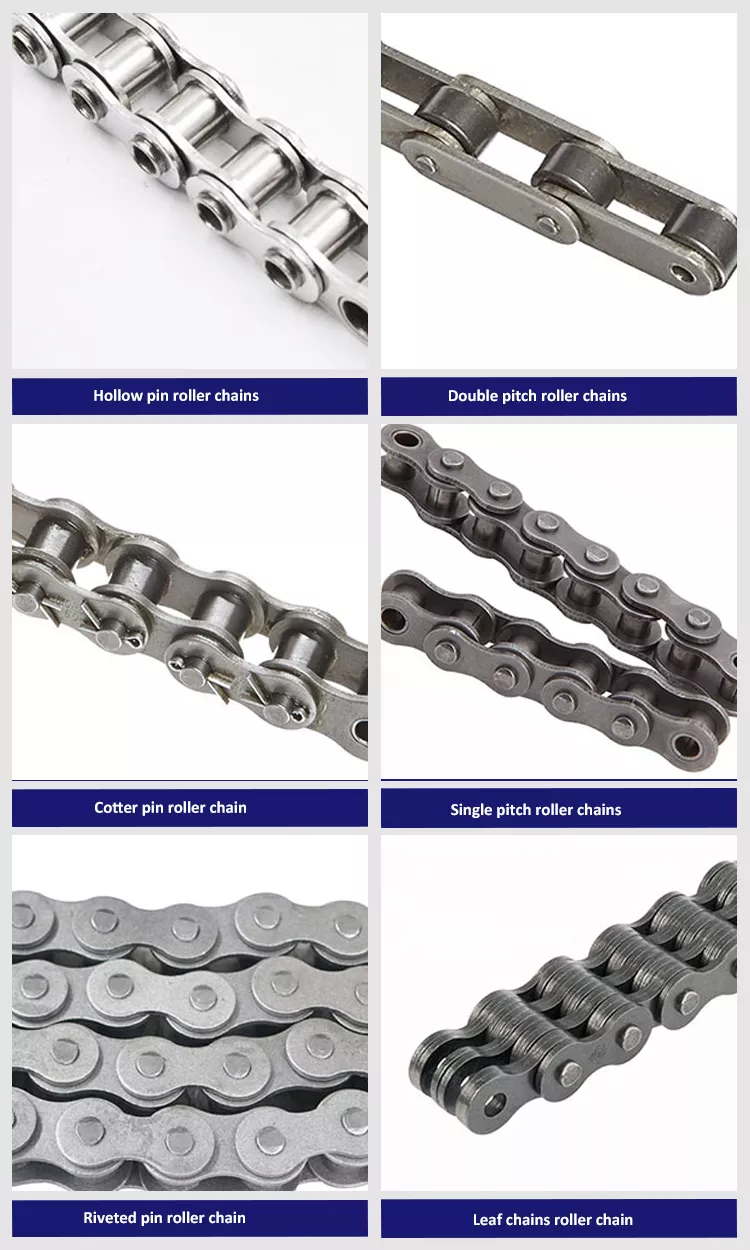
What is a roller chain?
What is a roller chain? A roller chain is a transmission system that transmits power from one shaft to another. Internal lubricant helps chains last longer and are interchangeable. Chains are usually made of carbon or alloy steel. Stainless steel is sometimes used in food processing machinery or in environments where lubrication is problematic. Brass and nylon are also sometimes used. If you need to slow down the machine, nylon chains can be used.
Roller chains are used to transmit power from one shaft to another
Generally speaking, the life of a roller chain is limited by three main factors: wear, corrosion, and fatigue. These can be minimized by following some simple guidelines. For optimum performance, the roller chain must be lubricated. Proper lubrication reduces friction and extends product life. Remember that corrosion and wind resistance can adversely affect lubrication, so protect the product properly.
A chain is a mechanical device used to transmit power from one shaft to another. The chain consists of a series of steel plates called bushings. Bushings are attached to the roller chain by pins or bushings. The block and bushing are held together by pins or bushings C riveted to the outer link D. The chain is also attached to the sprocket and bucket by pins or hooks. Chain pitch is measured between hinge centers, usually denoted p.
There are three types of chains: single-strand standard series, multi-strand standard series, and silent chain. Single strand chains are the most common type and cover a wide range of drive loads. Multi-strand chains provide greater power capacity without increasing chain pitch or line speed. An inverted tooth chain is a variant of a single-strand chain that eliminates the noise caused by pitch-related friction.
The inner and outer plates of the roller chain drive are made of steel. The rollers are positioned evenly between the chain links and are fastened to the sprockets. In addition, the rollers can rotate freely within the bushing. The chain links are arc-shaped and mesh with the sprocket teeth to transmit power through the chain.
Chain drives are another common way of transmitting mechanical power. These are the simplest forms of power transmission and are used on conveyor belts and other low-speed applications. The chain wraps around the sprocket and passes through the sprocket whose teeth mesh with the links. This mechanism transfers mechanical power from one shaft to another, increasing speed.
They are interchangeable
There are many different types of roller chains, but most are made of steel. Although they have their own advantages and features, they are generally interchangeable. You can buy different kinds of roller chains from domestic and foreign manufacturers, and you can choose the one that best suits your needs. Bearing Services can help you choose the right bearing for your application needs and budget. Here are some important things to consider before buying a roller chain. Here are some tips to make it easier for you to buy the right type of chain.
When choosing the right roller chain, be sure to consult the available size charts. Depends on how much chain you need to move the load you need to move. Remember that roller chains can be manufactured to fit a variety of machines and must meet your specific needs. Also, the chain should be long enough for the machine you are using. Make sure to buy a chain made of high-quality materials.
Double pitch roller chains have a flat top surface and are used in many different conveying applications. Double-pitch load-carrying roller chains, also known as oversized roller double-pitch chains, have rollers that extend beyond the sidebars to carry products. Double pitch drive series roller chains are used in elevators, long conveyor drives, agricultural machinery, and commercial sprinkler systems.
The tensile strength of a roller chain is a key factor to consider before purchasing a chain. The tensile strength of a chain is a function of the maximum force the chain can withstand before breaking. The three different types of tensile strength represent the force a chain can withstand without breaking. Each chain also has different strengths that can determine the type of chain you need.
The outer and inner links of the roller chain are designed for bearings. This allows the chain to be paired or unpaired with its internal links. The outer link has a pin, and the inner and outer pins are press-fit into the connecting plate. These links are usually made of steel and have a tensile strength of about 20 times their weight. The fatigue strength of two-pitch offset links is the same as that of the base chain.
They reduce wear with internal lubricants
In a roller chain, the pins and bushings rotate inside the chain without lubricant on the outside. They are in contact with the teeth of the sprocket and can easily wear out if not lubricated. The plates that connect the links and pivot about the pins can also rub against each other and cause wear. This is where lubricants come in handy. Without lubricant, the bare metal of the plate and bushing would rub against each other.
The lubricant should have the appropriate viscosity to penetrate critical internal surfaces and form an effective oil film. Recommended viscosities are listed in Table 1. Lubricants must be clean and non-corrosive. For roller chains, a good quality non-clean petroleum base oil is sufficient. While defoamers are not required, other additives such as antioxidants and extreme pressure inhibitors may be useful. However, impure oils should be avoided due to the risk of damage.
The shape of the spray head 10 overlaps with a conventional drive chain 12. The drive chain includes a plurality of rollers 24 and roller link plates 26. Each roller includes a roller pin 29 and is connected to a pair of pin link plates 28. Most drive chains have critical wear points on the sides of the roller pins 29. The shape of the spray head 10 prevents overspray onto the central portion of the roller.
In addition to preventing wear, these chains have unique specifications. Manufacturer CZPT requires raw material suppliers to certify that their products meet standards set by the American Society of Mechanical Engineers (ASME). CZPTs do not accept uncertified raw materials. For safety, the machine must be turned off before attempting to measure the chain. After the system is shut down, the measurement process should be completed in accordance with safety procedures.
General spray oil has lubricating properties, but is not as good as other types of chain lubricants. These are typically used for rust protection and include antioxidant chemicals. Generally, they are inexpensive and widely available in retail stores. However, they have the disadvantage of being very penetrating and difficult to apply evenly. Oil cannot stay on the chain as it spins, which can accelerate wear and corrosion.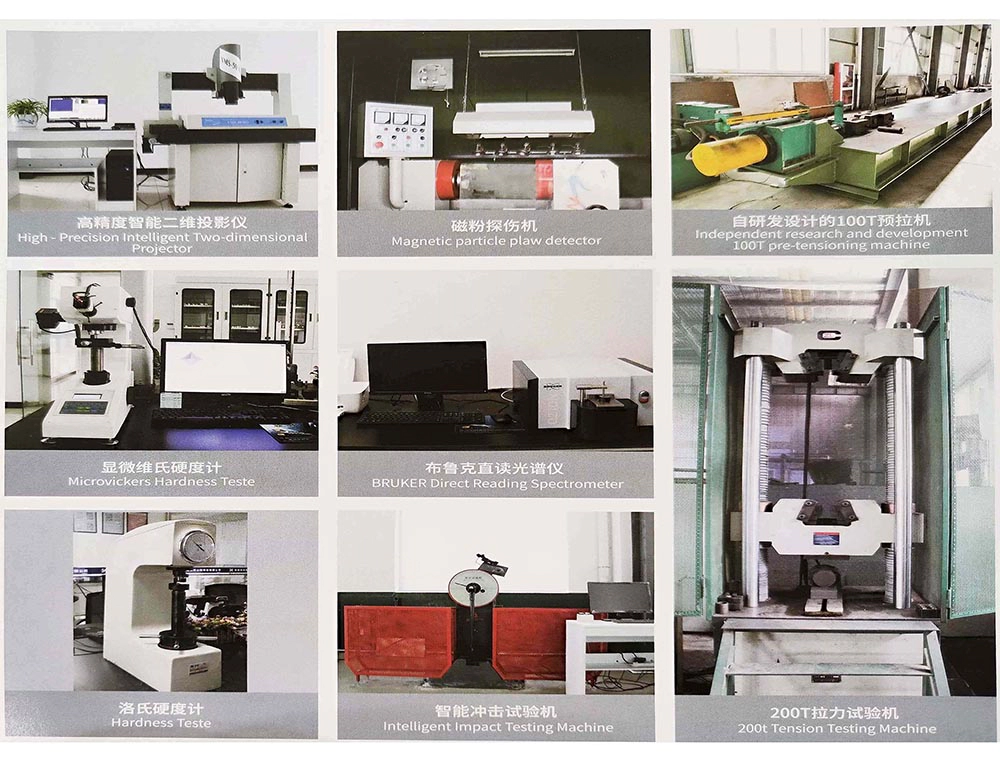
They can be used to speed up or slow down machines
Typically, roller chains are chains used to move mechanical system components. Unlike belts, roller chains can be used to speed up or slow down a machine. The main difference between belts and roller chains is the lubrication process. Belts use lubrication to help them move at a constant speed, but should not exceed the critical speed of the roller chain. This critical speed is not easy to determine and lubrication is critical to its life.
A roller chain is a chain consisting of a steel bushing that holds the inner plate A and pins C together. Pin C is riveted to outer link D, while roller R surrounds each bushing B. The teeth of the sprocket are supported on the rollers. They spin freely on pins and bushings, reducing friction.
The chains can be single-stranded, double-stranded, or multi-stranded. The rated power capacity of the single strand chain can meet various drive load requirements. Multi-strand chains provide higher power capacity without increasing chain pitch or line speed. The silent chain, also known as the inverted tooth chain, consists of a series of toothed chainplates. The pins of the chain are pressed into the wide ends of the sidebars and outer links.
Although roller chains are a common mechanical component, they can fail under certain conditions. The most common cause of excessive wear is wrong to load sizing. Each manufacturer sets a maximum workload for its product. A chain that is too small for the load carried will not run smoothly and may cause premature failure. Chains can also fail due to rust or improper maintenance.
There are many ways to choose the correct size roller chain. The easiest way to choose the right one is to use a horsepower chart to determine the speed of the motor. RPM will determine the size of the chain and the number of teeth on the drive sprocket. Conveyor chains offer a variety of options to move products horizontally or vertically, even around bend radii.
editor by CX 2023-06-01
China high quality DIN818-2 Standard G30/G43/G80 Q235 20mn2 25mnv Lifting Chain (D5mm-D68mm) 30 Years Chain Factory double pitch roller chain
Product Description
OUR PRODUCTS
DIN818-2 Standard G30/G43/G80 Q235 20Mn2 25Mnv Lifting chain(D5mm-D68mm) 30 Years chain factory
| (SIZE AND WEIGHT): | ||||||
| SIZE d*t MM | WIDTH b1 MIN b2MAX | WEIGHT KG/M | APPRAX LOAD KN | TEST LOAD KN | BREAKING LOAD MIN KN | |
| 6*8 | 7.5 | 21 | 0.79 | 1.1 | 27 | 45.2 |
| 7*21 | 9 | 24.5 | 1.07 | 1.5 | 37 | 61.6 |
| 8*24 | 10 | 28 | 1.38 | 2 | 48 | 80.4 |
| 10*30 | 12.5 | 35 | 2.2 | 3.2 | 76 | 125 |
| 11*43 | 12.6 | 36.5 | 2.33 | 3.8 | 92 | 154 |
| 12*36 | 15 | 42 | 3.1 | 4.6 | 109 | 181 |
| 13*39 | 16.3 | 46 | 3.8 | 5 | 128 | 213 |
| 14*42 | 18 | 49 | 4.13 | 6.3 | 150 | 250 |
| 15*46 | 20 | 52 | 5.17 | 7 | 168 | 280 |
| 16*48 | 20 | 56 | 5.63 | 8 | 192 | 320 |
| 18*54 | 23 | 63 | 6.85 | 10 | 246 | 410 |
| 19*57 | 23.7 | 63.2 | 7.7 | 11.3 | 270 | 450 |
| 20*60 | 25 | 70 | 8.6 | 12.5 | 300 | 500 |
| 22*66 | 28 | 77 | 10.7 | 15.3 | 366 | 610 |
| 23*69 | 29.9 | 85.1 | 10.2 | 16 | 415 | 665 |
| 24*72 | 32 | 82 | 12.78 | 18 | 432 | 720 |
| 25*75 | 32.5 | 92.5 | 14.1 | 20 | 491 | 785 |
| 26*78 | 35 | 91 | 14.87 | 21.3 | 510 | 850 |
| 28*84 | 36.4 | 104 | 17.6 | 25 | 616 | 985 |
| 30*90 | 38 | 105 | 19.6 | 28.3 | 678 | 1130 |
| 32*96 | 40 | 106 | 22.29 | 32.2 | 772 | 1286 |
| 36*108 | 46.8 | 133 | 29 | 40 | 1571 | 1630 |
| 40*120 | 52 | 148 | 36 | 50 | 1260 | 2571 |
| 45*135 | 58.5 | 167 | 45.5 | 63 | 1590 | 2540 |
| 48*144 | 60 | 170 | 52 | 72.5 | 1450 | 2900 |
Our Services
1. Prompt reply for inquiry within 24 hours
2. One on one service guarantees you the best purchasing experience.
3. Strong production capacity and professional technical engineer can gusrantee the delivery time and quality.
4. Strict quality control.
| Usage: | Transmission Chain, Conveyor Chain, Dedicated Special Chain, Lifting Mining Fishing Marine Rigging Lashing |
|---|---|
| Material: | Alloy |
| Surface Treatment: | Polishing |
| Feature: | Rust-Resisting Material |
| Chain Size: | D3mm-D64mm |
| Structure: | Welded Chain |
| Samples: |
US$ 150/Ton
1 Ton(Min.Order) | |
|---|
| Customization: |
Available
| Customized Request |
|---|
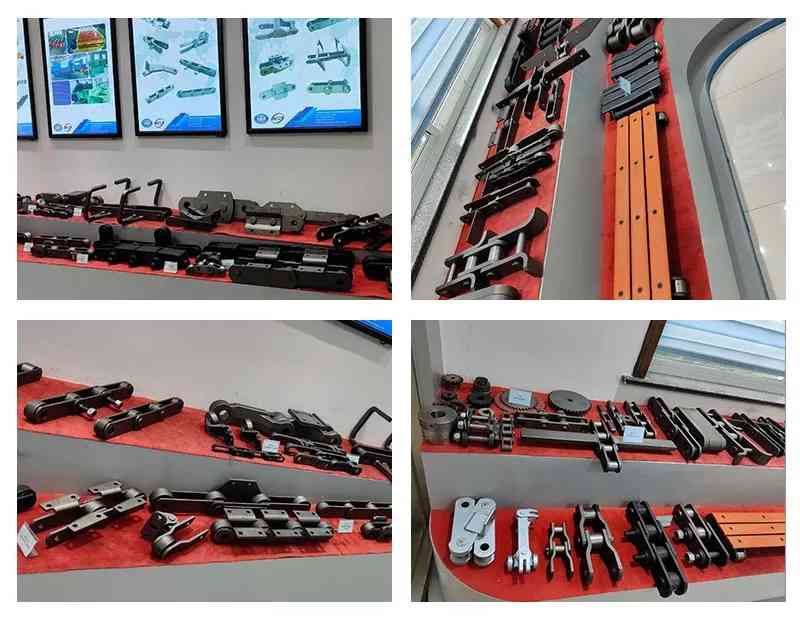
Advantages and Disadvantages of Drive Chains
Drive chains are widely used for sliding steel guides. While solution chains are often used, roller chains are more efficient in size and weight. Nevertheless, a drive chain is often the best choice for dirty jobs. The following are some of the benefits and disadvantages of drive chains. Learn more! Adapt your vehicle to your specific situation with drive chains. You’ll be glad you did! Read on to learn more! Continue reading for information on different types of drive chains.
Inverted tooth chain
An inverted tooth camshaft drive chain has teeth on its links and two pin rolling pivot joints that engage each other to transmit moderate to high-speed rotations. This type of drive chain is also known as a silent chain drive, which is particularly effective in reducing noise and vibration. The teeth on the links mesh perfectly with the teeth of the gear sprocket. The inverted tooth design also provides smooth communication of chain links with the teeth of the sprocket.
The design of the new model was particularly effective in quelling noise. The “Druid” spring forks enabled the chain to adjust with minimal motion of the axle. It was launched at the 1910 Olympia show and sold more than 500 units. The drive chain was also silent, which reduced the need for sound insulation and attenuation components, which in turn minimized weight. Hence, it became an ideal choice for wind turbines.
The main disadvantages of chain drive include its low speed and limited range. It is expensive to manufacture and requires precise mounting. Maintenance is essential, including lubrication and slack adjustment. Its velocity fluctuates as the chain is stretched. This causes the chain to fail at the worst possible time. The chain drive also has problems associated with slippage. In addition, it can be prone to excessive wear and tear. Fortunately, however, there are newer types of drive chains available, which are more durable and reliable.
Duplex chain
There are three types of duplex drive chains: SC, RP, and Ramsey. Each has their own unique advantages and features. The Rampower duplex series offers twice the power capacity of the standard SC duplex chain. They are often used in new applications. SC duplex chains are the most affordable and are used in less demanding applications. The SC duplex chain has a lower power capacity but lower weight. There is also no guarantee of performance.
Multi-strand roller chain
The Multiple-strand roller chain for drive chain market can be defined on the basis of the factors that drive growth in this industry. The factors that hamper market growth can be understood in order to come up with alternative bends for lucrative opportunities. This report aims to understand the current scenario and the impact of COVID-19 on the industry as a whole. We will also discuss the market drivers and restraints. We will discuss the various types of Multiple-strand roller chains for drive chain and their market sizes in the coming years.
The minimum tensile strength for a roller chain is one sixth or one-ninth the tensile strength of a conventional drive chain. These standards are established to prevent linkplate fatigue, which is the main cause of premature breakdown. A chain made of this material is considered a superior choice for high-performance applications involving a high load-bearing capacity. If you’re using a drive chain, make sure to choose a proper chain based on the type of application. A simple chain with a high load-bearing capacity is also ideal for simple applications.
While it is true that a high-tension, high-speed drive requires a higher power rating than a low-speed chain, roller chains are primarily used in low to mid-speed applications. They are similar to bicycle chains but may have a master link. In motorcycles, chains are heavier and may require a chain tool to remove. These chains are often replaced with toothed belts or a combination of both.
Flat top chain
The flat top drive chain is a versatile conveyor belt that conveys medium and large workpiece pallets. Its arcing capacity makes it suitable for continuous drive combinations involving curve arcs. The flat top chain is also available with PA wear pads on the workpiece pallets. The flat top chain’s steel and plastic glide profiles allow surface loads of up to 1.5 kg/cm. HD profiles are compatible with the flat top chain.
The steel flat top chain is available in several types: 815, 820, and 881 series. These are heat-treated to have high strength and excellent wear resistance. They can also be used with various sprockets, including 820 sprockets. The high-quality steel chain can be used with many industrial applications. However, if you are looking for a durable chain for your industrial application, iwis hardened stainless steel flat top chains are an excellent choice.
TSplus flat top drive chain offers the most flexibility of any conveying media. The drive units can be linked end-to-end to form extended conveyor lines. Side-flexing flat top chains are available to create serpentine, in-line, and carousel conveyors. Drive units are available in standard and heavy-duty models. They are versatile enough to handle a variety of container sizes. If you need a more complex conveyor system, you can choose a heavy-duty drive chain.
Rexnord flat top chains come in two basic styles: MatTop chain and TableTop chain. The TableTop chain is molded in standard widths ranging from 3.25 inches to 12 inches. These are shipped in ten-foot sections, but you can also find 20-foot-wide mattop chains. You can even customize your MatTop chain to meet your exact needs. They are perfect for a variety of conveying applications, from general conveying to wash down applications.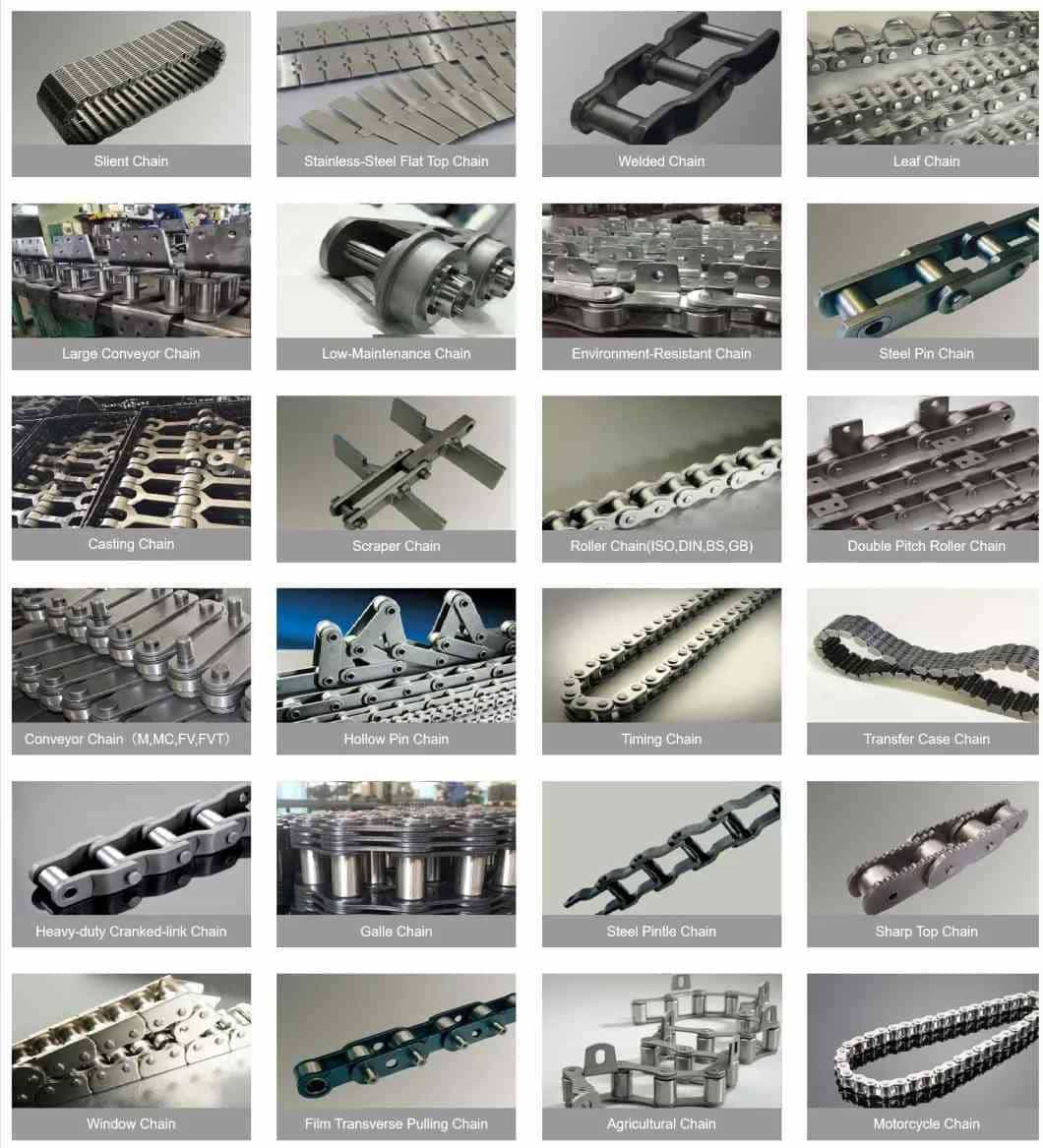
Conveyor chain
Drive chains for conveyors come in a variety of styles. These chains can have varying degrees of pitch. Pitch is governed by wheel tooth strength, the overall chain rigidity, and the type of drive motor. A normal maximum pitch is determined by the width of the link plates and the angle between the mounting angles. You can increase the pitch of your chain by strengthening the bushes between the link plates. Make sure that the gap between the wheel teeth and the bushes is approximately one-fourth inch.
Pitch and tension of the chain are important considerations when choosing a chain. The minimum pitch is determined by the thickness of the tooth on the wheel and the maximum pitch is determined by the rigidity of the link plates. However, this maximum pitch may be exceeded with bushes between the link plates or clearance with the wheel teeth. A good quality chain will have bearing surfaces lubricated to prevent excessive wear and rust. Medium-viscosity mineral oil is suitable for normal operating conditions. SAE 20W-50 is a good choice for this application. Self-lubricating chains are available from many chain manufacturers.
The chain is usually lubricated by dripping oil between the links. This type of lubrication requires regular inspection of the conveyor chain. The amount of oil should be enough to prevent reddish brown discoloration on the chain joints. A lubricating oil should be applied on a daily basis, according to the manufacturer’s specifications. In order to ensure a longer life for your drive chain, make sure that you lubricate it on a regular basis.
editor by CX 2023-05-29
China best High Quality Seal Precious Roller Chain Heat Resistant Chc Conveyor Chain elite roller chain
Product Description
CZPT rollers enhance rotation on the bushing while reducing impact loads on the sprocket tooth during operation.
All components are heat treated to achieve maximum strength.
Pre-loaded during the manufacturing process to minimize initial elongation.
Hot dipped lubrication ensures 100% lubrication of all chain components to extend wear life and reduce maintenance costs.
| ANSI NO. |
PITCH | BUSH WIDTH |
ROLLER DIA |
PIN | PLATE | ULTIMATE TENSILE STRENGTH |
WEIGHT | |||
| D | L | Lc | T | H | ||||||
| mm | mm | mm | mm | mm | mm | mm | mm | KN/min | kg/m | |
| 428H-OR | 12.700 | 7.75 | 8.51 | 4.45 | 22.80 | 23.90 | 2.03 | 11.81 | 23.00 | 0.95 |
| 520H-OR | 15.875 | 6.25 | 10.16 | 5.09 | 22.00 | 23.20 | 2.42 | 15.09 | 21.80 | 1.30 |
| 50-OR | 15.875 | 9.40 | 10.16 | 5.09 | 24.80 | 26.00 | 2.03 | 15.09 | 21.80 | 1.15 |
| 60-OR | 19.050 | 12.57 | 11.91 | 5.94 | 30.40 | 31.90 | 2.42 | 18.08 | 31.10 | 1.66 |
| 80-OR | 25.400 | 15.75 | 15.88 | 7.94 | 35.50 | 37.00 | 3.25 | 24.13 | 55.60 | 2.95 |
| Usage: | Transmission Chain, Conveyor Chain, Dedicated Special Chain, Roller Chain |
|---|---|
| Material: | Alloy/Carbon Steel |
| Surface Treatment: | Polishing |
| Feature: | Heat Resistant |
| Chain Size: | 1/2"*1" |
| Structure: | Roller Chain |
| Samples: |
US$ 10/Meter
1 Meter(Min.Order) | |
|---|
| Customization: |
Available
| Customized Request |
|---|
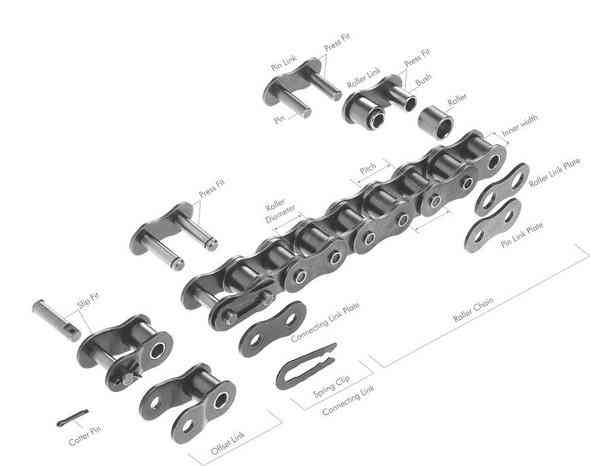
What to look for in a roller chain
There are many different factors to consider when purchasing a roller chain. One of the most important factors is tensile strength, which represents the force required to break the chain. Roller chains are available in three different tensile strengths: minimum, average and ultimate. Each strength reflects a different limit to the load the chain can handle. However, these limits are not always equal and you should be aware of the differences between roller chains.
Canonical chain
Most roller chains have standard sizes printed on the side panels. This is usually “40” or “C2080H”, but can also be the letter “B”. If the chain is old, it will need to be cleaned to see its size. You can find the size on the standard roller chain size chart, but not everyone is marked. To determine the size, measure the diameter and pitch of the chain, then compare the results to the chart to see what size you need.
Heavy-duty roller chains are available with heat-treated pins, side plates, and rollers. In addition to being heat treated, they are also factory pre-stretched, which reduces wear on these parts. If properly maintained, they can last for years, reducing the risk of failure or corrosion. Depending on the application, standard roller chains are available in different sizes. It can be purchased separately. There are several options to choose from, depending on the size and strength of the application.
PEER roller chains contain solid rollers to reduce shock loads on the sprocket teeth. Heat treating and preloading all components of the PEER chain helps minimize initial elongation. Hot-dip lubrication ensures complete lubrication of all chain components, extending their life and reducing maintenance costs. For heavy-duty applications, ASME/ANSI-B29.1 chain is a good choice.
Standard roller chains are made of steel or alloy steel. However, it can be made of other materials such as stainless steel. In addition to steel, stainless steel is often used in food processing machinery where chain lubrication is an issue. Brass and nylon are also sometimes used. However, they are not that popular. Therefore, you should always check with your supplier before purchasing. By comparing the tensile strength of two different chains and making an informed decision, you can get the best price and service.
Chain without bushing
Bushless roller chains have advantages over conventional roller chains. Unlike conventional chains, bushless chains have extensive lateral flexibility, which increases the chain’s lubrication flow. The inner plates of bushless chains have protruding shoulders so the oil can flow through them more easily and efficiently. This is an important characteristic of a smooth-running chain. Additionally, bushless chains may have improved shifting performance.
The strength of a bushingless roller chain is measured in terms of tensile strength and fatigue strength. The former measures the load a chain can withstand before breaking. Fatigue strength is equally important, and factors that affect fatigue strength include the steel used to make the chain components, the pitch hole fabrication, the type of shot peening on the chain, and the design and thickness of the chain. For example, if the chain is too thin, it may not be enough for heavy-duty applications.
Like traditional roller chains, bushingless roller chains have two different types of links. The inner link has two inner plates connected by pins, while the outer chain has two outer plates held together by bushings. A bushingless roller chain is similar to a traditional chain, except it eliminates a step in the assembly process by stamping the tube into the inner plate. So if you want a smoother ride, a bushingless roller chain is a better choice.
There are two different sizes of bushingless roller chains. One size is designed for use with standard single-strand chains, while the other size is designed for use with double-strand or triple-strand chains. Bushless chains are generally shorter than conventional chains, so they can fit in tighter spaces. Bushless chains are made of the highest quality materials. These chain attachments are case hardened for optimum strength and durability.
Mute chain
The silent roller chain has a smooth, low-noise drive. They are made of stacked rows of flat chainplates with a gear-like profile that meshes with the sprocket teeth. Each chainplate is attached to a corresponding sprocket, which also allows the chain to bend. While these basic components are the same for every silent roller chain, there are many variations that allow them to be used in a variety of applications.
The most popular high-speed transmission, silent chains feature gear-like sprockets. They can be made from single or multiple strands of material. Single-strand chains are less expensive than multi-strand chains, but they tend to wear out faster if not lubricated. Single-strand roller chains can be used for years without lubrication, but for your application, wide silent chains are still worth considering.
The design and construction of silent chains make them ideal for conveying a wide variety of products. They have flat, heat-resistant surfaces. They are also durable and non-slip. They are available in a variety of pitch sizes, widths, and mounting styles. Whether you need chains for general purpose conveyors or glass bottle transport applications, we have you covered. Ask about the benefits of silent roller chain conveyors.
Inverted tooth chains are another option for quieter chains. These chains are designed to reduce noise from engine-related friction. Silent chains are more common, and manufacturers have fallen in love with them. A silent chain consists of several links connected to the sprocket teeth. Teeth rotate to reduce noise, vibration, and chord action. These are the main reasons why silent chains are so popular.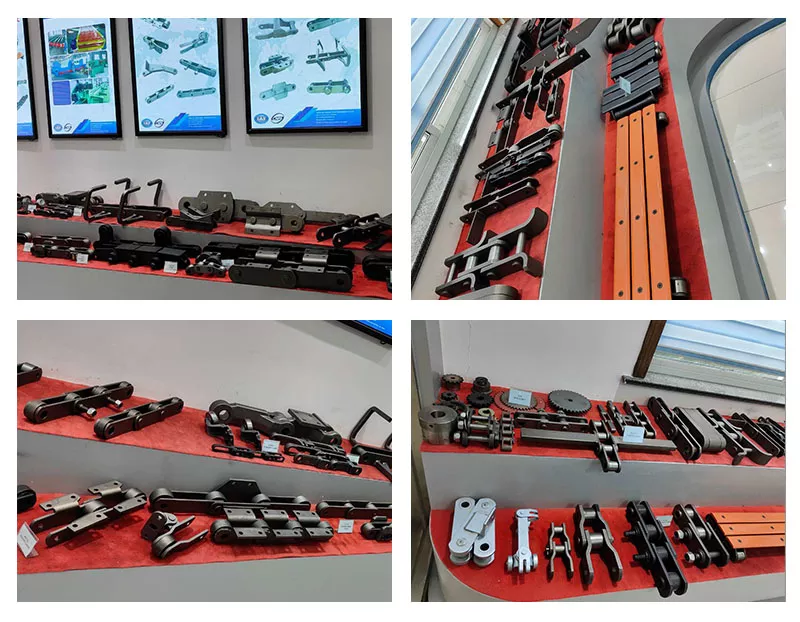
ANSI chain pitch
To measure your bike’s chain pitch, you can use a caliper. This measurement is taken from the center of the rolling pin to the center of the next rolling pin. Chains come in many sizes, but ANSI is the most common chain standard in the United States. A caliper is handy if you’re not sure which size to buy, as it allows you to check for worn sprockets.
Chains that meet ANSI standards will be characterized by a certain pitch. This measurement is based on the width and spacing of the roll. The spacing is usually greater than the width. The standard number will be the right number for the width of the chain or the left number for the rollers. The number on the left indicates whether the chain is lightweight or heavyweight. Heavyweight chains are designated by the suffix “H”.
Common chain sizes are based on ANSI chain pitch. Pitch is the minimum distance between bushing and sprocket. The smaller the chain pitch, the greater the total distance between the two points. This means the chain will last longer. However, if you are buying a chain for a specific application, you should check the pitch carefully as it can affect the performance of the chain.
Roller chain wear measurement
The purpose of roller chain wear measurement is to prevent breakage by monitoring the strain on the chain. There are several ways to measure roller chain wear. The first is to remove the chain from its working position and measure the distance from the sprocket to its measuring end. Another way is to measure the pitch of the chain or the distance between two pins. This method is superior to other methods because it is convenient and accurate.
When measuring the wear of a roller chain, it is important to note that the elements of the chain will gradually deform. About 3.75% of the total wear will be on the pins and the rest will be on the internal links. These wear measurements will vary based on the nominal pitch of the chain and the amount of friction the chain is experiencing. Proper lubrication between pins and bushings, load and frequency of articulation all affect wear rates.
It is important to measure the amount of wear on the roller chain to avoid excessive machine failures. The longer the chain runs, the more wear it will wear. Although the length of the chain should be less than the center distance, the excessive load will cause premature wear. Therefore, lubrication is essential. Additionally, the sag of the chain should not exceed 2% to 4% of its center-to-center distance. Finally, check for unusual noise or visible defects. A common cause of excessive roller chain wear is the size of the load. Every chain manufacturer sets a maximum workload for its product.
There are several ways to measure roller chain wear. If using a high-speed drive, it should have at least 11 teeth, and a medium-speed drive should have at least 25 teeth. Also, be sure to check the length of the chain, even if you should. The same goes for the pin diameter, which should be the same or different pitch as the roller chain.
editor by CX 2023-05-19
China Best Sales High Quality Seal Precious Roller Chain Heat Resistant Chc Conveyor Chain pin bush chain
Product Description
CZPT rollers enhance rotation on the bushing while reducing impact loads on the sprocket tooth during operation.
All components are heat treated to achieve maximum strength.
Pre-loaded during the manufacturing process to minimize initial elongation.
Hot dipped lubrication ensures 100% lubrication of all chain components to extend wear life and reduce maintenance costs.
| ANSI NO. |
PITCH | BUSH WIDTH |
ROLLER DIA |
PIN | PLATE | ULTIMATE TENSILE STRENGTH |
WEIGHT | |||
| D | L | Lc | T | H | ||||||
| mm | mm | mm | mm | mm | mm | mm | mm | KN/min | kg/m | |
| 428H-OR | 12.700 | 7.75 | 8.51 | 4.45 | 22.80 | 23.90 | 2.03 | 11.81 | 23.00 | 0.95 |
| 520H-OR | 15.875 | 6.25 | 10.16 | 5.09 | 22.00 | 23.20 | 2.42 | 15.09 | 21.80 | 1.30 |
| 50-OR | 15.875 | 9.40 | 10.16 | 5.09 | 24.80 | 26.00 | 2.03 | 15.09 | 21.80 | 1.15 |
| 60-OR | 19.050 | 12.57 | 11.91 | 5.94 | 30.40 | 31.90 | 2.42 | 18.08 | 31.10 | 1.66 |
| 80-OR | 25.400 | 15.75 | 15.88 | 7.94 | 35.50 | 37.00 | 3.25 | 24.13 | 55.60 | 2.95 |
| Usage: | Transmission Chain, Conveyor Chain, Dedicated Special Chain, Roller Chain |
|---|---|
| Material: | Alloy/Carbon Steel |
| Surface Treatment: | Polishing |
| Feature: | Heat Resistant |
| Chain Size: | 1/2"*1" |
| Structure: | Roller Chain |
| Samples: |
US$ 10/Meter
1 Meter(Min.Order) | |
|---|
| Customization: |
Available
| Customized Request |
|---|
What is a roller chain?
What is a roller chain? A roller chain is a transmission system that transmits power from one shaft to another. Internal lubricant helps chains last longer and are interchangeable. Chains are usually made of carbon or alloy steel. Stainless steel is sometimes used in food processing machinery or in environments where lubrication is problematic. Brass and nylon are also sometimes used. If you need to slow down the machine, nylon chains can be used.
Roller chains are used to transmit power from one shaft to another
Generally speaking, the life of a roller chain is limited by three main factors: wear, corrosion, and fatigue. These can be minimized by following some simple guidelines. For optimum performance, the roller chain must be lubricated. Proper lubrication reduces friction and extends product life. Remember that corrosion and wind resistance can adversely affect lubrication, so protect the product properly.
A chain is a mechanical device used to transmit power from one shaft to another. The chain consists of a series of steel plates called bushings. Bushings are attached to the roller chain by pins or bushings. The block and bushing are held together by pins or bushings C riveted to the outer link D. The chain is also attached to the sprocket and bucket by pins or hooks. Chain pitch is measured between hinge centers, usually denoted p.
There are three types of chains: single-strand standard series, multi-strand standard series, and silent chain. Single strand chains are the most common type and cover a wide range of drive loads. Multi-strand chains provide greater power capacity without increasing chain pitch or line speed. An inverted tooth chain is a variant of a single-strand chain that eliminates the noise caused by pitch-related friction.
The inner and outer plates of the roller chain drive are made of steel. The rollers are positioned evenly between the chain links and are fastened to the sprockets. In addition, the rollers can rotate freely within the bushing. The chain links are arc-shaped and mesh with the sprocket teeth to transmit power through the chain.
Chain drives are another common way of transmitting mechanical power. These are the simplest forms of power transmission and are used on conveyor belts and other low-speed applications. The chain wraps around the sprocket and passes through the sprocket whose teeth mesh with the links. This mechanism transfers mechanical power from one shaft to another, increasing speed.
They are interchangeable
There are many different types of roller chains, but most are made of steel. Although they have their own advantages and features, they are generally interchangeable. You can buy different kinds of roller chains from domestic and foreign manufacturers, and you can choose the one that best suits your needs. Bearing Services can help you choose the right bearing for your application needs and budget. Here are some important things to consider before buying a roller chain. Here are some tips to make it easier for you to buy the right type of chain.
When choosing the right roller chain, be sure to consult the available size charts. Depends on how much chain you need to move the load you need to move. Remember that roller chains can be manufactured to fit a variety of machines and must meet your specific needs. Also, the chain should be long enough for the machine you are using. Make sure to buy a chain made of high-quality materials.
Double pitch roller chains have a flat top surface and are used in many different conveying applications. Double-pitch load-carrying roller chains, also known as oversized roller double-pitch chains, have rollers that extend beyond the sidebars to carry products. Double pitch drive series roller chains are used in elevators, long conveyor drives, agricultural machinery, and commercial sprinkler systems.
The tensile strength of a roller chain is a key factor to consider before purchasing a chain. The tensile strength of a chain is a function of the maximum force the chain can withstand before breaking. The three different types of tensile strength represent the force a chain can withstand without breaking. Each chain also has different strengths that can determine the type of chain you need.
The outer and inner links of the roller chain are designed for bearings. This allows the chain to be paired or unpaired with its internal links. The outer link has a pin, and the inner and outer pins are press-fit into the connecting plate. These links are usually made of steel and have a tensile strength of about 20 times their weight. The fatigue strength of two-pitch offset links is the same as that of the base chain.
They reduce wear with internal lubricants
In a roller chain, the pins and bushings rotate inside the chain without lubricant on the outside. They are in contact with the teeth of the sprocket and can easily wear out if not lubricated. The plates that connect the links and pivot about the pins can also rub against each other and cause wear. This is where lubricants come in handy. Without lubricant, the bare metal of the plate and bushing would rub against each other.
The lubricant should have the appropriate viscosity to penetrate critical internal surfaces and form an effective oil film. Recommended viscosities are listed in Table 1. Lubricants must be clean and non-corrosive. For roller chains, a good quality non-clean petroleum base oil is sufficient. While defoamers are not required, other additives such as antioxidants and extreme pressure inhibitors may be useful. However, impure oils should be avoided due to the risk of damage.
The shape of the spray head 10 overlaps with a conventional drive chain 12. The drive chain includes a plurality of rollers 24 and roller link plates 26. Each roller includes a roller pin 29 and is connected to a pair of pin link plates 28. Most drive chains have critical wear points on the sides of the roller pins 29. The shape of the spray head 10 prevents overspray onto the central portion of the roller.
In addition to preventing wear, these chains have unique specifications. Manufacturer CZPT requires raw material suppliers to certify that their products meet standards set by the American Society of Mechanical Engineers (ASME). CZPTs do not accept uncertified raw materials. For safety, the machine must be turned off before attempting to measure the chain. After the system is shut down, the measurement process should be completed in accordance with safety procedures.
General spray oil has lubricating properties, but is not as good as other types of chain lubricants. These are typically used for rust protection and include antioxidant chemicals. Generally, they are inexpensive and widely available in retail stores. However, they have the disadvantage of being very penetrating and difficult to apply evenly. Oil cannot stay on the chain as it spins, which can accelerate wear and corrosion.
They can be used to speed up or slow down machines
Typically, roller chains are chains used to move mechanical system components. Unlike belts, roller chains can be used to speed up or slow down a machine. The main difference between belts and roller chains is the lubrication process. Belts use lubrication to help them move at a constant speed, but should not exceed the critical speed of the roller chain. This critical speed is not easy to determine and lubrication is critical to its life.
A roller chain is a chain consisting of a steel bushing that holds the inner plate A and pins C together. Pin C is riveted to outer link D, while roller R surrounds each bushing B. The teeth of the sprocket are supported on the rollers. They spin freely on pins and bushings, reducing friction.
The chains can be single-stranded, double-stranded, or multi-stranded. The rated power capacity of the single strand chain can meet various drive load requirements. Multi-strand chains provide higher power capacity without increasing chain pitch or line speed. The silent chain, also known as the inverted tooth chain, consists of a series of toothed chainplates. The pins of the chain are pressed into the wide ends of the sidebars and outer links.
Although roller chains are a common mechanical component, they can fail under certain conditions. The most common cause of excessive wear is wrong to load sizing. Each manufacturer sets a maximum workload for its product. A chain that is too small for the load carried will not run smoothly and may cause premature failure. Chains can also fail due to rust or improper maintenance.
There are many ways to choose the correct size roller chain. The easiest way to choose the right one is to use a horsepower chart to determine the speed of the motor. RPM will determine the size of the chain and the number of teeth on the drive sprocket. Conveyor chains offer a variety of options to move products horizontally or vertically, even around bend radii.
editor by CX 2023-05-18
China manufacturer High Quality Seal Precious Roller Chain Heat Resistant Chc Conveyor Chain CZPT roller chain
Product Description
CZPT rollers enhance rotation on the bushing while reducing impact loads on the sprocket tooth during operation.
All components are heat treated to achieve maximum strength.
Pre-loaded during the manufacturing process to minimize initial elongation.
Hot dipped lubrication ensures 100% lubrication of all chain components to extend wear life and reduce maintenance costs.
| ANSI NO. |
PITCH | BUSH WIDTH |
ROLLER DIA |
PIN | PLATE | ULTIMATE TENSILE STRENGTH |
WEIGHT | |||
| D | L | Lc | T | H | ||||||
| mm | mm | mm | mm | mm | mm | mm | mm | KN/min | kg/m | |
| 428H-OR | 12.700 | 7.75 | 8.51 | 4.45 | 22.80 | 23.90 | 2.03 | 11.81 | 23.00 | 0.95 |
| 520H-OR | 15.875 | 6.25 | 10.16 | 5.09 | 22.00 | 23.20 | 2.42 | 15.09 | 21.80 | 1.30 |
| 50-OR | 15.875 | 9.40 | 10.16 | 5.09 | 24.80 | 26.00 | 2.03 | 15.09 | 21.80 | 1.15 |
| 60-OR | 19.050 | 12.57 | 11.91 | 5.94 | 30.40 | 31.90 | 2.42 | 18.08 | 31.10 | 1.66 |
| 80-OR | 25.400 | 15.75 | 15.88 | 7.94 | 35.50 | 37.00 | 3.25 | 24.13 | 55.60 | 2.95 |
| Usage: | Transmission Chain, Conveyor Chain, Dedicated Special Chain, Roller Chain |
|---|---|
| Material: | Alloy/Carbon Steel |
| Surface Treatment: | Polishing |
| Feature: | Heat Resistant |
| Chain Size: | 1/2"*1" |
| Structure: | Roller Chain |
| Samples: |
US$ 10/Meter
1 Meter(Min.Order) | |
|---|
| Customization: |
Available
| Customized Request |
|---|
Types of Roller Chains
There are several types of roller chains available. These chains have different properties and serve different purposes. Here you will learn about diamond roller chains, X-ring and O-ring chains, inverted tooth chains, and self-lubricating chains. You can choose the type that best suits your needs by reading this article. It will also help you make an informed decision. Buying the right roller chain for your needs is easy. Hope this article is helpful to you!
Diamond roller chain
Diamond roller chains are more efficient than other chains and can significantly extend chain life. The superior design of the chain prevents internal rust from seeping out. Additionally, Diamond ACE features a corrosion-resistant exterior and a zinc-nickel pre-assembled coating that provides extended corrosion protection and wear resistance. These features reduce chain downtime and labor costs, saving a building materials manufacturing company nearly $33,000 over the life of its machines.
Diamond series chains lead the industry in quality and durability, with industry-leading tensile strength and the lowest total cost of ownership. With a diverse product portfolio including standard chains, specialty chains, and custom chains, the company is sure to provide the right chain for your application. The company also offers a wide range of accessories for a variety of machinery. For more information, please visit the company website.
As one of the leading manufacturers of roller chains, the CZPT Company offers unparalleled expertise and wear resistance in the power transmission market. CZPT is trusted by leading industries and provides the highest return on investment. The diamond is a symbol of strength and durability, and the company chose it as the company’s trademark to convey its core values. CZPTs can last up to 100 years or more in harsh conditions, even in underwater environments.
Self-lubricating chain
Self-lubricating roller chains are designed to increase performance while maintaining a high level of cleanliness. These chains are made of sintered alloy bushings impregnated with lubricant and pins specially treated to release oil when necessary. These chains have a long service life and are suitable for environments where regular lubrication is difficult. Below are the benefits of self-lubricating roller chains.
Maintenance-free self-lubricating roller chains are the perfect replacement for standard roller chains. They are suitable for packaging, printing, textile, and sawmill applications. These chains reduce downtime and increase productivity. Furthermore, they reduce the risk of contamination. Another advantage is that there are many types of self-lubricating roller chains to choose from, allowing you to choose the one that best suits your needs. To learn more about these benefits, read the Maintenance Free Roller Chains Market Report published by Dataintelo.
CAN-AM self-lubricating roller chains ensure stick-free operation. These chains are available in ANSI/BS standard and double pitch variants. They feature oil-impregnated bushings and preloaded sintered steel bushings for long life. These self-lubricating roller chains are drop-in replacements for standard roller chains and run on standard roller chain sprockets.<br/
X-Ring and O-Ring Chains
Both O-ring and X-ring roller chains are sealed and unsealed. You’ll find them on vintage bikes and small economy cars. Other applications include bulldozer treads and conveyor belts. Standard chains are made of simple plain bearings that require lubrication every few hundred miles. While the former is the most affordable type of roller chain, they do require more maintenance than O-rings.
The main difference between the two types of chains is the friction and cost they generate. X-rings are slightly less expensive, but they create less friction than O-rings. X-rings are a more affordable option for road riders, while O-ring chains are more expensive for off-road racers. In some cases, X-ring and O-ring roller chains can be distinguished by the price tag alone.
Both X-ring and O-ring roller sprockets are available in a variety of styles. The two styles offer comparable performance, but there are some key differences to consider. X-rings are generally better for longer travel as they offer greater durability and performance. O-rings are usually more expensive than X-ring chains, but if you’re thinking about long trips, they’re a great option.
Reverse chain
Inverted roller chains are often referred to as silent chains. They have two protrusions on each board. The outer surface is ground to include an angle of sixty or seventy degrees. These protrusions about the working surfaces of the sprocket teeth. The inner surface or shape of the sprocket can clear the sprocket. This produces a silent but still valid chain. This type of chain is used in transmissions to move heavy objects.
There are three basic types of inverted toothed roller chains. Simple chains are single chains, while double and triple chains have two or three strands. In these types of chains, the pins pass through-hardened steel bushings at the ends of the links. The main difference between these types is their size. If you are not sure what size you need, first calculate the capacity of the chain. You might be surprised to learn that the smaller the diameter the better.
The number of links in a reverse roller chain determines the frequency of vibration. The frequency depends on the size of the chain and the length of the chain between the sprockets. The shorter the chain, the bigger the “pull” – the up-and-down jitter caused by the sprocket. This causes additional peak loads on the drive and shortens its life.
PEER Chain’s Heavy Duty Series Double-Stranded Roller Chains
Heavy-duty double-strand roller chains are ideal for industrial and agricultural use as they provide extra stability and strength. PEER Chains manufactures chains in various lengths and pitches and offers different accessories including sprockets and pre tensioned chains. These chains are also available in a variety of different alloys and grades. Listed below are some of the most common uses for heavy-duty double strand roller chains.
Heavy-duty PEER double-strand roller chains are available in a variety of styles and types, including the HKK NICKEL PLATED series. These chains are best suited for outdoor and mildly corrosive applications. They use a patented process to increase fatigue strength and reduce initial elongation. In addition, HKK double pitch twin-strand roller chains are lighter and less expensive than standard roller chains.
The report also highlights the competitive environment and the latest market trends. The report identifies key players in the Roller Chains industry, including manufacturing, sales, and global market share. It also provides detailed company profiles and analyses of each vendor, including recent product launches, partnerships, and mergers and acquisitions. It also provides the competitive landscape, including company profiles, product mix, and production scale. Once you know what to expect from the market, you can make a buying decision.
Maintenance of Mechanical Flexible Couplings
Proper maintenance of mechanical flexible couplings on roller chains is critical to ensuring the proper operation and reliability of the system. Maintenance of these couplings includes periodic inspection of the components. Check for signs of fatigue and wear. Regular inspections will help determine when to replace the coupling. It also helps determine the remaining life of the coupling.
Couplings should be replaced periodically for optimum performance. When replacing, be sure to use the correct parts. Make sure the coupling type matches the coupling type and chain size. Identical coupling parts may not fit, so a cross-reference guide or manufacturer’s spec number may be helpful. Make sure that the coupling is fitted with a suitable roller chain.
Mechanical elastic couplings on the roller chain can be easily lubricated to avoid premature failure. Elastomeric couplings can accommodate minor shaft misalignments and are suitable for high rotational speeds. Also, it absorbs shocks. Its flexibility is due to loose components. Additionally, lubrication is essential to reduce wear on coupling components.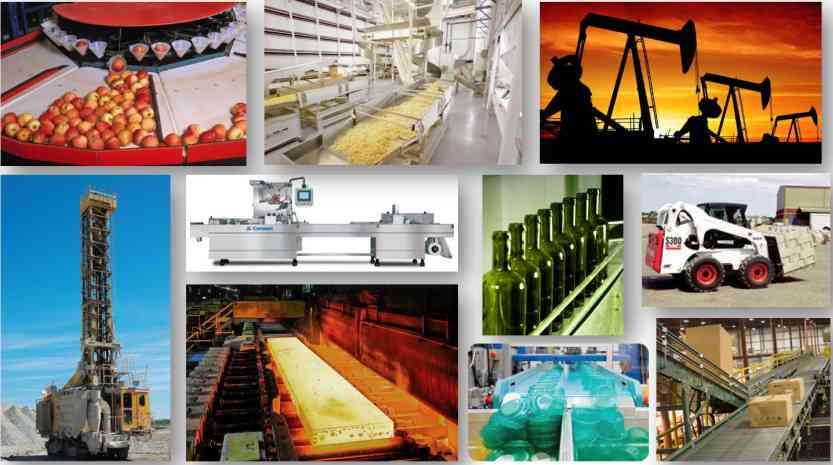
Roller chain size
Knowing the basic dimensions of the rollers is essential if you need to find the right roller chain for your needs. The three key dimensions of a roller chain are pitch, width, and pin diameter. These dimensions are important because they are used to identify the type of chain. These dimensions do not normally appear in chain manufacturer catalogs. They are usually designed for people designing new equipment. They are not important to maintenance technicians, but they are important to know if you are looking for a specific type of roller chain.
Once you know the exact size of the chain, you can move on to choosing the correct type. You can use the printable template to measure your chain, which makes it easy to compare with the size chart. Don’t forget to check the rest of the roller chain’s specs to make sure it fits your machine. Using the Roller Chain Size Chart is an easy way to determine the proper length, width, and height for your application.
When buying a roller chain, be sure to check the number of teeth and the ratio of the two. A common ratio is 2:1. The drive sprocket must have at least twice as many teeth as the roller sprocket. If the chain is used for high precision, check the type of sprocket as this will determine the correct size of the chain. You can also choose between slip-fit and press-fit mid plates.
editor by CX 2023-05-18