Product Description
The stainless steel mesh chain is made of a mesh belt edge embedded with a chain, which is attached to the support shaft passing through the mesh strip.
Stainless steel mesh chain is a common conveyor chain with high strength and corrosion resistance, widely used in industries such as food, tobacco, and logistics. The main features of stainless steel mesh chains include:
- High strength: Stainless steel mesh chains have high load-bearing capacity and can meet various transmission needs.
- Corrosion resistance: Stainless steel materials have good corrosion resistance and can adapt to various corrosive environments.
- Easy to maintain: The maintenance of stainless steel mesh chains is relatively simple, requiring only regular cleaning and lubrication.
- High temperature resistance: Stainless steel mesh chains can work at higher temperatures and are suitable for transmission in high-temperature environments.
Stainless steel mesh chains are mainly used in conveying lines, drying lines, material conveying and other occasions, for transporting various materials, such as food, luggage, parcels, etc.
Hairise 981T Side Flexing Flat Top Stainless Steel Chain with Big Turning Radius wtih FDA& GSG Certificate
| Model No. | Har981T conveyor parts |
| Material | SS304/2CR13 |
| Pitch | 38.1mm |
| Thickness | 3mm |
| Pin Material | Stainless Steel |
| Package | Carton/Wooden Box/As you required |
| Features | Anti-Skid/Wear Resistant |
| Delivery | Within 7 working days |
| Application | Food&Beverage Industry |
| Type No. | Width(mm) | Pitch (mm) | Weight(Kg/m) | Working Capacity(N) |
| Har981M-K325 | 82.6 | 38.1 | 2.97 | 6000 |
| Har981M-K450 | 114.3 | 38.1 | 3.61 | 6000 |
| Har981M-K750 | 190.5 | 38.1 | 5.05 | 6000 |
Advantages of the CZPT products:
1.this products are convenient to assembly and maintain
2.All color could be available
3.this modular conveyor belt can bear High mechanical strength
4.this modular conveyor belt has Excellent product handling performance
5.these modular conveyor belts are wear resistance and Oil Resistant
6.we are a professional conveyor system manufacturer, our product line contains modular belt, slat top chain, conveyor spare parts, conveyor system.
7.we can provide good after-sale service.
8.every product can be customized
Application:
Bakery, Dairy, Fruit, and Vegetable
We have extensive experience in developing specialized solutions tailored to the needs of many different Bakery industry segments: bread and bun, fresh pastry (oven and fried pastry), pizza, pasta (fresh and dry), frozen bread, frozen pastry, cookies, and crackers, with our material handling equipment conveyor systems conveyor plastic modular belt conveyor you can get surprised!
Meat Poultry Seafood
With belts and accessories designed to meet the specific needs of fruit and vegetable processing and packaging applications, CZPT is committed to helping customers achieve their operational and business goals.
Hairise continues to develop new and better ways for customers to increase throughput efficiency, improve sanitation, and reduce the costs of belt ownership.
Material handling equipment conveyor systems conveyor plastic modular belt conveyor technology to meet the specific challenges of seafood processors.
Ready Meals
Ready meal customers who equip their lines with CZPT Industrial plastic slat table top food grade conveyor chain realize many critical benefits, including:
·Reduced sanitation costs and improved food safety
·Improved line efficiency and maintain product alignment
·Reduced unscheduled downtime and reduced labor needs
Mu Jia Automation Technology(ZheJiang ) Co, Ltd.
MuJia is an integrated company engaged in the R&D, manufacture and sale of slat top chain,modular belt,conveyor system and other related components almost 20 years. Insisting on the operation principle of “Quality Based and Service First”, our company has won a high reputation through many years of development. We also cooperate with some CZPT domestic and overseas enterprises.
Our head office located in ZheJiang ,new factory located in ZheJiang province,covers an areas of 15,000 square meter,there are 3 main buildings:office building,conveyor assembly workshop and production workshop.More than 10 machines for producing,many hundreds of item models for meeting customer variety requirements.Our main products are modular belt,slat top chain,flexible chain,conveyor system,comb,rail,sprocket and other conveyor related components.They are widely used in food, soft drink, packaging & manufacturing, tobacco, medicine & chemical, electronics, automobiles and logistics industries.
Our modular belt and conveyor equipments sell to every corners of country, with more than 200 primary agents and 400 special service centers. Besides, we exported to more than 40 countries and regions, such as Africa, Latin America, Southeast Asia, Middle East, Central Asia Europe and America and etc. What’s more, CZPT was proud to the ZheJiang equity trading custody center successfully Listed since 2008.
At the end of February, 2016, the covers area of 35,00 square CZPT CZPT headquarter Phase II Park was built up and used, which annual production capacity could be 10,000 loaders, modular belt conveyor and 3,000 conveyor systems .
Then the north base of CZPT started siince early December of 2016, can offer 10,000 conveyor, plastic modular belt and 13,000 flexible chains piece year. The factory is located in Haian District, HangZhou City, ZheJiang Province, covers 300,000 square meters.
Orients to “Technologic Innovation, Industrial Upgrade, Managerial Optimization, Brand Leap” business policy, insist on the core value of “Integrity, Studious, Innovation, Courageous, Appreciate”, Hairisebelt will constantly optimize the industrial layout, improve the governance structure, boost the pace of construction, to create a century-old industry CZPT brand.
Q1. Where is your factory located? How can I visit there?
A: All our clients, from home or abroad, are warmly welcomed to visit us. Before you visit our company, we can connect by phone! Our company is located in ZheJiang , China, near the ZheJiang Xihu (West Lake) Dis.ao International Airport. And our factory is in ZheJiang HangZhou, we will arrange cars to there.
Q2. I don’t know what belt I currently use. Can you help me identify my belt?
A: Our online belt identifier can help you narrow down the series and style of your current belt. If you need more specific information on plastic conveyor chain belt parts manufacturers, contact me freely for plastic chains/ belts/ PU/PVC/Rubber belts/ other components and conveyors.
Q3. What can you do If the products were broken?
(1) If goods were broken once you bought from me,I would replace them freely according to the proven photos.
(2) If the goods were broken when you used, we could provide 5 year quality guarantee for plastic conveyor chain belt parts manufacturers under common working environment.
Q4. Does CZPT provide PDF files of products?
A: Yes, in our download center you can find PDF files for a large number of our products.If you can not find what you are looking for, send me your request by email or contact me on Wechat or Whatsapp freely.
| Material: | Stainless Steel |
|---|---|
| Structure: | Top Chain |
| Surface Treatment: | Polishing |
| Chain Size: | Pitch: 38.1mm |
| Feature: | Fire Resistant, Oil Resistant, Heat Resistant |
| Weight: | 2.97/3.61/5.05kg/M |
| Samples: |
US$ 0/Piece
1 Piece(Min.Order) | |
|---|
| Customization: |
Available
| Customized Request |
|---|

What are the factors to consider when designing a gripper chain system?
Designing a gripper chain system involves considering various factors to ensure optimal performance and functionality. Here are some key factors to consider:
- Application requirements: Understand the specific requirements of the application, including the type of product to be conveyed or gripped, the desired speed and throughput, the environmental conditions, and any regulatory or industry-specific standards that need to be met.
- Load capacity: Determine the maximum load the gripper chain system needs to handle. Consider the weight, size, and shape of the products to be conveyed or gripped, as well as any dynamic or impact loads that may be present.
- Gripping mechanism: Choose the appropriate gripper elements or attachments based on the product characteristics and the required grip strength. Consider factors such as grip surface area, material compatibility, and the ability to release the product smoothly and accurately.
- Chain configuration: Select the appropriate chain type, pitch, and width based on the load requirements, speed, and available space. Consider factors such as the desired conveying or gripping motion, the required flexibility, and the overall system layout.
- Material selection: Choose materials for the chain links, gripper elements, and other components that are compatible with the product being conveyed or gripped, as well as the operating environment. Consider factors such as corrosion resistance, wear resistance, and the ability to withstand any temperature or chemical exposures.
- System integration: Ensure proper integration of the gripper chain system with the overall conveyor or handling equipment. Consider factors such as the sprocket design, drive mechanism, tensioning system, and any automation or control requirements.
- Maintenance and durability: Consider the ease of maintenance, accessibility for cleaning, and the expected lifespan of the gripper chain system. Choose components that are durable and reliable to minimize downtime and maximize operational efficiency.
It is crucial to work closely with experienced engineers, conveyor system manufacturers, or suppliers specializing in gripper chain systems to ensure the design meets the specific requirements of the application and delivers optimal performance and reliability.

What are the maintenance requirements for gripper chains?
Maintaining gripper chains is essential to ensure their optimal performance and longevity. Here’s a detailed explanation of the maintenance requirements:
1. Regular Cleaning: Gripper chains should be cleaned regularly to remove any debris, dirt, or accumulated residues that can affect their operation. Use a mild detergent or cleaning solution and a brush to clean the chain links, gripper fingers, and jaws. Rinse thoroughly and dry before reinstallation.
2. Inspect for Wear and Damage: Regularly inspect the gripper chains for signs of wear, damage, or deformation. Check for any broken or worn gripper fingers, damaged chain links, or misalignment. Replace any worn or damaged components promptly to prevent further issues.
3. Lubrication: Proper lubrication is essential for smooth operation and reduced friction. Apply lubricant to the chain links and gripper fingers/jaws according to the manufacturer’s recommendations. Use a lubricant specifically designed for high-load and conveyor applications.
4. Tension Adjustment: Check the tension of the gripper chains regularly. Ensure that they are properly tensioned to prevent excessive slack or over-tightening, which can affect the gripping performance and lifespan of the chains. Adjust the tension as needed according to the manufacturer’s guidelines.
5. Replace Worn Components: As gripper chains are subjected to wear during operation, it’s important to monitor the condition of the gripper fingers, jaws, and chain links. Replace any worn or damaged components promptly to maintain the chain’s performance and grip strength.
6. Monitor Alignment: Check the alignment of the gripper chains to ensure they are properly aligned with the sprockets. Misalignment can cause premature wear and reduce the effectiveness of the gripping action. Adjust the alignment as necessary.
7. Operational Environment: Consider the operating environment and take appropriate measures to protect the gripper chains from excessive moisture, extreme temperatures, or exposure to corrosive substances. Implement proper guarding and regular inspections to prevent foreign objects from entering the chain assembly.
8. Follow Manufacturer’s Guidelines: Always refer to the manufacturer’s guidelines and recommendations for specific maintenance procedures, lubrication intervals, and any special considerations for the gripper chains in your particular application.
By following these maintenance requirements, you can ensure that your gripper chains remain in optimal condition, providing reliable gripping performance and prolonging their lifespan.

What are the common applications of gripper chains?
Gripper chains find application in various industries where precise control and secure gripping of items during transportation or assembly processes are required. Here’s a detailed answer:
- Automotive Industry: Gripper chains are used in automotive manufacturing processes for tasks such as transferring components along assembly lines, controlling the position of parts during painting or surface treatment, and guiding items through robotic workstations.
- Electronics Industry: Gripper chains are utilized in electronics manufacturing for handling delicate electronic components during assembly, PCB (Printed Circuit Board) testing and inspection, and guiding items through automated processes.
- Food and Beverage Industry: Gripper chains are employed in food processing and packaging systems to control the movement and positioning of products on conveyors, ensuring proper alignment, packaging, and labeling.
- Pharmaceutical Industry: Gripper chains are used in pharmaceutical manufacturing for precise handling and control of vials, bottles, blister packs, or other medication containers during filling, capping, labeling, and packaging processes.
- Logistics and Distribution: Gripper chains play a role in logistics and distribution centers, facilitating the sorting, routing, and handling of packages and parcels on conveyor systems.
- Textile Industry: Gripper chains are utilized in textile machinery to control the movement and tension of fabrics during weaving, knitting, or printing processes.
- Printing and Packaging Industry: Gripper chains find application in printing presses and packaging machines to hold and control the movement of paper, cardboard, or other materials during printing, cutting, folding, or packaging operations.
These are just a few examples of the common applications of gripper chains. The versatility and customizable nature of gripper chains make them suitable for various industries where precise item control, positioning, and secure gripping are essential for efficient and reliable processes.


editor by CX 2023-09-07
China 13mm Grade 70 Lashing chain for flat bed NACM96 Manufacturer roller chain end attachments
Complete: Yellow Chromat
Model Number: 1/four
Framework: Welded Chain
Purpose: Binder/Transportation
Normal or Nonstandard: Normal
Solution title: Quality 70 Binder Chain
Surface area remedy: Gold Galvanized
Application: Cargo Tie Down
Measurement: Standard Size
Sort: Usa Regular
Packing: Iron Barrel/Carton
Packaging Specifics: Standard Plastic Baggage, Particular Plastic Bucket or Helpful Have Bins or customized.
Port: ZheJiang ,HangZhou,and so forth.
Large duty Quality 70 Transport Chain is produced employing high-strength, low-alloy carbon steel and coated with a yellow zinc chromate finish for corrosion security and swift identification as quality 70 tie down chains. The large quality, regular hyperlink chain is heat-treated, and toughness analyzed for excellent quality.All our grade 70 chains are embossed with the appropriate markings to fulfill NACM expectations. Equipped with forged carbon metal clevis grab hooks hooked up at each ends. · Quality 70 Transport Chain is employed for load securement and binding purposes developed specifically to provide a gentle, but strong chain for binding, tie-downs, towing and development use. Yellow Zinc is induction heat treated, the chain satisfies all specifications established by the Division of Transportation (DOT), CCMTA & Hot Sale Common Motorbike Chain Wheel Chain Sprocket CVSA for truck tie-down use.· Quality 70 Chain is used in the pursuing industries: Agriculture & Forestry, Construction, Bridge Builders, Highway and Road, Military, Transportation & Utilities – Electricity, Drinking water, Sewer & Pipe.G70 binder chain is NOT TO BE Used FOR for OVERHEAD LIFTING.
| Dimensions (IN-MM) | WLL(LBS) | PITCH(MM) | INSIDE WIDTH (MM) | BREAKING Drive(LBS/KN) |
| 1/4″-7 | 3150 | 31.five | 9.8 | 12600/fifty six |
| 5/sixteen” Very best Cost 35 Hp Small Diesel Rubber Crawler Tractor And Areas Price -8 | 4700 | 32.8 | 11.2 | 18800/83.6 |
| 3/8″-10 | 6600 | 35 | 14 | 26400/117.4 |
| 7/sixteen”-11 | 8750 | 41.6 | 16.six | 35000/one hundred fifty five.4 |
| 1/2″-13 | 11300 | 45.5 | 18.two | 45200/two hundred.8 |
| 5/8″-sixteen | 15800 | 56 | 20 | 63200/280.8 |
| 3/4″-twenty | 24700 | 70 | 25 | 98800/439.two |
Q: How prolonged is your supply time?A: Generally it is thirty-forty five times.Q: Do you provide samples ? is it free or additional ?A: Yes, we could supply the sample for cost-free cost but do not pay the value of freight. But the freight expense can be reduced in later on orders.Q: What is your phrases of payment ?A: T/T in progress, harmony before shipment. Q: What is your basic worldwide express?A: We usually cooperate with FedEx, DHL, 250V tire pump plastic tyre inflator DC 12V air compressor for truck UPS, EMS specific.
If you have another questions, pls feel cost-free to contact us as beneath:
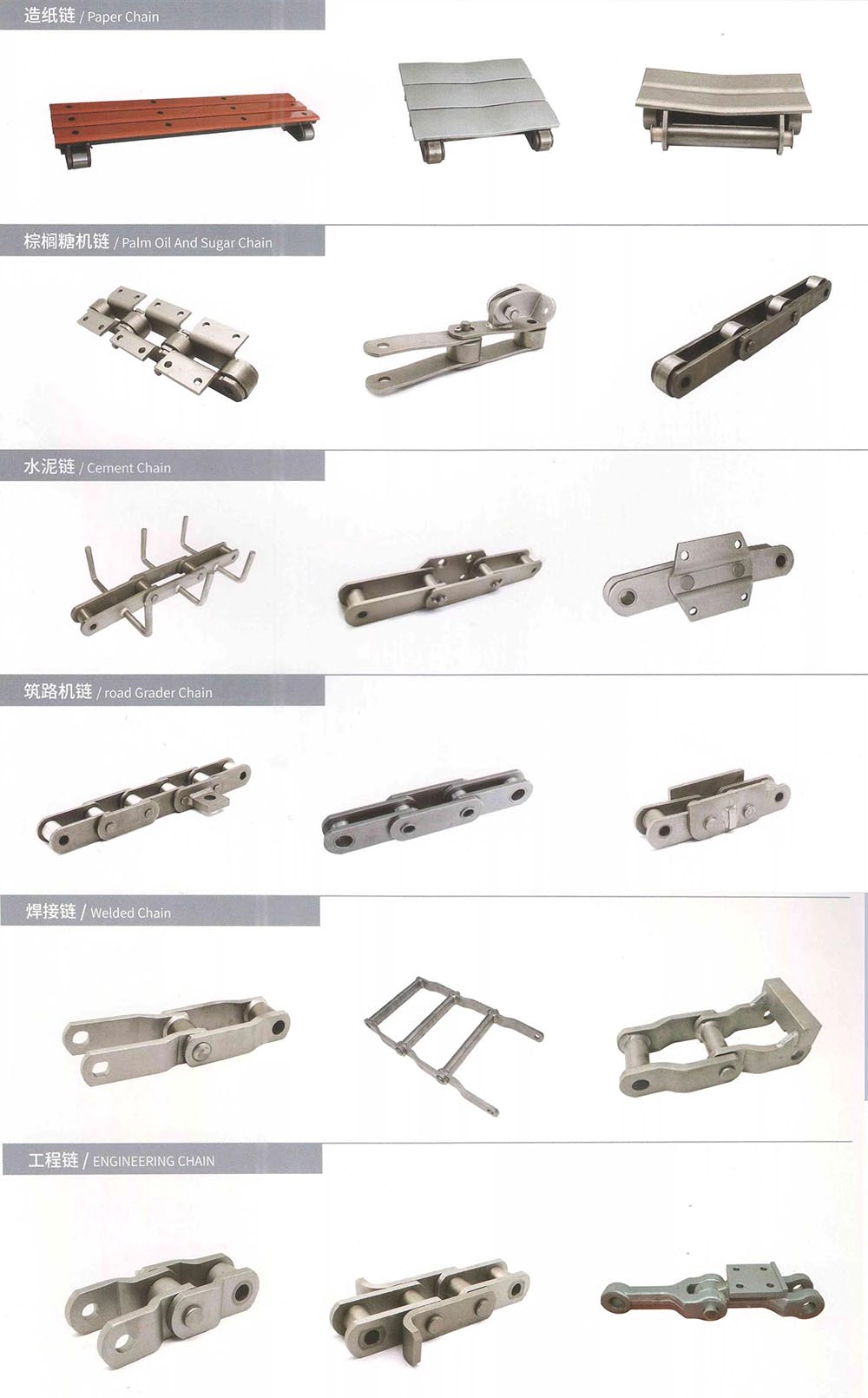
Advantages and disadvantages of roller chains
If you need to lift heavy objects, you should know how to use a roller chain. Its simple design and simplicity make it ideal for a wide range of applications. This article will discuss the advantages and different types of applications of roller chains. After reading this article, you will be able to choose the type of roller chain that best suits your specific needs. In the next section, we’ll discuss how to deal with it.
Put on
How to measure the wear of a roller chain? There are several methods available, but the most accurate is to use a wear gauge kit. The CZPT Chain Wear Indicator Kit measures chain elongation. Compliant with ANSI and British Standards, this tool is critical to the industry chain and can help you determine when replacement is required. Improper chain maintenance can cause equipment to slip or perform poorly, resulting in unnecessary downtime.
In addition to measuring the elongation of the roller chain, it is also possible to measure the pitch of the rollers. This measurement represents the ANSI #80 standard for roller chains. Vernier calipers can also be used to measure the pitch of chains. This tool is very useful and also acts as a bottle opener. You can even use it as a wear gauge. This way, you can determine if the roller chain needs to be replaced.
The wear resistance of a roller chain can extend its life by 10% or more. However, proper lubrication and general maintenance are essential to ensure the longest lifespan of your chain. The manufacturing process of a roller chain assembly also plays a crucial role in determining its service life. For longer life, you might consider purchasing a heavy-duty series roller chain with thicker side plates and longer pins. If you need greater working load capacity, you can also consider heavy-duty chains.
High-quality components are critical to the longevity of the roller chain. High-quality roller chain components require precise heat treatment processes. The use of proprietary steel allows the company to manufacture more durable drums. The pins are manufactured to tight tolerances and then undergo a centerless grinding process. This process removes any surface defects, resulting in a mirror finish on the pins. The uniformity of this surface finish also ensures that the load is evenly distributed on the pins, extending the life of the chain.
Material
Among the materials used in roller chains, carbon steel and alloy steel are the most common. However, stainless steel is used in food processing equipment and applications that require lubrication. Other materials used for roller chains include nylon and brass. For more information, see the USACE Material Specification Sheet for more information. You can also find information about the performance of a roller chain by its design. But before choosing one of these materials, consider its pros and cons.
Stainless steel is an excellent choice for roller chains. It is corrosion-resistant and can operate in extreme temperatures without cracking. Stainless steel is a non-magnetic material that can operate in a temperature range of -200 degrees to +700 degrees Fahrenheit. In addition to its corrosion-resistant properties, stainless steel can withstand a variety of environments and can be used in heavy-duty applications. The MEGA series is the strongest stainless steel roller chain in the world.
Application
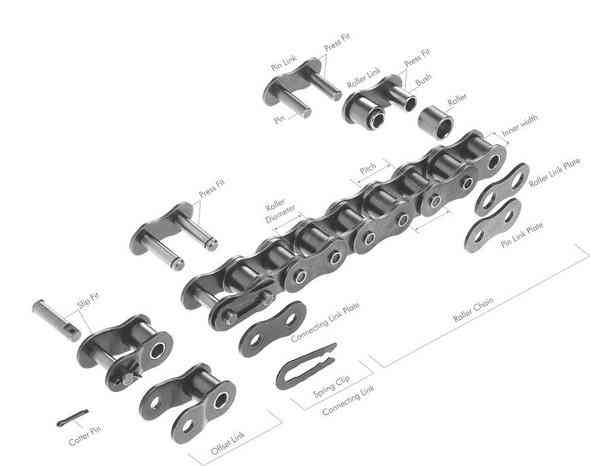
As the name suggests, a roller chain has 5 basic components: pins, bushings, rollers, and pin chainplates. These components are precision engineered to ensure optimum performance and durability. Typical applications include drives and conveyor belts. The various components of the roller chain can be customized to specific needs. Read on to learn more about how these parts work together. This article presents the advantages and disadvantages of different types of roller chains and discusses their applications.
A roller chain is a form of chain drive consisting of short cylindrical rollers connected together by side links and gears called sprockets. While these devices are simple, they have some limitations. In most cases, sprockets must be designed with a maximum tensile load on one tooth to prevent premature chain failure. Therefore, these chains are less efficient than belt drives with higher inertia.
Roller chains are usually made of carbon or alloy steel, although stainless steel is often used where food processing machinery and lubrication are problematic. Sometimes, nylon and brass are used. The maximum running speed of the roller chain is important for some applications, but it also provides economic benefits for users and manufacturers. The maximum running speed of a roller chain is usually governed by a wear limit, which can vary by application.
The global roller chain market is expected to grow at a CAGR of over 5.4% over the next six years. The research report covers the competitive landscape and key factors influencing the market. The report also analyzes the growth potential, product utilization, and pricing models of key vendors. It also covers the SWOT analysis of the key players in the industry. The study provides a comprehensive market analysis of all these factors and more. It also highlights key players and their strategies and identifies the fastest growing regions for their products and services.
Maintain
Because rollers are exposed to a variety of environments, including snow, rain, and muddy roads, regular maintenance is required to prevent damage. Because they must encounter these elements frequently, frequent inspections are important to prevent rust and other damage. Also, avoid pouring acidic or alkaline cleaning products on the roller chain. Instead, use hot water with hand sanitizer or a disposable toothbrush to clean the rollers. Washing the chain directly with water has little effect.
For small rollers, the workload during the break-in period should not be too large, otherwise, it will cause overheating. The small drum should also be inspected frequently for any unusual appearance, which may indicate that the system is not functioning properly. In this case, the operation must be suspended. Failure to do so could result in serious injury or a facility fire. Additionally, a properly lubricated roller chain is essential to ensure long-term performance.
The surface of the roller is often rusted and scratched. Over time, these little scars can spread to the drive, damaging it. Also, the chain may not be properly spaced and timed. Therefore, it is very important to check regularly to ensure that the chain is in top condition. When the chain wears to 3% or more, the entire roller chain needs to be replaced. Failure to do so may damage the drive, the roller sprocket, or the entire chain.
Given the chain’s processing environment, lubrication is critical to its performance. If the chain is lubricated, it must be re-lubricated frequently. However, lubricated roller chains are susceptible to contamination, especially in the biomass industry. In these environments, airborne organic particles and debris from the biomass industry can contaminate lubricated roller chains. This is why maintenance is important for lubricating roller chains.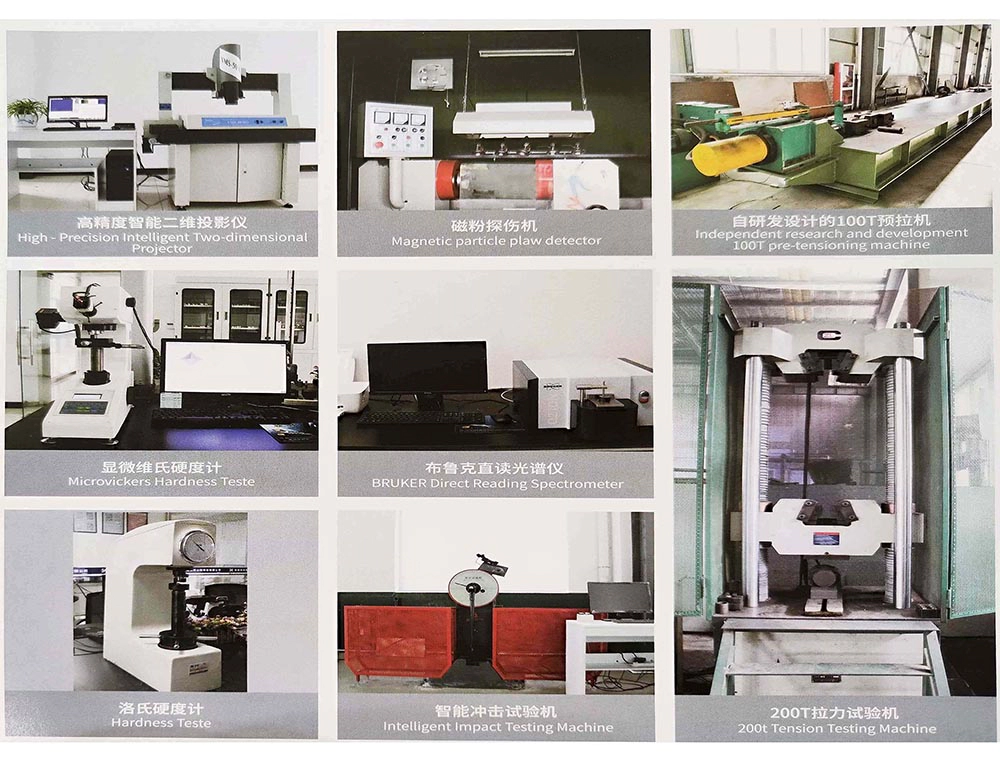
Preloading
The benefits of preloading roller chains are well documented. In general, preloading eliminates the initial elongation of the roller chain, increasing its service life. Preloading is an effective way to achieve this, and a preloading chart can help illustrate the benefits of this process. Chains with little or no preload will stretch significantly during drive start, while chains will stretch rapidly as the surface hardness of the wear parts increases. Additionally, a properly preloaded chain has little or no elongation during the initial start-up of the drive, extending wear life.
Premium manufacturers apply the preload concept during their production phase, aligning all major components at the same time. This approach helps eliminate elongation issues that lead to rapid degradation of the roller chain. If this is not checked, the chain drive will stretch immediately over time. To avoid these problems, it is important to purchase a high-quality preloaded roller chain from a reputable source.
The heat treatment process is an effective way to prevent excessive wear of the roller chain. Heat treatment is a complex process that takes place in a factory during manufacturing. This process helps the rollers maintain high hardness and depth, preventing breakage. When buying a roller chain, make sure that the chain is heat treated and that the chain is manufactured to a high degree of precision. It also ensures that the product can be used for a long time.
In addition to performance benefits, preloading can also reduce initial elongation. A preloaded roller chain will exhibit near linear elongation, whereas a non-preloaded chain will experience rapid elongation. Therefore, they will reach the recommended 3% elongation earlier. Make sure the chain is properly lubricated. Also, consider how the chain is arranged. This is critical for optimal longevity.
editor by Cx 2023-06-30
China 18k Gold Plated Flat Snake Link Chain With Lobster Clasp Stainless Steel Herringbone Snake Chain Necklace Jewelry Women Men 2023 solid bush chain
Design Quantity: N0A25715712
Jewellery Principal Substance: Stainless Metal
Gender: Men’s, Unisex, Women’s
Jewelry Sort: NECKLACES
Necklaces Kind: Chains
Situation: Anniversary, Engagement, Present, Party, Wedding, C45 substance motorbike sprocket Anniversary, Engagement, Present, Social gathering, Wedding ceremony
Certificate Sort: Third Celebration Appraisal
Chain Kind: SNAKE CHAIN
Plating: Gold Plated, Silver Plated
Shapepattern: Geometric
Design: Trendy
Inlay technological innovation: Micro insert
Product Identify: Herringbone Snake Chain Necklace
Materials: stainless steel
OEM/ODM: Welcom OEM
Logo: Accept Customer’s Symbol
MOQ: ten Pcs
Payment Terms: T/T, MoneyGram, 2571 Best vendor ISOKANAASAMARTIN Common C45# Metal elevator chain sprocket WEST UNION etc…
Size: As photo
Necklaces variety: Attraction Necklaces
Search term: Snake Chain
Packaging Information: Offering Models: One itemSingle bundle measurement: 10X10X3 cmSingle gross excess weight: .02 KGPackage Variety: 1pair in a OPP bag, 12pairs in a biger poly bag, then in carton.
Items Description
| Substance | Stainless Metal |
| Size | As Picture |
| Model | Orson |
| Packing | 1pc/opp |
| Direct time | About 5-fifteen days |
| Payment term | T/T,VISA,PAYPAL, E-examining AND SO ON |
| Color | As photo |
| MOQ | 10pc |
| Sample time | 3days |
Roller Chain Basics
Before choosing the right roller chain for your machine, it is necessary to learn some basics. Learn about sprockets, tensile strength, pitch, and width. Read this article to learn more. It will help you make an informed decision. Getting the right product is critical, but it’s not always as simple as choosing a brand name. You need to choose a company that supports its products and provides good service.
Roller sprocket
If you are planning to purchase roller sprockets for your application, you should first look at the various types available. Sprockets available for single-strand roller chains are manufactured by Boston Steel – Type B sprockets are drilled to size. They are available in 1/4, 3/8, 1/2, 5/8, 3/4 and 1″ pitch sizes.
The diameter of the sprocket is important when choosing the right sprocket for your application. Using a caliper to measure the diameter of a toothless plate is a good way to determine the exact size of the sprocket. A caliper is the diameter of a plate without teeth. On Type B and C sprockets, the hub diameter measures the thickness of the hub.
Another type of sprocket is the steel split sprocket, which is split in diameter. This type is easy to install and remove, and is held together by bolts in the hub. Typically, split sprockets have chain pitches ranging from 40 to 240 and bores ranging from 3/4″ to 6″. The split sprockets are designed with one pointing towards the ceiling and the other two parallel to the floor.
When shopping for sprockets, it is important to remember that they are designed specifically for a specific chain. All chains are manufactured to specific standards. In the United States, the most common standard is ANSI. The chain pitch is the distance between the center of each pin and the center of the next pin. In the US, the standard is always measured in eight-inch intervals.
In addition to sprocket size, sprocket pitch and the surface area also affect chain life. Unlike belt sprockets, which are made of forged steel, the teeth on roller sprockets are stamped from steel sheet or pressed from powdered metal. The harder the teeth, the longer the chain will last.
Roller chain pitch
The pitch of a roller chain is the distance between the sprocket and the pin. The smaller the thread pitch, the smaller the bushing wear. Generally speaking, the smaller the pitch, the longer the life of the chain. For best performance and longest life, manufacturers recommend a minimum chain pitch of 2% to 3%. Chain pitch is important to ensure proper performance, and the manufacturer recommends that you replace the chain when it reaches 2% to 3% of normal.
To determine the correct chain pitch for a particular chain, first determine the sprocket size and pitch. Pitch is the distance between pin centers, measured in 1/8 inch increments. The pin diameter of the chain is also important. If you’re not sure about the pin diameter of your chain, measure a few links to get a good average reading. Alternatively, use a caliper to measure the inside diameter of the sprocket and count the number of teeth.
When sizing a sprocket, measure the chain between the gears with a caliper and compare it to the measurements on the chain size chart. Make sure you have checked all the specs and checked the correct chain pitch. Then, choose the correct chain pitch for your needs. This is a critical step in choosing the right chain. So get the correct pitch for your roller chain. Correct pitch helps ensure maximum performance and safety.
To identify a specific type of roller chain, measure its tensile strength. This represents the amount of load the chain can withstand before breaking. Another key parameter to consider is fatigue strength. Chains with high fatigue strength are more resistant to rust and wear than chains with low fatigue strength. The numbers on the right in the standard numbering represent normal or light duty chains, while the numbers on the left represent the pitch of heavy-duty chains.
Double pitch roller chains are a variant of single pitch chains. They are manufactured according to ISO 606 and meet the same standards as single pitch chains. They are mainly used in applications with lower requirements for speed and power transmission. The plates of double pitch roller chains are also longer than single pitch chains. The double pitch drive series is also used for elevator and long conveyor drives. There are three main types of roller chains: single-pitch chains, double-pitch carriers, and oversized rollers.
Roller chain width
When buying a roller chain, one of the first decisions you must make is its width. To make this determination, you need to measure the overall width of the chain, the diameter, and the width of each roller. You must also know the height and thickness of the board. After taking these measurements, you can start shopping for the perfect roller chain. But before you buy a new chain, it’s important to know what to expect from the chain itself.
There are many different types of roller chains. These chains are available for ANSI and metric measurements. They come in single-stranded and double-stranded variants. They are usually used for power transmission. Other types include agricultural, automotive, conveyor, multi-strand, and four-strand chains. These charts also include a chart so you can easily see the exact size you need. Listed below are some of the benefits of buying a roller chain.
Roller diameter and pin diameter are important factors in choosing the correct chain width. The width of the chain is the nearest binary fraction of 5/8 of an inch. It should be at least half the thickness of the sprocket, and the plate thickness is one-eighth the width of the chain. Overweight chains are indicated with the suffix H. The pitch and width of the chain are determined by the working load and machine speed.
The outer links of the roller chain are called pin links. These pins are inserted into the bushings of the adjacent roller links. They are held in place by cotter pins. Pin links are usually pressed into the pins of heavy-duty chains. These pins are used to hold the rollers in place. However, these pin chains can reduce the power rating of roller chains by up to 20%.
The ANSI 29.1 Steel Chain Specification specifies a minimum pitch in inches and ultimate strength of 12,500 x pitch in inches. At the same time, the O-ring chain greatly reduces wear due to its lubricating effect. O-ring and X-ring chains contain a lubricant injected by vacuum when riveting the chain together. Transmission chains are tested and governed by standards bodies such as ANSI. In 2011, the American Society of Mechanical Engineers developed a standard for precision power transmission chains.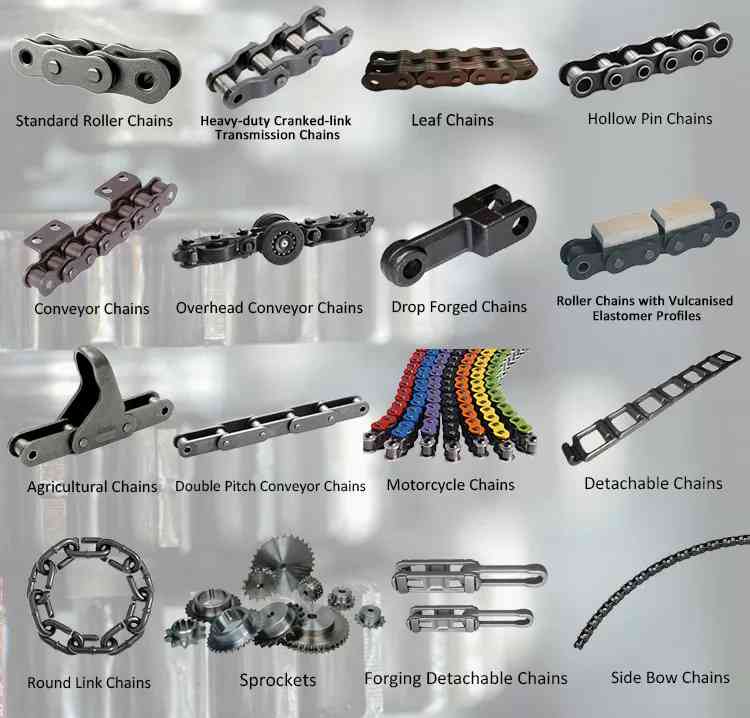
Roller chain tensile strength
One of the most important indicators of roller chain strength is tensile strength. This measurement refers to the amount of load the chain can withstand before breaking. Another measure, called fatigue strength, refers to the maximum load a chain can withstand before it breaks. The strength of a roller chain depends on its size, the quality of the steel used in its construction, and the heat treatment. There are also differences in the types of shot peening used to treat steel, pitch holes, and link plates.
When choosing a roller chain, the workload is critical. This is the maximum load the chain can withstand before fatigue failure occurs. This measurement is critical because it helps determine the type of load applied to the chain. When deciding which roller chain to buy, be sure to consider the mechanical type and desired strength. Then, make sure it meets strength and load-carrying capacity requirements.
The ultimate tensile strength of a roller chain is based on the manufacturer’s recommended maximum tensile strength. However, the actual tensile strength may be higher or lower than this value. The working load limit of a roller chain can also be calculated by multiplying the chain diameter by the grade. The working load limit of a chain is the highest tension it can withstand before breaking. This value is usually expressed in points.
The maximum tensile strength of roller chains varies by chain type. The single-strand heavy chain has thick side plates for higher shock loads. Single strand heavy-duty roller chains, also known as “bushing” roller chains, are also available. Double-stranded heavy chains are structurally similar, but they have two layers of steel connected by pins that are nearly twice as strong as standard roller chains.
The tensile strength of a single-strand roller chain is approximately 500 tons. In comparison, a single-chain blockchain has a tensile strength of 900. The tensile strength of the two is similar, and it is not recommended to choose one or the other. Although steel and titanium chains are considered the strongest materials for roller chains, these materials are not magnetic.
editor by Cx 2023-06-25