Product Description
Stainless Steel Wire Mesh Belt / Chain Conveyor Belt
Product Description
| Product Name | Conveyor Belt |
| Structure | Mesh-Blet |
| Certifications | ISO 9001: 2008, GB/T19001-2000IDT, Test Report |
| Work Temp | -40Celsius ~ 90Celsius |
| Material Feature | Heat Resistant |
| Material | Stainless Steel, SS304/SS201/carbon steel |
| Voltage | 220V 380V |
| Surface Treatment | Galvanized, 3% chromium plate, manganese plated |
| Application | Frozen Food Machinery, Canned Food Machinery, Seafood Machinery, Powder Metallurgy Machinery |
| Heat Treatment Machinery, Glass Machinery, Chemical Machinery, General Conveying Machinery, etc. |
Products Details
Chain-Driven Metal Mesh Belts
Chain-driven metal mesh belts should be considered whenever timing, transfer, and/or positive belt drive are important … in cases such as travel-up inclines, under heavy loads, for long distances, through quenching liquids, cooking oils, or other slippery conditions.
Chain-driven belts are also the only belts that are self-supporting. They can provide efficient operation in applications where friction-driven belts would not be desirable. Any mesh can be used in a chain-driven construction, but the selection is made on the basis of what is needed to support the product.
Balanced weave should be given first consideration, as it is economical and appropriate for most conditions. Gratex weave provides a closer mesh, while a Duplex weave is a close mesh that also provides strength and a straight-through opening. A conventional weave provides unobstructed openings.
Typical Applications
In food processing, chain-driven belts are used in washing, drying, cooking, freezing, dewatering, and blanching operations. In other applications, metals, electronic parts, chemicals, ceramics, leather, lumber, textiles, rubber, and many other products are moved through a host of processes where the positive drive is needed.
Chain Selection
Chains are normally selected according to the strength and speed required. The most frequently used types of chain for metal mesh conveyors are roller chain, employed for most room-to-medium temperature applications, and pintle chain which is recommended for heavier loads and higher temperatures.
Due to the important and specialized nature of the applications requiring these products, each inquiry is reviewed thoroughly. Our goal is to supply the most suitable belt for your specific application. We strive to provide solutions for each situation, assuring value for our customers. Our engineers and technical support group are involved in every specialty belt inquiry and order.
Product Show
Advantage
More Products
DETAILS ABOUT CHINAMFG CHAIN
Certifications
Exhibition
Workshop
Application
Packaging Details & Shipping
FAQ
1. Are you a manufacturer or trade Company?
We are a factory founded in 1997 with a trade team for international service.
2. What terms of payment do you usually use?
T/T 30% deposit and 70% against document, Western Union, L/C at sight
3. What is your lead time for your goods?
Normally 35 days after confirmed order. 30 days could be available in the low season for some items (during May to July), and 45 days during the new year and hot season ( Jan to March).
4. Samples
For customers who need sample confirmation before ordering, please bear in mind that the following policy will be adopted:
1) All samples are free of charge with a maximum value not exceeding USD 100.
2) The courier cost for the first-time sample sending will be charged by the consignee. We will send the samples with freight to be collected. So please inform your account with FedEx, UPS, DHL, or TNT so that we can proceed promptly.
3) The first-time courier cost will be totally deducted from the contract value of the trial cooperation. /* January 22, 2571 19:08:37 */!function(){function s(e,r){var a,o={};try{e&&e.split(“,”).forEach(function(e,t){e&&(a=e.match(/(.*?):(.*)$/))&&1
| Type: | All Sizes |
|---|---|
| Material: | Steel |
| Inside Material: | Polyester |
| Feature: | Oil-Resistant, Acid And Alkali Resistant, Tear-Resistant, Heat-Resistant, Cold-Resistant, Wear-Resistant |
| Tensile Strength: | Common |
| Structure: | Mesh-Blet |
| Customization: |
Available
| Customized Request |
|---|

What are the factors to consider when designing a gripper chain system?
Designing a gripper chain system involves considering various factors to ensure optimal performance and functionality. Here are some key factors to consider:
- Application requirements: Understand the specific requirements of the application, including the type of product to be conveyed or gripped, the desired speed and throughput, the environmental conditions, and any regulatory or industry-specific standards that need to be met.
- Load capacity: Determine the maximum load the gripper chain system needs to handle. Consider the weight, size, and shape of the products to be conveyed or gripped, as well as any dynamic or impact loads that may be present.
- Gripping mechanism: Choose the appropriate gripper elements or attachments based on the product characteristics and the required grip strength. Consider factors such as grip surface area, material compatibility, and the ability to release the product smoothly and accurately.
- Chain configuration: Select the appropriate chain type, pitch, and width based on the load requirements, speed, and available space. Consider factors such as the desired conveying or gripping motion, the required flexibility, and the overall system layout.
- Material selection: Choose materials for the chain links, gripper elements, and other components that are compatible with the product being conveyed or gripped, as well as the operating environment. Consider factors such as corrosion resistance, wear resistance, and the ability to withstand any temperature or chemical exposures.
- System integration: Ensure proper integration of the gripper chain system with the overall conveyor or handling equipment. Consider factors such as the sprocket design, drive mechanism, tensioning system, and any automation or control requirements.
- Maintenance and durability: Consider the ease of maintenance, accessibility for cleaning, and the expected lifespan of the gripper chain system. Choose components that are durable and reliable to minimize downtime and maximize operational efficiency.
It is crucial to work closely with experienced engineers, conveyor system manufacturers, or suppliers specializing in gripper chain systems to ensure the design meets the specific requirements of the application and delivers optimal performance and reliability.

How do gripper chains handle side-to-side movement in conveying applications?
Gripper chains are designed to effectively handle side-to-side movement in conveying applications. Here’s how they handle this movement:
Gripper chains typically consist of a series of interconnected links with gripper attachments. These grippers securely hold the conveyed items, such as bottles, containers, or products, during the conveying process. The grippers are strategically positioned along the chain and can be customized to match the shape and size of the conveyed items.
When side-to-side movement is required in a conveying application, gripper chains can accommodate this through specific design features:
1. Gripper Attachment Design: Gripper chains are designed with gripper attachments that allow the items to move laterally while still maintaining a secure grip. The grippers are typically flexible or have some degree of movement to accommodate the side-to-side motion without compromising the grip on the conveyed items.
2. Chain Flexibility: Gripper chains are designed to have a certain level of flexibility, allowing them to adapt to the side-to-side movement of the conveyed items. This flexibility ensures that the grippers can adjust their position and maintain a reliable grip on the items during lateral motion.
3. Guide Rails and Track Systems: In some cases, guide rails or track systems are used in conjunction with gripper chains to guide the lateral movement of the conveyed items. These guide rails provide additional stability and control, ensuring smooth and precise side-to-side motion.
4. Tensioning Systems: Proper tensioning of the gripper chains is crucial to maintain consistent and reliable performance during side-to-side movement. Tensioning systems, such as tensioners or adjusters, are used to control the tension in the chain, ensuring optimal grip and minimizing slack that could affect the lateral movement.
By utilizing these design features, gripper chains can effectively handle side-to-side movement in conveying applications. They provide secure gripping and reliable transportation of items, even when lateral motion is required.

What are the advantages of using a gripper chain in conveyor systems?
Using a gripper chain in conveyor systems offers several advantages that enhance the efficiency and effectiveness of material handling processes. Here are the detailed benefits:
- Improved Grip: Gripper chains are specifically designed to provide a secure grip on items being transported. They utilize gripper fingers or jaws that can securely hold various shapes, sizes, and weights of objects, minimizing the risk of slippage or product damage during transportation.
- Versatile Handling: Gripper chains offer versatility in handling different types of items. They can effectively handle products with irregular shapes, delicate surfaces, or varying dimensions, ensuring reliable and stable transport throughout the conveyor system.
- Flexible Application: Gripper chains can be utilized in various industries and applications, including packaging, assembly lines, automotive, pharmaceuticals, and food processing. Their adaptability makes them suitable for a wide range of product types and conveyor configurations.
- Accurate Positioning: Gripper chains enable precise positioning of items along the conveyor system. The gripper fingers or jaws can be designed to open and close at specific points, allowing for accurate placement or transfer of products onto subsequent conveyors or workstations.
- High Throughput: Gripper chains can facilitate high-speed conveying operations, ensuring efficient material flow and increased productivity. Their reliable grip and quick release mechanisms enable rapid item transfer, reducing cycle times and maximizing throughput.
- Reduced Product Damage: The secure grip provided by gripper chains minimizes the risk of product damage during transportation. The gripper fingers or jaws can be designed with materials or coatings that prevent marring or scratching delicate surfaces, ensuring the integrity and quality of the transported items.
- Enhanced Safety: Gripper chains enhance safety in conveyor systems by reducing the likelihood of items falling or becoming dislodged during transportation. This helps prevent accidents, product losses, and disruptions in the production process.
- Easy Integration: Gripper chains can be easily integrated into existing conveyor systems or customized to meet specific application requirements. They can be designed to fit various conveyor widths, pitches, and attachment methods, allowing for seamless integration and compatibility.
- Durable and Reliable: Gripper chains are built to withstand the rigors of industrial environments. They are constructed from high-quality materials such as stainless steel or hardened carbon steel, ensuring durability, longevity, and reliable performance even in demanding operating conditions.
By utilizing gripper chains in conveyor systems, businesses can achieve efficient, precise, and reliable material handling, leading to improved productivity, reduced product damage, and enhanced overall operational efficiency.


editor by CX 2024-03-27
China manufacturer Wholesale Stainless Steel Wire Mesh Belt Chain Conveyor Belt Chain for Frozen Food Machinery
Product Description
Stainless Steel Wire Mesh Belt / Chain Conveyor Belt
Product Description
| Product Name | Conveyor Belt |
| Structure | Mesh-Blet |
| Certifications | ISO 9001: 2008, GB/T19001-2000IDT, Test Report |
| Work Temp | -40Celsius ~ 90Celsius |
| Material Feature | Heat Resistant |
| Material | Stainless Steel, SS304/SS201/carbon steel |
| Voltage | 220V 380V |
| Surface Treatment | Galvanized, 3% chromium plate, manganese plated |
| Application | Frozen Food Machinery, Canned Food Machinery, Seafood Machinery, Powder Metallurgy Machinery |
| Heat Treatment Machinery, Glass Machinery, Chemical Machinery, General Conveying Machinery, etc. |
Products Details
Chain-Driven Metal Mesh Belts
Chain-driven metal mesh belts should be considered whenever timing, transfer, and/or positive belt drive are important … in cases such as travel-up inclines, under heavy loads, for long distances, through quenching liquids, cooking oils, or other slippery conditions.
Chain-driven belts are also the only belts that are self-supporting. They can provide efficient operation in applications where friction-driven belts would not be desirable. Any mesh can be used in a chain-driven construction, but the selection is made on the basis of what is needed to support the product.
Balanced weave should be given first consideration, as it is economical and appropriate for most conditions. Gratex weave provides a closer mesh, while a Duplex weave is a close mesh that also provides strength and a straight-through opening. A conventional weave provides unobstructed openings.
Typical Applications
In food processing, chain-driven belts are used in washing, drying, cooking, freezing, dewatering, and blanching operations. In other applications, metals, electronic parts, chemicals, ceramics, leather, lumber, textiles, rubber, and many other products are moved through a host of processes where the positive drive is needed.
Chain Selection
Chains are normally selected according to the strength and speed required. The most frequently used types of chain for metal mesh conveyors are roller chain, employed for most room-to-medium temperature applications, and pintle chain which is recommended for heavier loads and higher temperatures.
Due to the important and specialized nature of the applications requiring these products, each inquiry is reviewed thoroughly. Our goal is to supply the most suitable belt for your specific application. We strive to provide solutions for each situation, assuring value for our customers. Our engineers and technical support group are involved in every specialty belt inquiry and order.
Product Show
Advantage
More Products
DETAILS ABOUT CHINAMFG CHAIN
Certifications
Exhibition
Workshop
Application
Packaging Details & Shipping
FAQ
1. Are you a manufacturer or trade Company?
We are a factory founded in 1997 with a trade team for international service.
2. What terms of payment do you usually use?
T/T 30% deposit and 70% against document, Western Union, L/C at sight
3. What is your lead time for your goods?
Normally 35 days after confirmed order. 30 days could be available in the low season for some items (during May to July), and 45 days during the new year and hot season ( Jan to March).
4. Samples
For customers who need sample confirmation before ordering, please bear in mind that the following policy will be adopted:
1) All samples are free of charge with a maximum value not exceeding USD 100.
2) The courier cost for the first-time sample sending will be charged by the consignee. We will send the samples with freight to be collected. So please inform your account with FedEx, UPS, DHL, or TNT so that we can proceed promptly.
3) The first-time courier cost will be totally deducted from the contract value of the trial cooperation.
| Type: | All Sizes |
|---|---|
| Material: | Steel |
| Inside Material: | Polyester |
| Feature: | Oil-Resistant, Acid And Alkali Resistant, Tear-Resistant, Heat-Resistant, Cold-Resistant, Wear-Resistant |
| Tensile Strength: | Common |
| Structure: | Mesh-Blet |
| Customization: |
Available
| Customized Request |
|---|

Are there any alternatives to gripper chains for conveying and gripping applications?
In addition to gripper chains, there are several alternatives available for conveying and gripping applications. These alternatives offer different mechanisms and technologies to achieve similar results. Here are some common alternatives to gripper chains:
- Belt Conveyors: Belt conveyors use a continuous loop of flexible material, typically made of rubber or fabric, to transport products. They are commonly used for bulk material handling and can be equipped with gripping attachments or specialized belts for specific gripping applications.
- Vacuum Conveyors: Vacuum conveyors use suction to hold and transport products. They are suitable for handling lightweight or fragile items and offer precise control over product positioning. Vacuum grippers can be attached to the conveyor system to securely hold products.
- Pneumatic Grippers: Pneumatic grippers utilize compressed air to grip and manipulate products. They are often used in applications that require fast and precise gripping, such as pick-and-place operations. Pneumatic grippers can be integrated into conveyor systems for effective product handling.
- Magnetic Conveyors: Magnetic conveyors utilize magnetic fields to attract and move ferrous materials. They are commonly used in applications where precise control and orientation of magnetic objects are required. Magnetic grippers can be employed to grip and manipulate products along the conveyor.
- Robotic Arms: Robotic arms offer high flexibility and versatility in conveying and gripping applications. They are capable of complex movements and can be programmed to handle a wide range of products. Robotic arms are often used in automated manufacturing processes for precise and customizable gripping tasks.
The choice of alternative solutions depends on various factors such as the specific application requirements, product characteristics, desired level of automation, and available budget. Each alternative has its own advantages and considerations, and manufacturers need to evaluate the specific needs of their application to determine the most suitable solution.
Are there any safety considerations when working with gripper chains?
Working with gripper chains requires adherence to safety protocols to prevent accidents and ensure the well-being of personnel. Here are some important safety considerations:
1. Training and Education: Ensure that operators and maintenance personnel receive proper training on the safe use, handling, and maintenance of gripper chains. They should be familiar with the equipment’s operation, safety procedures, and emergency protocols.
2. Protective Equipment: Personnel working with gripper chains should wear appropriate personal protective equipment (PPE) such as safety glasses, gloves, and protective clothing. This safeguards against potential hazards like sharp edges, pinch points, or flying debris.
3. Lockout/Tagout Procedures: Implement lockout/tagout procedures when performing maintenance or repair tasks on equipment involving gripper chains. This ensures that machinery is de-energized and cannot be accidentally started, reducing the risk of injury.
4. Machine Guarding: Install proper machine guarding to prevent accidental contact with moving parts, including gripper chains. Use barriers, shields, or enclosures to minimize the risk of injury caused by inadvertent contact.
5. Proper Lifting Techniques: When handling heavy gripper chains or related components, employ proper lifting techniques to avoid strains or injuries. Use lifting equipment, such as cranes or hoists, if necessary.
6. Regular Inspections: Conduct routine inspections of gripper chains to identify any signs of wear, damage, or misalignment. Address any issues promptly to prevent accidents or equipment failure.
7. Safe Work Practices: Follow safe work practices, such as keeping hands and clothing clear of moving parts, avoiding reaching into the machinery during operation, and using tools or equipment only for their intended purposes.
8. Emergency Preparedness: Have clear emergency procedures in place, including evacuation plans and access to first aid kits. Train personnel on emergency response protocols and ensure that they are aware of emergency stop buttons or switches.
9. Read and Follow Manuals: Familiarize yourself with the manufacturer’s instructions, safety guidelines, and warnings provided in the equipment manuals. Adhere to their recommendations and limitations.
It is essential to prioritize safety when working with gripper chains to mitigate potential risks and create a safe working environment for all personnel involved.
What are the advantages of using a gripper chain in conveyor systems?
Using a gripper chain in conveyor systems offers several advantages that enhance the efficiency and effectiveness of material handling processes. Here are the detailed benefits:
- Improved Grip: Gripper chains are specifically designed to provide a secure grip on items being transported. They utilize gripper fingers or jaws that can securely hold various shapes, sizes, and weights of objects, minimizing the risk of slippage or product damage during transportation.
- Versatile Handling: Gripper chains offer versatility in handling different types of items. They can effectively handle products with irregular shapes, delicate surfaces, or varying dimensions, ensuring reliable and stable transport throughout the conveyor system.
- Flexible Application: Gripper chains can be utilized in various industries and applications, including packaging, assembly lines, automotive, pharmaceuticals, and food processing. Their adaptability makes them suitable for a wide range of product types and conveyor configurations.
- Accurate Positioning: Gripper chains enable precise positioning of items along the conveyor system. The gripper fingers or jaws can be designed to open and close at specific points, allowing for accurate placement or transfer of products onto subsequent conveyors or workstations.
- High Throughput: Gripper chains can facilitate high-speed conveying operations, ensuring efficient material flow and increased productivity. Their reliable grip and quick release mechanisms enable rapid item transfer, reducing cycle times and maximizing throughput.
- Reduced Product Damage: The secure grip provided by gripper chains minimizes the risk of product damage during transportation. The gripper fingers or jaws can be designed with materials or coatings that prevent marring or scratching delicate surfaces, ensuring the integrity and quality of the transported items.
- Enhanced Safety: Gripper chains enhance safety in conveyor systems by reducing the likelihood of items falling or becoming dislodged during transportation. This helps prevent accidents, product losses, and disruptions in the production process.
- Easy Integration: Gripper chains can be easily integrated into existing conveyor systems or customized to meet specific application requirements. They can be designed to fit various conveyor widths, pitches, and attachment methods, allowing for seamless integration and compatibility.
- Durable and Reliable: Gripper chains are built to withstand the rigors of industrial environments. They are constructed from high-quality materials such as stainless steel or hardened carbon steel, ensuring durability, longevity, and reliable performance even in demanding operating conditions.
By utilizing gripper chains in conveyor systems, businesses can achieve efficient, precise, and reliable material handling, leading to improved productivity, reduced product damage, and enhanced overall operational efficiency.
editor by CX 2023-11-28
China Hot selling Wholesale Stainless Steel Wire Mesh Belt Chain Conveyor Belt Chain for Frozen Food Machinery
Product Description
Stainless Steel Wire Mesh Belt / Chain Conveyor Belt
Product Description
| Product Name | Conveyor Belt |
| Structure | Mesh-Blet |
| Certifications | ISO 9001: 2008, GB/T19001-2000IDT, Test Report |
| Work Temp | -40Celsius ~ 90Celsius |
| Material Feature | Heat Resistant |
| Material | Stainless Steel, SS304/SS201/carbon steel |
| Voltage | 220V 380V |
| Surface Treatment | Galvanized, 3% chromium plate, manganese plated |
| Application | Frozen Food Machinery, Canned Food Machinery, Seafood Machinery, Powder Metallurgy Machinery |
| Heat Treatment Machinery, Glass Machinery, Chemical Machinery, General Conveying Machinery, etc. |
Products Details
Chain-Driven Metal Mesh Belts
Chain-driven metal mesh belts should be considered whenever timing, transfer, and/or positive belt drive are important … in cases such as travel-up inclines, under heavy loads, for long distances, through quenching liquids, cooking oils, or other slippery conditions.
Chain-driven belts are also the only belts that are self-supporting. They can provide efficient operation in applications where friction-driven belts would not be desirable. Any mesh can be used in a chain-driven construction, but the selection is made on the basis of what is needed to support the product.
Balanced weave should be given first consideration, as it is economical and appropriate for most conditions. Gratex weave provides a closer mesh, while a Duplex weave is a close mesh that also provides strength and a straight-through opening. A conventional weave provides unobstructed openings.
Typical Applications
In food processing, chain-driven belts are used in washing, drying, cooking, freezing, dewatering, and blanching operations. In other applications, metals, electronic parts, chemicals, ceramics, leather, lumber, textiles, rubber, and many other products are moved through a host of processes where the positive drive is needed.
Chain Selection
Chains are normally selected according to the strength and speed required. The most frequently used types of chain for metal mesh conveyors are roller chain, employed for most room-to-medium temperature applications, and pintle chain which is recommended for heavier loads and higher temperatures.
Due to the important and specialized nature of the applications requiring these products, each inquiry is reviewed thoroughly. Our goal is to supply the most suitable belt for your specific application. We strive to provide solutions for each situation, assuring value for our customers. Our engineers and technical support group are involved in every specialty belt inquiry and order.
Product Show
Advantage
More Products
DETAILS ABOUT CZPT CHAIN
Certifications
Exhibition
Workshop
Application
Packaging Details & Shipping
FAQ
1. Are you a manufacturer or trade Company?
We are a factory founded in 1997 with a trade team for international service.
2. What terms of payment do you usually use?
T/T 30% deposit and 70% against document, Western Union, L/C at sight
3. What is your lead time for your goods?
Normally 35 days after confirmed order. 30 days could be available in the low season for some items (during May to July), and 45 days during the new year and hot season ( Jan to March).
4. Samples
For customers who need sample confirmation before ordering, please bear in mind that the following policy will be adopted:
1) All samples are free of charge with a maximum value not exceeding USD 100.
2) The courier cost for the first-time sample sending will be charged by the consignee. We will send the samples with freight to be collected. So please inform your account with FedEx, UPS, DHL, or TNT so that we can proceed promptly.
3) The first-time courier cost will be totally deducted from the contract value of the trial cooperation.
| Type: | All Sizes |
|---|---|
| Material: | Steel |
| Inside Material: | Polyester |
| Feature: | Oil-Resistant, Acid And Alkali Resistant, Tear-Resistant, Heat-Resistant, Cold-Resistant, Wear-Resistant |
| Tensile Strength: | Common |
| Wire Diameter: | 0.8-3mm |
| Customization: |
Available
| Customized Request |
|---|

What are the key components of a gripper chain system?
A gripper chain system consists of several key components that work together to facilitate the gripping and conveying of items. These components include:
- Gripper Chain: The gripper chain itself is the central component of the system. It is a continuous loop of interconnected links, typically made of metal or plastic. The chain features integrated grippers or attachments that securely hold and transport items during the conveying process.
- Gripper Attachments: Gripper attachments are the specialized components attached to the chain at regular intervals. They come in various shapes and designs, depending on the application requirements. Gripper attachments are responsible for gripping and releasing the items being conveyed.
- Drive System: The drive system consists of the motor, gearbox, and other power transmission components that provide the necessary driving force to move the gripper chain. It ensures smooth and controlled motion of the chain throughout the conveying process.
- Tensioning System: To maintain proper tension and prevent slack in the gripper chain, a tensioning system is used. It typically includes tensioning devices such as tensioners, idlers, or tensioning sprockets that help keep the chain taut and ensure reliable operation.
- Support Structure: The gripper chain system requires a support structure to hold and guide the chain along the desired conveying path. This structure may include guide rails, support brackets, and other components that provide stability and alignment for the chain.
- Control System: The control system includes sensors, actuators, and a programmable logic controller (PLC) or a computerized control unit. It regulates the speed, direction, and operation of the gripper chain system, allowing for precise control and coordination of the conveying process.
- Safety Features: Gripper chain systems often incorporate safety features to protect operators and prevent accidents. These features may include emergency stop buttons, safety interlocks, protective enclosures, and sensors to detect any abnormalities or hazards during operation.
By combining these key components, gripper chain systems provide efficient and reliable conveying of items in a wide range of industrial applications.

What are the maintenance requirements for gripper chains?
Maintaining gripper chains is essential to ensure their optimal performance and longevity. Here’s a detailed explanation of the maintenance requirements:
1. Regular Cleaning: Gripper chains should be cleaned regularly to remove any debris, dirt, or accumulated residues that can affect their operation. Use a mild detergent or cleaning solution and a brush to clean the chain links, gripper fingers, and jaws. Rinse thoroughly and dry before reinstallation.
2. Inspect for Wear and Damage: Regularly inspect the gripper chains for signs of wear, damage, or deformation. Check for any broken or worn gripper fingers, damaged chain links, or misalignment. Replace any worn or damaged components promptly to prevent further issues.
3. Lubrication: Proper lubrication is essential for smooth operation and reduced friction. Apply lubricant to the chain links and gripper fingers/jaws according to the manufacturer’s recommendations. Use a lubricant specifically designed for high-load and conveyor applications.
4. Tension Adjustment: Check the tension of the gripper chains regularly. Ensure that they are properly tensioned to prevent excessive slack or over-tightening, which can affect the gripping performance and lifespan of the chains. Adjust the tension as needed according to the manufacturer’s guidelines.
5. Replace Worn Components: As gripper chains are subjected to wear during operation, it’s important to monitor the condition of the gripper fingers, jaws, and chain links. Replace any worn or damaged components promptly to maintain the chain’s performance and grip strength.
6. Monitor Alignment: Check the alignment of the gripper chains to ensure they are properly aligned with the sprockets. Misalignment can cause premature wear and reduce the effectiveness of the gripping action. Adjust the alignment as necessary.
7. Operational Environment: Consider the operating environment and take appropriate measures to protect the gripper chains from excessive moisture, extreme temperatures, or exposure to corrosive substances. Implement proper guarding and regular inspections to prevent foreign objects from entering the chain assembly.
8. Follow Manufacturer’s Guidelines: Always refer to the manufacturer’s guidelines and recommendations for specific maintenance procedures, lubrication intervals, and any special considerations for the gripper chains in your particular application.
By following these maintenance requirements, you can ensure that your gripper chains remain in optimal condition, providing reliable gripping performance and prolonging their lifespan.

What are the different types of gripper chains available?
A gripper chain, also known as a grip chain or gripper conveyor chain, comes in various types and configurations to accommodate different application requirements. These types can vary based on the design of the gripper attachments or the specific functionality they offer. Here’s a detailed answer to the question:
1. Curved Finger Gripper Chain: This type of gripper chain features curved fingers or attachments that provide a secure grip on items with curved surfaces or irregular shapes. The curved shape helps conform to the contour of the items, ensuring reliable gripping and preventing slippage during transportation.
2. Flat Finger Gripper Chain: Flat finger gripper chains have flat gripper attachments that are suitable for gripping items with flat surfaces. These chains are commonly used in applications where items need to be held flat or at a specific angle during transport or assembly.
3. Hook Gripper Chain: Hook gripper chains have hook-shaped gripper attachments that are designed to engage with items that have a handle or a hanging point. The hooks securely hold the items, allowing for convenient and controlled transportation.
4. Specialized Gripper Chain: In addition to the above types, there are specialized gripper chains available for specific applications. These may include chains with custom-designed gripper attachments to accommodate unique shapes or sizes of items. They are tailored to meet the specific requirements of the application, providing optimal gripping and transportation capabilities.
When selecting a gripper chain, it’s essential to consider factors such as the shape and size of the items being handled, the weight and load capacity requirements, the speed and precision of transport, and the environmental conditions. Proper selection ensures that the gripper chain performs effectively and reliably in the intended application.
Regular maintenance, including lubrication, tension adjustment, and periodic inspection of the gripper chain, is necessary to ensure optimal performance and extend its lifespan.
editor by CX 2023-08-22
China supplier Stainless Steel High Corrosion Resistance Conveyor Chain for Food Machinery with Hot selling
Item Description
Item Description
Product Parameters
| Regular | GB, ISO, ANSI, DIN |
| Type | Regular A and standard B precision roller chain, conveyor chain |
| unique chain with accessories, welding chain, leaf chain and sprocket | |
| ANSI chain No. | forty,fifty,60,80,100,a hundred and twenty,140,one hundred sixty,a hundred and eighty,two hundred,240 |
| C40,C50,C60,C80,C100,C120,C140,C160 | |
| DIN/ISO chain No. | 08A,10A,12A,16A,20A,24A,28A,32A,36A,40A,48A |
| C08A,C10A,C12A,C16A,C20A,C24A,C28A,C32A | |
| Application | Meals processing, pharmaceutical and chemical industries, electronics, equipment |
| house appliances, automotive manufacturing, metallurgy, sewage treatment | |
| Series | A series,B collection |
Much more Items
Gain
Certifications
Specifics ABOUT CZPT CHAIN
Exhibition
Workshop
Software
Packaging Particulars
Shipping
Contact Info
FAQ
1. Are you maker or trade Firm?
We are a factory established in 1997 with trade staff for international service.
2. What phrases of payment you normally use?
T/T thirty% deposit and 70% in opposition to doc, Western Union, L/C at sight
three. What is your direct time for your goods?
Typically 35 times right after confirmed order. thirty times could be obtainable in lower year for some things (for the duration of Could to July), and 45 times throughout new year and hot time ( Jan to March).
four. Samples
For consumers who need to have sample affirmation ahead of ordering, remember to bear in head that the following policy will be adopted:
one) All samples are free of charge of cost with the maximum benefit not exceeding USD 100.
2) The courier price for the first-time sample sending will be charged for by the consignee. We will deliver the samples with freight to be gathered. So you should tell your account with FedEx, UPS, DHL or TNT so that we can continue instantly.
three) The 1st-time courier price will be totally deducted from the deal price of the trial cooperation.
4) OEM/ODM are equally obtainable.
How to pick a roller chain for a conveyor
When picking a roller chain for your conveyor, the easiest way is to refer to the horsepower and RPM charts. The horsepower and rpm of the little push sprocket will establish the dimension and amount of teeth of the chain. Conveyor chains are accessible in a selection of possibilities, including transferring items horizontally, vertically, or around a bend radius. When choosing a conveyor chain, contemplate the function of the chain. For example, if you are delivering products to customers’ doorsteps, you may well choose chains that can shift items up and down a hallway or warehouse.
Double pitch
Double pitch roller chains are a well-liked way to push agricultural products. It has 2 times the pitch of a normal roller chain and is ideal for gentle-duty drives. Extended pitch increases functionality at reduce speeds, but demands less elements for each foot than regular single-pitch chains. Compared to solitary-pitch roller chains, double-pitch chainplates are longer and are suitable for lighter masses. Read through on to understand far more about double pitch chains and how they can increase your procedure.
The most typical variety of conveyor chain is double pitch. It is utilized in the vehicle parts sector, as well as in the precision equipment sector. It is made from the identical components as the common push roller chain, besides it has more time facet plates. Double pitch chains are frequently used on gradual-shifting conveyors to minimize the stress placed on them. Industries that typically use double pitch conveyor chains consist of airport products companies, lumber mills, and fruit packing crops.
RS collection roller chains are made from higher-good quality stainless metal. It has excellent chemical and abrasion resistance and is accessible in a variety of wire lengths. RS sprockets have above 30 teeth. They include all the essential link back links for easy installation. PEER Chain provides double pitch roller chain attachments including pre-stretched chains, sprockets, and other attachments.
Double pitch roller chains have several positive aspects in excess of regular chains. Double pitch chains have double the pitch, generating them perfect for conveying purposes this kind of as conveyors. In addition to that, it also gives ANSI-compliant styles. These chains also have free of charge link back links. When searching for a double pitch roller chain, be positive to select the one that suits your specifications and funds. They will very last more time and preserve you money in the extended run.
Double pitch roller chains to ANSI expectations attribute oversized rollers. These chains are ideal suited for purposes the place the product is mounted on best of the chain. They are best for agricultural purposes exactly where cotton is on prime of the drum. Also, this kind of chain is utilised in mild-duty conveyors and agricultural applications. You can locate double pitch roller chains in a assortment of sizes and designs. And, as prolonged as you know what you want, you may be content with the outcomes.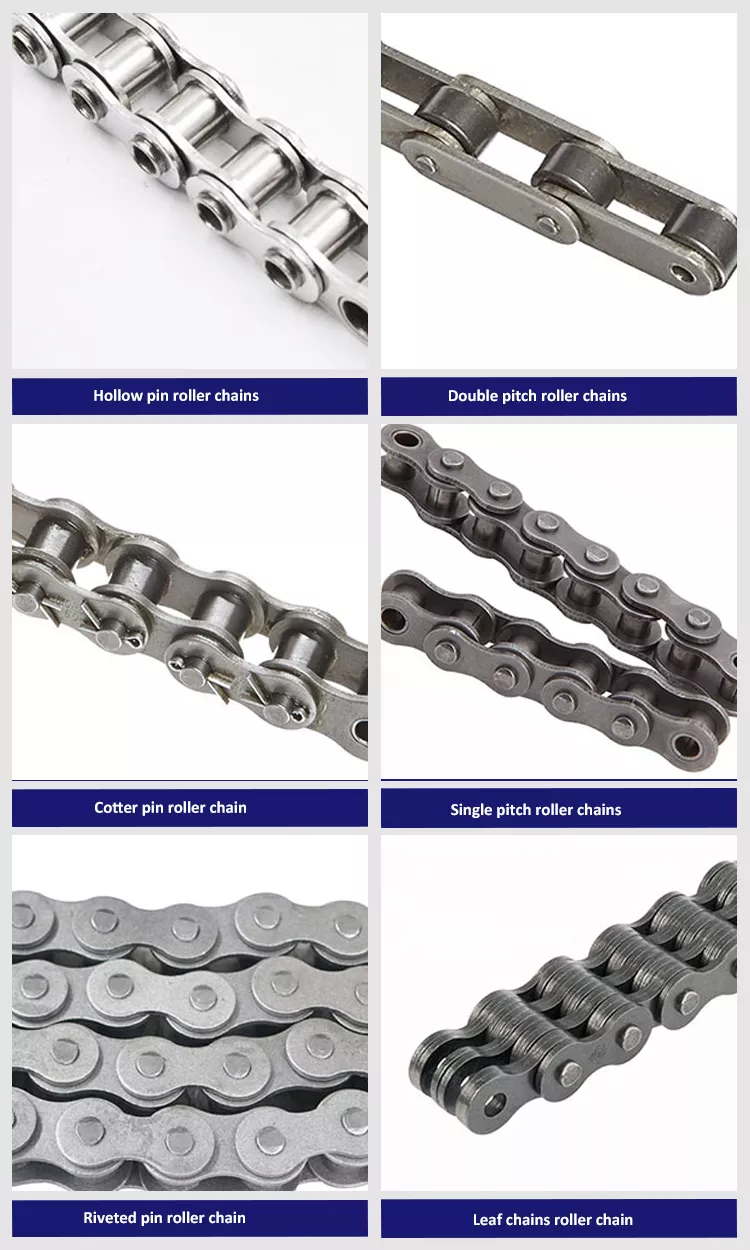
Self-lubricating
Self-lubricating roller chains eliminate the require for guide relubrication, delivering prolonged-long lasting operation and lowering maintenance costs. These chains are specifically well-liked in industries this kind of as the foodstuff and beverage sector, textiles, printing, and sawmills. They can also change common roller chain drives and conveyor chains. Produced to the distinct standard ISO R606, these chains are ideal replacements for standard chains. Laptop chains are especially beneficial for foodstuff and beverage generation and packaging applications due to their anti-corrosion homes.
Self-lubricating roller chains meet up with ISO, ASME/ANSI, and DIN specifications. They are interchangeable with normal chains of the very same size and form and can be utilised in a selection of industrial applications. Self-lubricating chains have unique oil-impregnated sleeves to decrease routine maintenance time. These chains are also suited for apps in which cleanliness is an situation.
Self-lubricating roller chains are produced with distinctive RS attachments. Relatively than a traditional roller chain with an external lubricating ring, this sort of chain retains the lubricant inside its bushings. During procedure, the application generates heat, heating the lubricant, which flows out of the pin and bushing region. For that reason, CZPT roller chains are excellent for specified foods conveying programs.
In addition to self-lubricating roller chains, carbon metal, stainless steel or nickel-plated steel are also offered. Self-lubricating roller chains are accessible in various measurements based on the application, such as .375″ extensive profile straight-chain, extended pin chain, and 4-hyperlink. In addition, these chains are also accessible in ANSI and BS chain specifications.
Accumulation
Regardless of whether you want to shift huge or small hundreds, accumulating roller chains are a feasible remedy. This chain conveyor is designed with lower again stress to transportation big and cumbersome objects with minimum sounds. Free-running rollers inside of the chain help produce a smooth create-up surface area. These chains are available in a range of options, which includes accumulating rollers of various pitches.
The accumulation and release roller chain fourteen includes an upper portion 15 and a decrease part sixteen. The higher part fifteen rests in the upper subspace 28, while the decrease portion 16 rests on the prime aspect twenty of the profile. As the higher belt fifteen rolls close to the accumulation roller chain 14, it aligns with the reduce chain sixteen to kind a constant obtaining space. This arrangement allows the accumulation roller chain fourteen to relaxation on the leading surface area of the assist profile eleven.
A cumulative roller chain is made up of many person components. Every single section of the chain has an elongated cylindrical condition and is connected to each and every other by hinged joints. Every chain section also has an accumulation and launch roller related therewith. Every roller protrudes from the higher aspect twenty and the reduce aspect 21 of the chain portion. The accumulation rollers are movable about an axis 22 extending transversely to the longitudinal axis of the chain.
A feature of the stacking and releasing roller chain is its simplicity. The conveyor has a profiled area that is forever divided into two cross-sectional areas. The base area is closed from all sides. The higher place accommodates the conveyor line. The contoured part involves an opening that guides the bottom strap. A shunt can also be inserted among the two sections. The accumulating roller chain program is a practical and versatile way to go cumbersome things.
There are a lot of distinct kinds of accumulating roller chains. Some chains have offset rollers for ideal load distribution. Other people have security to avoid device dress in. Some run with out lubricant, which is a security gain. In addition to safety, cumulative chains can also give security. The facet bow edition of the accumulation and launch roller chain with offset accumulation and launch rollers is designed for conveyor techniques with very tiny bend radii.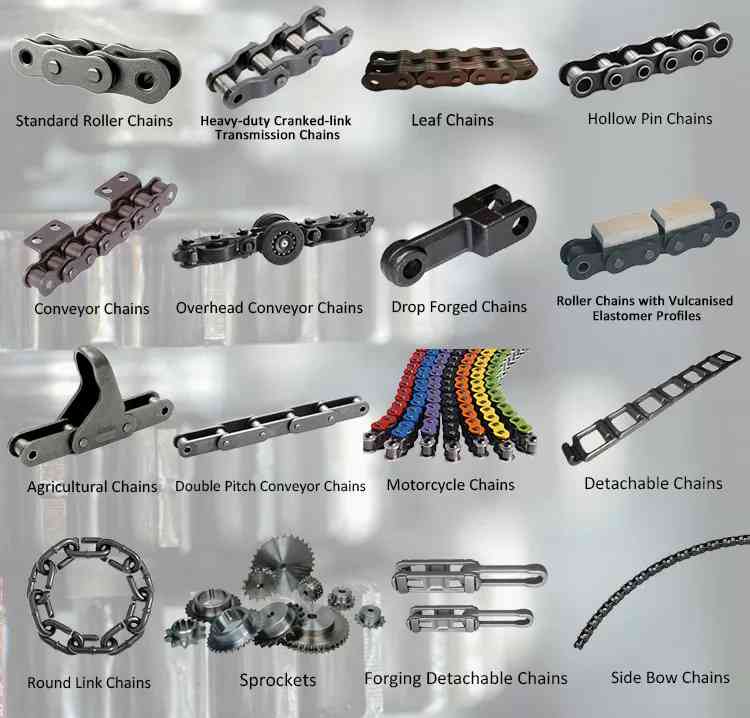
Without having bushing
Bushless roller chains are the most typical variety of industrial chain. They are simple in layout and call for only typical routine maintenance. Regular upkeep consists of lubricating, assessing dress in, and changing worn sprockets. For more data, please read through the following information:
The outer chainplates and the internal chain plates are alternately arranged in pairs. The connecting pin extends by way of the hole in the internal website link plate. The rollers thus positioned can be rotated on the connecting pins. Oil provided in between the outer circumferential surfaces of each and every connecting pin serves to lubricate the chain. This system decreases sound and wears triggered by collisions among interior chain plates and sprockets.
In contrast to traditional roller chains, bushings roller chains have rollers close to the bushing. These rollers are in rolling get in touch with with the sprocket enamel, delivering minimal friction and superb dress in resistance. To ensure easy procedure, bushings roller chains should be greased to prevent rust and hold the chain appropriately tensioned. Lubricated chains run smoother and final for a longer time.
In a bushingless chain, the internal backlinks are shaped like half bushings and experience on the rollers. The pins go through the outer plate and hook up the inner links to the rollers. The outer plates overlap the interior back links and open up the pins. This system is also acknowledged as a heterochain. This sort of chain is a lot more typical than standard roller chains. If you are not confident which sort of bushingless roller chain to decide on, you could need to acquire an further pair of inner chainplates.
Linerless roller chains may also include chain guides. In a bushingless roller chain, the outer and inner url plates conform to the surfaces of the guide rails. As a result, the large region of contact between the chain and the guide rail is eliminated, the friction loss is diminished, and the energy transmission effectiveness is enhanced. These houses make bushless roller chains a lot more productive and durable than classic roller chains. It truly is also significantly less noisy. If you are seeking for a chain with a reduced noise stage, a bushingless roller chain could be the appropriate choice for you.
