Product Description
| Model NO. | 06C/08A/10A/12A/16A/20A/24A/28A/32A/40A/06B/08B/10B/12B/16B/20B/24B/28B/32B/40B-1/2/3 Heavy duty |
| Chain Model | Roller Chains |
| Structure (for Chain) | Roller Chain |
| Specification | GB/T, DIN, ANSI, ISO, BS, JIS. |
| Origin | HangZhou, ZheJiang |
| Color | Solid Color |
| Chain Color | Customized |
Our company
Wolff Chain Co. is 1 of the professional chain manufacturers in China. We focus on reseaching, manufacturing and trading of the chain drive with famous brands — “DOVON” and “DECHO”. We supply OEM services for many famous enterprises such as SUZUKI, XIHU (WEST LAKE) DIS., FAW, AGCO, JUMING as well.
Wolff mainly producing the Transmission chains,Conveyor chains,Dragging Chains,Silent chains,Leaf chains,Roller chains,Special chain and many other series of chain products. Our technicians a have improved the chains quality to the world-level. High quality material selection, powerful and precise heat-treatment technology and excellent assembly methods ensure Wolff chains meet the tough and strict requirements for machines and vehicles.
All of our products completely conform to the international standard such as ISO\DIN\ANSI\BS\JIS, etc. Wolff has been successfully certified by ISO9001 Quality Management System,SGS inspection and BV inspection. Wolff chains can be widely applied to many industries including automobile, motorcycle, forklift, wood processing machine, constructure machine, packing machine, food machine,tobacco machine and agricultural equipments. Wolff chains are popular in America,South America,Europe,Middle East, South East Asia and Africa markets.
Our workshop
Our certification
Welcome to our exhibition
FAQ
Q1. What is your terms of packing?
A: Generally, we pack our goods in single color box. If you have special request about packing, pls negotiate with us in advance, we can pack the goods as your request.
Q2. What is your terms of payment?
A: T/T 30% as deposit, and 70% before delivery. We’ll show you the photos of the products and packages
before you pay the balance. Other payments terms, pls negotiate with us in advance, we can discuss.
Q3. What is your terms of delivery?
A: EXW, FOB, CFR, CIF.
Q4. How about your delivery time?
A: Generally, it will take 25 to 30 days after receiving your advance payment. The specific delivery time depends
on the items and the quantity of your order.
Q5. Can you produce according to the samples?
A: Yes, we can produce by your samples or technical drawings. We can build the molds and fixtures.
Q6. What is your sample policy?
A: We can supply the sample if we have ready parts in stock, but the customers have to pay the sample cost and
the courier cost.We welcome sample order.
Q7. Do you test all your goods before delivery?
A: Yes, we have 100% test before delivery
Q8: How do you make our business long-term and good relationship?
1. We keep good quality and competitive price to ensure our customers benefit ;
2. We respect every customer as our friend and we sincerely do business and make friends with them,
no matter where they come from.
| Standard or Nonstandard: | Standard |
|---|---|
| Application: | Textile Machinery, Garment Machinery, Conveyer Equipment, Packaging Machinery, Food Machinery, Marine, Mining Equipment |
| Surface Treatment: | Oil Blooming |
| Structure: | Roller Chain |
| Material: | Carbon Steel |
| Type: | Short Pitch Chain |
| Samples: |
US$ 0/Piece
1 Piece(Min.Order) | |
|---|
| Customization: |
Available
| Customized Request |
|---|

Can gripper chains be used in abrasive or harsh environments?
Gripper chains are designed to be durable and resistant to various operating conditions, including abrasive or harsh environments. While the specific suitability depends on the materials and coatings used in the gripper chain construction, there are several features that enable gripper chains to handle such conditions:
- Material Selection: Gripper chains can be manufactured using materials that offer high resistance to abrasion and corrosion. Common materials include stainless steel, hardened steel, or plastic compounds with excellent wear resistance.
- Coatings and Surface Treatments: Applying specialized coatings or surface treatments to the gripper chain can enhance its resistance to abrasion and corrosion. For example, coatings like zinc plating or nickel plating provide an additional layer of protection against harsh environments.
- Sealed Design: Gripper chains can incorporate sealed or self-lubricating mechanisms to prevent the ingress of abrasive particles or contaminants. This helps to maintain smooth operation and prolong the chain’s lifespan in harsh environments.
- Robust Construction: Gripper chains are typically designed with robust construction to withstand the rigors of abrasive environments. This includes reinforced links, sturdy attachments, and secure fastening methods to ensure reliable operation even under challenging conditions.
- Regular Maintenance: To ensure optimal performance and longevity in abrasive environments, regular maintenance is essential. This may involve periodic cleaning, lubrication, and inspection of the gripper chain system to remove accumulated debris and identify any signs of wear or damage.
While gripper chains can handle abrasive or harsh environments, it is crucial to select the appropriate materials, coatings, and maintenance practices based on the specific conditions of the application. Consulting with industry experts or manufacturers can provide further guidance in choosing the most suitable gripper chain for abrasive environments.

How do gripper chains handle heavy loads?
Gripper chains are specifically designed to handle heavy loads in various material handling applications. Here’s a more detailed explanation:
Gripper chains consist of sturdy chain links that are capable of supporting and carrying heavy items along a conveyor system. The gripper fingers or jaws, attached to the chain links, provide a secure grip on the products, ensuring they remain firmly held during transport.
When it comes to handling heavy loads, gripper chains offer several features and mechanisms to ensure reliable performance:
- Robust Construction: Gripper chains are constructed using high-strength materials such as alloy steel or stainless steel. These materials provide excellent durability and load-bearing capacity, enabling the chains to withstand heavy loads without deformation or failure.
- Enhanced Grip Strength: Gripper chains are equipped with gripper fingers or jaws that are designed to provide a strong and secure grip on heavy items. The gripping surfaces are often made of materials with high friction coefficients, ensuring optimal grip even under heavy load conditions.
- Adjustable Grip Force: Gripper chains allow for adjustable grip force, allowing the operator to set the appropriate level of gripping strength based on the weight and nature of the load. This flexibility ensures that heavy items are securely held without excessive pressure that could damage the products.
- Load Distribution: Gripper chains distribute the load evenly across multiple chain links, minimizing stress concentration on individual components. This design feature enhances the chain’s ability to handle heavy loads by spreading the weight over a larger surface area, reducing the risk of chain failure or damage.
- Anti-slip Mechanisms: Gripper chains often incorporate anti-slip features such as serrated or textured gripping surfaces on the fingers or jaws. These features enhance the chain’s grip on heavy items and prevent slippage, ensuring safe and secure transport.
By incorporating these design elements and features, gripper chains are able to effectively handle heavy loads in material handling applications. They provide reliable and secure gripping, ensuring the safe transportation of heavy items throughout the conveyor system.

How do you select the right gripper chain for a specific application?
Choosing the right gripper chain for a specific application involves considering several factors to ensure optimal performance and reliability. Here’s a detailed answer:
- Load Capacity: Evaluate the maximum weight and size of the items to be gripped and transported by the chain. Select a gripper chain that can safely handle the anticipated load without excessive strain.
- Gripping Method: Determine the preferred gripping method for your application, such as clamping, pinching, or suction. Ensure the gripper chain design aligns with the desired gripping mechanism.
- Speed and Precision: Consider the required speed and precision of item handling. Some gripper chains are designed for high-speed applications, while others offer more precise positioning capabilities.
- Environmental Conditions: Evaluate the operating environment for factors such as temperature, humidity, dust, or chemical exposure. Choose a gripper chain that is resistant to corrosion, abrasion, and other environmental challenges.
- Chain Material: Select a chain material that is suitable for the application’s requirements. Common materials include stainless steel for its corrosion resistance, carbon steel for general-purpose applications, and specialty plastics for lightweight and non-marring applications.
- Chain Size and Configuration: Determine the appropriate chain size based on the anticipated load and gripping requirements. Consider factors such as chain pitch, link width, and overall chain length. Additionally, select the appropriate gripper configuration, such as finger-style, jaw-style, or custom-designed grippers.
- Compatibility: Ensure compatibility between the gripper chain and the associated equipment, such as conveyor systems, robotic arms, or gripper mechanisms. Consider factors such as mounting options, attachment methods, and integration with existing equipment.
- Maintenance and Serviceability: Evaluate the ease of maintenance and serviceability of the gripper chain. Look for features such as removable or replaceable gripper fingers, accessible lubrication points, and ease of chain tension adjustment.
By considering these factors and consulting with gripper chain manufacturers or suppliers, you can select the right gripper chain that meets the specific requirements of your application, ensuring efficient and reliable item handling and gripping.


editor by CX 2023-08-11
China wholesaler Transmission Industrial Conveyor Chain Roller Chain /Hollow Chain/Stainless Steel Pintle Chain/Motorcycle/Agricultural Chain
Product Description
Product Description
Hollow Pin Conveyor Chains (MC Series)
Chain No.: MC28, MC56, MC112, MC224
Pitch: 63.0 to 160.0 mm
For Free Samples
Prompt Delivery
Green Product
International Approvals
Experienced Staff
Product Parameters
We look CZPT to receiving your enquires soon.
Conveyor chain is used for conveyor products from 1 place to another place e. X for the lumber, we supply good quality Conveyor chain, such as: 81X, 81XH, 81XHH, 81XHS, 500R and so on, if you have special demand we also could develop it for you.
Our Advantages
Why choose us?
1. HangZhou CZPT Chain Group Co., Ltd established in 1991, we have 5 subsidiaries in China and also have 6 subsidiaries abroad;
2. We covering a production area of 200, 100 square meters, have more than 1, 800 sets of advanced equipment and over 3, 100 highly skilled employees, the annual production capacity has exceeded 20, 000, 000 meters;
3. We specialized in producing all kinds of standard chains and special chains, such as A or B series chains, driving chains, conveyor chains, dragging chains, agricultural chains and so on;
4. We have obtained ISO9001, ISO14001, ISO16969, AAA and API certificates.
The company is specialized in producing all kinds of standard chains and special chains, E. G. A or B series chains, automobile chains, stainless steel chains, combine harvester chains, heavy-duty cranked link transmission chains, stereo garage chains and maintenance-free chains etc. In recent years, it invests the capital and depends on the improvement of technology to accelerate the step of new product development and the step of technology reform. It intends to produce high strength and precision chains in order to meet requirements of the domestic and overseas markets. We have enclosed our catalog, which introduces our company in detail and covers the main products we supply at present. You may also visit our online company introduction at which includes our latest product line.
| Usage: | Transmission Chain |
|---|---|
| Material: | Stainless steel |
| Surface Treatment: | Shot Peening |
| Feature: | Heat Resistant |
| Chain Size: | We Can Produce According to Your Requirements |
| Structure: | All Kinds of You Required |

Can gripper chains be used in high-temperature environments?
Gripper chains are generally not recommended for use in high-temperature environments due to the limitations of their materials and construction. Gripper chains typically consist of metal links or plates with gripping elements, and these components may experience mechanical stress and degradation at elevated temperatures.
High temperatures can cause the materials of the gripper chain to weaken, leading to reduced strength, increased wear, and potential failure. Additionally, the lubricants used on the chains may break down or evaporate at high temperatures, further compromising their performance.
For high-temperature applications, alternative solutions such as heat-resistant conveyor belts, ceramic gripper systems, or specialized high-temperature conveying technologies are more suitable. These alternatives are specifically designed to withstand and operate effectively in extreme temperature conditions.
It is important to consider the specific temperature requirements and limitations of the gripper chain system. Manufacturers should consult with experts or suppliers who specialize in high-temperature conveying and gripping solutions to ensure the selection of an appropriate system that can withstand the intended operating conditions.

How do gripper chains handle side-to-side movement in conveying applications?
Gripper chains are designed to effectively handle side-to-side movement in conveying applications. Here’s how they handle this movement:
Gripper chains typically consist of a series of interconnected links with gripper attachments. These grippers securely hold the conveyed items, such as bottles, containers, or products, during the conveying process. The grippers are strategically positioned along the chain and can be customized to match the shape and size of the conveyed items.
When side-to-side movement is required in a conveying application, gripper chains can accommodate this through specific design features:
1. Gripper Attachment Design: Gripper chains are designed with gripper attachments that allow the items to move laterally while still maintaining a secure grip. The grippers are typically flexible or have some degree of movement to accommodate the side-to-side motion without compromising the grip on the conveyed items.
2. Chain Flexibility: Gripper chains are designed to have a certain level of flexibility, allowing them to adapt to the side-to-side movement of the conveyed items. This flexibility ensures that the grippers can adjust their position and maintain a reliable grip on the items during lateral motion.
3. Guide Rails and Track Systems: In some cases, guide rails or track systems are used in conjunction with gripper chains to guide the lateral movement of the conveyed items. These guide rails provide additional stability and control, ensuring smooth and precise side-to-side motion.
4. Tensioning Systems: Proper tensioning of the gripper chains is crucial to maintain consistent and reliable performance during side-to-side movement. Tensioning systems, such as tensioners or adjusters, are used to control the tension in the chain, ensuring optimal grip and minimizing slack that could affect the lateral movement.
By utilizing these design features, gripper chains can effectively handle side-to-side movement in conveying applications. They provide secure gripping and reliable transportation of items, even when lateral motion is required.

What is a gripper chain and how is it used?
A gripper chain, also known as a grip chain or gripper conveyor chain, is a type of roller chain designed specifically for gripping and transporting items in a controlled manner. It is commonly used in various material handling and conveyor systems. Here’s a detailed answer to the question:
A gripper chain consists of a series of interconnected links, typically made of steel, that have special gripper attachments or fingers. These gripper attachments are strategically positioned along the chain and are designed to securely hold items during transportation.
The gripper attachments on the chain can take different forms depending on the application requirements. They may have curved or flat surfaces, hooks, or other specialized shapes to accommodate the specific shape and size of the items being handled. The gripper attachments are typically made of durable materials such as plastic or metal to ensure reliable gripping and longevity.
Gripper chains are used in various industries and applications where precise control and secure transportation of items are necessary. Some common uses include:
- Material Handling: Gripper chains are utilized in material handling systems to transport items such as bags, boxes, trays, or components between different stages of production or processing. The gripper attachments securely grip the items, preventing slippage or damage during movement.
- Packaging: Gripper chains are often employed in packaging machinery to control the movement of products through the packaging process. They ensure precise positioning and orientation of items, allowing for accurate packaging and labeling.
- Assembly Lines: Gripper chains facilitate the assembly process by carrying and positioning components or parts at various workstations. They enable the controlled transfer of items, ensuring the smooth flow of production and minimizing the risk of errors.
- Conveyor Systems: Gripper chains are used in conveyor systems where items need to be conveyed at specific intervals or in a synchronized manner. The gripper attachments engage with the items, holding them securely as they are transported along the conveyor.
Gripper chains offer several advantages in these applications. They provide a reliable and efficient method for gripping and transporting items, ensuring precise control and minimizing the risk of slippage or mishandling. The design of gripper chains allows for customization to suit specific application requirements, including the size, shape, and weight of the items being transported.
It’s important to select the appropriate gripper chain based on factors such as load capacity, speed requirements, and environmental conditions. Regular inspection and maintenance, including lubrication and tension adjustment, help ensure optimal performance and extend the lifespan of the gripper chain in the intended application.
editor by CX 2023-08-09
China Standard Stainless Steel Short Pitch Conveyor Chain with Extended Pin Short Pitch Precision Roller Chain (A series) Transmission Parts
Product Description
Stainless Steel Short Pitch Conveyor Chain With Extended Pin Short Pitch Precision Roller Chain(A series) transmission parts
We supply SS304 And SS316 Stainless Steel Conveyor Chain,Stainless Steel Conveyor Chain for Sewage, Sewage Conveyor Chain, Double conveyor chain, double pitch conveyor chain, double chain conveyor, SS conveyor chain, stainless steel conveyor chain, SS304 conveyor chain, SS316 conveyor chain, SS316L conveyor chain, sewage treatment conveyor chain, sewage disposal system chain, sewage disposal system conveyor chain, sewage treatment machine chain, sewage treatment machine conveyor chain, sewage treatment machine drive chain, sewage disposal machine chain, sewage disposal machine conveyor chain, sewage disposal machine drive chain, sewage treatment plant conveyor chain, sewage treatment plant drive chain, sewage treatment equipment conveyor chain, sewage treatment equipment drive chain
We export standard chain and also special chain as per your drawing or sample
Our stainless steel chain include:
1) Stainless steel roller chains
2) Short pitch stainless steel conveyor chain attachments
3) Double pitch stainless steel conveyor chains
4) Double pitch stainless steel conveyor chain attachments
5) Stainless steel hollow pin chains
6) Special chain as per your drawing or sample
Material: SS202, SS302, SS410, SS304, SS316, SS316L and so on
Our chain plate have special treatment and so hardness high and straightness high and tensile strength higher. We produce for famous chain factory in Europe, our quality is high, if you choose us, you choose reliable
HangZhou CZPT Industry Co., Ltd. is a specialized supplier of a full range of chains, sprockets, gears, gear racks, v belt pulley, timing pulley, V-belts, couplings, machined parts and so on.
Due to our CZPT in offering best service to our clients, understanding of your needs and overriding sense of responsibility toward filling ordering requirements, we have obtained the trust of buyers worldwide. Having accumulated precious experience in cooperating with foreign customers, our products are selling well in the American, European, South American and Asian markets.Our products are manufactured by modern computerized machinery and equipment. Meanwhile, our products are manufactured according to high quality standards, and complying with the international advanced standard criteria.
With many years’ experience in this line, we will be trusted by our advantages in competitive price, one-time delivery, prompt response, on-hand engineering support and good after-sales services.
Additionally, all our production procedures are in compliance with ISO9001 standards. We also can design and make non-standard products to meet customers’ special requirements. Quality and credit are the bases that make a corporation alive. We will provide best services and high quality products with all sincerity. If you need any information or samples, please contact us and you will have our soon reply.
|
Shipping Cost:
Estimated freight per unit. |
To be negotiated|
|
|---|
| Usage: | Conveyor Chain |
|---|---|
| Material: | Stainless steel |
| Surface Treatment: | No |
| Customization: |
Available
| Customized Request |
|---|
What are the factors to consider when designing a gripper chain system?
Designing a gripper chain system involves considering various factors to ensure optimal performance and functionality. Here are some key factors to consider:
- Application requirements: Understand the specific requirements of the application, including the type of product to be conveyed or gripped, the desired speed and throughput, the environmental conditions, and any regulatory or industry-specific standards that need to be met.
- Load capacity: Determine the maximum load the gripper chain system needs to handle. Consider the weight, size, and shape of the products to be conveyed or gripped, as well as any dynamic or impact loads that may be present.
- Gripping mechanism: Choose the appropriate gripper elements or attachments based on the product characteristics and the required grip strength. Consider factors such as grip surface area, material compatibility, and the ability to release the product smoothly and accurately.
- Chain configuration: Select the appropriate chain type, pitch, and width based on the load requirements, speed, and available space. Consider factors such as the desired conveying or gripping motion, the required flexibility, and the overall system layout.
- Material selection: Choose materials for the chain links, gripper elements, and other components that are compatible with the product being conveyed or gripped, as well as the operating environment. Consider factors such as corrosion resistance, wear resistance, and the ability to withstand any temperature or chemical exposures.
- System integration: Ensure proper integration of the gripper chain system with the overall conveyor or handling equipment. Consider factors such as the sprocket design, drive mechanism, tensioning system, and any automation or control requirements.
- Maintenance and durability: Consider the ease of maintenance, accessibility for cleaning, and the expected lifespan of the gripper chain system. Choose components that are durable and reliable to minimize downtime and maximize operational efficiency.
It is crucial to work closely with experienced engineers, conveyor system manufacturers, or suppliers specializing in gripper chain systems to ensure the design meets the specific requirements of the application and delivers optimal performance and reliability.
Are there any safety considerations when working with gripper chains?
Working with gripper chains requires adherence to safety protocols to prevent accidents and ensure the well-being of personnel. Here are some important safety considerations:
1. Training and Education: Ensure that operators and maintenance personnel receive proper training on the safe use, handling, and maintenance of gripper chains. They should be familiar with the equipment’s operation, safety procedures, and emergency protocols.
2. Protective Equipment: Personnel working with gripper chains should wear appropriate personal protective equipment (PPE) such as safety glasses, gloves, and protective clothing. This safeguards against potential hazards like sharp edges, pinch points, or flying debris.
3. Lockout/Tagout Procedures: Implement lockout/tagout procedures when performing maintenance or repair tasks on equipment involving gripper chains. This ensures that machinery is de-energized and cannot be accidentally started, reducing the risk of injury.
4. Machine Guarding: Install proper machine guarding to prevent accidental contact with moving parts, including gripper chains. Use barriers, shields, or enclosures to minimize the risk of injury caused by inadvertent contact.
5. Proper Lifting Techniques: When handling heavy gripper chains or related components, employ proper lifting techniques to avoid strains or injuries. Use lifting equipment, such as cranes or hoists, if necessary.
6. Regular Inspections: Conduct routine inspections of gripper chains to identify any signs of wear, damage, or misalignment. Address any issues promptly to prevent accidents or equipment failure.
7. Safe Work Practices: Follow safe work practices, such as keeping hands and clothing clear of moving parts, avoiding reaching into the machinery during operation, and using tools or equipment only for their intended purposes.
8. Emergency Preparedness: Have clear emergency procedures in place, including evacuation plans and access to first aid kits. Train personnel on emergency response protocols and ensure that they are aware of emergency stop buttons or switches.
9. Read and Follow Manuals: Familiarize yourself with the manufacturer’s instructions, safety guidelines, and warnings provided in the equipment manuals. Adhere to their recommendations and limitations.
It is essential to prioritize safety when working with gripper chains to mitigate potential risks and create a safe working environment for all personnel involved.

What are the different types of gripper chains available?
A gripper chain, also known as a grip chain or gripper conveyor chain, comes in various types and configurations to accommodate different application requirements. These types can vary based on the design of the gripper attachments or the specific functionality they offer. Here’s a detailed answer to the question:
1. Curved Finger Gripper Chain: This type of gripper chain features curved fingers or attachments that provide a secure grip on items with curved surfaces or irregular shapes. The curved shape helps conform to the contour of the items, ensuring reliable gripping and preventing slippage during transportation.
2. Flat Finger Gripper Chain: Flat finger gripper chains have flat gripper attachments that are suitable for gripping items with flat surfaces. These chains are commonly used in applications where items need to be held flat or at a specific angle during transport or assembly.
3. Hook Gripper Chain: Hook gripper chains have hook-shaped gripper attachments that are designed to engage with items that have a handle or a hanging point. The hooks securely hold the items, allowing for convenient and controlled transportation.
4. Specialized Gripper Chain: In addition to the above types, there are specialized gripper chains available for specific applications. These may include chains with custom-designed gripper attachments to accommodate unique shapes or sizes of items. They are tailored to meet the specific requirements of the application, providing optimal gripping and transportation capabilities.
When selecting a gripper chain, it’s essential to consider factors such as the shape and size of the items being handled, the weight and load capacity requirements, the speed and precision of transport, and the environmental conditions. Proper selection ensures that the gripper chain performs effectively and reliably in the intended application.
Regular maintenance, including lubrication, tension adjustment, and periodic inspection of the gripper chain, is necessary to ensure optimal performance and extend its lifespan.
editor by CX 2023-08-07
China high quality Simplex Stainless Steel 304 Transmission Conveyo Roller Chain (08B-1, 24B-1)
Product Description
Simplex stainless 304 Roller Chain (08B-1, 24B-1)
The most commonly used chain is roller chain or as it is also known transmission chain. These are the simplest chain drives, Used mainly for transmitting power. Can be supplied from 3mm pitch up to 4″ pitch in either mild steel or stainless steel.
We own the sophisticated equipment and the advanced technology, such as:
1. CAD Designer
2. Wire Cutting Machine
3. Chain Running In Machine
4. Conveyor Furance
5. Ball Drift
6. Shot Peened Parts
7. Design Of Link Plate Waist
Pack Detail:
Company Detail:
TAI is 1 of a professional exporter with exporting POWER TRANSMISSION PARTS: Roller chains,conveyor chain,stainless steel chains, agricultural chains, steel detachable chains, special chains, sprockets, s. S. Sprockets, HRC couplings, pulleys, bushes etc. All these products have been supplied regularly to World Wide for over 15 years.
Welcome contact for more detail.
Ava Gao(Sales)
Tran-Auto Industries Co.,Limited
716 Gold River Center,NO.88 Shishan Rd.,
New District,HangZhou,P.R.China.P.C.:215011
Tel: -512-6583
tran-auto
| DIN/ISO Chain No. |
Pitch | Roller Diameter |
Width Between Inner Plates |
Pin Diameter |
Pin Length |
Inner Plate depth |
Plate thick ness |
Ultimate Tensile Strength |
Average Tensile Strength |
Weight Per Meter |
|
| Mm | mm | mm | mm | mm | mm | mm | mm | kN/LB | kN | Kg/m | |
| 04B-1 | 6.000 | 4.00 | 2.80 | 1.85 | 6.80 | 7.80 | 5.00 | 0.60 | 3.0/682 | 3.2 | 0.11 |
| 05B-1 | 8.000 | 5.00 | 3.00 | 2.31 | 8.20 | 8.90 | 7.10 | 0.80 | 5.0/1136 | 5.9 | 0.20 |
| *06B-1 | 9.525 | 6.35 | 5.72 | 3.28 | 13.15 | 14.10 | 8.20 | 1.30 | 9.0/2045 | 10.4 | 0.41 |
| 08B-1 | 12.700 | 8.51 | 7.75 | 4.45 | 16.70 | 18.20 | 11.80 | 1.60 | 18.0/4091 | 19.40 | 0.69 |
| 10B-1 | 15.875 | 10.16 | 9.65 | 5.09 | 19.50 | 20.90 | 14.70 | 1.70 | 22.4/5091 | 27.50 | 0.93 |
| 12B-1 | 19.050 | 12.07 | 11.68 | 5.72 | 22.50 | 24.2 | 16.00 | 1.85 | 29.0/6591 | 32.20 | 1.15 |
| 16B-1 | 25.400 | 15.88 | 17.02 | 8.28 | 36.10 | 37.4 | 21.00 | 4.15/3.1 | 60.0/13636 | 72.80 | 2.71 |
| 20B-1 | 31.750 | 19.05 | 19.56 | 10.19 | 41.30 | 45.0 | 26.40 | 4.5/3.5 | 95.0/21591 | 106.7 | 3.70 |
| 24B-1 | 38.100 | 25.40 | 25.40 | 14.63 | 53.40 | 57.80 | 33.20 | 6.0/4.8 | 160.0/36364 | 178.0 | 7.10 |
| 28B-1 | 44.450 | 27.94 | 30.99 | 15.90 | 65.10 | 69.50 | 36.70 | 7.5/6.0 | 200.0/45455 | 222.0 | 8.50 |
| 32B-1 | 50.800 | 29.21 | 30.99 | 17.81 | 66.00 | 71.0 | 42.00 | 7.0/6.0 | 250.0/56818 | 277.5 | 10.25 |
| 40B-1 | 63.50 | 39.37 | 38.10 | 22.89 | 82.20 | 89.2 | 52.96 | 8.5/8.0 | 355.0/80682 | 394.0 | 16.35 |
| 48B-1 | 76.20 | 48.26 | 45.72 | 29.24 | 99.10 | 107.0 | 63.80 | 12.0/10.0 | 560.0/127272 | 621.6 | 25.00 |
| 56B-1 | 88.90 | 53.98 | 53.34 | 34.32 | 114.60 | 123.0 | 77.80 | 13.5/12.0 | 850.0/193180 | 940.0 | 35.78 |
| *Bushing chain: d1 in the table indicate the external diameter of bushing |
|||||||||||
| Usage: | Transmission Chain |
|---|---|
| Material: | Stainless steel |
| Surface Treatment: | Polishing |
| Feature: | Heat Resistant |
| Chain Size: | 1/2"*3/32" |
| Structure: | Roller Chain |
| Customization: |
Available
| Customized Request |
|---|

How do gripper chains handle product orientation and positioning?
Gripper chains are specifically designed to handle product orientation and positioning tasks in various industrial applications. These chains utilize specialized gripper attachments that securely hold and manipulate the products as they move along the conveying system. Here’s a detailed explanation of how gripper chains handle product orientation and positioning:
- Gripper Attachment Design: Gripper chains feature specially designed attachments or gripper fingers that are strategically positioned along the chain. These grippers are engineered to securely hold and manipulate the products during the conveying process.
- Flexible Gripper Configurations: Gripper chains can be configured in different arrangements to accommodate various product shapes and sizes. The gripper attachments can be customized to match the specific requirements of the application, allowing for effective product orientation and positioning.
- Precision and Control: Gripper chains offer precise control over the product positioning. The gripper attachments can be designed to exert the required amount of force to hold and manipulate the products without causing damage or misalignment.
- Adjustability: Some gripper chain systems feature adjustable gripper attachments that allow for quick and easy adaptation to different product sizes or orientations. This flexibility enables efficient handling of a wide range of products within the same conveying system.
- Smooth and Consistent Movement: Gripper chains are designed to ensure smooth and consistent movement of the products. This helps in maintaining the desired product orientation and positioning throughout the conveying process, minimizing the risk of misalignment or errors.
- Integration with Control Systems: Gripper chains can be integrated with control systems that provide precise coordination between the chain movement and the product manipulation. This allows for seamless product orientation and positioning based on the desired workflow or operational requirements.
Overall, gripper chains offer reliable and efficient handling of products, ensuring accurate orientation and positioning during the conveying process. By selecting the appropriate gripper chain design, gripper attachments, and control system integration, manufacturers can achieve precise control and consistency in product handling tasks.
Can gripper chains be used in food processing or packaging industries?
Gripper chains can indeed be used in food processing and packaging industries, but there are specific considerations and requirements to ensure compliance with food safety standards. Here are some key points to consider:
1. Food-Grade Materials: Gripper chains used in food-related applications must be made of food-grade materials such as stainless steel or plastic that are resistant to corrosion and can withstand frequent cleaning and sanitization.
2. Hygienic Design: Gripper chains should have a hygienic design with smooth surfaces, minimal crevices, and easy-to-clean components. This helps prevent the accumulation of food particles, bacteria, and other contaminants.
3. Easy Disassembly and Cleaning: The design of the gripper chains should facilitate easy disassembly and reassembly for thorough cleaning and sanitization. Quick-release mechanisms and accessible parts make the cleaning process more efficient.
4. Sanitary Conveying: Gripper chains should be used in conjunction with conveyors designed for food processing and packaging. These conveyors should have features like washdown capabilities, food-grade belts, and appropriate sanitation protocols to ensure the overall cleanliness of the system.
5. Compliance with Regulations: It is crucial to comply with relevant food safety regulations, such as the Food Safety Modernization Act (FSMA) in the United States or equivalent regulations in other countries. This includes maintaining records of cleaning and sanitation procedures, implementing proper pest control measures, and conducting regular inspections.
6. Quality Control: Implement quality control measures to ensure the integrity and safety of the gripper chains and related equipment. This includes routine inspections, testing for contamination or foreign objects, and maintaining proper documentation.
7. Training and Awareness: Train employees on food safety practices, including proper handling of gripper chains, maintaining hygiene, and following established protocols. Regularly reinforce the importance of food safety and provide refresher training as needed.
It is essential to work closely with reputable suppliers and industry experts to select and maintain gripper chains that meet the specific requirements of the food processing and packaging industries. Adhering to stringent food safety standards helps ensure the production of safe and high-quality food products.
What are the different types of gripper chains available?
A gripper chain, also known as a grip chain or gripper conveyor chain, comes in various types and configurations to accommodate different application requirements. These types can vary based on the design of the gripper attachments or the specific functionality they offer. Here’s a detailed answer to the question:
1. Curved Finger Gripper Chain: This type of gripper chain features curved fingers or attachments that provide a secure grip on items with curved surfaces or irregular shapes. The curved shape helps conform to the contour of the items, ensuring reliable gripping and preventing slippage during transportation.
2. Flat Finger Gripper Chain: Flat finger gripper chains have flat gripper attachments that are suitable for gripping items with flat surfaces. These chains are commonly used in applications where items need to be held flat or at a specific angle during transport or assembly.
3. Hook Gripper Chain: Hook gripper chains have hook-shaped gripper attachments that are designed to engage with items that have a handle or a hanging point. The hooks securely hold the items, allowing for convenient and controlled transportation.
4. Specialized Gripper Chain: In addition to the above types, there are specialized gripper chains available for specific applications. These may include chains with custom-designed gripper attachments to accommodate unique shapes or sizes of items. They are tailored to meet the specific requirements of the application, providing optimal gripping and transportation capabilities.
When selecting a gripper chain, it’s essential to consider factors such as the shape and size of the items being handled, the weight and load capacity requirements, the speed and precision of transport, and the environmental conditions. Proper selection ensures that the gripper chain performs effectively and reliably in the intended application.
Regular maintenance, including lubrication, tension adjustment, and periodic inspection of the gripper chain, is necessary to ensure optimal performance and extend its lifespan.
editor by CX 2023-08-05
China OEM Stainless Steel Carbon Steel Short Pitch Sprocket Bearing Gear Conveyor Chain with Extended Pin Plate Precision Roller Chain (A series) Transmission Parts
Product Description
| Model NO. | 06C/08A/10A/12A/16A/20A/24A/28A/32A/40A/06B/08B/10B/12B/16B/20B/24B/28B/32B/40B-1/2/3 Heavy duty |
| Chain Model | Roller Chains |
| Structure (for Chain) | Roller Chain |
| Specification | GB/T, DIN, ANSI, ISO, BS, JIS. |
| Origin | HangZhou, ZheJiang |
| Color | Solid Color |
| Chain Color | Customized |
Our company
Wolff Chain Co. is 1 of the professional chain manufacturers in China. We focus on reseaching, manufacturing and trading of the chain drive with famous brands — “DOVON” and “DECHO”. We supply OEM services for many famous enterprises such as SUZUKI, XIHU (WEST LAKE) DIS., FAW, AGCO, JUMING as well.
Wolff mainly producing the Transmission chains,Conveyor chains,Dragging Chains,Silent chains,Leaf chains,Roller chains,Special chain and many other series of chain products. Our technicians a have improved the chains quality to the world-level. High quality material selection, powerful and precise heat-treatment technology and excellent assembly methods ensure Wolff chains meet the tough and strict requirements for machines and vehicles.
All of our products completely conform to the international standard such as ISO\DIN\ANSI\BS\JIS, etc. Wolff has been successfully certified by ISO9001 Quality Management System,SGS inspection and BV inspection. Wolff chains can be widely applied to many industries including automobile, motorcycle, forklift, wood processing machine, constructure machine, packing machine, food machine,tobacco machine and agricultural equipments. Wolff chains are popular in America,South America,Europe,Middle East, South East Asia and Africa markets.
Our workshop
Our certification
Welcome to our exhibition
FAQ
Q1. What is your terms of packing?
A: Generally, we pack our goods in single color box. If you have special request about packing, pls negotiate with us in advance, we can pack the goods as your request.
Q2. What is your terms of payment?
A: T/T 30% as deposit, and 70% before delivery. We’ll show you the photos of the products and packages
before you pay the balance. Other payments terms, pls negotiate with us in advance, we can discuss.
Q3. What is your terms of delivery?
A: EXW, FOB, CFR, CIF.
Q4. How about your delivery time?
A: Generally, it will take 25 to 30 days after receiving your advance payment. The specific delivery time depends
on the items and the quantity of your order.
Q5. Can you produce according to the samples?
A: Yes, we can produce by your samples or technical drawings. We can build the molds and fixtures.
Q6. What is your sample policy?
A: We can supply the sample if we have ready parts in stock, but the customers have to pay the sample cost and
the courier cost.We welcome sample order.
Q7. Do you test all your goods before delivery?
A: Yes, we have 100% test before delivery
Q8: How do you make our business long-term and good relationship?
1. We keep good quality and competitive price to ensure our customers benefit ;
2. We respect every customer as our friend and we sincerely do business and make friends with them,
| Standard or Nonstandard: | Standard |
|---|---|
| Application: | Textile Machinery, Garment Machinery, Conveyer Equipment, Packaging Machinery, Food Machinery, Marine, Mining Equipment |
| Surface Treatment: | Oil Blooming |
| Structure: | Roller Chain |
| Material: | Carbon Steel |
| Type: | Short Pitch Chain |
| Samples: |
US$ 0/Piece
1 Piece(Min.Order) | |
|---|
| Customization: |
Available
| Customized Request |
|---|
Are there any alternatives to gripper chains for conveying and gripping applications?
In addition to gripper chains, there are several alternatives available for conveying and gripping applications. These alternatives offer different mechanisms and technologies to achieve similar results. Here are some common alternatives to gripper chains:
- Belt Conveyors: Belt conveyors use a continuous loop of flexible material, typically made of rubber or fabric, to transport products. They are commonly used for bulk material handling and can be equipped with gripping attachments or specialized belts for specific gripping applications.
- Vacuum Conveyors: Vacuum conveyors use suction to hold and transport products. They are suitable for handling lightweight or fragile items and offer precise control over product positioning. Vacuum grippers can be attached to the conveyor system to securely hold products.
- Pneumatic Grippers: Pneumatic grippers utilize compressed air to grip and manipulate products. They are often used in applications that require fast and precise gripping, such as pick-and-place operations. Pneumatic grippers can be integrated into conveyor systems for effective product handling.
- Magnetic Conveyors: Magnetic conveyors utilize magnetic fields to attract and move ferrous materials. They are commonly used in applications where precise control and orientation of magnetic objects are required. Magnetic grippers can be employed to grip and manipulate products along the conveyor.
- Robotic Arms: Robotic arms offer high flexibility and versatility in conveying and gripping applications. They are capable of complex movements and can be programmed to handle a wide range of products. Robotic arms are often used in automated manufacturing processes for precise and customizable gripping tasks.
The choice of alternative solutions depends on various factors such as the specific application requirements, product characteristics, desired level of automation, and available budget. Each alternative has its own advantages and considerations, and manufacturers need to evaluate the specific needs of their application to determine the most suitable solution.

Are gripper chains suitable for vertical lifting applications?
Gripper chains are generally not recommended for vertical lifting applications due to their design and functionality. Gripper chains are primarily designed for conveying and gripping items in horizontal or slightly inclined orientations. Here are some factors to consider:
1. Gripper Attachment Orientation: Gripper chains are designed to grip items from the sides or top, relying on the force of gravity to maintain the grip. In a vertical lifting application, the force acting on the grippers would be in the opposite direction, potentially causing the items to slip or disengage from the grippers.
2. Gripper Holding Capacity: Gripper chains are typically designed to hold items against the force of gravity while being transported horizontally. The gripping mechanism may not be optimized for lifting heavy loads vertically. The weight of the lifted items can put excessive stress on the gripper attachments and compromise their gripping ability.
3. Control and Stability: Vertical lifting applications often require precise control and stability to ensure safe and accurate positioning of the lifted items. Gripper chains may not provide the necessary level of control and stability for vertical lifting, as their design primarily focuses on horizontal conveying rather than vertical lifting.
In applications that involve vertical lifting, alternative lifting mechanisms such as hoists, lifts, or specialized lifting chains are typically more suitable and designed specifically for vertical load handling. These systems offer enhanced lifting capabilities, control, and safety features required for vertical lifting operations.
Therefore, while gripper chains excel in horizontal conveying applications, they are not the optimal choice for vertical lifting. It is important to select the appropriate lifting mechanism based on the specific requirements and considerations of the vertical lifting application.
How do you select the right gripper chain for a specific application?
Choosing the right gripper chain for a specific application involves considering several factors to ensure optimal performance and reliability. Here’s a detailed answer:
- Load Capacity: Evaluate the maximum weight and size of the items to be gripped and transported by the chain. Select a gripper chain that can safely handle the anticipated load without excessive strain.
- Gripping Method: Determine the preferred gripping method for your application, such as clamping, pinching, or suction. Ensure the gripper chain design aligns with the desired gripping mechanism.
- Speed and Precision: Consider the required speed and precision of item handling. Some gripper chains are designed for high-speed applications, while others offer more precise positioning capabilities.
- Environmental Conditions: Evaluate the operating environment for factors such as temperature, humidity, dust, or chemical exposure. Choose a gripper chain that is resistant to corrosion, abrasion, and other environmental challenges.
- Chain Material: Select a chain material that is suitable for the application’s requirements. Common materials include stainless steel for its corrosion resistance, carbon steel for general-purpose applications, and specialty plastics for lightweight and non-marring applications.
- Chain Size and Configuration: Determine the appropriate chain size based on the anticipated load and gripping requirements. Consider factors such as chain pitch, link width, and overall chain length. Additionally, select the appropriate gripper configuration, such as finger-style, jaw-style, or custom-designed grippers.
- Compatibility: Ensure compatibility between the gripper chain and the associated equipment, such as conveyor systems, robotic arms, or gripper mechanisms. Consider factors such as mounting options, attachment methods, and integration with existing equipment.
- Maintenance and Serviceability: Evaluate the ease of maintenance and serviceability of the gripper chain. Look for features such as removable or replaceable gripper fingers, accessible lubrication points, and ease of chain tension adjustment.
By considering these factors and consulting with gripper chain manufacturers or suppliers, you can select the right gripper chain that meets the specific requirements of your application, ensuring efficient and reliable item handling and gripping.
editor by CX 2023-07-27
China Custom Conveyor Transmission Motorcycle Industrial Carbon Stee Roller Chain Short Pitch Precision Stainless Steel Hollow Pin
Product Description
Product Description
Series : ANSI SS 40 /SS 50 / SS 60 / SS 80 / SS 100 etc.
Materal : SS 304
Packing : 5M/PCS or 10 FT/PCS Or as your require.
Delivery time : around 35 wworking days.
Product Attribute
| Product name | Transmission Standard Roller Chain |
|
Surface Treatment |
Shot Peening ,Tempering Oiling ,Nickel-plated Grease, zince plated, Heat Treatment ,Stain proofing Carburizing ,Pre-stretched and anti-fatigue ,Quenching |
| Product application | Industry machine,Agriculture, mining, metallurgy, petrochemical industry, lifting and transportation and other industries |
| Product Series |
Series A, Series B, Heavy Duty |
| material |
Stainless steel and carbon steel |
| structure |
Simplex/Duplex/Triplex |
| Port |
Any sea port or airport in China |
| Brand | TV OEM |
| Payment |
L/C, T/T, D/P, Western Union |
| Package |
Chain, Plastic Bag, Color Box, Wooden Case. or OEM |
| A Series | 03C,04C-1,06C-1,085-1,08A-1,10A-1,12A-1,16A-1,20A-1,24A-1,28A-1,32A-1,36A-1,40A-1,48A-1.
15,25,35,41,40,50,60,80,100,120,140,160,180,200,240 |
| 04C-2,06C-2,085-2,08A-2,10A-2,12A-2,16A-2,20A-2,24A-2,28A-2,32A-2,36A-2,40A-2,48A-2.
25-2,35-2,41-2,40-2,50-2,60-2,80-2,100-2,120-2,140-2,160-2,180-2,200-2,240-2. |
|
| 04C-3,06C-3,085-3,08A-3,10A-3,12A-3,16A-3,20A-3,24A-3,28A-3,32A-3,36A-3,40A-3,48A-3.
25-3,35-3,41-3,40-3,50-3,60-3,80-3,100-3,120-3,140-3,160-3,180-3,200-3,240-3. |
|
| B Series | 05B-1,06B-1,08B-1,10B-1,12B-1,16B-1,20B-1,24B-1,28B-1,32B-1,40B-1,48B-1,56B-1,64B-1,72B-1. |
| 05B-2,06B-2,08B-2,10B-2,12B-2,16B-2,20B-2,24B-2,28B-2,32B-2,40B-2,48B-2,56B-2,64B-2,72B-2. |
|
| 05B-3,06B-3,08B-3,10B-3,12B-3,16B-3,20B-3,24B-3,28B-3,32B-3,40B-3,48B-3,56B-3,64B-3,72B-3. |
|
| Heavy Duty | 08AH-1,10AH-1,12AH-1,16AH-1,20AH-1,24AH-1,28AH-1,32AH-1,36AH-1,40AH-1,48AH-1
35H,40H,50H,60H,80H,100H,120H,140H,160H,180H,200H,240H |
| 12AH-2,16AH-2,20AH-2,24AH-2,28AH-2,32AH-2,40AH-2,
35H-2,40H-2,50H-2,60H-2,80H-2,100H-2,120H-2,140H-2,160H-2,180H-2,200H-2,240H-2. |
|
| 12AH-3,16AH-3,20AH-3,24AH-3,28AH-3,32AH-3,40AH-3
35H-3,40H-3,50H-3,60H-3,80H-3,100H-3,120H-3,140H-3,160H-3,180H-3,200H-3,240H-3. |
|
| Double pitch Series |
208A,208B,210A,210B,212A,212B,216A,216AH,216B,220A,220B,224A,224B,228B,232B
2040,2050,2060,2080,2080H,2100,2120 |
| We also carry out OEM according to your requirements | |
Product Parameters
Our Advantages
Company advantages:
Own Import & Export License, The TV trade mark registered successfully in many countries, Sales network spread all over China, Products export to 65 countries in 5 continents.
Membership:
1. The member of China General Machine Components Industry Association.
2. The member of China Chain Transmission Association.
3. The member of China Chain Standardization Association.
4. The member of China Agricultural Association Machinery Manufacturers.
With our excellent trained staffs and workers, advanced and efficient equipments, completely sales network, strict QA systems. You are confidence that our premium qualified chain can meet all customers’ specification and strictest quality standards.
WHY CHOOSE US
Comprehensive Product Portfolio We produce and supply a wide range of power transmission
products including drive chains, leaf chains, conveyor chains, agricultural chains, sprockets, and
couplings. This one-store-for-all shopping experience will significantly reduce your searching costs while
guarantee youfind what you want at 1 click.
Value Choice Products Our products are the best combination of quality and price, and you get what
you want within your budgets
Seasoned Sales Associates and Engineers We have 15 seasoned sales associates and 5 engineers;
on our team at your disposal any time when you need a helping hand. They are well trained with industry
know-now and will always respond to your requests within 24 hours.
100% Customer Retention Rate Our regular customers from overseas come back not just for our
premium quality products, but for the superior services that we’ve provided over the years.
FAQ
Q1: What’s your average lead time?
A: It varies. Our regular end-to-end lead time is 1-2 months.. We also provide express shipments for rush orders. For details,please consult our sales associate.
Q2: Is your price better than your competitors given the same quality?
A: Definitely YES. We provide the most competitive price in the power transmission industry. If price disparity exists, we’ll be more than happy to do a price match.
Q3: Can you make chains according to my CAD drawings?
A: Yes. Besides the regular standard chains, we produce non-standard and custom-design products to meet the specific technical requirements. In reality, a sizable portion of our production capacity is assigned to make non-standard products.
Q4: Can we inspect the goods before shipment?
A: Yes. You or your representative or any third-party inspection party assigned is allowed access to our facility and do the inspection.
Q5: What kind of payment method is acceptable for your mill?
A: We’re flexible. We take T/T, L/C, or any other online payment methods so long as it’s applicable for you.
Q6: What if I have any other questions?
A: Whenever in doubt, you’re always encouraged to consult our sales associate any time – They will help you to your satisfaction.
|
Shipping Cost:
Estimated freight per unit. |
To be negotiated |
|---|
| Standard or Nonstandard: | Standard |
|---|---|
| Application: | Textile Machinery, Conveyer Equipment, Packaging Machinery, Food Machinery, Mining Equipment |
| Surface Treatment: | SS304 |
| Samples: |
US$ 5/Meter
1 Meter(Min.Order) | Order Sample |
|---|
| Customization: |
Available
| Customized Request |
|---|
What are the key components of a gripper chain system?
A gripper chain system consists of several key components that work together to facilitate the gripping and conveying of items. These components include:
- Gripper Chain: The gripper chain itself is the central component of the system. It is a continuous loop of interconnected links, typically made of metal or plastic. The chain features integrated grippers or attachments that securely hold and transport items during the conveying process.
- Gripper Attachments: Gripper attachments are the specialized components attached to the chain at regular intervals. They come in various shapes and designs, depending on the application requirements. Gripper attachments are responsible for gripping and releasing the items being conveyed.
- Drive System: The drive system consists of the motor, gearbox, and other power transmission components that provide the necessary driving force to move the gripper chain. It ensures smooth and controlled motion of the chain throughout the conveying process.
- Tensioning System: To maintain proper tension and prevent slack in the gripper chain, a tensioning system is used. It typically includes tensioning devices such as tensioners, idlers, or tensioning sprockets that help keep the chain taut and ensure reliable operation.
- Support Structure: The gripper chain system requires a support structure to hold and guide the chain along the desired conveying path. This structure may include guide rails, support brackets, and other components that provide stability and alignment for the chain.
- Control System: The control system includes sensors, actuators, and a programmable logic controller (PLC) or a computerized control unit. It regulates the speed, direction, and operation of the gripper chain system, allowing for precise control and coordination of the conveying process.
- Safety Features: Gripper chain systems often incorporate safety features to protect operators and prevent accidents. These features may include emergency stop buttons, safety interlocks, protective enclosures, and sensors to detect any abnormalities or hazards during operation.
By combining these key components, gripper chain systems provide efficient and reliable conveying of items in a wide range of industrial applications.
How do gripper chains handle heavy loads?
Gripper chains are specifically designed to handle heavy loads in various material handling applications. Here’s a more detailed explanation:
Gripper chains consist of sturdy chain links that are capable of supporting and carrying heavy items along a conveyor system. The gripper fingers or jaws, attached to the chain links, provide a secure grip on the products, ensuring they remain firmly held during transport.
When it comes to handling heavy loads, gripper chains offer several features and mechanisms to ensure reliable performance:
- Robust Construction: Gripper chains are constructed using high-strength materials such as alloy steel or stainless steel. These materials provide excellent durability and load-bearing capacity, enabling the chains to withstand heavy loads without deformation or failure.
- Enhanced Grip Strength: Gripper chains are equipped with gripper fingers or jaws that are designed to provide a strong and secure grip on heavy items. The gripping surfaces are often made of materials with high friction coefficients, ensuring optimal grip even under heavy load conditions.
- Adjustable Grip Force: Gripper chains allow for adjustable grip force, allowing the operator to set the appropriate level of gripping strength based on the weight and nature of the load. This flexibility ensures that heavy items are securely held without excessive pressure that could damage the products.
- Load Distribution: Gripper chains distribute the load evenly across multiple chain links, minimizing stress concentration on individual components. This design feature enhances the chain’s ability to handle heavy loads by spreading the weight over a larger surface area, reducing the risk of chain failure or damage.
- Anti-slip Mechanisms: Gripper chains often incorporate anti-slip features such as serrated or textured gripping surfaces on the fingers or jaws. These features enhance the chain’s grip on heavy items and prevent slippage, ensuring safe and secure transport.
By incorporating these design elements and features, gripper chains are able to effectively handle heavy loads in material handling applications. They provide reliable and secure gripping, ensuring the safe transportation of heavy items throughout the conveyor system.
What is a gripper chain and how is it used?
A gripper chain, also known as a grip chain or gripper conveyor chain, is a type of roller chain designed specifically for gripping and transporting items in a controlled manner. It is commonly used in various material handling and conveyor systems. Here’s a detailed answer to the question:
A gripper chain consists of a series of interconnected links, typically made of steel, that have special gripper attachments or fingers. These gripper attachments are strategically positioned along the chain and are designed to securely hold items during transportation.
The gripper attachments on the chain can take different forms depending on the application requirements. They may have curved or flat surfaces, hooks, or other specialized shapes to accommodate the specific shape and size of the items being handled. The gripper attachments are typically made of durable materials such as plastic or metal to ensure reliable gripping and longevity.
Gripper chains are used in various industries and applications where precise control and secure transportation of items are necessary. Some common uses include:
- Material Handling: Gripper chains are utilized in material handling systems to transport items such as bags, boxes, trays, or components between different stages of production or processing. The gripper attachments securely grip the items, preventing slippage or damage during movement.
- Packaging: Gripper chains are often employed in packaging machinery to control the movement of products through the packaging process. They ensure precise positioning and orientation of items, allowing for accurate packaging and labeling.
- Assembly Lines: Gripper chains facilitate the assembly process by carrying and positioning components or parts at various workstations. They enable the controlled transfer of items, ensuring the smooth flow of production and minimizing the risk of errors.
- Conveyor Systems: Gripper chains are used in conveyor systems where items need to be conveyed at specific intervals or in a synchronized manner. The gripper attachments engage with the items, holding them securely as they are transported along the conveyor.
Gripper chains offer several advantages in these applications. They provide a reliable and efficient method for gripping and transporting items, ensuring precise control and minimizing the risk of slippage or mishandling. The design of gripper chains allows for customization to suit specific application requirements, including the size, shape, and weight of the items being transported.
It’s important to select the appropriate gripper chain based on factors such as load capacity, speed requirements, and environmental conditions. Regular inspection and maintenance, including lubrication and tension adjustment, help ensure optimal performance and extend the lifespan of the gripper chain in the intended application.
editor by CX 2023-07-25
China OEM Short Pitch Precision stainless steel hardware Transmission Motorcycle Industrial Roller Chain
Product Description
Short Pitch Precision Roller Chains
A. Our Services:
1. Any of your kind inquiry about chain would be replied within 24 hours.
2. Well-trained and experienced sales staffs will reply all your concerns in fluent English.
3. OEM services are available with us, our professional designer would make your private idea into being.
4. Protection of your sales area, ideas of design and all your private information.
5. Delivery by air mail or ship for your orders.
6. With years of manufacture and promotion experience in global market, brings you profit and great success!
B.Product Description:
| Style: | Simplex Roller Chains, Duplex Roller Chains, Triplex Roller Chains, Multiple Roller Chains |
| Chain No.: (ANSI/ISO) | 03C, 04C, 06C, 08A, 10A, 12A-~ 48A |
| Chain No.: ( ANSI ) | 15, 25,35,41,40,50 ~ 240 |
| Pitch: | 4.7625 mm ~ 76.200 mm |
C.Company show & Product Process
D. Packaging & Certificate
| Packaging Details: | Chain+Plastic Bag+Neutral Box+Wooden case+Big Carton+Steel Pallets |
| Delivery Detail: | five weeks |
E. FAQ:
1. Are you manufacturer or trade Company?
We are a factory founded in 1991 with trade team for international service.
2. What terms of payment you usually use?
T/T 30% deposit and 70% against document, Western Union, L/C at sight
3. what is your lead time for your goods?
Normally 45 days after confirmed order. 30 days could be available in low season for some items (during May to July), and 65 days during new year and hot season ( Jan to March).
4. Do you attend any Show?
We attend Hannover show in Germany, NMW in Austrilia, Canton fair, PTC, in China and many other special furniture shows.
5. Do you have any instant chat ?
| Usage: | Conveyor Chain |
|---|---|
| Material: | Alloy/Carbon Steel |
| Surface Treatment: | Electroplating |
| Feature: | Heat Resistant |
| Chain Size: | 1/2"*11/128" |
| Structure: | Roller Chain |
| Customization: |
Available
| Customized Request |
|---|
Can gripper chains be used in high-temperature environments?
Gripper chains are generally not recommended for use in high-temperature environments due to the limitations of their materials and construction. Gripper chains typically consist of metal links or plates with gripping elements, and these components may experience mechanical stress and degradation at elevated temperatures.
High temperatures can cause the materials of the gripper chain to weaken, leading to reduced strength, increased wear, and potential failure. Additionally, the lubricants used on the chains may break down or evaporate at high temperatures, further compromising their performance.
For high-temperature applications, alternative solutions such as heat-resistant conveyor belts, ceramic gripper systems, or specialized high-temperature conveying technologies are more suitable. These alternatives are specifically designed to withstand and operate effectively in extreme temperature conditions.
It is important to consider the specific temperature requirements and limitations of the gripper chain system. Manufacturers should consult with experts or suppliers who specialize in high-temperature conveying and gripping solutions to ensure the selection of an appropriate system that can withstand the intended operating conditions.
Are gripper chains suitable for vertical lifting applications?
Gripper chains are generally not recommended for vertical lifting applications due to their design and functionality. Gripper chains are primarily designed for conveying and gripping items in horizontal or slightly inclined orientations. Here are some factors to consider:
1. Gripper Attachment Orientation: Gripper chains are designed to grip items from the sides or top, relying on the force of gravity to maintain the grip. In a vertical lifting application, the force acting on the grippers would be in the opposite direction, potentially causing the items to slip or disengage from the grippers.
2. Gripper Holding Capacity: Gripper chains are typically designed to hold items against the force of gravity while being transported horizontally. The gripping mechanism may not be optimized for lifting heavy loads vertically. The weight of the lifted items can put excessive stress on the gripper attachments and compromise their gripping ability.
3. Control and Stability: Vertical lifting applications often require precise control and stability to ensure safe and accurate positioning of the lifted items. Gripper chains may not provide the necessary level of control and stability for vertical lifting, as their design primarily focuses on horizontal conveying rather than vertical lifting.
In applications that involve vertical lifting, alternative lifting mechanisms such as hoists, lifts, or specialized lifting chains are typically more suitable and designed specifically for vertical load handling. These systems offer enhanced lifting capabilities, control, and safety features required for vertical lifting operations.
Therefore, while gripper chains excel in horizontal conveying applications, they are not the optimal choice for vertical lifting. It is important to select the appropriate lifting mechanism based on the specific requirements and considerations of the vertical lifting application.
How do you select the right gripper chain for a specific application?
Choosing the right gripper chain for a specific application involves considering several factors to ensure optimal performance and reliability. Here’s a detailed answer:
- Load Capacity: Evaluate the maximum weight and size of the items to be gripped and transported by the chain. Select a gripper chain that can safely handle the anticipated load without excessive strain.
- Gripping Method: Determine the preferred gripping method for your application, such as clamping, pinching, or suction. Ensure the gripper chain design aligns with the desired gripping mechanism.
- Speed and Precision: Consider the required speed and precision of item handling. Some gripper chains are designed for high-speed applications, while others offer more precise positioning capabilities.
- Environmental Conditions: Evaluate the operating environment for factors such as temperature, humidity, dust, or chemical exposure. Choose a gripper chain that is resistant to corrosion, abrasion, and other environmental challenges.
- Chain Material: Select a chain material that is suitable for the application’s requirements. Common materials include stainless steel for its corrosion resistance, carbon steel for general-purpose applications, and specialty plastics for lightweight and non-marring applications.
- Chain Size and Configuration: Determine the appropriate chain size based on the anticipated load and gripping requirements. Consider factors such as chain pitch, link width, and overall chain length. Additionally, select the appropriate gripper configuration, such as finger-style, jaw-style, or custom-designed grippers.
- Compatibility: Ensure compatibility between the gripper chain and the associated equipment, such as conveyor systems, robotic arms, or gripper mechanisms. Consider factors such as mounting options, attachment methods, and integration with existing equipment.
- Maintenance and Serviceability: Evaluate the ease of maintenance and serviceability of the gripper chain. Look for features such as removable or replaceable gripper fingers, accessible lubrication points, and ease of chain tension adjustment.
By considering these factors and consulting with gripper chain manufacturers or suppliers, you can select the right gripper chain that meets the specific requirements of your application, ensuring efficient and reliable item handling and gripping.
editor by CX 2023-07-24
China best ISO/ANSI/DIN Standard Short Pitch Precision Stainless Steel Hardware Transmission Motorcycle Industrial Roller Chain
Product Description
ISO/ANSI/DIN Standard Short Pitch Precision Stainless Steel Hardware Transmission Motorcycle Industrial Roller Chain
Product Description
1. Material: Stainless Steel 304 & 316 / Alloy Carbon Steel
2. Surface Treatment: Shot peening / Zinc-plated / Nickel-plated / Dacromet-plated
3. Chain No:
35SS-1, 40SS-1, 50SS-1, 60SS-1, 80SS-1, 100SS-1, 120SS-1, 140SS-1;
35SS-2, 40SS-2, 50SS-2, 60SS-2, 80SS-2, 100SS-2, 120SS-2, 140SS-2;
35SS-3, 40SS-3, 50SS-3, 60SS-3, 80SS-3, 100SS-3, 120SS-3, 140SS-3;
4. Application: Stainless Steel Chains are used in so many industries, such as machine manufacturing, food machine, etc. Also are suitable for high and low temperature conditions.
5. Characteristic:
1. The chain can be used on the both sides of multi-axle transmission.
2. Easy installation and replacement.
3. It can obtain larger reduction ratio.
4. The roller chain has good elasticity, high strength and each hinge part has lubricating oil, so it can be stored easliy. Thus, compared with the rigid contact tooth, it has good cushioning and vibration absorbing ability.
| Product name | Stainless Steel Roller Chain From China |
| Materials Available | 1. Stainless Steel: SS304, SS316, etc |
| 2. Alloy Steel: 45Mn, 42CrMo, 20CrMo, etc | |
| 3. OEM according to your request | |
| Surface Treatment | Shot peening, Blackening, Oxygenation, Polishing, Zinc-plated, Nickel-plated, Anodized, etc. |
| Characteristic | Fire Resistant, Oil Resistant, Heat Resistant |
| Design criterion | ISO DIN ANSI & Customer’s Drawing |
| Size | Customer’s Drawing & ISO standard |
| Package | Wooden Case / Container and pallet, or made-to-order |
| Certificate | ISO9001: 2008 |
| Advantage | First quality, Best service, Competitive price, Fast delivery |
| Delivery Time | 20 days for samples. 45 days for official order. |
Detailed Photos
View more products,please click here…
Company Profile
| Usage: | Transmission Chain |
|---|---|
| Material: | Stainless steel |
| Structure: | Roller Chain |
| 80-1: | 1" |
| Size: | 50ss-1 |
| Other: | Corrosion Resistance |
| Samples: |
US$ 0/Meter
1 Meter(Min.Order) | |
|---|
| Customization: |
Available
| Customized Request |
|---|
How do gripper chains handle product orientation and positioning?
Gripper chains are specifically designed to handle product orientation and positioning tasks in various industrial applications. These chains utilize specialized gripper attachments that securely hold and manipulate the products as they move along the conveying system. Here’s a detailed explanation of how gripper chains handle product orientation and positioning:
- Gripper Attachment Design: Gripper chains feature specially designed attachments or gripper fingers that are strategically positioned along the chain. These grippers are engineered to securely hold and manipulate the products during the conveying process.
- Flexible Gripper Configurations: Gripper chains can be configured in different arrangements to accommodate various product shapes and sizes. The gripper attachments can be customized to match the specific requirements of the application, allowing for effective product orientation and positioning.
- Precision and Control: Gripper chains offer precise control over the product positioning. The gripper attachments can be designed to exert the required amount of force to hold and manipulate the products without causing damage or misalignment.
- Adjustability: Some gripper chain systems feature adjustable gripper attachments that allow for quick and easy adaptation to different product sizes or orientations. This flexibility enables efficient handling of a wide range of products within the same conveying system.
- Smooth and Consistent Movement: Gripper chains are designed to ensure smooth and consistent movement of the products. This helps in maintaining the desired product orientation and positioning throughout the conveying process, minimizing the risk of misalignment or errors.
- Integration with Control Systems: Gripper chains can be integrated with control systems that provide precise coordination between the chain movement and the product manipulation. This allows for seamless product orientation and positioning based on the desired workflow or operational requirements.
Overall, gripper chains offer reliable and efficient handling of products, ensuring accurate orientation and positioning during the conveying process. By selecting the appropriate gripper chain design, gripper attachments, and control system integration, manufacturers can achieve precise control and consistency in product handling tasks.
What are the maintenance requirements for gripper chains?
Maintaining gripper chains is essential to ensure their optimal performance and longevity. Here’s a detailed explanation of the maintenance requirements:
1. Regular Cleaning: Gripper chains should be cleaned regularly to remove any debris, dirt, or accumulated residues that can affect their operation. Use a mild detergent or cleaning solution and a brush to clean the chain links, gripper fingers, and jaws. Rinse thoroughly and dry before reinstallation.
2. Inspect for Wear and Damage: Regularly inspect the gripper chains for signs of wear, damage, or deformation. Check for any broken or worn gripper fingers, damaged chain links, or misalignment. Replace any worn or damaged components promptly to prevent further issues.
3. Lubrication: Proper lubrication is essential for smooth operation and reduced friction. Apply lubricant to the chain links and gripper fingers/jaws according to the manufacturer’s recommendations. Use a lubricant specifically designed for high-load and conveyor applications.
4. Tension Adjustment: Check the tension of the gripper chains regularly. Ensure that they are properly tensioned to prevent excessive slack or over-tightening, which can affect the gripping performance and lifespan of the chains. Adjust the tension as needed according to the manufacturer’s guidelines.
5. Replace Worn Components: As gripper chains are subjected to wear during operation, it’s important to monitor the condition of the gripper fingers, jaws, and chain links. Replace any worn or damaged components promptly to maintain the chain’s performance and grip strength.
6. Monitor Alignment: Check the alignment of the gripper chains to ensure they are properly aligned with the sprockets. Misalignment can cause premature wear and reduce the effectiveness of the gripping action. Adjust the alignment as necessary.
7. Operational Environment: Consider the operating environment and take appropriate measures to protect the gripper chains from excessive moisture, extreme temperatures, or exposure to corrosive substances. Implement proper guarding and regular inspections to prevent foreign objects from entering the chain assembly.
8. Follow Manufacturer’s Guidelines: Always refer to the manufacturer’s guidelines and recommendations for specific maintenance procedures, lubrication intervals, and any special considerations for the gripper chains in your particular application.
By following these maintenance requirements, you can ensure that your gripper chains remain in optimal condition, providing reliable gripping performance and prolonging their lifespan.
How do you select the right gripper chain for a specific application?
Choosing the right gripper chain for a specific application involves considering several factors to ensure optimal performance and reliability. Here’s a detailed answer:
- Load Capacity: Evaluate the maximum weight and size of the items to be gripped and transported by the chain. Select a gripper chain that can safely handle the anticipated load without excessive strain.
- Gripping Method: Determine the preferred gripping method for your application, such as clamping, pinching, or suction. Ensure the gripper chain design aligns with the desired gripping mechanism.
- Speed and Precision: Consider the required speed and precision of item handling. Some gripper chains are designed for high-speed applications, while others offer more precise positioning capabilities.
- Environmental Conditions: Evaluate the operating environment for factors such as temperature, humidity, dust, or chemical exposure. Choose a gripper chain that is resistant to corrosion, abrasion, and other environmental challenges.
- Chain Material: Select a chain material that is suitable for the application’s requirements. Common materials include stainless steel for its corrosion resistance, carbon steel for general-purpose applications, and specialty plastics for lightweight and non-marring applications.
- Chain Size and Configuration: Determine the appropriate chain size based on the anticipated load and gripping requirements. Consider factors such as chain pitch, link width, and overall chain length. Additionally, select the appropriate gripper configuration, such as finger-style, jaw-style, or custom-designed grippers.
- Compatibility: Ensure compatibility between the gripper chain and the associated equipment, such as conveyor systems, robotic arms, or gripper mechanisms. Consider factors such as mounting options, attachment methods, and integration with existing equipment.
- Maintenance and Serviceability: Evaluate the ease of maintenance and serviceability of the gripper chain. Look for features such as removable or replaceable gripper fingers, accessible lubrication points, and ease of chain tension adjustment.
By considering these factors and consulting with gripper chain manufacturers or suppliers, you can select the right gripper chain that meets the specific requirements of your application, ensuring efficient and reliable item handling and gripping.
editor by CX 2023-07-21
China Professional DIN Power Transmission Industry Carbon Steel Stainless Steel Heavy Duty a B Series Conveyor Chain for Industrial Applications Roller Chain 08b\10b\12b\16b
Product Description
Product Description
Vision Group is 1 of the largest manufacturers of Driving Chain, Conveyor Chain, Motorcycle Chain, Hoisting Chain, Agriculture Chain, Stainless Steel Chain, Dropped Forged Rivetless Chain, Long Pitch Conveyor Chain and so on.
GB/T, DIN, ANSI, ISO, BS, JIS.
ISO9001: 2000 and ISO1400: 2004.
Product Attribute
| Product name | Transmission Standard Roller Chain |
|
Surface Treatment |
Shot Peening ,Tempering Oiling ,Nickel-plated Grease, zince plated, Heat Treatment ,Stain proofing Carburizing ,Pre-stretched and anti-fatigue ,Quenching |
| Product application | Industry machine,Agriculture, mining, metallurgy, petrochemical industry, lifting and transportation and other industries |
| Product Series |
Series A, Series B, Heavy Duty |
| material |
Stainless steel and carbon steel |
| structure |
Simplex/Duplex/Triplex |
| Port |
Any sea port or airport in China |
| Brand | TV OEM |
| Payment |
L/C, T/T, D/P, Western Union |
| Package |
Chain, Plastic Bag, Color Box, Wooden Case. or OEM |
| A Series | 03C,04C-1,06C-1,085-1,08A-1,10A-1,12A-1,16A-1,20A-1,24A-1,28A-1,32A-1,36A-1,40A-1,48A-1.
15,25,35,41,40,50,60,80,100,120,140,160,180,200,240 |
| 04C-2,06C-2,085-2,08A-2,10A-2,12A-2,16A-2,20A-2,24A-2,28A-2,32A-2,36A-2,40A-2,48A-2.
25-2,35-2,41-2,40-2,50-2,60-2,80-2,100-2,120-2,140-2,160-2,180-2,200-2,240-2. |
|
| 04C-3,06C-3,085-3,08A-3,10A-3,12A-3,16A-3,20A-3,24A-3,28A-3,32A-3,36A-3,40A-3,48A-3.
25-3,35-3,41-3,40-3,50-3,60-3,80-3,100-3,120-3,140-3,160-3,180-3,200-3,240-3. |
|
| B Series | 05B-1,06B-1,08B-1,10B-1,12B-1,16B-1,20B-1,24B-1,28B-1,32B-1,40B-1,48B-1,56B-1,64B-1,72B-1. |
| 05B-2,06B-2,08B-2,10B-2,12B-2,16B-2,20B-2,24B-2,28B-2,32B-2,40B-2,48B-2,56B-2,64B-2,72B-2. |
|
| 05B-3,06B-3,08B-3,10B-3,12B-3,16B-3,20B-3,24B-3,28B-3,32B-3,40B-3,48B-3,56B-3,64B-3,72B-3. |
|
| Heavy Duty | 08AH-1,10AH-1,12AH-1,16AH-1,20AH-1,24AH-1,28AH-1,32AH-1,36AH-1,40AH-1,48AH-1
35H,40H,50H,60H,80H,100H,120H,140H,160H,180H,200H,240H |
| 12AH-2,16AH-2,20AH-2,24AH-2,28AH-2,32AH-2,40AH-2,
35H-2,40H-2,50H-2,60H-2,80H-2,100H-2,120H-2,140H-2,160H-2,180H-2,200H-2,240H-2. |
|
| 12AH-3,16AH-3,20AH-3,24AH-3,28AH-3,32AH-3,40AH-3
35H-3,40H-3,50H-3,60H-3,80H-3,100H-3,120H-3,140H-3,160H-3,180H-3,200H-3,240H-3. |
|
| Double pitch Series |
208A,208B,210A,210B,212A,212B,216A,216AH,216B,220A,220B,224A,224B,228B,232B
2040,2050,2060,2080,2080H,2100,2120 |
| We also carry out OEM according to your requirements | |
Product Parameters
Our Advantages
Company advantages:
Own Import & Export License, The TV trade mark registered successfully in many countries, Sales network spread all over China, Products export to 65 countries in 5 continents.
Membership:
1. The member of China General Machine Components Industry Association.
2. The member of China Chain Transmission Association.
3. The member of China Chain Standardization Association.
4. The member of China Agricultural Association Machinery Manufacturers.
With our excellent trained staffs and workers, advanced and efficient equipments, completely sales network, strict QA systems. You are confidence that our premium qualified chain can meet all customers’ specification and strictest quality standards.
WHY CHOOSE US
Comprehensive Product Portfolio We produce and supply a wide range of power transmission
products including drive chains, leaf chains, conveyor chains, agricultural chains, sprockets, and
couplings. This one-store-for-all shopping experience will significantly reduce your searching costs while
guarantee youfind what you want at 1 click.
Value Choice Products Our products are the best combination of quality and price, and you get what
you want within your budgets
Seasoned Sales Associates and Engineers We have 15 seasoned sales associates and 5 engineers;
on our team at your disposal any time when you need a helping hand. They are well trained with industry
know-now and will always respond to your requests within 24 hours.
100% Customer Retention Rate Our regular customers from overseas come back not just for our
premium quality products, but for the superior services that we’ve provided over the years.
FAQ
Q1: What’s your average lead time?
A: It varies. Our regular end-to-end lead time is 1-2 months.. We also provide express shipments for rush orders. For details,please consult our sales associate.
Q2: Is your price better than your competitors given the same quality?
A: Definitely YES. We provide the most competitive price in the power transmission industry. If price disparity exists, we’ll be more than happy to do a price match.
Q3: Can you make chains according to my CAD drawings?
A: Yes. Besides the regular standard chains, we produce non-standard and custom-design products to meet the specific technical requirements. In reality, a sizable portion of our production capacity is assigned to make non-standard products.
Q4: Can we inspect the goods before shipment?
A: Yes. You or your representative or any third-party inspection party assigned is allowed access to our facility and do the inspection.
Q5: What kind of payment method is acceptable for your mill?
A: We’re flexible. We take T/T, L/C, or any other online payment methods so long as it’s applicable for you.
Q6: What if I have any other questions?
A: Whenever in doubt, you’re always encouraged to consult our sales associate any time – They will help you to your satisfaction.
|
Shipping Cost:
Estimated freight per unit. |
To be negotiated |
|---|
| Usage: | Transmission Chain |
|---|---|
| Material: | Alloy/Carbon Steel |
| Surface Treatment: | Polishing |
| Customization: |
Available
| Customized Request |
|---|
Are there any alternatives to gripper chains for conveying and gripping applications?
In addition to gripper chains, there are several alternatives available for conveying and gripping applications. These alternatives offer different mechanisms and technologies to achieve similar results. Here are some common alternatives to gripper chains:
- Belt Conveyors: Belt conveyors use a continuous loop of flexible material, typically made of rubber or fabric, to transport products. They are commonly used for bulk material handling and can be equipped with gripping attachments or specialized belts for specific gripping applications.
- Vacuum Conveyors: Vacuum conveyors use suction to hold and transport products. They are suitable for handling lightweight or fragile items and offer precise control over product positioning. Vacuum grippers can be attached to the conveyor system to securely hold products.
- Pneumatic Grippers: Pneumatic grippers utilize compressed air to grip and manipulate products. They are often used in applications that require fast and precise gripping, such as pick-and-place operations. Pneumatic grippers can be integrated into conveyor systems for effective product handling.
- Magnetic Conveyors: Magnetic conveyors utilize magnetic fields to attract and move ferrous materials. They are commonly used in applications where precise control and orientation of magnetic objects are required. Magnetic grippers can be employed to grip and manipulate products along the conveyor.
- Robotic Arms: Robotic arms offer high flexibility and versatility in conveying and gripping applications. They are capable of complex movements and can be programmed to handle a wide range of products. Robotic arms are often used in automated manufacturing processes for precise and customizable gripping tasks.
The choice of alternative solutions depends on various factors such as the specific application requirements, product characteristics, desired level of automation, and available budget. Each alternative has its own advantages and considerations, and manufacturers need to evaluate the specific needs of their application to determine the most suitable solution.
Are there any safety considerations when working with gripper chains?
Working with gripper chains requires adherence to safety protocols to prevent accidents and ensure the well-being of personnel. Here are some important safety considerations:
1. Training and Education: Ensure that operators and maintenance personnel receive proper training on the safe use, handling, and maintenance of gripper chains. They should be familiar with the equipment’s operation, safety procedures, and emergency protocols.
2. Protective Equipment: Personnel working with gripper chains should wear appropriate personal protective equipment (PPE) such as safety glasses, gloves, and protective clothing. This safeguards against potential hazards like sharp edges, pinch points, or flying debris.
3. Lockout/Tagout Procedures: Implement lockout/tagout procedures when performing maintenance or repair tasks on equipment involving gripper chains. This ensures that machinery is de-energized and cannot be accidentally started, reducing the risk of injury.
4. Machine Guarding: Install proper machine guarding to prevent accidental contact with moving parts, including gripper chains. Use barriers, shields, or enclosures to minimize the risk of injury caused by inadvertent contact.
5. Proper Lifting Techniques: When handling heavy gripper chains or related components, employ proper lifting techniques to avoid strains or injuries. Use lifting equipment, such as cranes or hoists, if necessary.
6. Regular Inspections: Conduct routine inspections of gripper chains to identify any signs of wear, damage, or misalignment. Address any issues promptly to prevent accidents or equipment failure.
7. Safe Work Practices: Follow safe work practices, such as keeping hands and clothing clear of moving parts, avoiding reaching into the machinery during operation, and using tools or equipment only for their intended purposes.
8. Emergency Preparedness: Have clear emergency procedures in place, including evacuation plans and access to first aid kits. Train personnel on emergency response protocols and ensure that they are aware of emergency stop buttons or switches.
9. Read and Follow Manuals: Familiarize yourself with the manufacturer’s instructions, safety guidelines, and warnings provided in the equipment manuals. Adhere to their recommendations and limitations.
It is essential to prioritize safety when working with gripper chains to mitigate potential risks and create a safe working environment for all personnel involved.
How do you select the right gripper chain for a specific application?
Choosing the right gripper chain for a specific application involves considering several factors to ensure optimal performance and reliability. Here’s a detailed answer:
- Load Capacity: Evaluate the maximum weight and size of the items to be gripped and transported by the chain. Select a gripper chain that can safely handle the anticipated load without excessive strain.
- Gripping Method: Determine the preferred gripping method for your application, such as clamping, pinching, or suction. Ensure the gripper chain design aligns with the desired gripping mechanism.
- Speed and Precision: Consider the required speed and precision of item handling. Some gripper chains are designed for high-speed applications, while others offer more precise positioning capabilities.
- Environmental Conditions: Evaluate the operating environment for factors such as temperature, humidity, dust, or chemical exposure. Choose a gripper chain that is resistant to corrosion, abrasion, and other environmental challenges.
- Chain Material: Select a chain material that is suitable for the application’s requirements. Common materials include stainless steel for its corrosion resistance, carbon steel for general-purpose applications, and specialty plastics for lightweight and non-marring applications.
- Chain Size and Configuration: Determine the appropriate chain size based on the anticipated load and gripping requirements. Consider factors such as chain pitch, link width, and overall chain length. Additionally, select the appropriate gripper configuration, such as finger-style, jaw-style, or custom-designed grippers.
- Compatibility: Ensure compatibility between the gripper chain and the associated equipment, such as conveyor systems, robotic arms, or gripper mechanisms. Consider factors such as mounting options, attachment methods, and integration with existing equipment.
- Maintenance and Serviceability: Evaluate the ease of maintenance and serviceability of the gripper chain. Look for features such as removable or replaceable gripper fingers, accessible lubrication points, and ease of chain tension adjustment.
By considering these factors and consulting with gripper chain manufacturers or suppliers, you can select the right gripper chain that meets the specific requirements of your application, ensuring efficient and reliable item handling and gripping.
editor by CX 2023-07-19
China best 08b 10b 12b 16b 20b ISO/ANSI British Standard Customized OEM Short Pitch Long Pitch Plate Bush Industrial Chain Transmission Chain Conveyor Chain Roller Chain brush grubber chain
Product Description
| Model NO. | 06C/08A/10A/12A/16A/20A/24A/28A/32A/40A/06B/08B/10B/12B/16B/20B/24B/28B/32B/40B-1/2/3 Heavy duty |
| Chain Model | Roller Chains |
| Structure (for Chain) | Roller Chain |
| Specification | GB/T, DIN, ANSI, ISO, BS, JIS. |
| Origin | HangZhou, ZheJiang |
| Color | Solid Color |
| Chain Color | Customized |
Our company
Wolff Chain Co. is 1 of the professional chain manufacturers in China. We focus on reseaching, manufacturing and trading of the chain drive with famous brands — “DOVON” and “DECHO”. We supply OEM services for many famous enterprises such as SUZUKI, XIHU (WEST LAKE) DIS., FAW, AGCO, JUMING as well.
Wolff mainly producing the Transmission chains,Conveyor chains,Dragging Chains,Silent chains,Leaf chains,Roller chains,Special chain and many other series of chain products. Our technicians a have improved the chains quality to the world-level. High quality material selection, powerful and precise heat-treatment technology and excellent assembly methods ensure Wolff chains meet the tough and strict requirements for machines and vehicles.
All of our products completely conform to the international standard such as ISO\DIN\ANSI\BS\JIS, etc. Wolff has been successfully certified by ISO9001 Quality Management System,SGS inspection and BV inspection. Wolff chains can be widely applied to many industries including automobile, motorcycle, forklift, wood processing machine, constructure machine, packing machine, food machine,tobacco machine and agricultural equipments. Wolff chains are popular in America,South America,Europe,Middle East, South East Asia and Africa markets.
Our workshop
Our certification
Welcome to our exhibition
FAQ
Q1. What is your terms of packing?
A: Generally, we pack our goods in single color box. If you have special request about packing, pls negotiate with us in advance, we can pack the goods as your request.
Q2. What is your terms of payment?
A: T/T 30% as deposit, and 70% before delivery. We’ll show you the photos of the products and packages
before you pay the balance. Other payments terms, pls negotiate with us in advance, we can discuss.
Q3. What is your terms of delivery?
A: EXW, FOB, CFR, CIF.
Q4. How about your delivery time?
A: Generally, it will take 25 to 30 days after receiving your advance payment. The specific delivery time depends
on the items and the quantity of your order.
Q5. Can you produce according to the samples?
A: Yes, we can produce by your samples or technical drawings. We can build the molds and fixtures.
Q6. What is your sample policy?
A: We can supply the sample if we have ready parts in stock, but the customers have to pay the sample cost and
the courier cost.We welcome sample order.
Q7. Do you test all your goods before delivery?
A: Yes, we have 100% test before delivery
Q8: How do you make our business long-term and good relationship?
1. We keep good quality and competitive price to ensure our customers benefit ;
2. We respect every customer as our friend and we sincerely do business and make friends with them,
| Standard or Nonstandard: | Standard |
|---|---|
| Application: | Textile Machinery, Garment Machinery, Conveyer Equipment, Packaging Machinery, Food Machinery, Marine, Mining Equipment |
| Surface Treatment: | Oil Blooming |
| Structure: | Roller Chain |
| Material: | Carbon Steel |
| Type: | Short Pitch Chain |
| Samples: |
US$ 0/Piece
1 Piece(Min.Order) | |
|---|
| Customization: |
Available
| Customized Request |
|---|
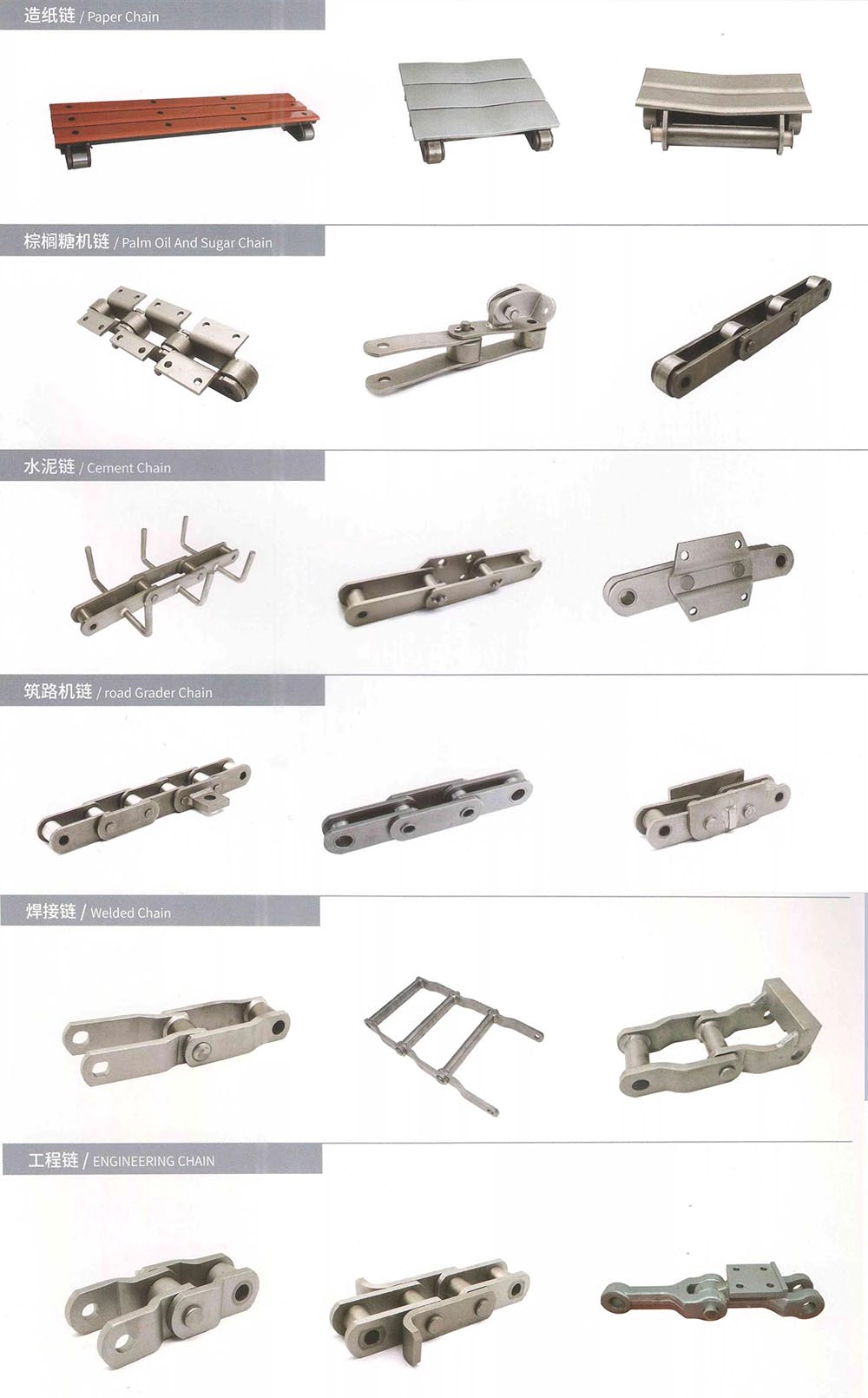
Advantages and disadvantages of roller chains
If you need to lift heavy objects, you should know how to use a roller chain. Its simple design and simplicity make it ideal for a wide range of applications. This article will discuss the advantages and different types of applications of roller chains. After reading this article, you will be able to choose the type of roller chain that best suits your specific needs. In the next section, we’ll discuss how to deal with it.
Put on
How to measure the wear of a roller chain? There are several methods available, but the most accurate is to use a wear gauge kit. The CZPT Chain Wear Indicator Kit measures chain elongation. Compliant with ANSI and British Standards, this tool is critical to the industry chain and can help you determine when replacement is required. Improper chain maintenance can cause equipment to slip or perform poorly, resulting in unnecessary downtime.
In addition to measuring the elongation of the roller chain, it is also possible to measure the pitch of the rollers. This measurement represents the ANSI #80 standard for roller chains. Vernier calipers can also be used to measure the pitch of chains. This tool is very useful and also acts as a bottle opener. You can even use it as a wear gauge. This way, you can determine if the roller chain needs to be replaced.
The wear resistance of a roller chain can extend its life by 10% or more. However, proper lubrication and general maintenance are essential to ensure the longest lifespan of your chain. The manufacturing process of a roller chain assembly also plays a crucial role in determining its service life. For longer life, you might consider purchasing a heavy-duty series roller chain with thicker side plates and longer pins. If you need greater working load capacity, you can also consider heavy-duty chains.
High-quality components are critical to the longevity of the roller chain. High-quality roller chain components require precise heat treatment processes. The use of proprietary steel allows the company to manufacture more durable drums. The pins are manufactured to tight tolerances and then undergo a centerless grinding process. This process removes any surface defects, resulting in a mirror finish on the pins. The uniformity of this surface finish also ensures that the load is evenly distributed on the pins, extending the life of the chain.
Material
Among the materials used in roller chains, carbon steel and alloy steel are the most common. However, stainless steel is used in food processing equipment and applications that require lubrication. Other materials used for roller chains include nylon and brass. For more information, see the USACE Material Specification Sheet for more information. You can also find information about the performance of a roller chain by its design. But before choosing one of these materials, consider its pros and cons.
Stainless steel is an excellent choice for roller chains. It is corrosion-resistant and can operate in extreme temperatures without cracking. Stainless steel is a non-magnetic material that can operate in a temperature range of -200 degrees to +700 degrees Fahrenheit. In addition to its corrosion-resistant properties, stainless steel can withstand a variety of environments and can be used in heavy-duty applications. The MEGA series is the strongest stainless steel roller chain in the world.
Application
As the name suggests, a roller chain has 5 basic components: pins, bushings, rollers, and pin chainplates. These components are precision engineered to ensure optimum performance and durability. Typical applications include drives and conveyor belts. The various components of the roller chain can be customized to specific needs. Read on to learn more about how these parts work together. This article presents the advantages and disadvantages of different types of roller chains and discusses their applications.
A roller chain is a form of chain drive consisting of short cylindrical rollers connected together by side links and gears called sprockets. While these devices are simple, they have some limitations. In most cases, sprockets must be designed with a maximum tensile load on one tooth to prevent premature chain failure. Therefore, these chains are less efficient than belt drives with higher inertia.
Roller chains are usually made of carbon or alloy steel, although stainless steel is often used where food processing machinery and lubrication are problematic. Sometimes, nylon and brass are used. The maximum running speed of the roller chain is important for some applications, but it also provides economic benefits for users and manufacturers. The maximum running speed of a roller chain is usually governed by a wear limit, which can vary by application.
The global roller chain market is expected to grow at a CAGR of over 5.4% over the next six years. The research report covers the competitive landscape and key factors influencing the market. The report also analyzes the growth potential, product utilization, and pricing models of key vendors. It also covers the SWOT analysis of the key players in the industry. The study provides a comprehensive market analysis of all these factors and more. It also highlights key players and their strategies and identifies the fastest growing regions for their products and services.
Maintain
Because rollers are exposed to a variety of environments, including snow, rain, and muddy roads, regular maintenance is required to prevent damage. Because they must encounter these elements frequently, frequent inspections are important to prevent rust and other damage. Also, avoid pouring acidic or alkaline cleaning products on the roller chain. Instead, use hot water with hand sanitizer or a disposable toothbrush to clean the rollers. Washing the chain directly with water has little effect.
For small rollers, the workload during the break-in period should not be too large, otherwise, it will cause overheating. The small drum should also be inspected frequently for any unusual appearance, which may indicate that the system is not functioning properly. In this case, the operation must be suspended. Failure to do so could result in serious injury or a facility fire. Additionally, a properly lubricated roller chain is essential to ensure long-term performance.
The surface of the roller is often rusted and scratched. Over time, these little scars can spread to the drive, damaging it. Also, the chain may not be properly spaced and timed. Therefore, it is very important to check regularly to ensure that the chain is in top condition. When the chain wears to 3% or more, the entire roller chain needs to be replaced. Failure to do so may damage the drive, the roller sprocket, or the entire chain.
Given the chain’s processing environment, lubrication is critical to its performance. If the chain is lubricated, it must be re-lubricated frequently. However, lubricated roller chains are susceptible to contamination, especially in the biomass industry. In these environments, airborne organic particles and debris from the biomass industry can contaminate lubricated roller chains. This is why maintenance is important for lubricating roller chains.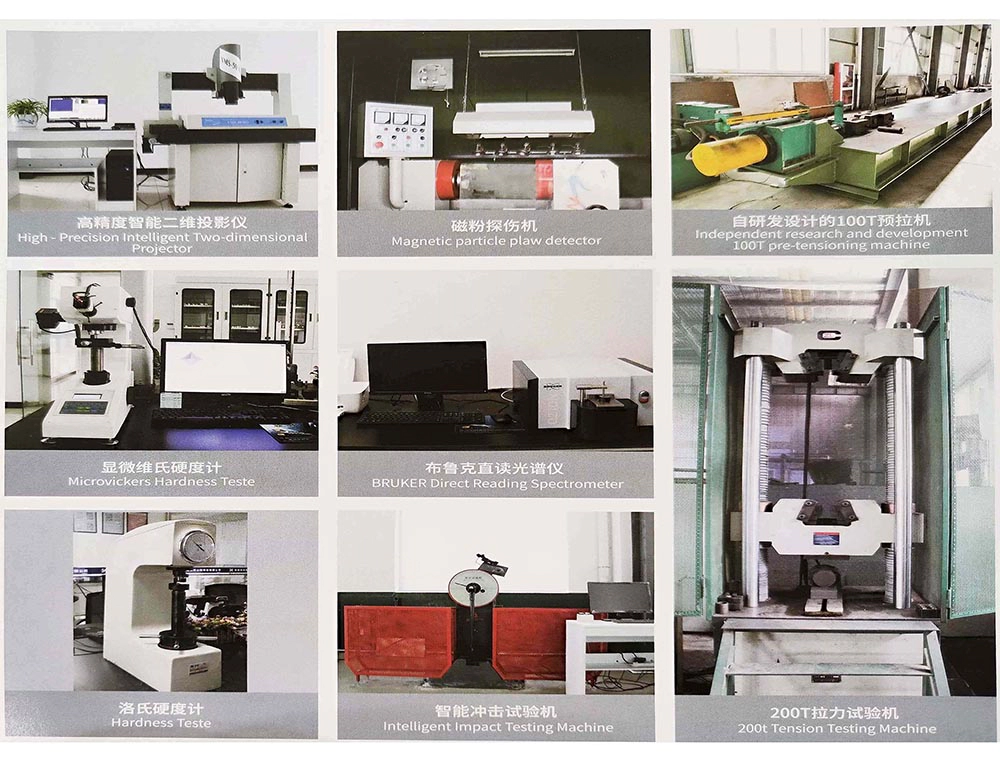
Preloading
The benefits of preloading roller chains are well documented. In general, preloading eliminates the initial elongation of the roller chain, increasing its service life. Preloading is an effective way to achieve this, and a preloading chart can help illustrate the benefits of this process. Chains with little or no preload will stretch significantly during drive start, while chains will stretch rapidly as the surface hardness of the wear parts increases. Additionally, a properly preloaded chain has little or no elongation during the initial start-up of the drive, extending wear life.
Premium manufacturers apply the preload concept during their production phase, aligning all major components at the same time. This approach helps eliminate elongation issues that lead to rapid degradation of the roller chain. If this is not checked, the chain drive will stretch immediately over time. To avoid these problems, it is important to purchase a high-quality preloaded roller chain from a reputable source.
The heat treatment process is an effective way to prevent excessive wear of the roller chain. Heat treatment is a complex process that takes place in a factory during manufacturing. This process helps the rollers maintain high hardness and depth, preventing breakage. When buying a roller chain, make sure that the chain is heat treated and that the chain is manufactured to a high degree of precision. It also ensures that the product can be used for a long time.
In addition to performance benefits, preloading can also reduce initial elongation. A preloaded roller chain will exhibit near linear elongation, whereas a non-preloaded chain will experience rapid elongation. Therefore, they will reach the recommended 3% elongation earlier. Make sure the chain is properly lubricated. Also, consider how the chain is arranged. This is critical for optimal longevity.
editor by CX 2023-06-13