Product Description
Product Description
Series : ANSI SS 40 /SS 50 / SS 60 / SS 80 / SS 100 etc.
Materal : SS 304
Packing : 5M/PCS or 10 FT/PCS Or as your require.
Delivery time : around 35 wworking days.
Product Attribute
| Product name | Transmission Standard Roller Chain |
|
Surface Treatment |
Shot Peening ,Tempering Oiling ,Nickel-plated Grease, zince plated, Heat Treatment ,Stain proofing Carburizing ,Pre-stretched and anti-fatigue ,Quenching |
| Product application | Industry machine,Agriculture, mining, metallurgy, petrochemical industry, lifting and transportation and other industries |
| Product Series |
Series A, Series B, Heavy Duty |
| material |
Stainless steel and carbon steel |
| structure |
Simplex/Duplex/Triplex |
| Port |
Any sea port or airport in China |
| Brand | TV OEM |
| Payment |
L/C, T/T, D/P, Western Union |
| Package |
Chain, Plastic Bag, Color Box, Wooden Case. or OEM |
| A Series | 03C,04C-1,06C-1,085-1,08A-1,10A-1,12A-1,16A-1,20A-1,24A-1,28A-1,32A-1,36A-1,40A-1,48A-1.
15,25,35,41,40,50,60,80,100,120,140,160,180,200,240 |
| 04C-2,06C-2,085-2,08A-2,10A-2,12A-2,16A-2,20A-2,24A-2,28A-2,32A-2,36A-2,40A-2,48A-2.
25-2,35-2,41-2,40-2,50-2,60-2,80-2,100-2,120-2,140-2,160-2,180-2,200-2,240-2. |
|
| 04C-3,06C-3,085-3,08A-3,10A-3,12A-3,16A-3,20A-3,24A-3,28A-3,32A-3,36A-3,40A-3,48A-3.
25-3,35-3,41-3,40-3,50-3,60-3,80-3,100-3,120-3,140-3,160-3,180-3,200-3,240-3. |
|
| B Series | 05B-1,06B-1,08B-1,10B-1,12B-1,16B-1,20B-1,24B-1,28B-1,32B-1,40B-1,48B-1,56B-1,64B-1,72B-1. |
| 05B-2,06B-2,08B-2,10B-2,12B-2,16B-2,20B-2,24B-2,28B-2,32B-2,40B-2,48B-2,56B-2,64B-2,72B-2. |
|
| 05B-3,06B-3,08B-3,10B-3,12B-3,16B-3,20B-3,24B-3,28B-3,32B-3,40B-3,48B-3,56B-3,64B-3,72B-3. |
|
| Heavy Duty | 08AH-1,10AH-1,12AH-1,16AH-1,20AH-1,24AH-1,28AH-1,32AH-1,36AH-1,40AH-1,48AH-1
35H,40H,50H,60H,80H,100H,120H,140H,160H,180H,200H,240H |
| 12AH-2,16AH-2,20AH-2,24AH-2,28AH-2,32AH-2,40AH-2,
35H-2,40H-2,50H-2,60H-2,80H-2,100H-2,120H-2,140H-2,160H-2,180H-2,200H-2,240H-2. |
|
| 12AH-3,16AH-3,20AH-3,24AH-3,28AH-3,32AH-3,40AH-3
35H-3,40H-3,50H-3,60H-3,80H-3,100H-3,120H-3,140H-3,160H-3,180H-3,200H-3,240H-3. |
|
| Double pitch Series |
208A,208B,210A,210B,212A,212B,216A,216AH,216B,220A,220B,224A,224B,228B,232B
2040,2050,2060,2080,2080H,2100,2120 |
| We also carry out OEM according to your requirements | |
Product Parameters
Our Advantages
Company advantages:
Own Import & Export License, The TV trade mark registered successfully in many countries, Sales network spread all over China, Products export to 65 countries in 5 continents.
Membership:
1. The member of China General Machine Components Industry Association.
2. The member of China Chain Transmission Association.
3. The member of China Chain Standardization Association.
4. The member of China Agricultural Association Machinery Manufacturers.
With our excellent trained staffs and workers, advanced and efficient equipments, completely sales network, strict QA systems. You are confidence that our premium qualified chain can meet all customers’ specification and strictest quality standards.
WHY CHOOSE US
Comprehensive Product Portfolio We produce and supply a wide range of power transmission
products including drive chains, leaf chains, conveyor chains, agricultural chains, sprockets, and
couplings. This one-store-for-all shopping experience will significantly reduce your searching costs while
guarantee youfind what you want at 1 click.
Value Choice Products Our products are the best combination of quality and price, and you get what
you want within your budgets
Seasoned Sales Associates and Engineers We have 15 seasoned sales associates and 5 engineers;
on our team at your disposal any time when you need a helping hand. They are well trained with industry
know-now and will always respond to your requests within 24 hours.
100% Customer Retention Rate Our regular customers from overseas come back not just for our
premium quality products, but for the superior services that we’ve provided over the years.
FAQ
Q1: What’s your average lead time?
A: It varies. Our regular end-to-end lead time is 1-2 months.. We also provide express shipments for rush orders. For details,please consult our sales associate.
Q2: Is your price better than your competitors given the same quality?
A: Definitely YES. We provide the most competitive price in the power transmission industry. If price disparity exists, we’ll be more than happy to do a price match.
Q3: Can you make chains according to my CAD drawings?
A: Yes. Besides the regular standard chains, we produce non-standard and custom-design products to meet the specific technical requirements. In reality, a sizable portion of our production capacity is assigned to make non-standard products.
Q4: Can we inspect the goods before shipment?
A: Yes. You or your representative or any third-party inspection party assigned is allowed access to our facility and do the inspection.
Q5: What kind of payment method is acceptable for your mill?
A: We’re flexible. We take T/T, L/C, or any other online payment methods so long as it’s applicable for you.
Q6: What if I have any other questions?
A: Whenever in doubt, you’re always encouraged to consult our sales associate any time – They will help you to your satisfaction.
|
Shipping Cost:
Estimated freight per unit. |
To be negotiated |
|---|
| Standard or Nonstandard: | Standard |
|---|---|
| Application: | Textile Machinery, Conveyer Equipment, Packaging Machinery, Food Machinery, Mining Equipment |
| Surface Treatment: | SS304 |
| Samples: |
US$ 5/Meter
1 Meter(Min.Order) | Order Sample |
|---|
| Customization: |
Available
| Customized Request |
|---|

What are the key components of a gripper chain system?
A gripper chain system consists of several key components that work together to facilitate the gripping and conveying of items. These components include:
- Gripper Chain: The gripper chain itself is the central component of the system. It is a continuous loop of interconnected links, typically made of metal or plastic. The chain features integrated grippers or attachments that securely hold and transport items during the conveying process.
- Gripper Attachments: Gripper attachments are the specialized components attached to the chain at regular intervals. They come in various shapes and designs, depending on the application requirements. Gripper attachments are responsible for gripping and releasing the items being conveyed.
- Drive System: The drive system consists of the motor, gearbox, and other power transmission components that provide the necessary driving force to move the gripper chain. It ensures smooth and controlled motion of the chain throughout the conveying process.
- Tensioning System: To maintain proper tension and prevent slack in the gripper chain, a tensioning system is used. It typically includes tensioning devices such as tensioners, idlers, or tensioning sprockets that help keep the chain taut and ensure reliable operation.
- Support Structure: The gripper chain system requires a support structure to hold and guide the chain along the desired conveying path. This structure may include guide rails, support brackets, and other components that provide stability and alignment for the chain.
- Control System: The control system includes sensors, actuators, and a programmable logic controller (PLC) or a computerized control unit. It regulates the speed, direction, and operation of the gripper chain system, allowing for precise control and coordination of the conveying process.
- Safety Features: Gripper chain systems often incorporate safety features to protect operators and prevent accidents. These features may include emergency stop buttons, safety interlocks, protective enclosures, and sensors to detect any abnormalities or hazards during operation.
By combining these key components, gripper chain systems provide efficient and reliable conveying of items in a wide range of industrial applications.

How do gripper chains handle heavy loads?
Gripper chains are specifically designed to handle heavy loads in various material handling applications. Here’s a more detailed explanation:
Gripper chains consist of sturdy chain links that are capable of supporting and carrying heavy items along a conveyor system. The gripper fingers or jaws, attached to the chain links, provide a secure grip on the products, ensuring they remain firmly held during transport.
When it comes to handling heavy loads, gripper chains offer several features and mechanisms to ensure reliable performance:
- Robust Construction: Gripper chains are constructed using high-strength materials such as alloy steel or stainless steel. These materials provide excellent durability and load-bearing capacity, enabling the chains to withstand heavy loads without deformation or failure.
- Enhanced Grip Strength: Gripper chains are equipped with gripper fingers or jaws that are designed to provide a strong and secure grip on heavy items. The gripping surfaces are often made of materials with high friction coefficients, ensuring optimal grip even under heavy load conditions.
- Adjustable Grip Force: Gripper chains allow for adjustable grip force, allowing the operator to set the appropriate level of gripping strength based on the weight and nature of the load. This flexibility ensures that heavy items are securely held without excessive pressure that could damage the products.
- Load Distribution: Gripper chains distribute the load evenly across multiple chain links, minimizing stress concentration on individual components. This design feature enhances the chain’s ability to handle heavy loads by spreading the weight over a larger surface area, reducing the risk of chain failure or damage.
- Anti-slip Mechanisms: Gripper chains often incorporate anti-slip features such as serrated or textured gripping surfaces on the fingers or jaws. These features enhance the chain’s grip on heavy items and prevent slippage, ensuring safe and secure transport.
By incorporating these design elements and features, gripper chains are able to effectively handle heavy loads in material handling applications. They provide reliable and secure gripping, ensuring the safe transportation of heavy items throughout the conveyor system.

What is a gripper chain and how is it used?
A gripper chain, also known as a grip chain or gripper conveyor chain, is a type of roller chain designed specifically for gripping and transporting items in a controlled manner. It is commonly used in various material handling and conveyor systems. Here’s a detailed answer to the question:
A gripper chain consists of a series of interconnected links, typically made of steel, that have special gripper attachments or fingers. These gripper attachments are strategically positioned along the chain and are designed to securely hold items during transportation.
The gripper attachments on the chain can take different forms depending on the application requirements. They may have curved or flat surfaces, hooks, or other specialized shapes to accommodate the specific shape and size of the items being handled. The gripper attachments are typically made of durable materials such as plastic or metal to ensure reliable gripping and longevity.
Gripper chains are used in various industries and applications where precise control and secure transportation of items are necessary. Some common uses include:
- Material Handling: Gripper chains are utilized in material handling systems to transport items such as bags, boxes, trays, or components between different stages of production or processing. The gripper attachments securely grip the items, preventing slippage or damage during movement.
- Packaging: Gripper chains are often employed in packaging machinery to control the movement of products through the packaging process. They ensure precise positioning and orientation of items, allowing for accurate packaging and labeling.
- Assembly Lines: Gripper chains facilitate the assembly process by carrying and positioning components or parts at various workstations. They enable the controlled transfer of items, ensuring the smooth flow of production and minimizing the risk of errors.
- Conveyor Systems: Gripper chains are used in conveyor systems where items need to be conveyed at specific intervals or in a synchronized manner. The gripper attachments engage with the items, holding them securely as they are transported along the conveyor.
Gripper chains offer several advantages in these applications. They provide a reliable and efficient method for gripping and transporting items, ensuring precise control and minimizing the risk of slippage or mishandling. The design of gripper chains allows for customization to suit specific application requirements, including the size, shape, and weight of the items being transported.
It’s important to select the appropriate gripper chain based on factors such as load capacity, speed requirements, and environmental conditions. Regular inspection and maintenance, including lubrication and tension adjustment, help ensure optimal performance and extend the lifespan of the gripper chain in the intended application.


editor by CX 2023-07-25
China Hot selling Ordinary Medium Link Chain SUS304 Stainless Steel
Product Description
Service: Your inquiry will be replied within 12 hours.
Place of origin: ZheJiang , China.
Brand: Yuantong
Material: Carton steel ( Iron, Alloy Steel 20Mn2, 25MNV).
Surface: Electro Galvanized (Hot Dip Galivanized,
Polished, Self-color).
Standard: Ordinary Mild Steel Link Chain
Grade: G30,G43,g70,G80,G10
Stock: There are emergency stocks for regular sizes.
Sample
The sample is free, the freight should on your
Account before your first order.
Packing method
5/50 kg 1 Gunny bag, several bags on one
Pallet(500kg 1 iron drum, 2drums on a iron
Pallet; Plastic drum+pallet; Plastic/wooden
Roll+pallet.
Yuantong link chain always lead the new development of technologies, new products
And value-added services. Over the years, link chains have been created, applied,
And enable real growth forcustomers into newmarketplaces.
Link chains are widely used in various industries.
1. Decoration; Protection; Lifting; Traction etc.
2. Fishing &boat chain; Mine chain; Cement lifting round chain
We can offer u all kinds of link chain:
1)DIN5685A/C,DIN764,DIN763,DIN766,DIN5686 Link Chain
2)Ordinary Short,Medium Link Chain
3)Korean Standard Link Chain
4)ASTM80 Standard Link Chain
5)Norwegian Standard Link Chain
6)Australian Standard Link Chain
7)NACM1990 Standard Link Chain
8)NACM1996/2003 Standard Link Chain
9)Animal Link Chain
10)Stainless Steel Link Chain
11)Weldless Link Chain
12)G80 Link Chain
13)G43 Link Chain
BUSINESS FAQ:
1) What is the MIN order quantity ?
usually 1 ton.
2)What is the delivery time?
15 -20 days since received the deposit.
3)What is the Payment term?
A. 30% TT deposit, the balance against copy B/L.
B. Irrevocable L/C at sight.
C. Other payment can be negotiated.
4)Could I get free samples before first cooperation?
Yes, of course! But the buyer need to afford express fee, which is returnable once we build cooperation.
5)What’s the packing method?
5/50 kg 1 Gunny bag, several bags on one
Pallet(500kg 1 iron drum, 2drums on a iron
Pallet; Plastic drum+pallet; Plastic/wooden
Roll+pallet.Special packages are available CZPT customers’need. You can contact us for special or more detailed packages.
| Usage: | Transmission Chain, Drag Chain, Conveyor Chain, Dedicated Special Chain, Link Chain |
|---|---|
| Material: | Iron |
| Surface Treatment: | Electroplating |
| Feature: | Heat Resistant |
| Chain Size: | 1/2"*3/32" |
| Structure: | Welded Chain |
| Samples: |
US$ 0/Meter
1 Meter(Min.Order) | |
|---|
| Customization: |
Available
| Customized Request |
|---|
Are there any alternatives to gripper chains for conveying and gripping applications?
In addition to gripper chains, there are several alternatives available for conveying and gripping applications. These alternatives offer different mechanisms and technologies to achieve similar results. Here are some common alternatives to gripper chains:
- Belt Conveyors: Belt conveyors use a continuous loop of flexible material, typically made of rubber or fabric, to transport products. They are commonly used for bulk material handling and can be equipped with gripping attachments or specialized belts for specific gripping applications.
- Vacuum Conveyors: Vacuum conveyors use suction to hold and transport products. They are suitable for handling lightweight or fragile items and offer precise control over product positioning. Vacuum grippers can be attached to the conveyor system to securely hold products.
- Pneumatic Grippers: Pneumatic grippers utilize compressed air to grip and manipulate products. They are often used in applications that require fast and precise gripping, such as pick-and-place operations. Pneumatic grippers can be integrated into conveyor systems for effective product handling.
- Magnetic Conveyors: Magnetic conveyors utilize magnetic fields to attract and move ferrous materials. They are commonly used in applications where precise control and orientation of magnetic objects are required. Magnetic grippers can be employed to grip and manipulate products along the conveyor.
- Robotic Arms: Robotic arms offer high flexibility and versatility in conveying and gripping applications. They are capable of complex movements and can be programmed to handle a wide range of products. Robotic arms are often used in automated manufacturing processes for precise and customizable gripping tasks.
The choice of alternative solutions depends on various factors such as the specific application requirements, product characteristics, desired level of automation, and available budget. Each alternative has its own advantages and considerations, and manufacturers need to evaluate the specific needs of their application to determine the most suitable solution.
How do gripper chains handle heavy loads?
Gripper chains are specifically designed to handle heavy loads in various material handling applications. Here’s a more detailed explanation:
Gripper chains consist of sturdy chain links that are capable of supporting and carrying heavy items along a conveyor system. The gripper fingers or jaws, attached to the chain links, provide a secure grip on the products, ensuring they remain firmly held during transport.
When it comes to handling heavy loads, gripper chains offer several features and mechanisms to ensure reliable performance:
- Robust Construction: Gripper chains are constructed using high-strength materials such as alloy steel or stainless steel. These materials provide excellent durability and load-bearing capacity, enabling the chains to withstand heavy loads without deformation or failure.
- Enhanced Grip Strength: Gripper chains are equipped with gripper fingers or jaws that are designed to provide a strong and secure grip on heavy items. The gripping surfaces are often made of materials with high friction coefficients, ensuring optimal grip even under heavy load conditions.
- Adjustable Grip Force: Gripper chains allow for adjustable grip force, allowing the operator to set the appropriate level of gripping strength based on the weight and nature of the load. This flexibility ensures that heavy items are securely held without excessive pressure that could damage the products.
- Load Distribution: Gripper chains distribute the load evenly across multiple chain links, minimizing stress concentration on individual components. This design feature enhances the chain’s ability to handle heavy loads by spreading the weight over a larger surface area, reducing the risk of chain failure or damage.
- Anti-slip Mechanisms: Gripper chains often incorporate anti-slip features such as serrated or textured gripping surfaces on the fingers or jaws. These features enhance the chain’s grip on heavy items and prevent slippage, ensuring safe and secure transport.
By incorporating these design elements and features, gripper chains are able to effectively handle heavy loads in material handling applications. They provide reliable and secure gripping, ensuring the safe transportation of heavy items throughout the conveyor system.

What are the different types of gripper chains available?
A gripper chain, also known as a grip chain or gripper conveyor chain, comes in various types and configurations to accommodate different application requirements. These types can vary based on the design of the gripper attachments or the specific functionality they offer. Here’s a detailed answer to the question:
1. Curved Finger Gripper Chain: This type of gripper chain features curved fingers or attachments that provide a secure grip on items with curved surfaces or irregular shapes. The curved shape helps conform to the contour of the items, ensuring reliable gripping and preventing slippage during transportation.
2. Flat Finger Gripper Chain: Flat finger gripper chains have flat gripper attachments that are suitable for gripping items with flat surfaces. These chains are commonly used in applications where items need to be held flat or at a specific angle during transport or assembly.
3. Hook Gripper Chain: Hook gripper chains have hook-shaped gripper attachments that are designed to engage with items that have a handle or a hanging point. The hooks securely hold the items, allowing for convenient and controlled transportation.
4. Specialized Gripper Chain: In addition to the above types, there are specialized gripper chains available for specific applications. These may include chains with custom-designed gripper attachments to accommodate unique shapes or sizes of items. They are tailored to meet the specific requirements of the application, providing optimal gripping and transportation capabilities.
When selecting a gripper chain, it’s essential to consider factors such as the shape and size of the items being handled, the weight and load capacity requirements, the speed and precision of transport, and the environmental conditions. Proper selection ensures that the gripper chain performs effectively and reliably in the intended application.
Regular maintenance, including lubrication, tension adjustment, and periodic inspection of the gripper chain, is necessary to ensure optimal performance and extend its lifespan.
editor by CX 2023-07-24
China OEM Short Pitch Precision stainless steel hardware Transmission Motorcycle Industrial Roller Chain
Product Description
Short Pitch Precision Roller Chains
A. Our Services:
1. Any of your kind inquiry about chain would be replied within 24 hours.
2. Well-trained and experienced sales staffs will reply all your concerns in fluent English.
3. OEM services are available with us, our professional designer would make your private idea into being.
4. Protection of your sales area, ideas of design and all your private information.
5. Delivery by air mail or ship for your orders.
6. With years of manufacture and promotion experience in global market, brings you profit and great success!
B.Product Description:
| Style: | Simplex Roller Chains, Duplex Roller Chains, Triplex Roller Chains, Multiple Roller Chains |
| Chain No.: (ANSI/ISO) | 03C, 04C, 06C, 08A, 10A, 12A-~ 48A |
| Chain No.: ( ANSI ) | 15, 25,35,41,40,50 ~ 240 |
| Pitch: | 4.7625 mm ~ 76.200 mm |
C.Company show & Product Process
D. Packaging & Certificate
| Packaging Details: | Chain+Plastic Bag+Neutral Box+Wooden case+Big Carton+Steel Pallets |
| Delivery Detail: | five weeks |
E. FAQ:
1. Are you manufacturer or trade Company?
We are a factory founded in 1991 with trade team for international service.
2. What terms of payment you usually use?
T/T 30% deposit and 70% against document, Western Union, L/C at sight
3. what is your lead time for your goods?
Normally 45 days after confirmed order. 30 days could be available in low season for some items (during May to July), and 65 days during new year and hot season ( Jan to March).
4. Do you attend any Show?
We attend Hannover show in Germany, NMW in Austrilia, Canton fair, PTC, in China and many other special furniture shows.
5. Do you have any instant chat ?
| Usage: | Conveyor Chain |
|---|---|
| Material: | Alloy/Carbon Steel |
| Surface Treatment: | Electroplating |
| Feature: | Heat Resistant |
| Chain Size: | 1/2"*11/128" |
| Structure: | Roller Chain |
| Customization: |
Available
| Customized Request |
|---|

Can gripper chains be used in high-temperature environments?
Gripper chains are generally not recommended for use in high-temperature environments due to the limitations of their materials and construction. Gripper chains typically consist of metal links or plates with gripping elements, and these components may experience mechanical stress and degradation at elevated temperatures.
High temperatures can cause the materials of the gripper chain to weaken, leading to reduced strength, increased wear, and potential failure. Additionally, the lubricants used on the chains may break down or evaporate at high temperatures, further compromising their performance.
For high-temperature applications, alternative solutions such as heat-resistant conveyor belts, ceramic gripper systems, or specialized high-temperature conveying technologies are more suitable. These alternatives are specifically designed to withstand and operate effectively in extreme temperature conditions.
It is important to consider the specific temperature requirements and limitations of the gripper chain system. Manufacturers should consult with experts or suppliers who specialize in high-temperature conveying and gripping solutions to ensure the selection of an appropriate system that can withstand the intended operating conditions.

Are gripper chains suitable for vertical lifting applications?
Gripper chains are generally not recommended for vertical lifting applications due to their design and functionality. Gripper chains are primarily designed for conveying and gripping items in horizontal or slightly inclined orientations. Here are some factors to consider:
1. Gripper Attachment Orientation: Gripper chains are designed to grip items from the sides or top, relying on the force of gravity to maintain the grip. In a vertical lifting application, the force acting on the grippers would be in the opposite direction, potentially causing the items to slip or disengage from the grippers.
2. Gripper Holding Capacity: Gripper chains are typically designed to hold items against the force of gravity while being transported horizontally. The gripping mechanism may not be optimized for lifting heavy loads vertically. The weight of the lifted items can put excessive stress on the gripper attachments and compromise their gripping ability.
3. Control and Stability: Vertical lifting applications often require precise control and stability to ensure safe and accurate positioning of the lifted items. Gripper chains may not provide the necessary level of control and stability for vertical lifting, as their design primarily focuses on horizontal conveying rather than vertical lifting.
In applications that involve vertical lifting, alternative lifting mechanisms such as hoists, lifts, or specialized lifting chains are typically more suitable and designed specifically for vertical load handling. These systems offer enhanced lifting capabilities, control, and safety features required for vertical lifting operations.
Therefore, while gripper chains excel in horizontal conveying applications, they are not the optimal choice for vertical lifting. It is important to select the appropriate lifting mechanism based on the specific requirements and considerations of the vertical lifting application.
How do you select the right gripper chain for a specific application?
Choosing the right gripper chain for a specific application involves considering several factors to ensure optimal performance and reliability. Here’s a detailed answer:
- Load Capacity: Evaluate the maximum weight and size of the items to be gripped and transported by the chain. Select a gripper chain that can safely handle the anticipated load without excessive strain.
- Gripping Method: Determine the preferred gripping method for your application, such as clamping, pinching, or suction. Ensure the gripper chain design aligns with the desired gripping mechanism.
- Speed and Precision: Consider the required speed and precision of item handling. Some gripper chains are designed for high-speed applications, while others offer more precise positioning capabilities.
- Environmental Conditions: Evaluate the operating environment for factors such as temperature, humidity, dust, or chemical exposure. Choose a gripper chain that is resistant to corrosion, abrasion, and other environmental challenges.
- Chain Material: Select a chain material that is suitable for the application’s requirements. Common materials include stainless steel for its corrosion resistance, carbon steel for general-purpose applications, and specialty plastics for lightweight and non-marring applications.
- Chain Size and Configuration: Determine the appropriate chain size based on the anticipated load and gripping requirements. Consider factors such as chain pitch, link width, and overall chain length. Additionally, select the appropriate gripper configuration, such as finger-style, jaw-style, or custom-designed grippers.
- Compatibility: Ensure compatibility between the gripper chain and the associated equipment, such as conveyor systems, robotic arms, or gripper mechanisms. Consider factors such as mounting options, attachment methods, and integration with existing equipment.
- Maintenance and Serviceability: Evaluate the ease of maintenance and serviceability of the gripper chain. Look for features such as removable or replaceable gripper fingers, accessible lubrication points, and ease of chain tension adjustment.
By considering these factors and consulting with gripper chain manufacturers or suppliers, you can select the right gripper chain that meets the specific requirements of your application, ensuring efficient and reliable item handling and gripping.
editor by CX 2023-07-24
China manufacturer High Strength U. S. /U. K/German Stainless Steel/Carbon/Alloy Steel Link/Tire Chain for Boom/Anchor/Mine/Load/Antiskid with CE/ISO/Mtc/BV/CCS Certificate
Product Description
High Strenhtg CZPT Lifting Chain:
Size: 6mm-42mm
Material: Alloy steel, high tensile, heat treated.
Surface treatment: Galvanized, Black painted, Self color, Polishing, Powder coated
Color: Self color, Red , grey, green, as to your request
Application: Ship, iron and steel industry, petroleum chemical industry, coal mine
The product has passed the environmental management system certification, and can handle the product certification of CZPT classification societies such as CCS, LR, DNV, etc. The product has high strength, light weight, exquisite design, strong versatility, diverse functions, and convenient safety inspection
Technical Specification( Load chain):
| Size(mm) | Min inside width | Max outside width | Weight(kg/m) | working load(KN) | test load(KN) | test load(KN) |
| 6*18 | 7.5 | 21 | 0.79 | 11 | 27 | 45.2 |
| 7*21 | 9 | 24.5 | 1.07 | 15 | 37 | 61.6 |
| 8*24 | 10 | 28 | 1.38 | 20 | 48 | 80.4 |
| 9*27 | 11.5 | 30 | 1.9 | 24.5 | 61 | 102 |
| 10*30 | 12.5 | 35 | 2.2 | 32 | 76 | 125 |
| 12*36 | 15.5 | 42.2 | 3.3 | 49 | 117 | 196 |
| 13*39 | 16.3 | 46 | 3.8 | 50 | 128 | 214 |
| 14*42 | 18 | 49 | 4.13 | 63 | 150 | 250 |
| 16*48 | 20 | 56 | 5.63 | 80 | 192 | 320 |
| 18*54 | 23 | 63 | 6.85 | 100 | 246 | 410 |
| 20*60 | 25 | 70 | 8.6 | 125 | 300 | 500 |
| 22*66 | 28 | 77 | 10.5 | 153 | 366 | 610 |
| 24*72 | 32 | 82 | 12.78 | 180 | 432 | 720 |
| 26*78 | 35 | 91 | 14.87 | 213 | 510 | 650 |
| 30*90 | 38 | 105 | 19.6 | 283 | 678 | 1130 |
| 32*96 | 40 | 106 | 22.29 | 322 | 772 | 1289 |
| 34*102 | 46.5 | 121.5 | 25.5 | 363 | 870 | 1450 |
| 36*108 | 49.5 | 128.5 | 31 | 407 | 978 | 1630 |
| 38*114 | 52 | 136 | 32 | 453 | 1086 | 1810 |
| 42*126 | 55.5 | 144.5 | 38.6 | 554 | 1332 | 2200 |
Lifting chain standard
| Lifting chain application | High precision calibration face, lifting chain. |
| Lifting material | High quality alloy steel. |
| Lifting chain surface | Polishing, black , dipped plastic ,electroplate. |
| Lifting chain manufacturing standard | ISO3077,EN818-2,AS2321 |
| Lifting chain strength standard | Level 80 ,level 70,level 30 |
| Lifting chain safe ensuience | Four times as safe, 4 times test load |
Product Details
01 Material
Alloy steel, high tensile, heat treated.
02 Light Weight
Exquisite design, convenient use and safety testing.
03 Application
Ship, iron and steel industy, petroleum chemical industy, coal mine.
04 Famous Certification
Can apply for the certification of CCS, LR, DNV and other CZPT classification societies.
05 Various Color
Red, grey, green, as to your request.
This is just a part of our products. If you want to know more about our products and models, please send us an email
Company Profile
Founded in 1998, HangZhou Fuster Rigging Co., Ltd., formerly known as Xihu (West Lake) Dis. Chain Factory, is located in Xihu (West Lake) Dis. County of ZheJiang Province known as “The Gem City of China”, and specializes in producing and marketing chain and rigging related products at home and abroad.
Our company has independent import and export operating rights, and can handle the certifications of CCS, LR, DNV and other famous classification societies for products. Our products are sold to dozens of countries such as Europe, America and Middle East as well as more than 10 provincial and municipal regions in China, and are widely applied to the fields of ships, steel, petrochemical industry, coal mine, etc.
In the principle of “Quality-honoring & Promise-keeping”, our company meets the requirements of all the customers through service innovation, changes the original production state through technical innovation, improves the product quality through process innovation, and continuously goes to standardization, elaboration, process and scientification through the business thought of constant innovation.
Absolute CZPT will move a heart of stone. Our company is willing to cooperate with domestic and foreign new/old customers in utmost sincerity, to create a common future!
Our Advantages:
1.Rich experience for international business
2.Prompt delivery
3.Quality control
4.Small orders are acceptable
5.Strong ability for R&D
“Soliciting clients in earnest, Win reputation by quality.”For a long time, we attach great importance to the friendly cooperation with customers, ensure quality and service, cherish the honor, so as to win the trust and support of customers.Extensive cooperation with friends, sharing prosperity, has become our most sincere pursuit.
Quality Assurance & Inspection:
We guarantee the quality,not just because we have a complete rigorous management, production and inspection processes to control the quality and avoid detail mistake, but also we attach much importance to customers’ satisfactory of product quality. What’s more, Mill Test Certificate can be provided for general products, and most of our products are approved by CCS, ABS, DNV, BV, NKK, KR, LR, GL, RINA etc.
How do we control quality:
a) Pay attention to adaptation for manufacture process
b) Approval report for shipment
c) Third party inspection is accepted
d) Keeping quality guarantee for a long period
e) Guaranteeing quality inspection of each product before assembly and packing.
f) Comply with ISO 9001
Packaging & Delivery:
Packing details:
Bulk packing
Packed in wooden cases
Packed in Iron drum, then in pallets
According to your requirements
Delivery Detail: Usually 30 days after receiving your irrevocable L/C or advance payment.
FAQ
1.How long is your delivery time?
A: Generally it is 5-10 work days if the goods are in stock. or it is 15-20 work days if the goods are not in stock, it is according to quantity.
2.What is your terms of payment ?
A: Payment=1000USD, 30% T/T in advance ,balance before shippment.
3.What products do you supply?
As mentioned above, HangZhou CZPT Factory is capable of supplying:
√All kinds of marine supplies
√Chains
√Rigging hardwares
√Fasteners
√related hardwares
4.How do I receive the goods?
With our professional transport agents, we are capable of delivery products to most ports all over the world.Door-to-door service is also supported.
FOB, C&F, CIF are most commonly used trade terms.
5.Can you give warranty of your products?
A: Yes, we extend a 100% satisfaction guarantee on all items. Please feel free to feedback immediately if you are not pleased with our quality or service.
6.Where are you? Can I visit you?
A: Sure,welcome to you visit our factory at any time.
|
Shipping Cost:
Estimated freight per unit. |
To be negotiated |
|---|
| Usage: | Transmission Chain, Drag Chain, Conveyor Chain, Dedicated Special Chain, Lifting Chain |
|---|---|
| Material: | Alloy |
| Surface Treatment: | Baking Paint |
| Samples: |
US$ 0/Meter
1 Meter(Min.Order) | Order Sample |
|---|
| Customization: |
Available
| Customized Request |
|---|
How do gripper chains handle product accumulation and spacing?
Gripper chains are designed to handle product accumulation and spacing in conveyor systems efficiently. Here’s a detailed explanation of how gripper chains accomplish this:
Gripper chains use specialized gripper elements or attachments that securely hold and move products along the conveyor. These gripper elements are strategically placed on the chain at specific intervals to create gaps or spacing between the products.
Product accumulation:
Gripper chains allow for controlled product accumulation when there is a temporary interruption in the downstream processing or when the downstream equipment operates at a slower speed. The gripper elements are designed to hold the products securely in place while allowing them to accumulate without causing any damage or jamming. The spacing between the gripper elements determines the capacity for product accumulation.
When the downstream process resumes or the equipment speeds up, the gripper chain system releases the accumulated products in a controlled manner, ensuring smooth and continuous movement along the conveyor.
Product spacing:
Gripper chains also play a crucial role in maintaining consistent spacing between products on the conveyor. The gripper elements are designed to position and hold the products at a predetermined distance from each other. This controlled spacing is important in applications where product orientation, inspection, labeling, or other processing steps require a specific gap between the products.
The design of the gripper elements, including their shape, size, and grip strength, is optimized to securely hold the products while allowing for precise spacing. The spacing between the gripper elements can be adjusted to meet the requirements of the application.
Overall, gripper chains provide a reliable and efficient method for product accumulation and spacing in conveyor systems. They ensure proper product flow, prevent jamming, and enable smooth and controlled movement, ultimately enhancing the productivity and efficiency of the handling or processing operation.
Are there any safety considerations when working with gripper chains?
Working with gripper chains requires adherence to safety protocols to prevent accidents and ensure the well-being of personnel. Here are some important safety considerations:
1. Training and Education: Ensure that operators and maintenance personnel receive proper training on the safe use, handling, and maintenance of gripper chains. They should be familiar with the equipment’s operation, safety procedures, and emergency protocols.
2. Protective Equipment: Personnel working with gripper chains should wear appropriate personal protective equipment (PPE) such as safety glasses, gloves, and protective clothing. This safeguards against potential hazards like sharp edges, pinch points, or flying debris.
3. Lockout/Tagout Procedures: Implement lockout/tagout procedures when performing maintenance or repair tasks on equipment involving gripper chains. This ensures that machinery is de-energized and cannot be accidentally started, reducing the risk of injury.
4. Machine Guarding: Install proper machine guarding to prevent accidental contact with moving parts, including gripper chains. Use barriers, shields, or enclosures to minimize the risk of injury caused by inadvertent contact.
5. Proper Lifting Techniques: When handling heavy gripper chains or related components, employ proper lifting techniques to avoid strains or injuries. Use lifting equipment, such as cranes or hoists, if necessary.
6. Regular Inspections: Conduct routine inspections of gripper chains to identify any signs of wear, damage, or misalignment. Address any issues promptly to prevent accidents or equipment failure.
7. Safe Work Practices: Follow safe work practices, such as keeping hands and clothing clear of moving parts, avoiding reaching into the machinery during operation, and using tools or equipment only for their intended purposes.
8. Emergency Preparedness: Have clear emergency procedures in place, including evacuation plans and access to first aid kits. Train personnel on emergency response protocols and ensure that they are aware of emergency stop buttons or switches.
9. Read and Follow Manuals: Familiarize yourself with the manufacturer’s instructions, safety guidelines, and warnings provided in the equipment manuals. Adhere to their recommendations and limitations.
It is essential to prioritize safety when working with gripper chains to mitigate potential risks and create a safe working environment for all personnel involved.

What are the advantages of using a gripper chain in conveyor systems?
Using a gripper chain in conveyor systems offers several advantages that enhance the efficiency and effectiveness of material handling processes. Here are the detailed benefits:
- Improved Grip: Gripper chains are specifically designed to provide a secure grip on items being transported. They utilize gripper fingers or jaws that can securely hold various shapes, sizes, and weights of objects, minimizing the risk of slippage or product damage during transportation.
- Versatile Handling: Gripper chains offer versatility in handling different types of items. They can effectively handle products with irregular shapes, delicate surfaces, or varying dimensions, ensuring reliable and stable transport throughout the conveyor system.
- Flexible Application: Gripper chains can be utilized in various industries and applications, including packaging, assembly lines, automotive, pharmaceuticals, and food processing. Their adaptability makes them suitable for a wide range of product types and conveyor configurations.
- Accurate Positioning: Gripper chains enable precise positioning of items along the conveyor system. The gripper fingers or jaws can be designed to open and close at specific points, allowing for accurate placement or transfer of products onto subsequent conveyors or workstations.
- High Throughput: Gripper chains can facilitate high-speed conveying operations, ensuring efficient material flow and increased productivity. Their reliable grip and quick release mechanisms enable rapid item transfer, reducing cycle times and maximizing throughput.
- Reduced Product Damage: The secure grip provided by gripper chains minimizes the risk of product damage during transportation. The gripper fingers or jaws can be designed with materials or coatings that prevent marring or scratching delicate surfaces, ensuring the integrity and quality of the transported items.
- Enhanced Safety: Gripper chains enhance safety in conveyor systems by reducing the likelihood of items falling or becoming dislodged during transportation. This helps prevent accidents, product losses, and disruptions in the production process.
- Easy Integration: Gripper chains can be easily integrated into existing conveyor systems or customized to meet specific application requirements. They can be designed to fit various conveyor widths, pitches, and attachment methods, allowing for seamless integration and compatibility.
- Durable and Reliable: Gripper chains are built to withstand the rigors of industrial environments. They are constructed from high-quality materials such as stainless steel or hardened carbon steel, ensuring durability, longevity, and reliable performance even in demanding operating conditions.
By utilizing gripper chains in conveyor systems, businesses can achieve efficient, precise, and reliable material handling, leading to improved productivity, reduced product damage, and enhanced overall operational efficiency.
editor by CX 2023-07-21
China best ISO/ANSI/DIN Standard Short Pitch Precision Stainless Steel Hardware Transmission Motorcycle Industrial Roller Chain
Product Description
ISO/ANSI/DIN Standard Short Pitch Precision Stainless Steel Hardware Transmission Motorcycle Industrial Roller Chain
Product Description
1. Material: Stainless Steel 304 & 316 / Alloy Carbon Steel
2. Surface Treatment: Shot peening / Zinc-plated / Nickel-plated / Dacromet-plated
3. Chain No:
35SS-1, 40SS-1, 50SS-1, 60SS-1, 80SS-1, 100SS-1, 120SS-1, 140SS-1;
35SS-2, 40SS-2, 50SS-2, 60SS-2, 80SS-2, 100SS-2, 120SS-2, 140SS-2;
35SS-3, 40SS-3, 50SS-3, 60SS-3, 80SS-3, 100SS-3, 120SS-3, 140SS-3;
4. Application: Stainless Steel Chains are used in so many industries, such as machine manufacturing, food machine, etc. Also are suitable for high and low temperature conditions.
5. Characteristic:
1. The chain can be used on the both sides of multi-axle transmission.
2. Easy installation and replacement.
3. It can obtain larger reduction ratio.
4. The roller chain has good elasticity, high strength and each hinge part has lubricating oil, so it can be stored easliy. Thus, compared with the rigid contact tooth, it has good cushioning and vibration absorbing ability.
| Product name | Stainless Steel Roller Chain From China |
| Materials Available | 1. Stainless Steel: SS304, SS316, etc |
| 2. Alloy Steel: 45Mn, 42CrMo, 20CrMo, etc | |
| 3. OEM according to your request | |
| Surface Treatment | Shot peening, Blackening, Oxygenation, Polishing, Zinc-plated, Nickel-plated, Anodized, etc. |
| Characteristic | Fire Resistant, Oil Resistant, Heat Resistant |
| Design criterion | ISO DIN ANSI & Customer’s Drawing |
| Size | Customer’s Drawing & ISO standard |
| Package | Wooden Case / Container and pallet, or made-to-order |
| Certificate | ISO9001: 2008 |
| Advantage | First quality, Best service, Competitive price, Fast delivery |
| Delivery Time | 20 days for samples. 45 days for official order. |
Detailed Photos
View more products,please click here…
Company Profile
| Usage: | Transmission Chain |
|---|---|
| Material: | Stainless steel |
| Structure: | Roller Chain |
| 80-1: | 1" |
| Size: | 50ss-1 |
| Other: | Corrosion Resistance |
| Samples: |
US$ 0/Meter
1 Meter(Min.Order) | |
|---|
| Customization: |
Available
| Customized Request |
|---|

How do gripper chains handle product orientation and positioning?
Gripper chains are specifically designed to handle product orientation and positioning tasks in various industrial applications. These chains utilize specialized gripper attachments that securely hold and manipulate the products as they move along the conveying system. Here’s a detailed explanation of how gripper chains handle product orientation and positioning:
- Gripper Attachment Design: Gripper chains feature specially designed attachments or gripper fingers that are strategically positioned along the chain. These grippers are engineered to securely hold and manipulate the products during the conveying process.
- Flexible Gripper Configurations: Gripper chains can be configured in different arrangements to accommodate various product shapes and sizes. The gripper attachments can be customized to match the specific requirements of the application, allowing for effective product orientation and positioning.
- Precision and Control: Gripper chains offer precise control over the product positioning. The gripper attachments can be designed to exert the required amount of force to hold and manipulate the products without causing damage or misalignment.
- Adjustability: Some gripper chain systems feature adjustable gripper attachments that allow for quick and easy adaptation to different product sizes or orientations. This flexibility enables efficient handling of a wide range of products within the same conveying system.
- Smooth and Consistent Movement: Gripper chains are designed to ensure smooth and consistent movement of the products. This helps in maintaining the desired product orientation and positioning throughout the conveying process, minimizing the risk of misalignment or errors.
- Integration with Control Systems: Gripper chains can be integrated with control systems that provide precise coordination between the chain movement and the product manipulation. This allows for seamless product orientation and positioning based on the desired workflow or operational requirements.
Overall, gripper chains offer reliable and efficient handling of products, ensuring accurate orientation and positioning during the conveying process. By selecting the appropriate gripper chain design, gripper attachments, and control system integration, manufacturers can achieve precise control and consistency in product handling tasks.
What are the maintenance requirements for gripper chains?
Maintaining gripper chains is essential to ensure their optimal performance and longevity. Here’s a detailed explanation of the maintenance requirements:
1. Regular Cleaning: Gripper chains should be cleaned regularly to remove any debris, dirt, or accumulated residues that can affect their operation. Use a mild detergent or cleaning solution and a brush to clean the chain links, gripper fingers, and jaws. Rinse thoroughly and dry before reinstallation.
2. Inspect for Wear and Damage: Regularly inspect the gripper chains for signs of wear, damage, or deformation. Check for any broken or worn gripper fingers, damaged chain links, or misalignment. Replace any worn or damaged components promptly to prevent further issues.
3. Lubrication: Proper lubrication is essential for smooth operation and reduced friction. Apply lubricant to the chain links and gripper fingers/jaws according to the manufacturer’s recommendations. Use a lubricant specifically designed for high-load and conveyor applications.
4. Tension Adjustment: Check the tension of the gripper chains regularly. Ensure that they are properly tensioned to prevent excessive slack or over-tightening, which can affect the gripping performance and lifespan of the chains. Adjust the tension as needed according to the manufacturer’s guidelines.
5. Replace Worn Components: As gripper chains are subjected to wear during operation, it’s important to monitor the condition of the gripper fingers, jaws, and chain links. Replace any worn or damaged components promptly to maintain the chain’s performance and grip strength.
6. Monitor Alignment: Check the alignment of the gripper chains to ensure they are properly aligned with the sprockets. Misalignment can cause premature wear and reduce the effectiveness of the gripping action. Adjust the alignment as necessary.
7. Operational Environment: Consider the operating environment and take appropriate measures to protect the gripper chains from excessive moisture, extreme temperatures, or exposure to corrosive substances. Implement proper guarding and regular inspections to prevent foreign objects from entering the chain assembly.
8. Follow Manufacturer’s Guidelines: Always refer to the manufacturer’s guidelines and recommendations for specific maintenance procedures, lubrication intervals, and any special considerations for the gripper chains in your particular application.
By following these maintenance requirements, you can ensure that your gripper chains remain in optimal condition, providing reliable gripping performance and prolonging their lifespan.
How do you select the right gripper chain for a specific application?
Choosing the right gripper chain for a specific application involves considering several factors to ensure optimal performance and reliability. Here’s a detailed answer:
- Load Capacity: Evaluate the maximum weight and size of the items to be gripped and transported by the chain. Select a gripper chain that can safely handle the anticipated load without excessive strain.
- Gripping Method: Determine the preferred gripping method for your application, such as clamping, pinching, or suction. Ensure the gripper chain design aligns with the desired gripping mechanism.
- Speed and Precision: Consider the required speed and precision of item handling. Some gripper chains are designed for high-speed applications, while others offer more precise positioning capabilities.
- Environmental Conditions: Evaluate the operating environment for factors such as temperature, humidity, dust, or chemical exposure. Choose a gripper chain that is resistant to corrosion, abrasion, and other environmental challenges.
- Chain Material: Select a chain material that is suitable for the application’s requirements. Common materials include stainless steel for its corrosion resistance, carbon steel for general-purpose applications, and specialty plastics for lightweight and non-marring applications.
- Chain Size and Configuration: Determine the appropriate chain size based on the anticipated load and gripping requirements. Consider factors such as chain pitch, link width, and overall chain length. Additionally, select the appropriate gripper configuration, such as finger-style, jaw-style, or custom-designed grippers.
- Compatibility: Ensure compatibility between the gripper chain and the associated equipment, such as conveyor systems, robotic arms, or gripper mechanisms. Consider factors such as mounting options, attachment methods, and integration with existing equipment.
- Maintenance and Serviceability: Evaluate the ease of maintenance and serviceability of the gripper chain. Look for features such as removable or replaceable gripper fingers, accessible lubrication points, and ease of chain tension adjustment.
By considering these factors and consulting with gripper chain manufacturers or suppliers, you can select the right gripper chain that meets the specific requirements of your application, ensuring efficient and reliable item handling and gripping.
editor by CX 2023-07-21
China wholesaler Chains Supplier Customized Stainless Steel Short Pitch Precision (A series) Single Roller Chain
Product Description
Product Description
Product Parameters
| Standard | GB, ISO, ANSI, DIN |
| Type | Standard A and standard B precision roller chain, conveyor chain; |
| special chain with accessories, welding chain, leaf chain and sprocket | |
| ANSI chain No. | 40,50,60,80,100,120,140,160,180,200,240; |
| C40,C50,C60,C80,C100,C120,C140,C160; | |
| DIN/ISO chain No. | 08A,10A,12A,16A,20A,24A,28A,32A,36A,40A,48A; |
| C08A,C10A,C12A,C16A,C20A,C24A,C28A,C32A; | |
| Application | Food processing, pharmaceutical and chemical industries, electronics, machinery; |
| household appliances, automotive manufacturing, metallurgy, sewage treatment | |
| Series | A series, B series |
More Products
Advantage
Certifications
DETAILS ABOUT CZPT CHAIN
Exhibition
Workshop
Application
Packaging Details
Shipping
FAQ
1. Are you a manufacturer or trade Company?
We are a factory founded in 1997 with a trade team for international service.
2. What terms of payment do you usually use?
T/T 30% deposit and 70% against document, Western Union, L/C at sight
3. What is your lead time for your goods?
Normally 35 days after confirmed order. 30 days could be available in the low season for some items (during May to July), and 45 days during the new year and hot season ( Jan to March).
4. Samples
For customers who need sample confirmation before ordering, please bear in mind that the following policy will be adopted:
1) All samples are free of charge with a maximum value not exceeding USD 100.
2) The courier cost for the first-time sample sending will be charged by the consignee. We will send the samples with freight to be collected. So please inform your account with FedEx, UPS, DHL, or TNT so that we can proceed promptly.
3) The first-time courier cost will be totally deducted from the contract value of the trial cooperation.
4) OEM/ODM are both available.
| Usage: | Transmission Chain, Conveyor Chain, Dedicated Special Chain |
|---|---|
| Material: | Stainless steel |
| Surface Treatment: | Polishing |
| Feature: | Heat Resistant |
| Chain Size: | 1/2"*3/32" |
| Structure: | Roller Chain |
| Samples: |
US$ 0/Foot
1 Foot(Min.Order) | |
|---|
| Customization: |
Available
| Customized Request |
|---|
How do gripper chains handle product orientation and positioning?
Gripper chains are specifically designed to handle product orientation and positioning tasks in various industrial applications. These chains utilize specialized gripper attachments that securely hold and manipulate the products as they move along the conveying system. Here’s a detailed explanation of how gripper chains handle product orientation and positioning:
- Gripper Attachment Design: Gripper chains feature specially designed attachments or gripper fingers that are strategically positioned along the chain. These grippers are engineered to securely hold and manipulate the products during the conveying process.
- Flexible Gripper Configurations: Gripper chains can be configured in different arrangements to accommodate various product shapes and sizes. The gripper attachments can be customized to match the specific requirements of the application, allowing for effective product orientation and positioning.
- Precision and Control: Gripper chains offer precise control over the product positioning. The gripper attachments can be designed to exert the required amount of force to hold and manipulate the products without causing damage or misalignment.
- Adjustability: Some gripper chain systems feature adjustable gripper attachments that allow for quick and easy adaptation to different product sizes or orientations. This flexibility enables efficient handling of a wide range of products within the same conveying system.
- Smooth and Consistent Movement: Gripper chains are designed to ensure smooth and consistent movement of the products. This helps in maintaining the desired product orientation and positioning throughout the conveying process, minimizing the risk of misalignment or errors.
- Integration with Control Systems: Gripper chains can be integrated with control systems that provide precise coordination between the chain movement and the product manipulation. This allows for seamless product orientation and positioning based on the desired workflow or operational requirements.
Overall, gripper chains offer reliable and efficient handling of products, ensuring accurate orientation and positioning during the conveying process. By selecting the appropriate gripper chain design, gripper attachments, and control system integration, manufacturers can achieve precise control and consistency in product handling tasks.
How do gripper chains handle heavy loads?
Gripper chains are specifically designed to handle heavy loads in various material handling applications. Here’s a more detailed explanation:
Gripper chains consist of sturdy chain links that are capable of supporting and carrying heavy items along a conveyor system. The gripper fingers or jaws, attached to the chain links, provide a secure grip on the products, ensuring they remain firmly held during transport.
When it comes to handling heavy loads, gripper chains offer several features and mechanisms to ensure reliable performance:
- Robust Construction: Gripper chains are constructed using high-strength materials such as alloy steel or stainless steel. These materials provide excellent durability and load-bearing capacity, enabling the chains to withstand heavy loads without deformation or failure.
- Enhanced Grip Strength: Gripper chains are equipped with gripper fingers or jaws that are designed to provide a strong and secure grip on heavy items. The gripping surfaces are often made of materials with high friction coefficients, ensuring optimal grip even under heavy load conditions.
- Adjustable Grip Force: Gripper chains allow for adjustable grip force, allowing the operator to set the appropriate level of gripping strength based on the weight and nature of the load. This flexibility ensures that heavy items are securely held without excessive pressure that could damage the products.
- Load Distribution: Gripper chains distribute the load evenly across multiple chain links, minimizing stress concentration on individual components. This design feature enhances the chain’s ability to handle heavy loads by spreading the weight over a larger surface area, reducing the risk of chain failure or damage.
- Anti-slip Mechanisms: Gripper chains often incorporate anti-slip features such as serrated or textured gripping surfaces on the fingers or jaws. These features enhance the chain’s grip on heavy items and prevent slippage, ensuring safe and secure transport.
By incorporating these design elements and features, gripper chains are able to effectively handle heavy loads in material handling applications. They provide reliable and secure gripping, ensuring the safe transportation of heavy items throughout the conveyor system.

How do gripper chains compare to roller chains in terms of functionality?
Gripper chains and roller chains are two different types of chains designed for distinct purposes and applications. Here’s a detailed answer to the question:
Gripper Chains:
Gripper chains are specifically designed to provide a secure grip on items during transportation or assembly processes. They feature gripper attachments, such as fingers, hooks, or specialized designs, that engage with the items and hold them firmly in place. Gripper chains are commonly used in conveyor systems where items need to be held or controlled during movement.
The functionality of gripper chains includes:
- Secure grip: Gripper chains offer a reliable grip on items, preventing slippage or movement during transport.
- Accommodation of various shapes: Gripper chains can handle items with different shapes, including flat, curved, or items with handles or hanging points.
- Precision handling: Gripper chains allow for precise control over the position and orientation of the items, ensuring accurate assembly or processing.
Roller Chains:
Roller chains, on the other hand, are primarily used for power transmission applications. They consist of interconnected rollers that engage with sprockets to transmit rotational motion and power. Roller chains are commonly found in machinery, automotive systems, industrial equipment, and many other applications.
The functionality of roller chains includes:
- Power transmission: Roller chains efficiently transfer power from one rotating shaft to another, enabling the movement and operation of various mechanical components.
- Smooth operation: The rollers and links in roller chains facilitate smooth and reliable movement, reducing friction and ensuring efficient power transfer.
- Load-bearing capacity: Roller chains are designed to withstand high loads and provide reliable performance even under heavy-duty conditions.
While both gripper chains and roller chains serve specific purposes, they have different functionalities and applications. Gripper chains focus on securely gripping and controlling items during transportation or assembly, while roller chains excel in power transmission applications. The choice between the two depends on the specific requirements of the application, such as the need for gripping, power transmission, or a combination of both.
It’s important to consult with experts or manufacturers to determine the most suitable chain type for a particular application to ensure optimal functionality and performance.
editor by CX 2023-07-20
China factory Stainless Steel 304/316 Link Chain (Short /Long /Medium Link Chain)
Product Description
Link Chain
DIN763, DIN766, Norwegian standard link chain,Korean standard link chain, us type standard double loop chain,
DIN5686 knotted chain,Japanese standard, Korean standard link chain, ASTM80 standard link chain, and so on.
We have in this line for many years. We sincerely hope to establish long and stable business cooperations
with your company.We confirm you good quality, best price, best service and punctual delivery time.
If you have any inquirys in our line, please feel free to contact us.We will try all our best to support you.
Our Main Products
>>>FAQ:
|
1. Can I be your agent? |
| 2. Is OEM available? Yes, OEM is available. We have professional designer to help your brand promotion. |
| 3. How can I get a sample to check your quality? After price confirmation, you can require for samples to check our quality. Free for the samples, but you need to pay for the freight. |
| 4. What’s your quality guarantee? We have different kinds of products which can meet different quality standard. Our QC department will teset products before shipping. We have 100% quality guarantee to customers. We will be responsible for any quality problem. |
| 5. How about the delivery time? The delivery time is depend on the products and the quantity. But generally, the delivery time for a container is about 1 month. |
| 6. What’s benefit will you bring? Your client satisfied on the quality. |
| Usage: | Transmission Chain, Drag Chain, Conveyor Chain, Dedicated Special Chain, Lifting Chain |
|---|---|
| Material: | Stainless steel |
| Surface Treatment: | Polishing |
| Feature: | Heat Resistant |
| Chain Size: | 3mm-25mm |
| Structure: | Welded Chain |
| Samples: |
US$ 0/Piece
1 Piece(Min.Order) | |
|---|
| Customization: |
Available
| Customized Request |
|---|
What are the factors to consider when designing a gripper chain system?
Designing a gripper chain system involves considering various factors to ensure optimal performance and functionality. Here are some key factors to consider:
- Application requirements: Understand the specific requirements of the application, including the type of product to be conveyed or gripped, the desired speed and throughput, the environmental conditions, and any regulatory or industry-specific standards that need to be met.
- Load capacity: Determine the maximum load the gripper chain system needs to handle. Consider the weight, size, and shape of the products to be conveyed or gripped, as well as any dynamic or impact loads that may be present.
- Gripping mechanism: Choose the appropriate gripper elements or attachments based on the product characteristics and the required grip strength. Consider factors such as grip surface area, material compatibility, and the ability to release the product smoothly and accurately.
- Chain configuration: Select the appropriate chain type, pitch, and width based on the load requirements, speed, and available space. Consider factors such as the desired conveying or gripping motion, the required flexibility, and the overall system layout.
- Material selection: Choose materials for the chain links, gripper elements, and other components that are compatible with the product being conveyed or gripped, as well as the operating environment. Consider factors such as corrosion resistance, wear resistance, and the ability to withstand any temperature or chemical exposures.
- System integration: Ensure proper integration of the gripper chain system with the overall conveyor or handling equipment. Consider factors such as the sprocket design, drive mechanism, tensioning system, and any automation or control requirements.
- Maintenance and durability: Consider the ease of maintenance, accessibility for cleaning, and the expected lifespan of the gripper chain system. Choose components that are durable and reliable to minimize downtime and maximize operational efficiency.
It is crucial to work closely with experienced engineers, conveyor system manufacturers, or suppliers specializing in gripper chain systems to ensure the design meets the specific requirements of the application and delivers optimal performance and reliability.
How do gripper chains handle heavy loads?
Gripper chains are specifically designed to handle heavy loads in various material handling applications. Here’s a more detailed explanation:
Gripper chains consist of sturdy chain links that are capable of supporting and carrying heavy items along a conveyor system. The gripper fingers or jaws, attached to the chain links, provide a secure grip on the products, ensuring they remain firmly held during transport.
When it comes to handling heavy loads, gripper chains offer several features and mechanisms to ensure reliable performance:
- Robust Construction: Gripper chains are constructed using high-strength materials such as alloy steel or stainless steel. These materials provide excellent durability and load-bearing capacity, enabling the chains to withstand heavy loads without deformation or failure.
- Enhanced Grip Strength: Gripper chains are equipped with gripper fingers or jaws that are designed to provide a strong and secure grip on heavy items. The gripping surfaces are often made of materials with high friction coefficients, ensuring optimal grip even under heavy load conditions.
- Adjustable Grip Force: Gripper chains allow for adjustable grip force, allowing the operator to set the appropriate level of gripping strength based on the weight and nature of the load. This flexibility ensures that heavy items are securely held without excessive pressure that could damage the products.
- Load Distribution: Gripper chains distribute the load evenly across multiple chain links, minimizing stress concentration on individual components. This design feature enhances the chain’s ability to handle heavy loads by spreading the weight over a larger surface area, reducing the risk of chain failure or damage.
- Anti-slip Mechanisms: Gripper chains often incorporate anti-slip features such as serrated or textured gripping surfaces on the fingers or jaws. These features enhance the chain’s grip on heavy items and prevent slippage, ensuring safe and secure transport.
By incorporating these design elements and features, gripper chains are able to effectively handle heavy loads in material handling applications. They provide reliable and secure gripping, ensuring the safe transportation of heavy items throughout the conveyor system.
How do you select the right gripper chain for a specific application?
Choosing the right gripper chain for a specific application involves considering several factors to ensure optimal performance and reliability. Here’s a detailed answer:
- Load Capacity: Evaluate the maximum weight and size of the items to be gripped and transported by the chain. Select a gripper chain that can safely handle the anticipated load without excessive strain.
- Gripping Method: Determine the preferred gripping method for your application, such as clamping, pinching, or suction. Ensure the gripper chain design aligns with the desired gripping mechanism.
- Speed and Precision: Consider the required speed and precision of item handling. Some gripper chains are designed for high-speed applications, while others offer more precise positioning capabilities.
- Environmental Conditions: Evaluate the operating environment for factors such as temperature, humidity, dust, or chemical exposure. Choose a gripper chain that is resistant to corrosion, abrasion, and other environmental challenges.
- Chain Material: Select a chain material that is suitable for the application’s requirements. Common materials include stainless steel for its corrosion resistance, carbon steel for general-purpose applications, and specialty plastics for lightweight and non-marring applications.
- Chain Size and Configuration: Determine the appropriate chain size based on the anticipated load and gripping requirements. Consider factors such as chain pitch, link width, and overall chain length. Additionally, select the appropriate gripper configuration, such as finger-style, jaw-style, or custom-designed grippers.
- Compatibility: Ensure compatibility between the gripper chain and the associated equipment, such as conveyor systems, robotic arms, or gripper mechanisms. Consider factors such as mounting options, attachment methods, and integration with existing equipment.
- Maintenance and Serviceability: Evaluate the ease of maintenance and serviceability of the gripper chain. Look for features such as removable or replaceable gripper fingers, accessible lubrication points, and ease of chain tension adjustment.
By considering these factors and consulting with gripper chain manufacturers or suppliers, you can select the right gripper chain that meets the specific requirements of your application, ensuring efficient and reliable item handling and gripping.
editor by CX 2023-07-20
China Professional DIN Power Transmission Industry Carbon Steel Stainless Steel Heavy Duty a B Series Conveyor Chain for Industrial Applications Roller Chain 08b\10b\12b\16b
Product Description
Product Description
Vision Group is 1 of the largest manufacturers of Driving Chain, Conveyor Chain, Motorcycle Chain, Hoisting Chain, Agriculture Chain, Stainless Steel Chain, Dropped Forged Rivetless Chain, Long Pitch Conveyor Chain and so on.
GB/T, DIN, ANSI, ISO, BS, JIS.
ISO9001: 2000 and ISO1400: 2004.
Product Attribute
| Product name | Transmission Standard Roller Chain |
|
Surface Treatment |
Shot Peening ,Tempering Oiling ,Nickel-plated Grease, zince plated, Heat Treatment ,Stain proofing Carburizing ,Pre-stretched and anti-fatigue ,Quenching |
| Product application | Industry machine,Agriculture, mining, metallurgy, petrochemical industry, lifting and transportation and other industries |
| Product Series |
Series A, Series B, Heavy Duty |
| material |
Stainless steel and carbon steel |
| structure |
Simplex/Duplex/Triplex |
| Port |
Any sea port or airport in China |
| Brand | TV OEM |
| Payment |
L/C, T/T, D/P, Western Union |
| Package |
Chain, Plastic Bag, Color Box, Wooden Case. or OEM |
| A Series | 03C,04C-1,06C-1,085-1,08A-1,10A-1,12A-1,16A-1,20A-1,24A-1,28A-1,32A-1,36A-1,40A-1,48A-1.
15,25,35,41,40,50,60,80,100,120,140,160,180,200,240 |
| 04C-2,06C-2,085-2,08A-2,10A-2,12A-2,16A-2,20A-2,24A-2,28A-2,32A-2,36A-2,40A-2,48A-2.
25-2,35-2,41-2,40-2,50-2,60-2,80-2,100-2,120-2,140-2,160-2,180-2,200-2,240-2. |
|
| 04C-3,06C-3,085-3,08A-3,10A-3,12A-3,16A-3,20A-3,24A-3,28A-3,32A-3,36A-3,40A-3,48A-3.
25-3,35-3,41-3,40-3,50-3,60-3,80-3,100-3,120-3,140-3,160-3,180-3,200-3,240-3. |
|
| B Series | 05B-1,06B-1,08B-1,10B-1,12B-1,16B-1,20B-1,24B-1,28B-1,32B-1,40B-1,48B-1,56B-1,64B-1,72B-1. |
| 05B-2,06B-2,08B-2,10B-2,12B-2,16B-2,20B-2,24B-2,28B-2,32B-2,40B-2,48B-2,56B-2,64B-2,72B-2. |
|
| 05B-3,06B-3,08B-3,10B-3,12B-3,16B-3,20B-3,24B-3,28B-3,32B-3,40B-3,48B-3,56B-3,64B-3,72B-3. |
|
| Heavy Duty | 08AH-1,10AH-1,12AH-1,16AH-1,20AH-1,24AH-1,28AH-1,32AH-1,36AH-1,40AH-1,48AH-1
35H,40H,50H,60H,80H,100H,120H,140H,160H,180H,200H,240H |
| 12AH-2,16AH-2,20AH-2,24AH-2,28AH-2,32AH-2,40AH-2,
35H-2,40H-2,50H-2,60H-2,80H-2,100H-2,120H-2,140H-2,160H-2,180H-2,200H-2,240H-2. |
|
| 12AH-3,16AH-3,20AH-3,24AH-3,28AH-3,32AH-3,40AH-3
35H-3,40H-3,50H-3,60H-3,80H-3,100H-3,120H-3,140H-3,160H-3,180H-3,200H-3,240H-3. |
|
| Double pitch Series |
208A,208B,210A,210B,212A,212B,216A,216AH,216B,220A,220B,224A,224B,228B,232B
2040,2050,2060,2080,2080H,2100,2120 |
| We also carry out OEM according to your requirements | |
Product Parameters
Our Advantages
Company advantages:
Own Import & Export License, The TV trade mark registered successfully in many countries, Sales network spread all over China, Products export to 65 countries in 5 continents.
Membership:
1. The member of China General Machine Components Industry Association.
2. The member of China Chain Transmission Association.
3. The member of China Chain Standardization Association.
4. The member of China Agricultural Association Machinery Manufacturers.
With our excellent trained staffs and workers, advanced and efficient equipments, completely sales network, strict QA systems. You are confidence that our premium qualified chain can meet all customers’ specification and strictest quality standards.
WHY CHOOSE US
Comprehensive Product Portfolio We produce and supply a wide range of power transmission
products including drive chains, leaf chains, conveyor chains, agricultural chains, sprockets, and
couplings. This one-store-for-all shopping experience will significantly reduce your searching costs while
guarantee youfind what you want at 1 click.
Value Choice Products Our products are the best combination of quality and price, and you get what
you want within your budgets
Seasoned Sales Associates and Engineers We have 15 seasoned sales associates and 5 engineers;
on our team at your disposal any time when you need a helping hand. They are well trained with industry
know-now and will always respond to your requests within 24 hours.
100% Customer Retention Rate Our regular customers from overseas come back not just for our
premium quality products, but for the superior services that we’ve provided over the years.
FAQ
Q1: What’s your average lead time?
A: It varies. Our regular end-to-end lead time is 1-2 months.. We also provide express shipments for rush orders. For details,please consult our sales associate.
Q2: Is your price better than your competitors given the same quality?
A: Definitely YES. We provide the most competitive price in the power transmission industry. If price disparity exists, we’ll be more than happy to do a price match.
Q3: Can you make chains according to my CAD drawings?
A: Yes. Besides the regular standard chains, we produce non-standard and custom-design products to meet the specific technical requirements. In reality, a sizable portion of our production capacity is assigned to make non-standard products.
Q4: Can we inspect the goods before shipment?
A: Yes. You or your representative or any third-party inspection party assigned is allowed access to our facility and do the inspection.
Q5: What kind of payment method is acceptable for your mill?
A: We’re flexible. We take T/T, L/C, or any other online payment methods so long as it’s applicable for you.
Q6: What if I have any other questions?
A: Whenever in doubt, you’re always encouraged to consult our sales associate any time – They will help you to your satisfaction.
|
Shipping Cost:
Estimated freight per unit. |
To be negotiated |
|---|
| Usage: | Transmission Chain |
|---|---|
| Material: | Alloy/Carbon Steel |
| Surface Treatment: | Polishing |
| Customization: |
Available
| Customized Request |
|---|
Are there any alternatives to gripper chains for conveying and gripping applications?
In addition to gripper chains, there are several alternatives available for conveying and gripping applications. These alternatives offer different mechanisms and technologies to achieve similar results. Here are some common alternatives to gripper chains:
- Belt Conveyors: Belt conveyors use a continuous loop of flexible material, typically made of rubber or fabric, to transport products. They are commonly used for bulk material handling and can be equipped with gripping attachments or specialized belts for specific gripping applications.
- Vacuum Conveyors: Vacuum conveyors use suction to hold and transport products. They are suitable for handling lightweight or fragile items and offer precise control over product positioning. Vacuum grippers can be attached to the conveyor system to securely hold products.
- Pneumatic Grippers: Pneumatic grippers utilize compressed air to grip and manipulate products. They are often used in applications that require fast and precise gripping, such as pick-and-place operations. Pneumatic grippers can be integrated into conveyor systems for effective product handling.
- Magnetic Conveyors: Magnetic conveyors utilize magnetic fields to attract and move ferrous materials. They are commonly used in applications where precise control and orientation of magnetic objects are required. Magnetic grippers can be employed to grip and manipulate products along the conveyor.
- Robotic Arms: Robotic arms offer high flexibility and versatility in conveying and gripping applications. They are capable of complex movements and can be programmed to handle a wide range of products. Robotic arms are often used in automated manufacturing processes for precise and customizable gripping tasks.
The choice of alternative solutions depends on various factors such as the specific application requirements, product characteristics, desired level of automation, and available budget. Each alternative has its own advantages and considerations, and manufacturers need to evaluate the specific needs of their application to determine the most suitable solution.
Are there any safety considerations when working with gripper chains?
Working with gripper chains requires adherence to safety protocols to prevent accidents and ensure the well-being of personnel. Here are some important safety considerations:
1. Training and Education: Ensure that operators and maintenance personnel receive proper training on the safe use, handling, and maintenance of gripper chains. They should be familiar with the equipment’s operation, safety procedures, and emergency protocols.
2. Protective Equipment: Personnel working with gripper chains should wear appropriate personal protective equipment (PPE) such as safety glasses, gloves, and protective clothing. This safeguards against potential hazards like sharp edges, pinch points, or flying debris.
3. Lockout/Tagout Procedures: Implement lockout/tagout procedures when performing maintenance or repair tasks on equipment involving gripper chains. This ensures that machinery is de-energized and cannot be accidentally started, reducing the risk of injury.
4. Machine Guarding: Install proper machine guarding to prevent accidental contact with moving parts, including gripper chains. Use barriers, shields, or enclosures to minimize the risk of injury caused by inadvertent contact.
5. Proper Lifting Techniques: When handling heavy gripper chains or related components, employ proper lifting techniques to avoid strains or injuries. Use lifting equipment, such as cranes or hoists, if necessary.
6. Regular Inspections: Conduct routine inspections of gripper chains to identify any signs of wear, damage, or misalignment. Address any issues promptly to prevent accidents or equipment failure.
7. Safe Work Practices: Follow safe work practices, such as keeping hands and clothing clear of moving parts, avoiding reaching into the machinery during operation, and using tools or equipment only for their intended purposes.
8. Emergency Preparedness: Have clear emergency procedures in place, including evacuation plans and access to first aid kits. Train personnel on emergency response protocols and ensure that they are aware of emergency stop buttons or switches.
9. Read and Follow Manuals: Familiarize yourself with the manufacturer’s instructions, safety guidelines, and warnings provided in the equipment manuals. Adhere to their recommendations and limitations.
It is essential to prioritize safety when working with gripper chains to mitigate potential risks and create a safe working environment for all personnel involved.
How do you select the right gripper chain for a specific application?
Choosing the right gripper chain for a specific application involves considering several factors to ensure optimal performance and reliability. Here’s a detailed answer:
- Load Capacity: Evaluate the maximum weight and size of the items to be gripped and transported by the chain. Select a gripper chain that can safely handle the anticipated load without excessive strain.
- Gripping Method: Determine the preferred gripping method for your application, such as clamping, pinching, or suction. Ensure the gripper chain design aligns with the desired gripping mechanism.
- Speed and Precision: Consider the required speed and precision of item handling. Some gripper chains are designed for high-speed applications, while others offer more precise positioning capabilities.
- Environmental Conditions: Evaluate the operating environment for factors such as temperature, humidity, dust, or chemical exposure. Choose a gripper chain that is resistant to corrosion, abrasion, and other environmental challenges.
- Chain Material: Select a chain material that is suitable for the application’s requirements. Common materials include stainless steel for its corrosion resistance, carbon steel for general-purpose applications, and specialty plastics for lightweight and non-marring applications.
- Chain Size and Configuration: Determine the appropriate chain size based on the anticipated load and gripping requirements. Consider factors such as chain pitch, link width, and overall chain length. Additionally, select the appropriate gripper configuration, such as finger-style, jaw-style, or custom-designed grippers.
- Compatibility: Ensure compatibility between the gripper chain and the associated equipment, such as conveyor systems, robotic arms, or gripper mechanisms. Consider factors such as mounting options, attachment methods, and integration with existing equipment.
- Maintenance and Serviceability: Evaluate the ease of maintenance and serviceability of the gripper chain. Look for features such as removable or replaceable gripper fingers, accessible lubrication points, and ease of chain tension adjustment.
By considering these factors and consulting with gripper chain manufacturers or suppliers, you can select the right gripper chain that meets the specific requirements of your application, ensuring efficient and reliable item handling and gripping.
editor by CX 2023-07-19
China best Stainless Steel Chain Square Pearl Neck Chain
Product Description
Product Description
| Product Name | High quality Stainless Steel Square Pearl Chain |
| Body Location | Neck |
| Category | Neck Chain |
| Material | Stainless Steel |
| Color/Electroplating | Silver/Rose gold/Gold/ Rhodium/Gold/Rosegold Plated |
| Thickness | 6mm-8mm |
| Chain length | 45cm |
| Weight(g) | 23g-43g |
Package&Delivery
Selling Units:
Single item
Single package size:
1X1X1 cm
Single gross weight:
0.015 kg
Package Type:
The product is put into the OPP bag, then put into the express bag with bubble wrap.Strictly guarantee the integrity of goods, to give customers a perfect shopping experience.
Picture Example:
Company Profile
(HangZhou )Amengwei, specialized in the production, processing, wholesale and retail of high quality body jewelry,including piercing jewelry and fashion jewelry ,mainly made of 316L/304 stainless steel/titanium/925silver/copper.
From material, workwanship to inspection, we follow high&strict standard.
For a long time, the company insists on the love of nature and the exploration of scientific research. The planner integrates beautiful things into the jewelry design, so that the exquisite traditional craftsmanship and modern high technology are perfectly combined to create the most classic jewelry works.
Our sales person can provide you with professional service and quick respond.
We look CZPT to working with you.
Production Flow
Certificates
Shipment and Payment
About after-sale Services
– A.You are entitled to return products for repairing within 1 week of the delivery date if it’s quality problem. Once we’ve received your return we’ll send you an email with an update.
– B. If it’s our fault, we will provide free replacement cargo service.
– C. If It’s due to uncontrollable factors, we only charge you the cost of repair.
– D. If you have sold the products, problems due to the passage of time or wearing caused by abrasion, etc., we will charge you a part of repair costs.
FAQ
1.Are you a direct factory?
-We have our own factory and several family factories.
2.Is it possible to get a sample before order?
-sure, we are willing to provide sample for quality check, and we’ll also send photos and videos of the products for your checking.
3.Is stainless steel jewelry harmless to human body?
-We use 316L/304 stainless steel is nickel and lead free, eco-friendly material, can pass ROHS, SGS, CE standard, totally harmless to human skin,don’t like alloy material which will cause allergy problems.
4.Do you have any MOQ for customized order of stainless steel?
-Our MOQ is 300 pcs depend on the design.
5.How much is the mould charge?
-Mould charge is around USD50.00 depend on the design ,the mould charge will be refunded when the order qty is accumulated to1000pcs per design.
6.Can print my logo on the product?
-Yes. Please inform us formally before our production and confirm the design firstly based on our sample.
7. How long the gold plating color can stay?
-We mostly do PVD plating which the color can stay up to 2 years, and even longer if they kept in good condition.
8.How do you ship the goods and how long does it take to arrive?
-We usually ship by Fedex, DHL, UPS or TNT. It usually takes 3-5 working days to arrive.
9.What is your payment methods?
-T/T. PayPal, Western Union etc.
|
Shipping Cost:
Estimated freight per unit. |
To be negotiated|
|
|---|
| Material: | Stainless Steel |
|---|---|
| Plating: | Gold, Steel |
| Pendant Shape: | No |
| Samples: |
US$ 3/Piece
1 Piece(Min.Order) | Order Sample |
|---|
| Customization: |
Available
| Customized Request |
|---|
How do gripper chains handle product orientation and positioning?
Gripper chains are specifically designed to handle product orientation and positioning tasks in various industrial applications. These chains utilize specialized gripper attachments that securely hold and manipulate the products as they move along the conveying system. Here’s a detailed explanation of how gripper chains handle product orientation and positioning:
- Gripper Attachment Design: Gripper chains feature specially designed attachments or gripper fingers that are strategically positioned along the chain. These grippers are engineered to securely hold and manipulate the products during the conveying process.
- Flexible Gripper Configurations: Gripper chains can be configured in different arrangements to accommodate various product shapes and sizes. The gripper attachments can be customized to match the specific requirements of the application, allowing for effective product orientation and positioning.
- Precision and Control: Gripper chains offer precise control over the product positioning. The gripper attachments can be designed to exert the required amount of force to hold and manipulate the products without causing damage or misalignment.
- Adjustability: Some gripper chain systems feature adjustable gripper attachments that allow for quick and easy adaptation to different product sizes or orientations. This flexibility enables efficient handling of a wide range of products within the same conveying system.
- Smooth and Consistent Movement: Gripper chains are designed to ensure smooth and consistent movement of the products. This helps in maintaining the desired product orientation and positioning throughout the conveying process, minimizing the risk of misalignment or errors.
- Integration with Control Systems: Gripper chains can be integrated with control systems that provide precise coordination between the chain movement and the product manipulation. This allows for seamless product orientation and positioning based on the desired workflow or operational requirements.
Overall, gripper chains offer reliable and efficient handling of products, ensuring accurate orientation and positioning during the conveying process. By selecting the appropriate gripper chain design, gripper attachments, and control system integration, manufacturers can achieve precise control and consistency in product handling tasks.
Are gripper chains suitable for vertical lifting applications?
Gripper chains are generally not recommended for vertical lifting applications due to their design and functionality. Gripper chains are primarily designed for conveying and gripping items in horizontal or slightly inclined orientations. Here are some factors to consider:
1. Gripper Attachment Orientation: Gripper chains are designed to grip items from the sides or top, relying on the force of gravity to maintain the grip. In a vertical lifting application, the force acting on the grippers would be in the opposite direction, potentially causing the items to slip or disengage from the grippers.
2. Gripper Holding Capacity: Gripper chains are typically designed to hold items against the force of gravity while being transported horizontally. The gripping mechanism may not be optimized for lifting heavy loads vertically. The weight of the lifted items can put excessive stress on the gripper attachments and compromise their gripping ability.
3. Control and Stability: Vertical lifting applications often require precise control and stability to ensure safe and accurate positioning of the lifted items. Gripper chains may not provide the necessary level of control and stability for vertical lifting, as their design primarily focuses on horizontal conveying rather than vertical lifting.
In applications that involve vertical lifting, alternative lifting mechanisms such as hoists, lifts, or specialized lifting chains are typically more suitable and designed specifically for vertical load handling. These systems offer enhanced lifting capabilities, control, and safety features required for vertical lifting operations.
Therefore, while gripper chains excel in horizontal conveying applications, they are not the optimal choice for vertical lifting. It is important to select the appropriate lifting mechanism based on the specific requirements and considerations of the vertical lifting application.
How do gripper chains compare to roller chains in terms of functionality?
Gripper chains and roller chains are two different types of chains designed for distinct purposes and applications. Here’s a detailed answer to the question:
Gripper Chains:
Gripper chains are specifically designed to provide a secure grip on items during transportation or assembly processes. They feature gripper attachments, such as fingers, hooks, or specialized designs, that engage with the items and hold them firmly in place. Gripper chains are commonly used in conveyor systems where items need to be held or controlled during movement.
The functionality of gripper chains includes:
- Secure grip: Gripper chains offer a reliable grip on items, preventing slippage or movement during transport.
- Accommodation of various shapes: Gripper chains can handle items with different shapes, including flat, curved, or items with handles or hanging points.
- Precision handling: Gripper chains allow for precise control over the position and orientation of the items, ensuring accurate assembly or processing.
Roller Chains:
Roller chains, on the other hand, are primarily used for power transmission applications. They consist of interconnected rollers that engage with sprockets to transmit rotational motion and power. Roller chains are commonly found in machinery, automotive systems, industrial equipment, and many other applications.
The functionality of roller chains includes:
- Power transmission: Roller chains efficiently transfer power from one rotating shaft to another, enabling the movement and operation of various mechanical components.
- Smooth operation: The rollers and links in roller chains facilitate smooth and reliable movement, reducing friction and ensuring efficient power transfer.
- Load-bearing capacity: Roller chains are designed to withstand high loads and provide reliable performance even under heavy-duty conditions.
While both gripper chains and roller chains serve specific purposes, they have different functionalities and applications. Gripper chains focus on securely gripping and controlling items during transportation or assembly, while roller chains excel in power transmission applications. The choice between the two depends on the specific requirements of the application, such as the need for gripping, power transmission, or a combination of both.
It’s important to consult with experts or manufacturers to determine the most suitable chain type for a particular application to ensure optimal functionality and performance.
editor by CX 2023-07-19
China 10pcslot Wholesale DIY Chains Necklace Jewelry 1.5mm Womens Gold Plated Stainless Steel Chain Choker custom roller chain
Model Number: kfx221117001
Jewelry Main Material: Stainless steel
Material Type: Other
Diamond shape: Other
Pearl Type: Other
Gender: Unisex, Women’s, Men’s, Children’s
Main Stone: none
Jewelry Type: NECKLACES
Necklaces Type: Pendant Necklaces
Occasion: Anniversary, Engagement, Gift, Party, TS8-25-66 Encode Coupling Hight Quality Factory Price polyester resin with glass fibars precision coupling setscrew type Wedding, Other
Certificate Type: None
Chain Type: Link Chain
Plating: Gold Plated, Gold Plated
Shape\pattern: chain
Style: CLASSIC, 1.5mm Chain Necklace
Religious Type: None
Inlay technology: Endless insert
Keyword: DIY Jewelry Accessories
Material: Stainless Steel
Color: Gold
Chain Size: 45cm,50cm
Weight: about 2- 3g/pc
Product name: Stainless Steel Chain Necklace
Usage: Women Assecciores
Packaging Details: With opp bag or as requirement
| Item | Stainless Steel Necklace |
| Key Word | Dainty Chain Necklace for Women |
| Material | Stainless Steel |
| Color | Gold,Silver |
| Style | Cute |
| Place of Origin | China |
| ZHangZhoug | |
| Brand Name | Summer Love |
| Occasion | Anniversary, Engagement, 100L 3HP 10BAR145PSI HOT SELL BELT DRIVE AIR COMPRESSOR Gift, Party, Wedding |
| Gender | Women’s,Men’s,Unisex’ Wholesale Injection Molding Machine Spare Parts Cnc Turning Drive Shaft Parts s |
| No. | kfx221117001 |
| Shapepattern | circle |
| Chain Size | 40cm,45m.50cm. |
| Pendant Size | none |
| Weight | about 2-3g/pc |
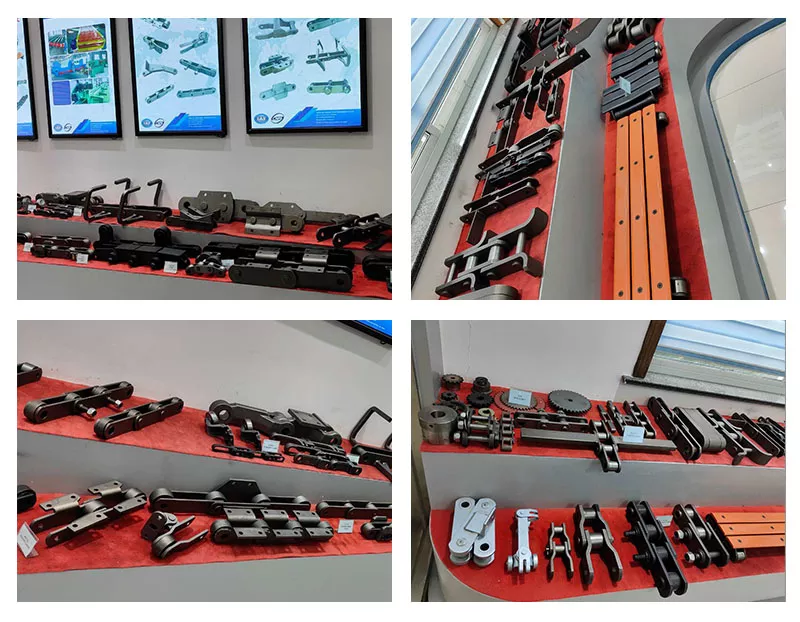
Roller Chain Maintenance Tips
There are many things to keep in mind when maintaining a roller chain. The main reasons include friction and external influences. Without proper lubrication and adjustment, such chains will wear prematurely. Here are some tips for keeping your roller chain in top shape. continue reading! This will make your process easier. We will also discuss the cost of the new roller chain. As always, remember to check for loose ends and adjust the chain regularly.
Preloading
Roller chains are designed to accommodate many different types of loads. Sprockets are the main cause of chain wear. Axial and angular misalignment occurs when the sprocket faces are not properly aligned. Both types of misalignment increase stress and wear on the roller chain. They can also negatively affect the drive. Therefore, choosing the right chain is an important consideration.
Preloading helps to eliminate initial elongation and extend service life. The benefits of preloading can be seen in the preloading chart. Significant elongation occurs during drive startup with no or minimal preload. This is due to the surface hardness of the worn parts. On the other hand, a properly preloaded chain shows little elongation during the initial start. Therefore, proper preload can prolong wear life.
Although elongation is a natural phenomenon in any drive, it can be minimized or eliminated with proper maintenance. In addition to regular inspections, you should do a full inspection of your chain after the first hundred hours. This inspection should focus on key life factors such as 3% elongation, how the chain is lubricated, and any other issues that may affect life. A good quality chain should have the longest life and no problems.
There are many different roller chain specifications. A good rule of thumb is to choose chains with at least five links. Then, tighten the chain until a break occurs, and it will tell you what kind of break occurred. Alternatively, you can use a roller chain with the maximum allowable load. As long as the MAL doesn’t exceed that number, it’s still perfectly safe to use it for any application.
lubricating
When it comes to lubrication, there are several different techniques. For example, spray lubrication is a popular method for high-horsepower drives and high-load and fast-moving machines. This method is very effective, but it is expensive, and spraying the chain too far out of the guard can cause leaks. Another common method is brush lubrication. Brush lubrication involves applying a continuous flow of oil to the chain, pushing it into the chain. This lubrication technique reduces the application temperature of the chain. Also, it can extend the life of the chain, depending on the manufacturer’s specifications.
While the lubrication of roller chain couplings varies by application, sprocket hubs should be lubricated monthly to ensure proper sealing. The amount of oil used depends on the rotational speed and the type of roller chain coupling. In general, lubricants used in roller chain couplings should have excellent adhesion, oxidation, and mechanical stability.
Wear-resistant lubricants are recommended. They prevent the rollers from sticking to each other and prevent rusting. These lubricants have low surface tension and are not harmful to metal or O-ring chains. The optimum lubrication method depends on ambient temperature, horsepower, and chain speed. Properly lubricating a roller chain increases the life of the chain and reduces the risk of wear.
Proper lubrication of the roller chain is essential to prevent corrosion and prolong its service life. The oil forms a smooth film on the chain components, reducing metal-to-metal contact and minimizing friction and wear. Additionally, the oil provides a smooth running surface and reduces noise. However, the running-in process of roller chain lubrication cannot be underestimated. When using heavy-duty oils, ensure that the lubricant is compatible with operating and ambient temperatures.
Maintain
To extend the life of your roller chain, you need to carry out regular inspections. First, you should check the T-pin on the link plate at the joint. If they are not connected properly, it can cause the chain to stretch and not maintain proper spacing and timing. Next, you should look for unusual noise, corrosion, and dirt that may indicate wear. If you notice any of these problems, it’s time to replace the chain.
In order to properly maintain a roller chain, both areas of the roller chain must be lubricated with the correct lubricant. Lubricants used should be SAE non-degreased oils. There are several types of lubricants available, but the best one is a petroleum-based oil with a high viscosity. You can also check for signs of wear, such as red or brown discoloration. This means that there is not enough lubrication.
While the life expectancy of a roller chain is unknown, it is important to know how to extend its life and maximize its effectiveness. Improper tension and alignment can shorten its life and place undue stress on the drive system and the chain itself. Incorrect tension can also lead to slippage and increased energy output. Therefore, you should calculate the tension and alignment of the chain during the initial installation. Check and adjust regularly.
Another way to extend the life of your rollers is to thoroughly clean the inside and outside of the rollers. You should also lubricate it frequently to prevent excessive heat buildup. Designed to prevent overheating by limiting the amount of work during break-ins. Additionally, regular inspections will help you catch anomalies early enough to stop operations. Last but not least, regular lubrication will prolong the life of the roller chain.
Cost
Buying a roller chain is a big decision, but initial cost shouldn’t be the only consideration. The cost of the roller chain itself, as well as the running costs, should be considered. Even the lowest-priced chains can be more expensive in the long run. Additionally, maintenance and energy costs may increase. The best roller chain for your business will be the one that best suits your needs. Listed below are some considerations to consider when purchasing a roller chain.
First, what material should you use? Roller chains come in many different materials. Stainless steel is a commonly used material in construction. Materials are selected based on the cost and design of chain horsepower transmission. Various manufacturing processes will determine which material is suitable for your application. Also, the weight of the chain will vary depending on its pitch and the construction technique used. A large part of the cost of a roller chain is on the drive sprocket.
Another consideration is installation cost. Roller chains are commonly used in agricultural and transportation applications, especially for agronomic products. If lubrication is your concern, maintenance-free chains are the best choice. Corrosion-resistant chains are ideal for wet environments. They are sold in boxed lengths, so replacing a longer length requires adding a shorter length. To avoid trouble, use the skateboard to help connect the links.
Another consideration is the overall width. The overall width of an open #40 roller chain may vary but should be at least 10 feet wide. Although it is not the most expensive type of roller chain, it will last longer. Using it correctly will increase its overall longevity, so it’s a good idea to choose it wisely. If your business uses roller chains regularly, the cost reduction is well worth it.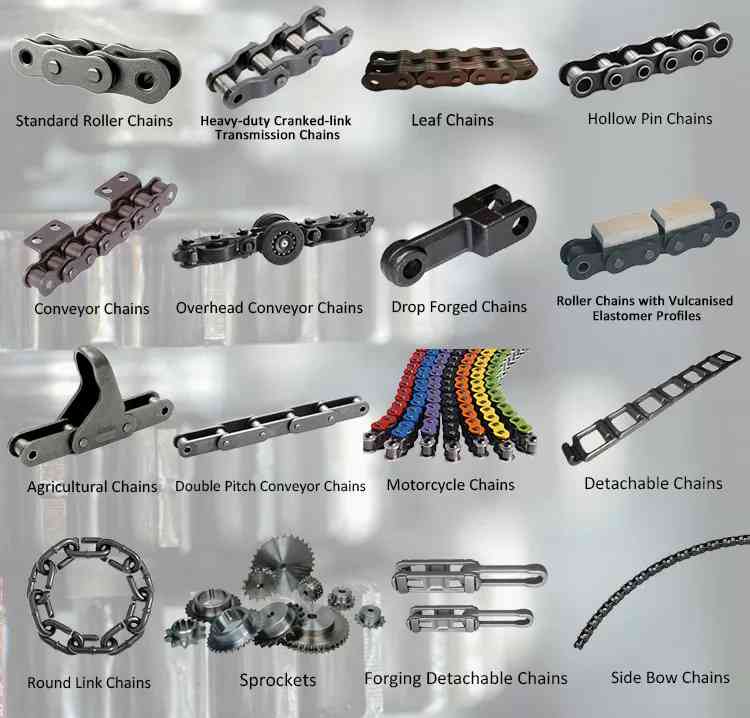
Application
A roller chain consists of a pair of alternating pins and roller links. The pins are pressed into the side panels and hinged to the rollers. Roller chains can be single or multi-strand, connected by a common pin. The multi-strand design provides higher shear strength for demanding power transmission applications. Typical applications for roller chains include conveyors, hoists, and other mechanical equipment.
The horsepower capability of a roller chain is limited by several factors, including pin shock and friction. While research into these factors has placed some limits on the maximum operating speed of the roller chain, practical experience has shown that these systems can be used at higher speeds. Proper lubrication and cooling can increase the durability of these chains. In addition, roller chain applications include:
Drive and conveyor systems are the two main uses of roller chains. During driving operations, wear and elongation are a natural part of the operation. However, lubrication plays a vital role in minimizing wear and shock loads. Therefore, wear is inevitable and special care must be taken to ensure proper lubrication. Additionally, lubrication reduces heat dissipation in the chain.
The materials used to make roller chains vary from one type to another. Stainless steel is common, but nylon or brass are sometimes used. These materials are less expensive and more durable than steel or stainless steel. The best material for the job depends on a variety of factors, including cost, environmental conditions, and design horsepower transmission. For example, the pin bushing contact area is a critical area requiring lubrication. Additionally, some coatings are designed to retard the corrosive effects of water or oil.
editor by Cx 2023-07-13